Brisbane Airport trials tailwind flight operations to reduce night-time aircraft noise

4 min read
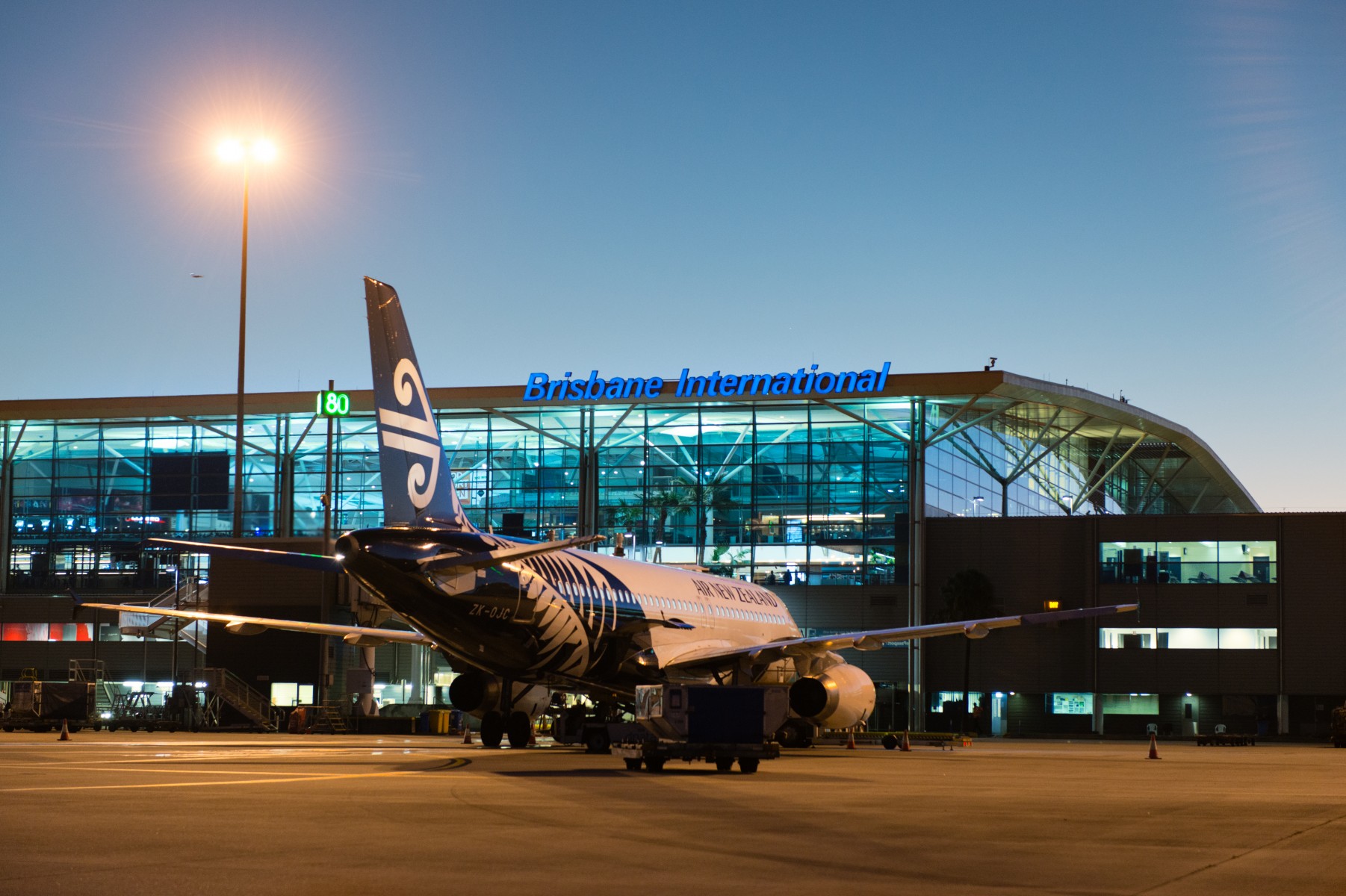
Brisbane Airport Corporation (BAC) is launching an 18-month voluntary “tailwind operations” trial to increase the number of aircraft departures (and later arrivals) routed over water at night. The goal is to reduce aircraft noise exposure for nearby residential communities.
The trial allows participating airlines, under set conditions, to accept tailwinds of up to 10 knots for take-offs overnight.
Why Brisbane Airport is tracking tailwinds
Before 2016, Brisbane Airport (BNE) had a longstanding policy allowing up to 10-knot tailwinds for take-offs. The airport says it has safely operated flights “with a 10-knot tailwind allowance for three decades, until this was aligned with international standards,” which restricted the tailwind allowance to 5 knots.
Under the new voluntary trial, increasing the tailwind limit back to 10 knots is a possible way to restore some of the former flexibility in departure and arrival conditions. However, the airport is trialling the higher knot allowance within a strict, time-limited, data-gathering framework designed to assess operational safety and noise-reduction benefits.
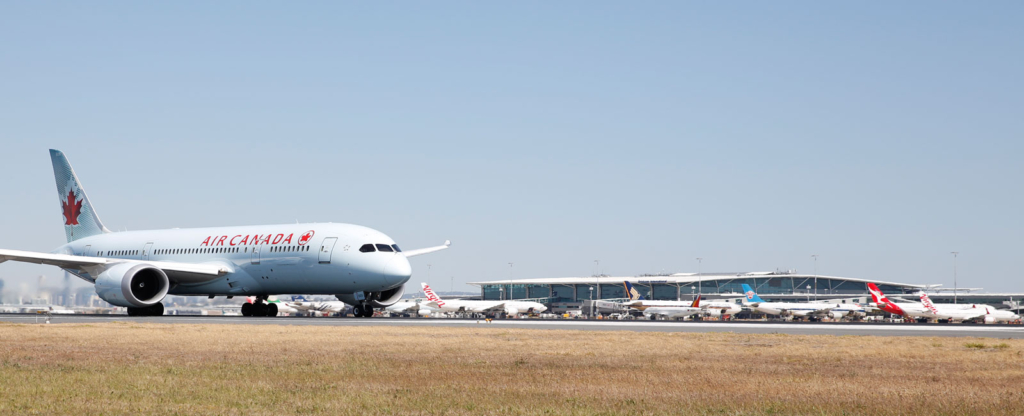
The core rationale for the trial is that more take-offs over water, rather than over suburbs, should reduce aircraft noise impacts on residents in communities near BNE, especially overnight.
“Passengers won’t notice any difference, but each time a pilot chooses an over-the-water departure path, it reduces the impact on the community,” said Tim Boyle, Head of Airspace Management at Brisbane Airport. “Even a handful of flights each week will provide valuable data over the 18‑month trial as part of this long-term project to reduce noise for our community.”
How the Brisbane Airport tailwind trial will work
The trial is opt-in and voluntary. No pilot or airline is forced to participate. It will be conducted in two phases. During the first six months, the higher tailwind conditions will only apply to departures for airlines that wish to participate. During the following 12 months, it will be available for both departures and arrivals, if other conditions are favourable to safe operations.
Conditions for participation include:
- Tailwind component ≤ 10 knots (including gusts)
- Crosswind component ≤ 20 knots (including gusts)
- Dry runway, no thunderstorms or forecasted wind shear nearby.
- Adequate air-traffic control staffing and acceptable traffic levels.
When conditions are met, participating pilots receive an audio notification via the local ATIS system.
According to BAC, over the past six months before the announcement, about 63% of overnight movements (22:00–06:00) have arrived or departed over water, suggesting that over-water operations are already the “default” where possible.
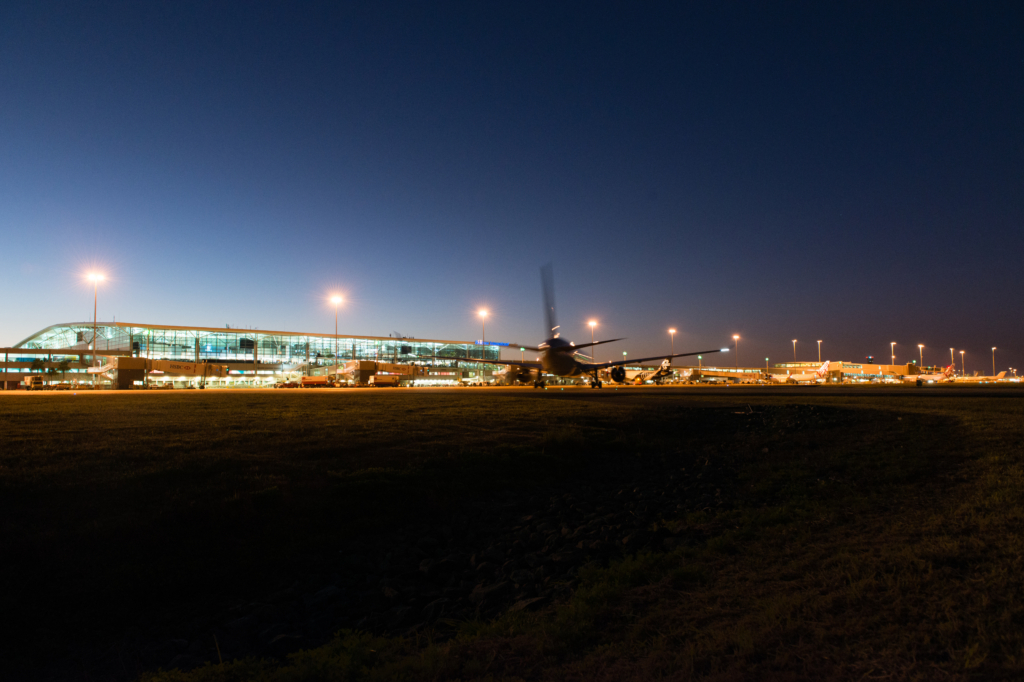
If successful, the trial could provide data to support a permanent increase in allowable tailwinds at BNE, which in turn could lead to more sustained over-water flight paths at night, offering long-term relief from aircraft noise for communities near the airport.
BAC and Airservices Australia emphasise that the trial remains fully compliant with existing regulatory and safety standards and that no exemptions from Civil Aviation Safety Authority (CASA) requirements are needed to conduct the trial.
“Safety is always our top priority at Brisbane Airport,” Boyle said. “We are grateful for the support of CASA to deliver this data trial in partnership with Airservices Australia.”
Noise complaints and flight path changes at Brisbane Airport
The trial falls within the broader context of attempts to manage and mitigate noise following flight-path changes at BNE that accompanied the opening of a parallel runway in 2020.
Under the airport’s and Airservices’ ongoing noise-abatement and community engagement programs, increased over-water operations are among the measures explored to reduce the flight-path noise burden on residential areas.
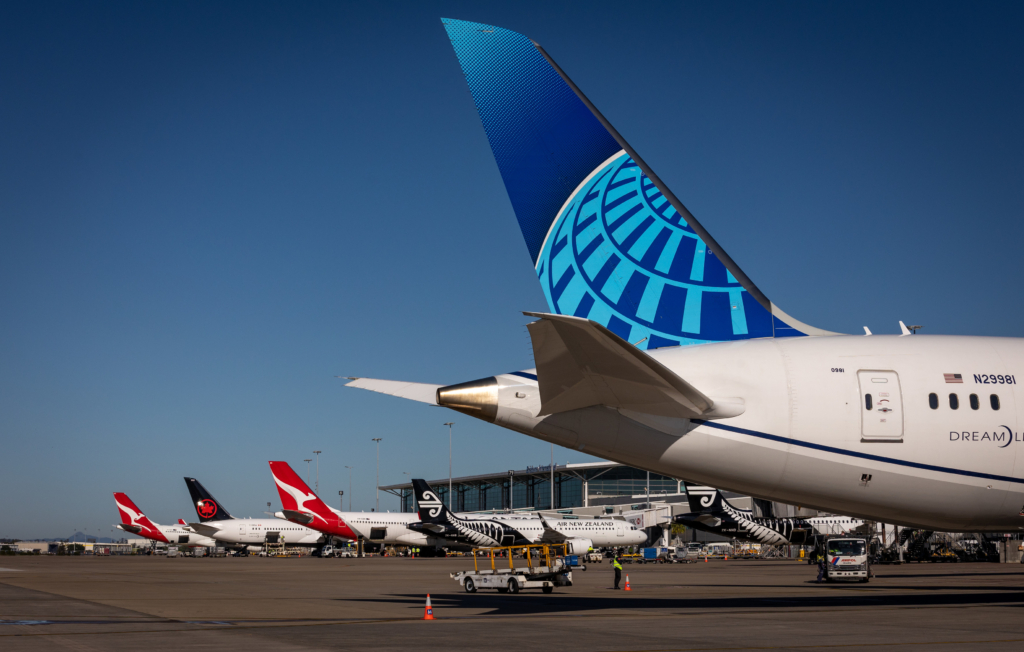
“Brisbane Airport is committed to collaborating with airlines, Airservices Australia, CASA, and the community on a balanced aviation approach that delivers sustainable outcomes for Brisbane and Queensland,” Boyle said.
With the new voluntary tailwind data trial, Brisbane Airport is revisiting a previously accepted operational window to balance efficient aircraft operations with community noise impacts.
As the trial unfolds over the next 18 months, data collected from participating flights will inform whether a permanent relaxation of tailwind limits — and thus more over-water operations at night — is feasible. For communities near BNE, the trial could mark a meaningful step toward quieter nights.
Find the latest aviation industry news right here.
Featured Image: Brisbane Airport
Sign up for our newsletter and get our latest content in your inbox.


More from


October 17, 20264 min read