Boeing pushes 737-10 autoland to the limit in extreme crosswind certification tests

3 min read
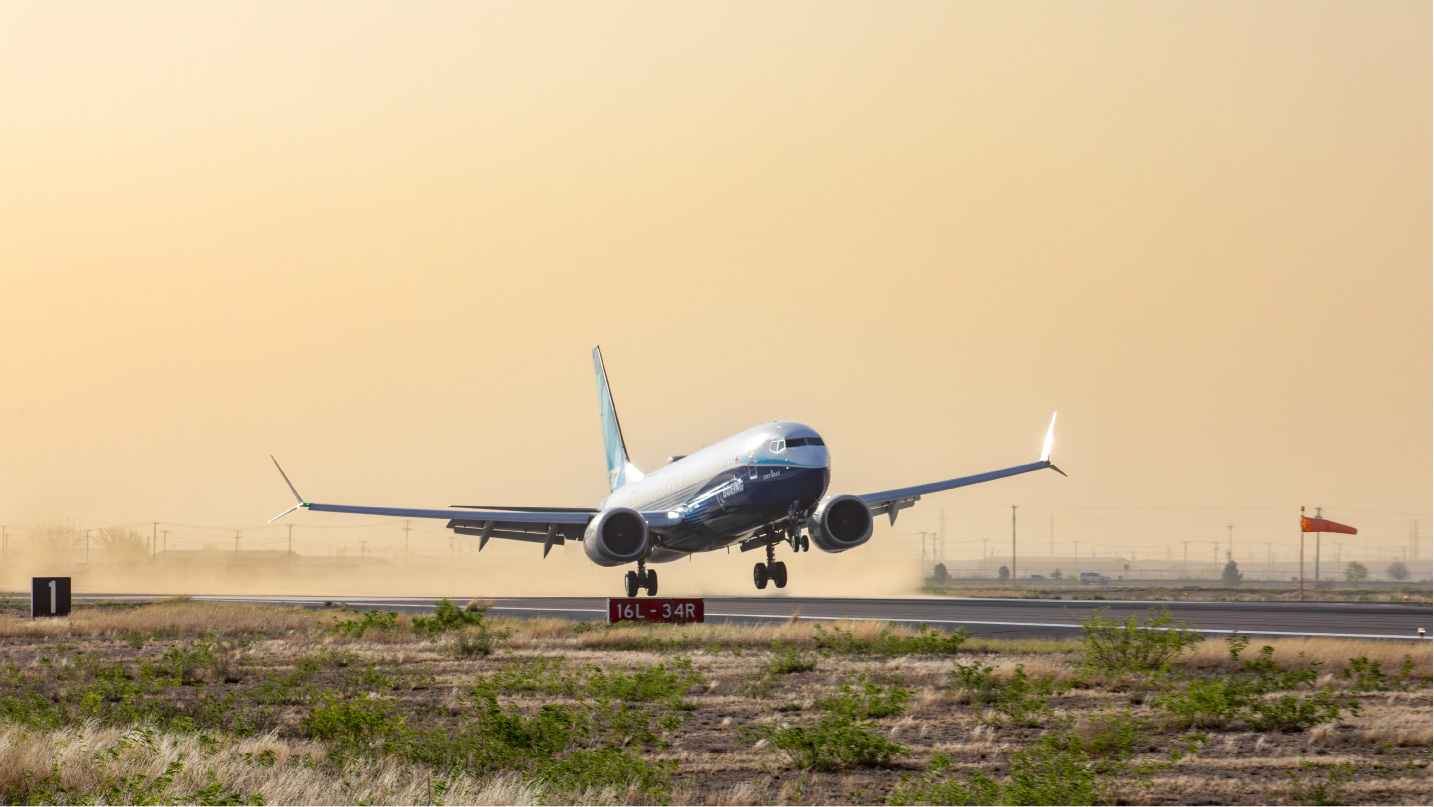
Boeing has completed another major milestone in the certification campaign for its largest 737 MAX variant by intentionally flying the 737-10 aircraft into some of the strongest crosswinds that airline pilots might encounter in service.
The manufacturer revealed that flight test crews spent months tracking weather systems before travelling to Midland, Texas, to validate the aircraft’s autoland system ahead of certification.
The wind-testing campaign is part of Boeing’s ongoing effort to secure certification for both the 737-10 and the smaller 737-7 later this year.
Boeing chases the weather
Unlike many certification tests conducted under controlled conditions, Boeing’s wind campaign relied on nature. Flight test engineers, meteorologists and pilots remained on “wind watch” for weeks, ready to deploy whenever forecasts suggested suitable crosswinds.
“We typically don’t have really good fidelity until two or three days out,” said Lauren Auerbach, a flight test engineer on the program. “So, when we’re on wind watch, we’re pretty much ready to launch within a couple of days’ notice.”
The goal of the test was to demonstrate that the aircraft’s automated landing system can safely guide the aircraft to touchdown under the most demanding wind conditions airlines are likely to experience.
“We’re assessing whether the aeroplane’s performing appropriate, timely corrections to the flight path,” Dan Mangel, the Boeing pilot who flew the 737-10 tests, said, “staying within the lateral confines of the runway to guarantee a successful landing.”
Testing beyond certification requirements
During the test flights, engineers monitored how accurately the autoland system corrected for quickly changing wind speeds and directions.
According to Mangel, Boeing conducted many of the test flights in winds exceeding the certification requirements.
“It’s never steady winds. It’s always in gusty winds,” Mangel said.
Although the 737-10 is significantly longer than other members of the MAX family, Boeing says its autoland software was tuned to provide handling characteristics consistent with the 737-8 and 737-9.
Why the wind tests matter
As Boeing moves through the final stages of certification, the company is conducting the required flight test campaigns to demonstrate the aircraft’s readiness before the newest MAX variants enter commercial service.
Crosswind certification is a critical requirement because it establishes the maximum wind conditions under which airlines can safely dispatch the aircraft and rely on its autoland capability. Successfully demonstrating performance in these demanding conditions gives regulators and airlines confidence that the 737-10 can operate safely in adverse weather at airports worldwide.
Part of an intensive certification campaign
The crosswind trials are one of several demanding certification exercises Boeing has highlighted in recent months.
Earlier this year, the company completed maximum brake energy testing by accelerating a fully loaded 737-10 beyond 200 mph before performing a rejected take-off with heavily worn brakes and no thrust reversers. Engineers also strengthened the aircraft’s landing gear and introduced the highest-capacity brakes ever fitted to a 737 to accommodate the aircraft’s increased maximum take-off weight.
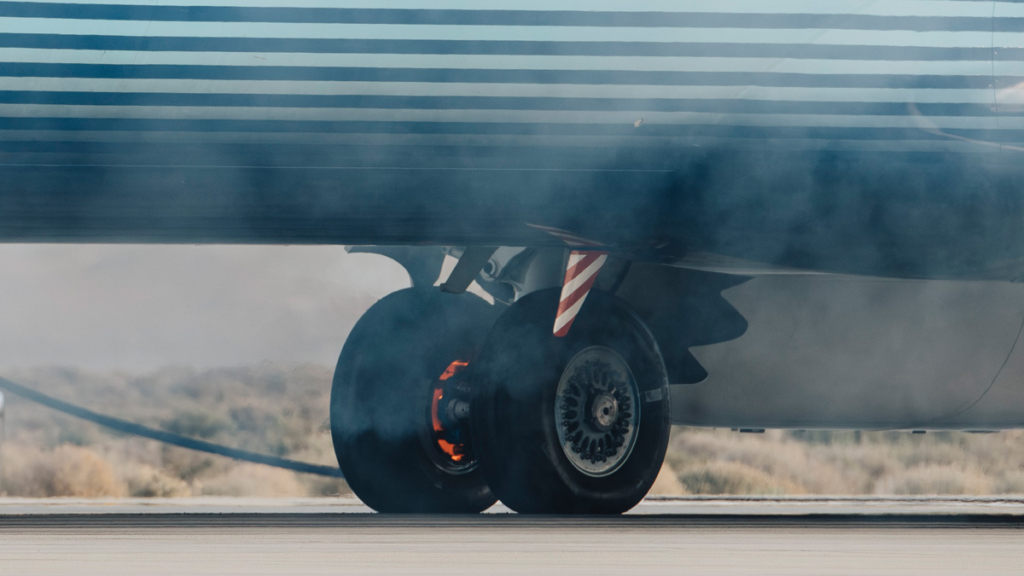
The combined certification stress tests demonstrate that the aircraft can operate safely across a range of challenging conditions that might occur during airline service.
Aircraft certification remains Boeing’s priority
The 737-10 is the largest member of the 737 MAX family, with a capacity of up to 230 passengers, giving airlines the lowest seat-mile costs in the MAX lineup.
Its certification has been delayed for several years as Boeing addressed regulatory changes introduced following the two fatal 737 MAX accidents and implemented additional safety improvements throughout the programme.
Boeing says results from the latest crosswind campaign will support the remaining certification work with the US Federal Aviation Administration as it works toward certifying both the 737-7 and 737-10 later in 2026.
Featured Image: Boeing