


Australia axes C-27J Spartan fleet early in $35bn defence shake-up

8 min read
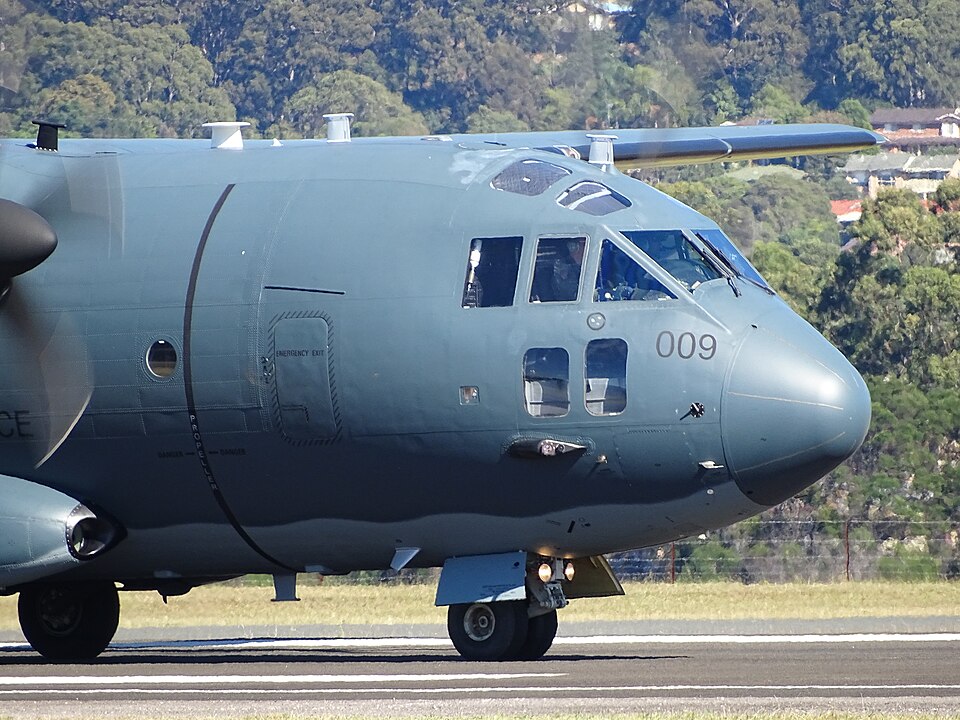
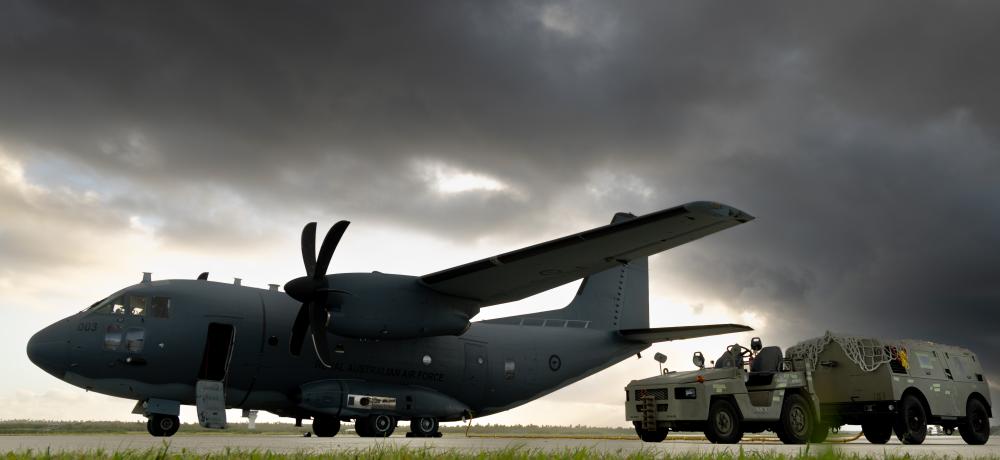
Australia will retire its fleet of C-27J Spartan tactical transport aircraft early as part of a wide-ranging reset under the 2026 National Defence Strategy. The move reflects a shift in focus towards long-range strike, missile defence and autonomous systems.
The Spartan is among the first capabilities identified for removal as the government implements changes tied to the new strategy, which includes savings of around AU$10 billion ($6.6bn) over the coming decade. Those funds are being redirected towards higher-priority programmes aligned with the evolving strategic outlook.
The move is part of a broader reshaping of Australia’s military, as defence planners respond to a more contested and unpredictable Indo-Pacific.
“The Government is investing AU$34-$41 billion ($22.4-$27.1bn) over the decade in capabilities that will enable the Air Force to undertake expeditionary air operations to project force, sustain protracted combat operations and maintain situational awareness in our primary area of military interest,” reads the 2026 Integrated Investment Programme (IIP).
“This investment will ensure the Air Force can deliver air power across air mobility, air combat, intelligence, surveillance and reconnaissance and uncrewed air systems to deliver asymmetric advantage.”
Australia’s move to increase its defence spending to 3% of GDP matches moves by NATO nations in the face of the threat posed by Russia and increasing uncertainty on the reliability of the US’s commitment to the alliance.
“…no matter which way you cut it, it is the biggest peacetime increase in defence spending in our nation’s history. Now, you know, we don’t particularly lean into international comparisons, but when we’re engaging in international comparisons, we do international comparisons,” said Deputy Prime Minister Richard Marles.
“And so we’re using the NATO measure, which is how you compare apples with apples. And what’s clear is that when you do that, you know, we’re spending more on this day than any other equivalent like‑minded country in the Indo‑Pacific, more than most countries of NATO, more than all the G7 countries in NATO with the exception of the United States.”
“It’s not just about how much money is in the budget; it’s about the capability that we ultimately have for the Australian Defence Force,” he added.
Australia air mobility overhaul sharpens Indo-Pacific reach
Air mobility is emerging as a central pillar of Australia’s defence reset, underpinning its ability to rapidly deploy personnel and equipment across the Indo-Pacific, including into contested environments and disaster-affected regions.
The government has earmarked between AU$11 billion and AU$13 billion ($7.3-$8.6 billion) over the coming decade to modernise and optimise this capability, reflecting the growing premium on speed, reach and resilience.
At the core of this effort is a significant expansion of the medium airlift fleet, with plans to acquire 20 Lockheed Martin C-130J Super Hercules aircraft to replace the Royal Australian Air Force’s ageing first-generation platforms.
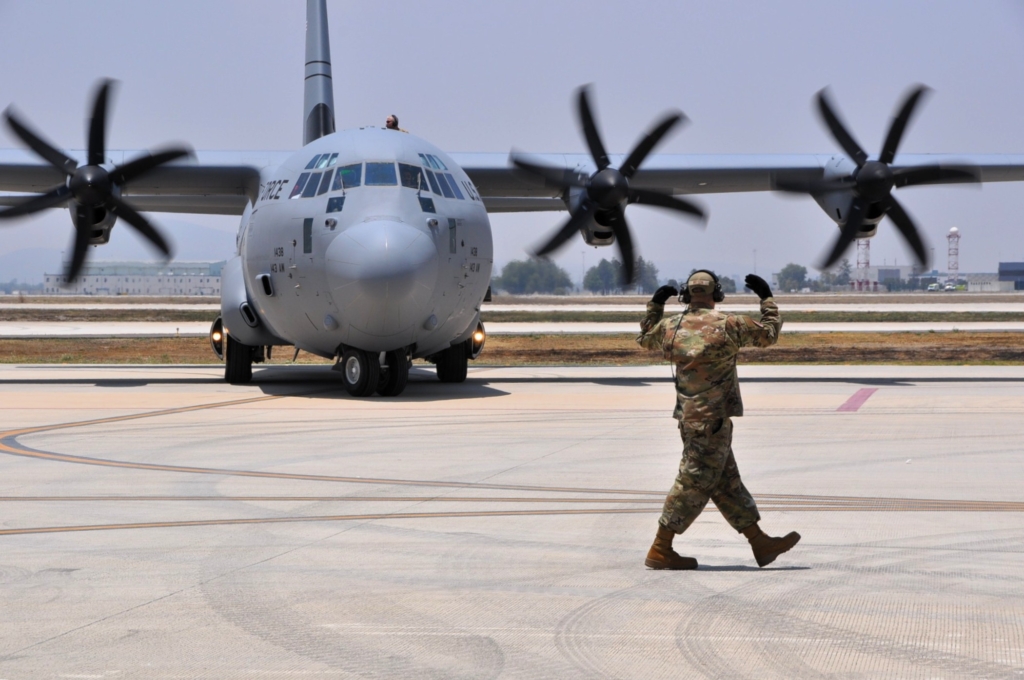
The move is intended to enhance operational flexibility while ensuring sustained logistical support across dispersed theatres.
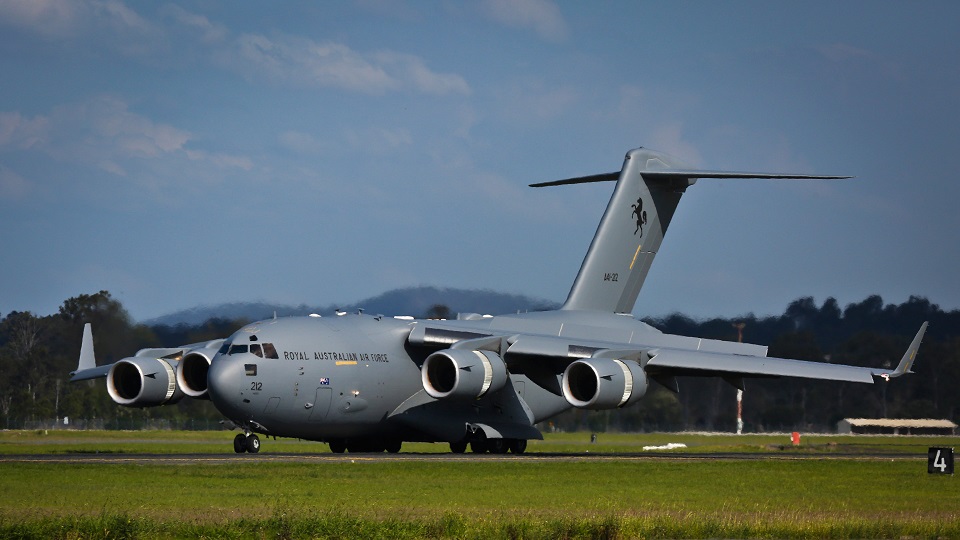
Alongside this, Canberra will continue to invest in the sustainment and readiness of its strategic and tanker fleets, including the Boeing C-17A Globemaster III and Airbus KC-30A, both of which play a critical role in enabling long-range deployments and force projection.
The planned replacement of the Alenia C-27J Spartan fleet also forms part of the broader restructuring, with options under consideration to preserve Australia’s ability to deliver sovereign airlift and surveillance support to Pacific partners through the Defence Pacific Air Program.
Infrastructure is another key focus, with upgrades to northern air bases aimed at improving resilience against potential attacks.
These include dispersed and hardened aircraft shelters, as well as redundant fuel and munitions storage, designed to ensure sustained operations under increasingly contested conditions.
Australia’s 2026 National Defence Strategy retains ‘deterrence by denial’ approach
The 2026 National Defence Strategy builds on the framework introduced in 2024, maintaining a focus on “deterrence by denial”, the ability to hold adversaries at risk from distance and complicate their ability to project force.
Under this approach, investment is being directed towards capabilities such as long-range strike systems, nuclear-powered submarines, advanced surface vessels and integrated air and missile defence.
The strategy also places greater emphasis on autonomous and semi-autonomous systems, reflecting lessons from recent conflicts and the increasing role of uncrewed platforms in modern warfare.
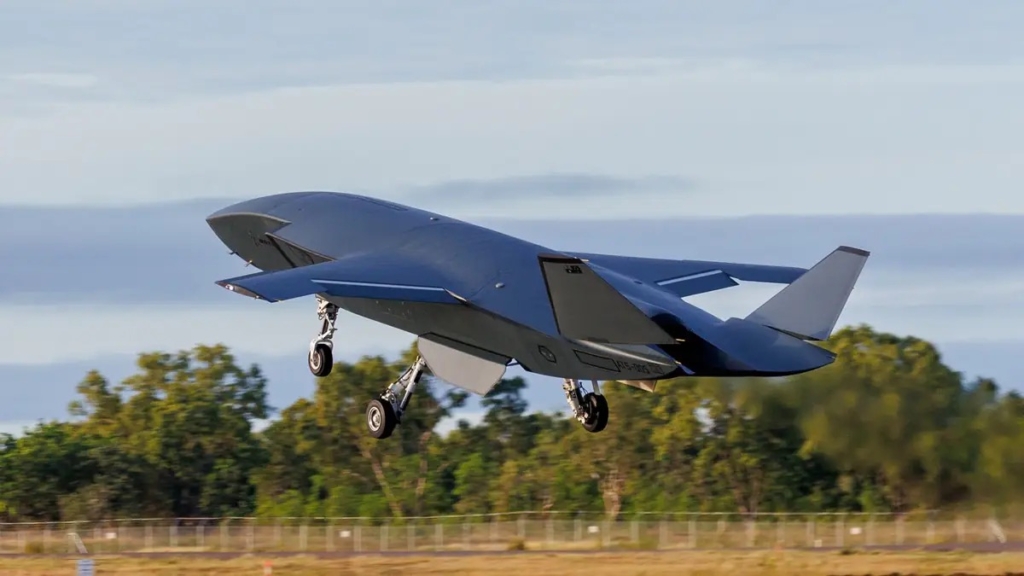
“Autonomous systems… loom much larger today than they did two years ago,” Marles said.
“Given Australia’s specific circumstances, given our geographic isolation, we do need to have drone capabilities, autonomous system capabilities, at the larger, higher end. And I think there’s no coincidence as a result that you are seeing us being the leading nation, really, when it comes to developing those sorts of systems in the form of Ghost Bat and Ghost Shark, both of which are large autonomous systems, in terms of collaborative combat aircraft and undersea.
“But, you know, we are scaling up, we want to have more in the Defence Force, but we are building all of those into the Defence Force as we speak. We are working with the United States in relation to hypersonic capabilities.”
At the same time, the government has highlighted the need to strengthen Australia’s defence industrial base and improve national resilience, including civil preparedness and supply chain security.
Australia’s defence spending increase is paired with programme cuts and reprioritisation
The strategy outlines a significant increase in defence funding, with an additional AU$53 billion ($35bn) to be allocated over the next decade.
However, alongside this increase, Defence is also undertaking targeted reductions and adjustments within its existing programme.
Around AU$5 billion ($3.3bn) in spending is being reprioritised from current projects over the forward estimates, with funding redirected towards emerging priorities such as advanced strike capabilities, missile defence and communications systems.

“We are reprioritising about $5 billion… to create more space for the investments that we are seeking to do… “Every dollar counts in the budget… money for defence… is hard fought and hard won,” he said.
Officials have indicated that most of these changes involve rescoping or delaying programmes rather than outright cancellations, although some platforms, including the C-27 Spartan, are being removed from service earlier than planned.
C-27J Spartan retirement signals shift in Australia’s tactical airlift strategy
The C-27J Spartan was introduced to provide tactical airlift capability into short and austere airstrips, supporting operations in remote areas and disaster response missions.
Its early retirement suggests a shift in how Defence intends to meet those requirements in the future.
“There is inevitably a process… of reprioritisation, and we’ve done that here as well,” Marles noted.
While the strategy does not detail replacement plans for the capability, the broader emphasis on long-range operations and survivability indicates a move away from platforms primarily designed for lower-intensity or regional support roles.
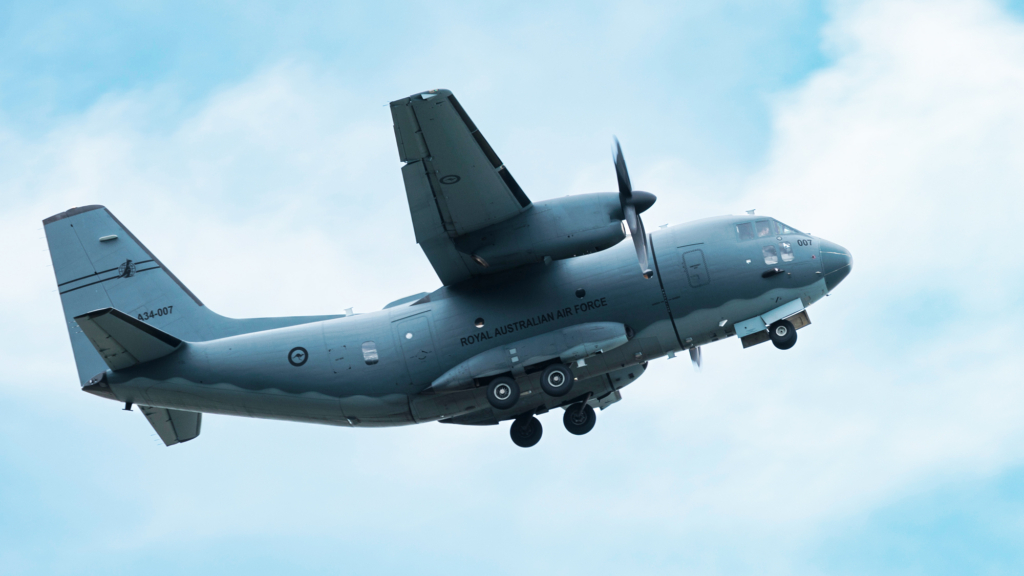
The change comes as the ADF increasingly focuses on operating across greater distances, particularly in the Indo-Pacific, where logistics, reach and resilience are seen as central to future operations.
“We needed to move from… a kind of all-rounder defence force… to a much more focused defence force… in the Indo-Pacific,” he said.
Australia balances self-reliance with US alliance in defence strategy
A key theme of the new strategy is the balance between increasing national self-reliance and maintaining strong international partnerships.
The government has stressed the importance of developing sovereign capability, including domestic industry capacity and local production of key systems. At the same time, it has reaffirmed the central role of the United States alliance in Australia’s defence posture.
Marles has described the alliance as fundamental, particularly in providing access to advanced technology, intelligence and operational integration.
The strategy positions self-reliance not as a replacement for alliances, but as a way of strengthening Australia’s ability to contribute to them. “The world feels less safe… it greatly complicates the global strategic landscape.”
The updated strategy reflects what the government describes as a deterioration in the regional and global security environment.
Officials point to increasing geopolitical competition, technological change and the potential for conflict as key factors shaping defence planning.
The Indo-Pacific remains the primary focus, with the strategy emphasising the need for an ADF capable of operating effectively across large distances and in contested environments.
This has led to a prioritisation of capabilities that can deliver effects at range, sustain operations over time and operate within integrated joint and allied frameworks.
Implementation phase begins as force structure changes take effect
With the release of the 2026 National Defence Strategy and accompanying Integrated Investment Plan, Defence is now entering the implementation phase of its updated force structure.
The early retirement of the C-27 Spartan is one of the first visible outcomes of that process, with further adjustments expected as programmes are reviewed and reprioritised.
While the overall direction of the strategy remains consistent with earlier policy, the latest changes signal a continued shift towards capabilities designed for high-end conflict scenarios.
How those priorities translate into operational capability will depend on the pace of delivery, industrial capacity and the ability to integrate new systems into the force over the coming decade.
For now, the removal of the Spartan fleet provides a clear indication of how the ADF is beginning to align its existing inventory with its future strategy.
Featured image: RAAF


