Airbus launches Wing of Tomorrow flight test programme for next-generation aircraft

3 min read
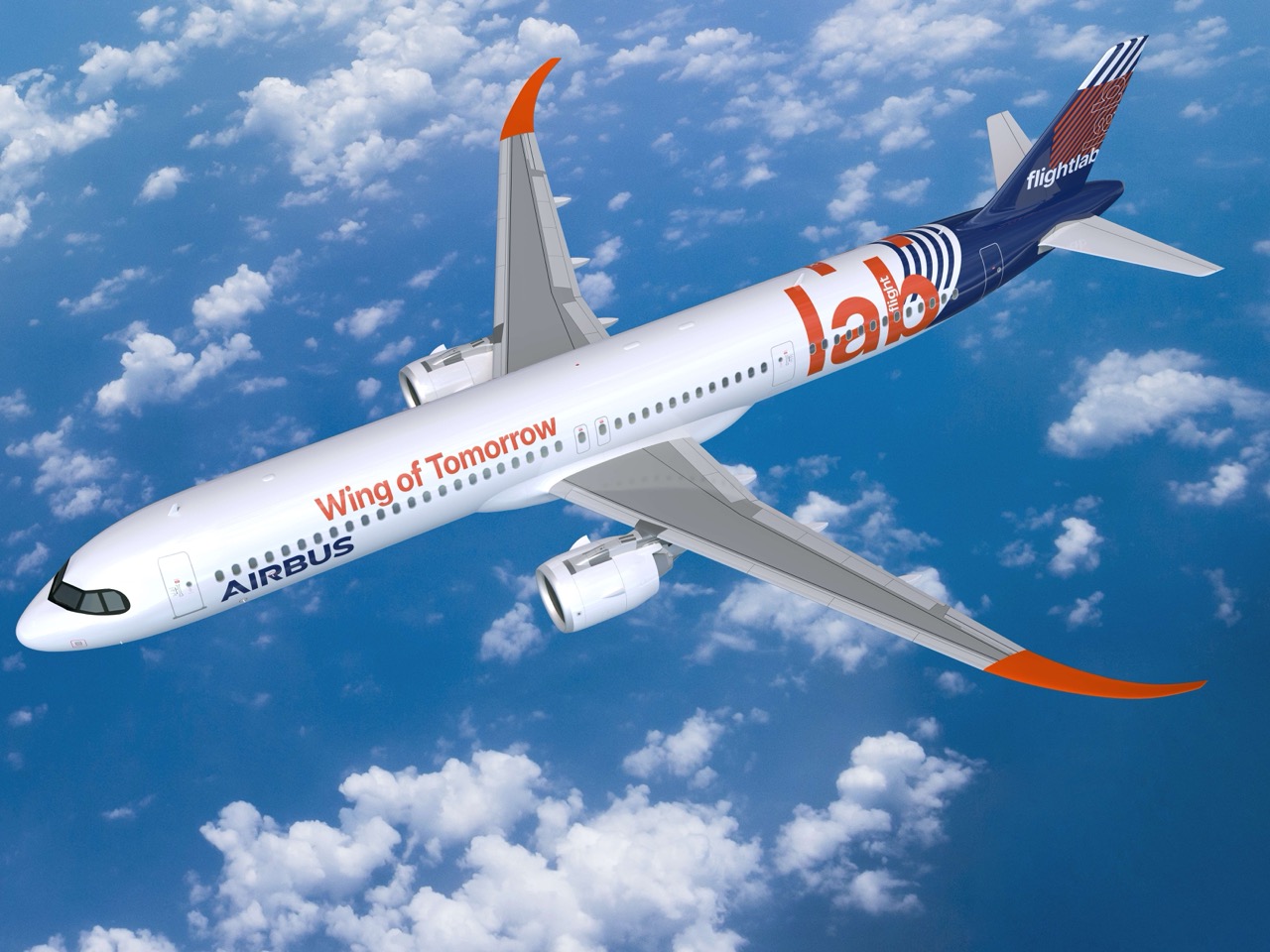
Airbus has launched the next phase of its Wing of Tomorrow programme, which will involve a three-year flight-test campaign to evaluate high-span wing designs for the manufacturer’s next-generation single-aisle aircraft.
Announced at the Farnborough International Airshow 2026, the programme will see Airbus design, build and fly full-scale wing extensions fitted to an A321neo test aircraft. It will provide Airbus engineers with real-world flight data on longer, more efficient wings.
A321neo to test future wing concepts
The flight-test campaign marks a significant milestone for one of Airbus’ largest technology research programmes.
Over the next three years, Airbus will install several-metre-long wing extensions on an A321neo. The extensions will replicate the fully deployed position of a future folding wing during flight, allowing engineers to study how increased wingspan affects aircraft performance, handling and structural behaviour.
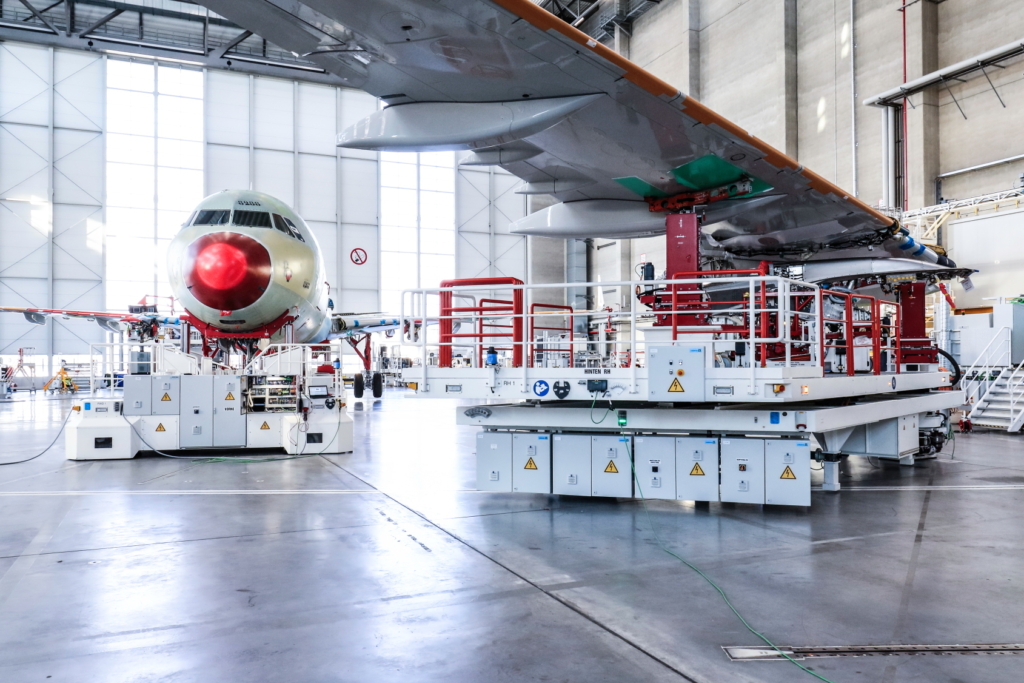
The aircraft will be fitted with extensive instrumentation to capture detailed flight data across a range of operating conditions.
According to Airbus, the programme will validate advanced digital modelling and wind tunnel testing in a representative flying environment ahead of any future aircraft application.
Longer wings could significantly improve fuel efficiency
Airbus views the wing as one of the most important opportunities to improve aircraft efficiency alongside advances in engine technology.
The Wing of Tomorrow programme is focused on developing wings that are:
- Longer—to improve aerodynamic efficiency
- Lighter—through advanced materials and manufacturing
- More slender—to reduce drag and fuel consumption
Longer wings generate less induced drag, particularly during cruise, lowering fuel burn and emissions. However, increasing wingspan also introduces challenges—including structural, operational and airport infrastructure compatibility. These make flight testing essential before they can be introduced on future commercial aircraft.
“The wing is one of the biggest levers we have to improve flight efficiency, which is why the Wing of Tomorrow is so critical for our next-generation single-aisle aircraft,” said Sue Partridge, Head of the Wing of Tomorrow programme. “This flight-test campaign will allow us to safely challenge traditional design limits and explore the benefits of longer wings.”
Built in the UK, tested in France
The wing extensions will be assembled at Airbus’ Wing Technology Development Centre in the UK before being installed and flight tested in Toulouse, France.
The programme builds on several years of development work. Airbus has already produced three full-scale, 17-metre ground-based wing demonstrators to evaluate increased wingspan concepts while testing more than 100 new manufacturing and assembly technologies.
Part of Airbus’ next-generation aircraft strategy
The Wing of Tomorrow programme forms a key part of Airbus’ long-term roadmap for the aircraft expected to succeed today’s A320neo family during the 2030s.
It complements the manufacturer’s separate eXtra Performance WING (eXPWING) demonstrator being developed by Airbus UpNext. Unlike Wing of Tomorrow, which focuses on longer, higher-aspect-ratio wings and advanced manufacturing, eXPWING is exploring morphing wing technology capable of changing shape during flight to optimise aerodynamic performance.
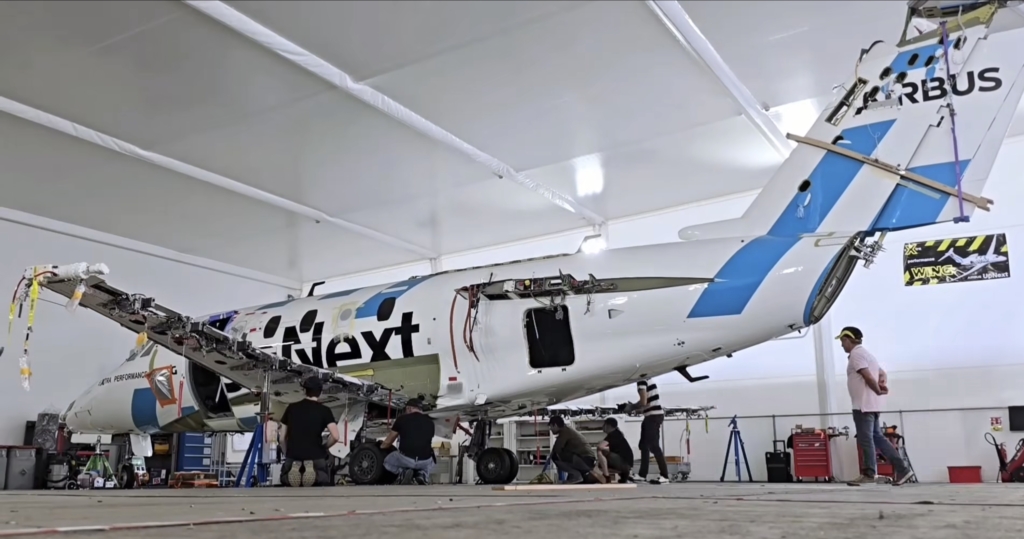
Assembly of the remotely piloted eXPWING demonstrator is nearing completion in Cazaux, southern France, with its maiden flight planned before the end of 2026.
Together, the two programmes are intended to mature technologies that could deliver significant improvements in fuel efficiency, emissions and operating costs for Airbus’ next generation of single-aisle aircraft.
Sign up for our newsletter and get our latest content in your inbox.


More from


October 17, 20264 min read