


Smartwings adds London and Amsterdam as new Pegasus ownership pivots strategy away from travel agents

3 min read
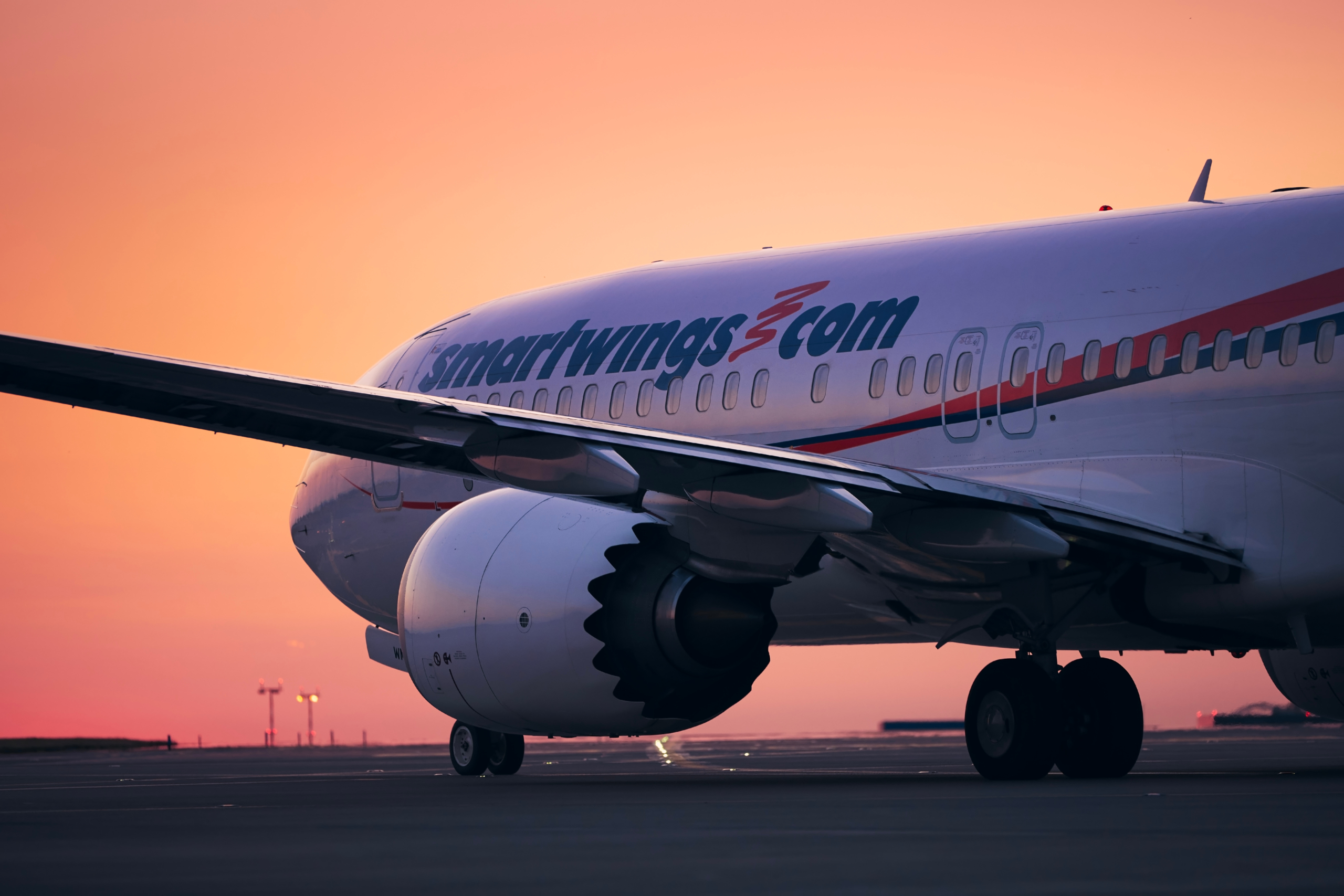

Smartwings, Czechia’s largest airline, has announced plans to launch flights to both London and Amsterdam this winter as it expands its scheduled operations.
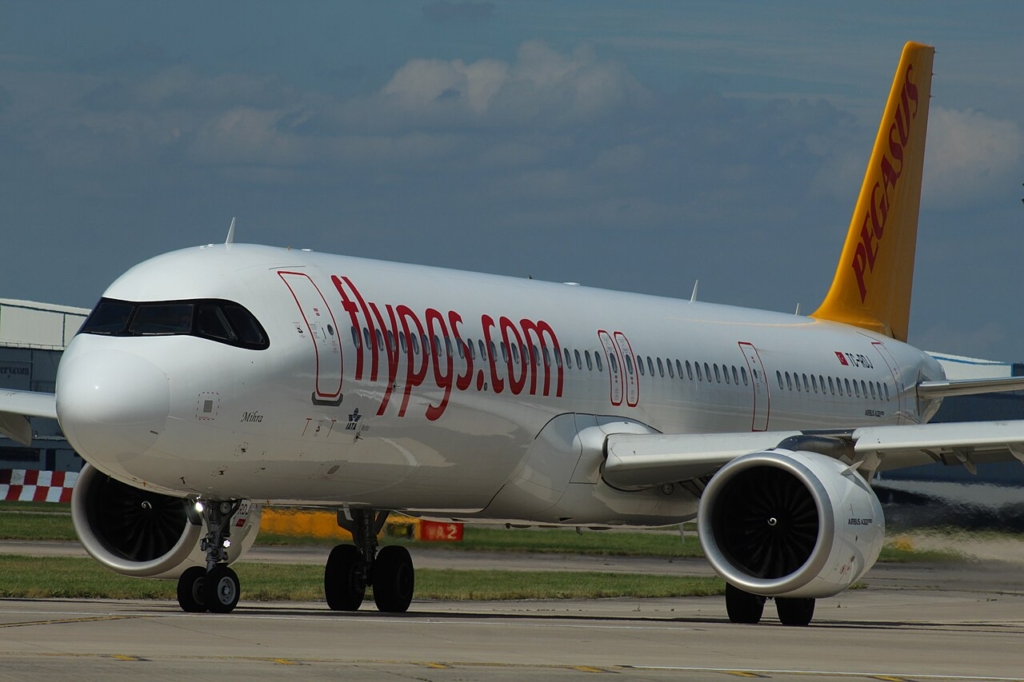
Historically focusing on leisure-oriented charter services, the company has undergone several changes in recent times, not least its acquisition by Türkiye’s Pegasus Airlines in December last year. Pegasus Airlines was selected as the preferred bidder at the last minute over LOT Polish Airlines, which was expected to win the deal. The outcome was met with frustration in Warsaw.
Its strategy is therefore adjusting to match the ambitions of its new owner. Though little has been shared yet, recent interviews with Czech media have provided an idea of the value Pegasus sees in Smartwings, namely less dependence on tour operators and more of its own scheduled flying.
London and Amsterdam join the network
London Gatwick flights will begin next month, operating four per week from 18 December. It previously operated scheduled flights to London Gatwick until the end of 2019. It has flown several winter charters since then. Heathrow was served briefly from Prague in 2021 and 2022.
It will also introduce flights to Amsterdam’s Schiphol Airport (AMS) from 20 December, initially flying four times per week. Services will rise to daily from March next year. It last operated regular flights to AMS during the 2010/11 winter season.
The new routes will cater to both business and leisure traffic, says Emre Pekesen, newly appointed CEO at Smartwings who was formerly group director for Sales and Network Planning at Pegasus Airlines.
“We see significant potential to further strengthen our scheduled network from Prague. London and Amsterdam are important additions for both business and leisure travellers, giving our customers more choice of direct connections. We will continue to develop our network in a disciplined way, responding to demand and market opportunities.”
Scheduled, city routes from Prague are not necessarily brand-new to Smartwings. Last year, it announced fairly significant expansion plans. It introduced flights to seven new destinations that winter, including to Brussels, Barcelona, Porto, Bucharest, Bilbao, Toulouse, and Rome. It also boosted existing flights to Paris.
Less reliance on tour operators
In an interview with Czechia’s e15 news outlet, Pegasus CEO Güliz Öztürk says that Smartwings and Pegasus’ joint value lies in combining a strong position in Central Europe with a successful low-cost model.
She says: “The benefits will be realised gradually as both companies develop their networks. Over time, passengers should gain access to a wider route network, more destinations and better air connections within Europe and between Europe, Türkiye and other markets.”

Smartwings’ primary business stems from the leisure market, through its relationships with tour operators including TUI, Blue Style, Čedok, Exim Tours and Fischer. To that end, it offers charters to Salalah and Muscat in Oman, Boa Vista in Cape Verde and Mombasa in Kenya. It operates a fleet of Boeing 737 aircraft.
Pegasus has experience transitioning away from travel agencies towards scheduled operations, selling tickets directly to passengers. It shifted model in the early 2000s following its acquisition by ESAS Holding.
As Smartwings moves away from relying solely on tour operators, it gains greater control over its ticket sales. While this creates the risk of not filling seats as easily, it also allows the carrier to capture full retail fares and lucrative ancillary revenue when demand is strong. Under traditional tour operator partnerships, revenue is typically agreed in advance, shifting load factor risk away from the airline.
Sign up for our newsletter and get our latest content in your inbox.