


Russia could launch nuclear-armed satellite within weeks, German intelligence report warns

2 min read
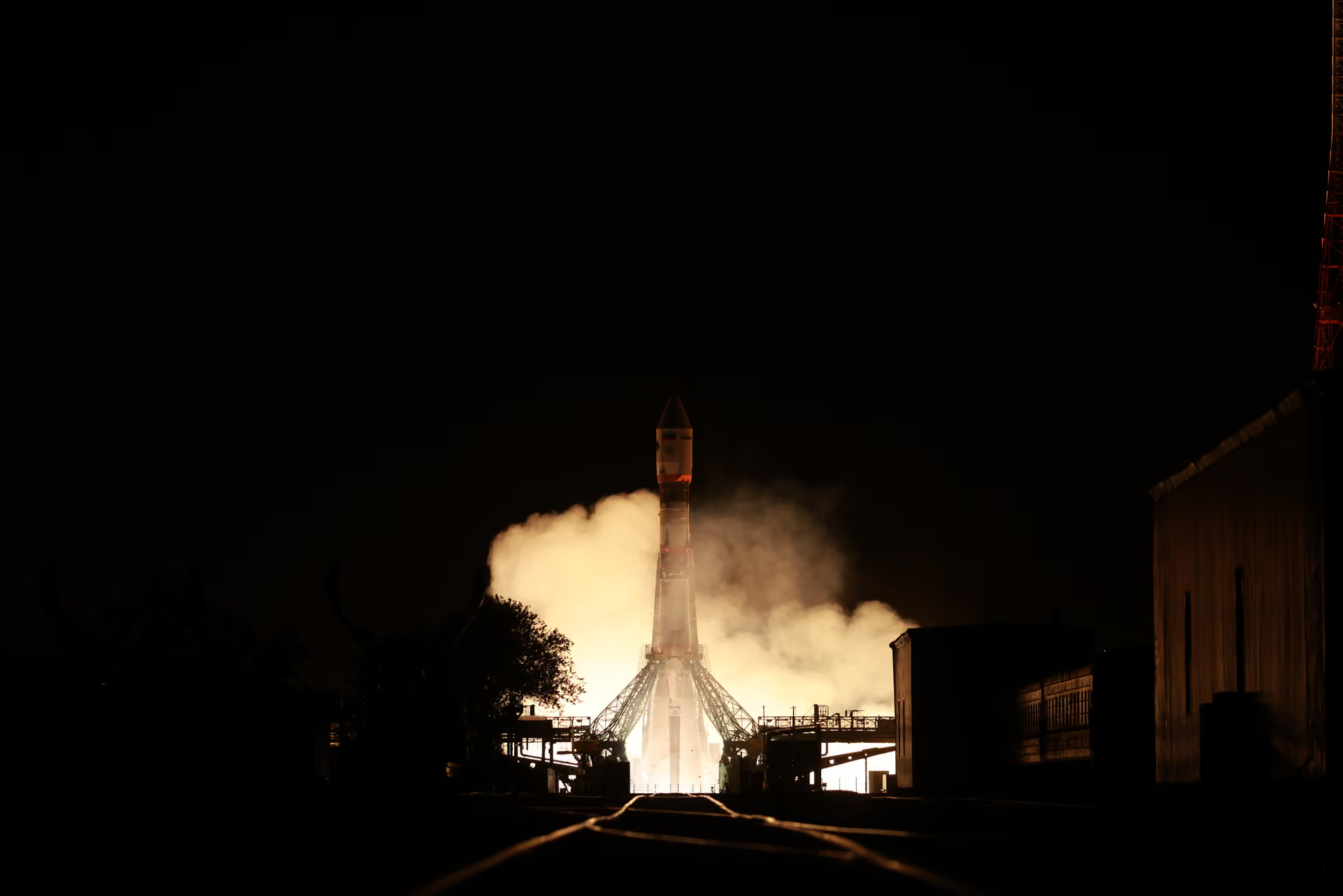

Russia could launch a satellite carrying a nuclear weapon as early as December, according to Western intelligence assessments cited in a joint investigation by German public broadcasters WDR and NDR and the newspaper Süddeutsche Zeitung.
The investigation, published on November 23, said Germany’s Federal Intelligence Service (BND) and military authorities believe the satellite, reportedly named Sputnik-S, was assembled several years ago and stored near Moscow.
Intelligence warnings shared with some NATO countries in early November indicated that Russia could launch it within 60 days. Germany’s military Space Command reportedly considers a December launch possible.
German military officials have reportedly briefed Defence Minister Boris Pistorius on the findings. The German defence ministry declined to answer specific questions about the alleged plans, citing the confidentiality of internal discussions. No launch has been confirmed, and the underlying intelligence has not been made public.
Merz calls reports ‘shocking’ as Moscow rejects allegations
German Chancellor Friedrich Merz addressed the reports on Monday at a joint press conference with NATO Secretary General Mark Rutte in Berlin.
“The news that Russia is planning to deploy nuclear weapons in space is nothing new, but that does not make it any less shocking,” Merz said. “It shows the extent to which Russia is evidently prepared to escalate the situation,” he said during a joint press conference.

German government spokesman Stefan Kornelius said Berlin took the reports seriously but saw no immediate threat. Germany’s National Security Council discussed the changing security situation in space on November 3, although details of that meeting remain classified.
In Moscow, Kremlin spokesman Dmitry Peskov said he had not seen the report and questioned the credibility of its unnamed sources. Russia’s embassy in Berlin rejected the allegations as part of a “propaganda campaign” and said the country’s activities in space complied with its international obligations.
US intelligence first warned of a Russian nuclear anti-satellite weapon in 2024
Concerns about a Russian nuclear anti-satellite capability became public in February 2024, when US officials disclosed that Moscow was developing such a system. In October 2026, the US Defense Intelligence Agency assessed that Russia was developing a satellite designed to carry a nuclear weapon. The German investigation adds a possible launch window to those earlier warnings.
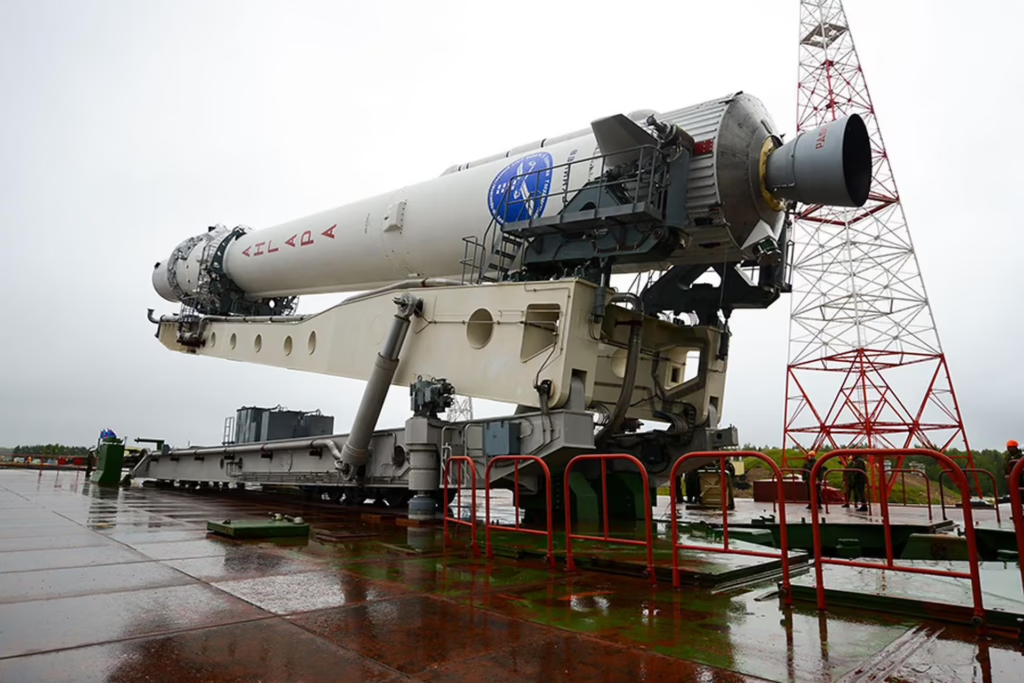
The investigation also examined Kosmos-2553, a separate Russian satellite launched in February 2022, shortly before the full-scale invasion of Ukraine. Moscow describes its mission as scientific research into radiation in space. German security sources told the investigators they suspected it was a test satellite used to study how spacecraft withstand radiation exposure. Its role in the alleged weapons program remains unconfirmed.
A nuclear detonation in orbit could disable satellites used for civilian and military communications around the world. Placing a nuclear weapon in Earth orbit would itself violate the 1967 Outer Space Treaty, even if the weapon were never detonated.
Sign up for our newsletter and get our latest content in your inbox.