


Boom fires up the heart of its Symphony engine for the first time in a step toward supersonic passenger flight

3 min read
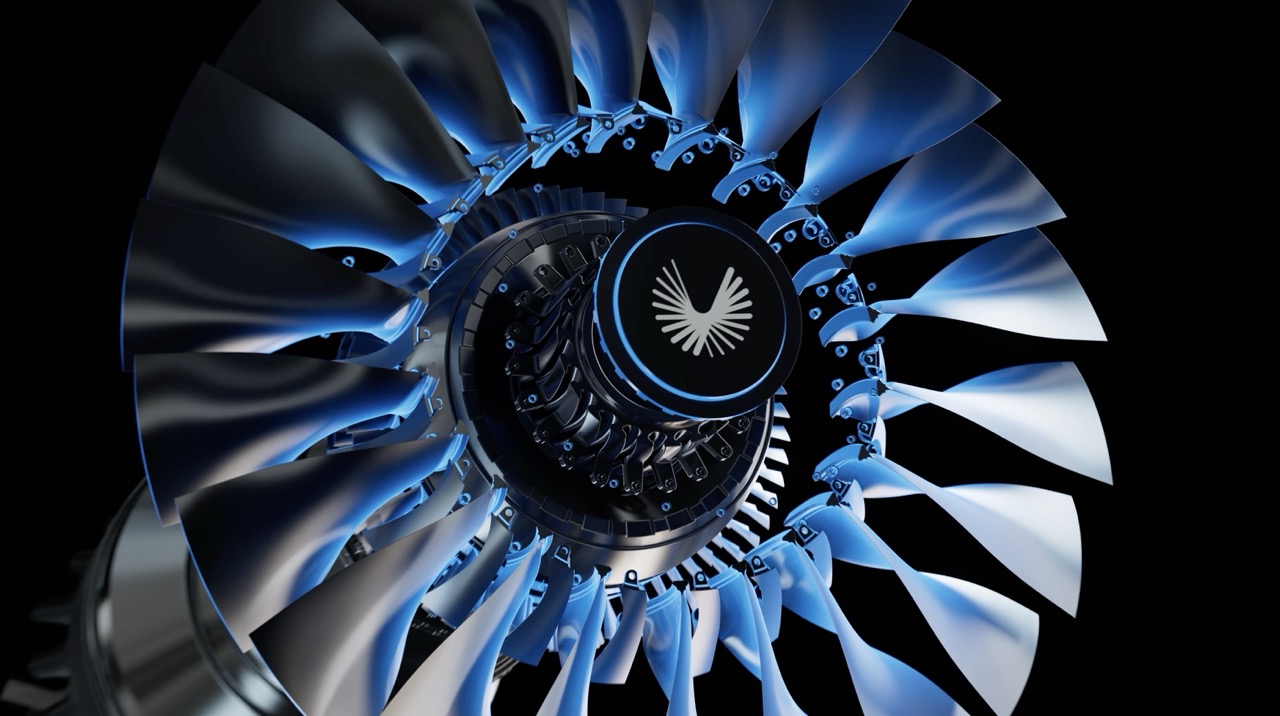

Boom Supersonic ran its prototype engine core for the first time on 21 November, beginning ground tests of the hardware it plans to use in both the Symphony turbofan for its Overture airliner and a gas turbine for data centres.
Founder and chief executive Blake Scholl shared footage of the run on X. The test took place at Boom’s facility at the Colorado Air and Space Port in Watkins, east of Denver, according to Aviation Week, which interviewed Scholl after the run.
Extremely few companies have made both an engine and an airplane. None has made a supersonic airplane and a supersonic engine—until today. Today a new engine company was born. Watch volume up, viewer discretion advised. https://t.co/ckLD9kKPDl
— Blake Scholl 🛫 (@bscholl) November 21, 2026
Boom’s Sprint Core prototype combines the compressor, combustor and high-pressure turbine. The company previously fired a prototype combustor in a separate rig in October 2025.
This time, the three assemblies ran together on a test stand.
What Boom tested in Colorado
Scholl told Aviation Week the core ignited on the second attempt and reached 6,500 rpm. Boom kept the run short to gather data and expects to expand the range of conditions it tests over the following two months.
Boom said in October that the test setup included about 2,000 sensors, counting those on support systems such as fuel and lubrication. The instruments measure pressure, temperature, strain and vibration, gathering data that engineers can check against their design models as they advance beyond the initial run.
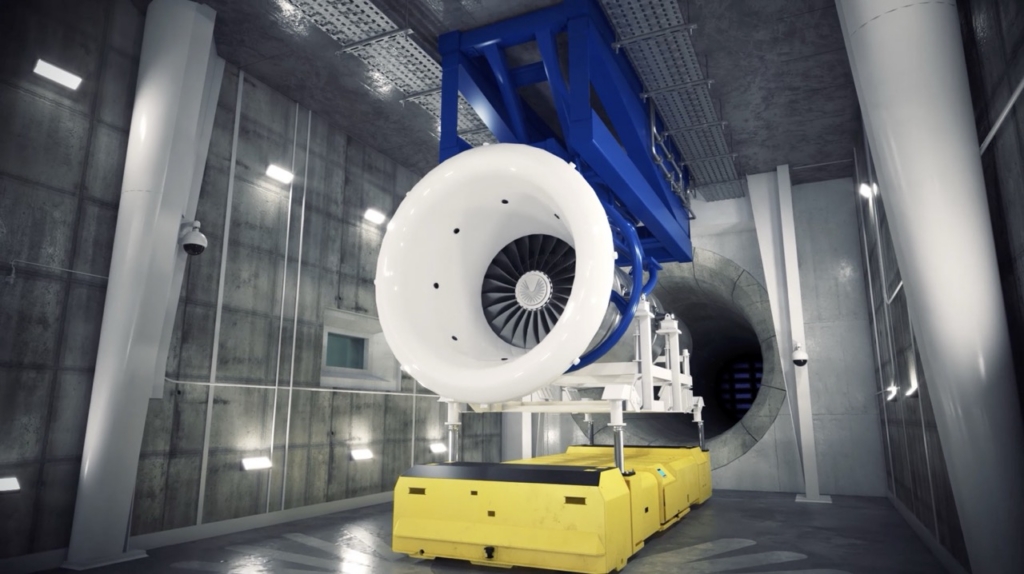
The shared design uses a six-stage high-pressure compressor and a single-stage high-pressure turbine. In both designs, the turbine extracts energy from the hot gas to turn the high-pressure compressor. Symphony will use a fan to move air around the core and generate thrust. Superpower will use a separate power turbine to drive a generator.
Superpower is first in line
The first application for the core is Superpower, a 42 MW natural gas turbine that Boom has pitched as an on-site electricity source for AI data centres. As AGN previously reported, the company announced the industrial turbine in December 2025 alongside a $300 million funding round.
In October, Boom said its factory in Centennial, Colorado, had begun making turbine parts while construction continued. The company targeted its first Superpower deliveries for mid-2027. Scholl told Aviation Week in November that Boom aimed to test a fully integrated Superpower engine around mid-2027.
What the test means for Overture
Symphony is the medium-bypass turbofan Boom is developing for Overture, its proposed Mach 1.7 passenger aircraft. The supersonic aircraft would have a cabin capacity of 60 to 80 seats and a design range of 4,250 nautical miles. The current Symphony design would generate around 40,000 lb of thrust.

Boom’s XB-1 demonstrator first flew supersonic in January 2025, reaching Mach 1.122 over Mojave, California. It flew with three GE J85-15 engines. Symphony will have to progress through its own ground and flight test programmes before it can power Overture.
The Colorado test gave Boom its first data from the assembled engine core running under power. Further tests will show how it performs under different operating conditions. To build the aircraft engine, Boom must also add the fan and low-pressure stages and test the complete Symphony turbofan.
Sign up for our newsletter and get our latest content in your inbox.