

Why is Google buying data from bankrupt Spirit Airlines?

3 min read
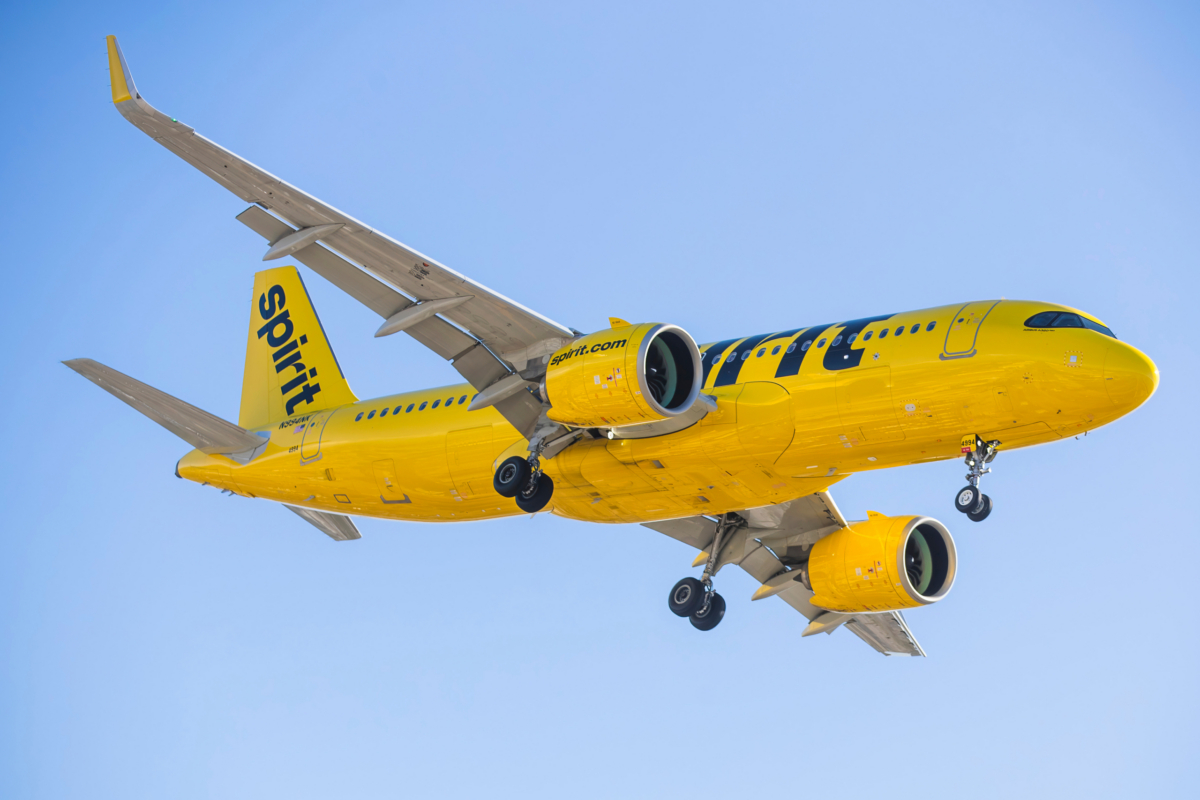

A US bankruptcy judge has approved Google’s $10 million purchase of internal business records from Spirit Airlines. Google says it will use the material for product development and to train artificial intelligence models.
Judge Sean Lane approved the sale on 17 November, Reuters reported, after Google agreed to tighter safeguards for former employees’ data. The sale covers material from emails, spreadsheets and calendars, as well as records relating to marketing, productivity and airline operations.
Spirit ceased flying on 2 May after talks over a government bailout collapsed. The ultra-low-cost carrier had returned to Chapter 11 in August 2025, hoping to recover through a reorganisation that included a substantial fleet reduction.
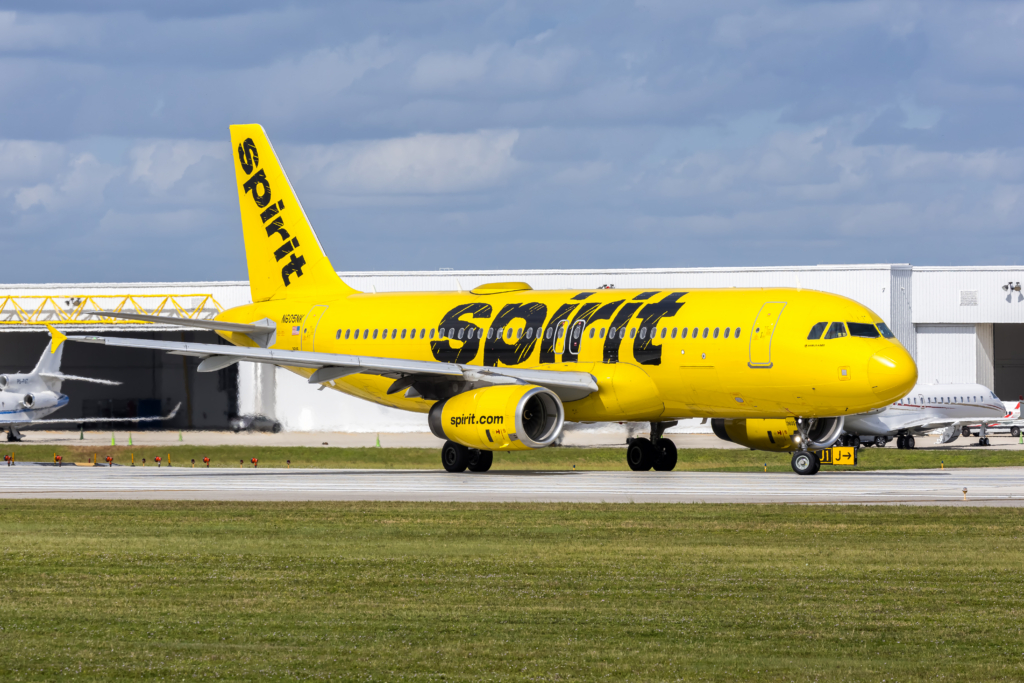
The recovery was unsuccessful and, as Spirit wound down, its bankruptcy estate put the records up for auction. Google won the bidding in August with a $10 million offer. AI company Mercor was named the alternate bidder at $7.5 million, according to a bankruptcy court filing.
What does Google want with airline records?
Google’s plans for the records, reported by Reuters in August, are to use them as examples of how work moves between common business tools. The reporting did not identify which Google products or models would use the material.
An email can provide the context for a decision, a calendar can show when a team discussed it, and a spreadsheet can record the figures behind it. A dataset that keeps those connections intact can provide examples for training an AI model to bring together information scattered across different files, such as when answering a question about a project.
What happens to passenger and employee data?
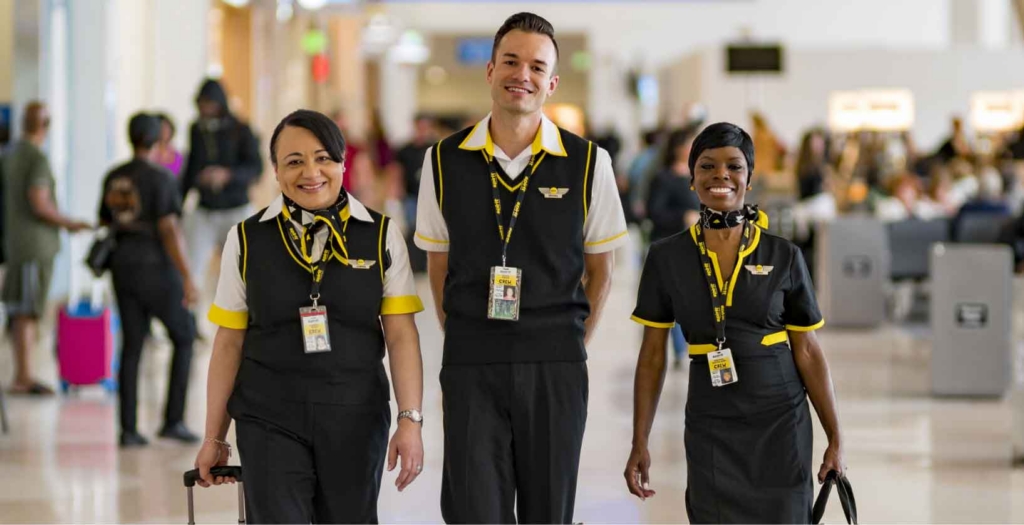
The connections raised privacy concerns. As AGN reported in August, the flight attendants’ union challenged the proposed sale over the range of employee material potentially in scope. In its initial objection, the Association of Flight Attendants-CWA highlighted a provision in the original agreement that called for links between records to be preserved during de-identification.

“Worker data privacy in the age of AI has become a whole new worker’s rights issue,” said Sara Nelson, international president of the Association of Flight Attendants-CWA.
In an October letter, 121 US lawmakers warned that removing direct identifiers such as names and email addresses could still leave clues that allow information to be traced back to individuals.
Reuters reported that the consumer privacy ombudsman recommended approval in October after excluding personal information relating to 97 million Spirit customers from the transaction.
Under the revised terms, the flight attendants’ union said health and medical information, drug and alcohol testing records, disciplinary files, safety programme records and identification documents are excluded.
Data going to Google must undergo de-identification under the ISO/IEC 27559 international standard. An independent agent chosen in consultation with the unions will check the results.
Google must handle the records in a secure environment and keep them confidential. The terms also bar Google from attempting to identify individuals in the dataset, the union said.
In a filing withdrawing objections on the day of the hearing, the union said the withdrawal would take effect once the court entered a written order substantially in the form negotiated with Spirit and Google.
Sign up for our newsletter and get our latest content in your inbox.