

The National Air and Space Museum has been transformed: Here are 7 things not to miss

5 min read
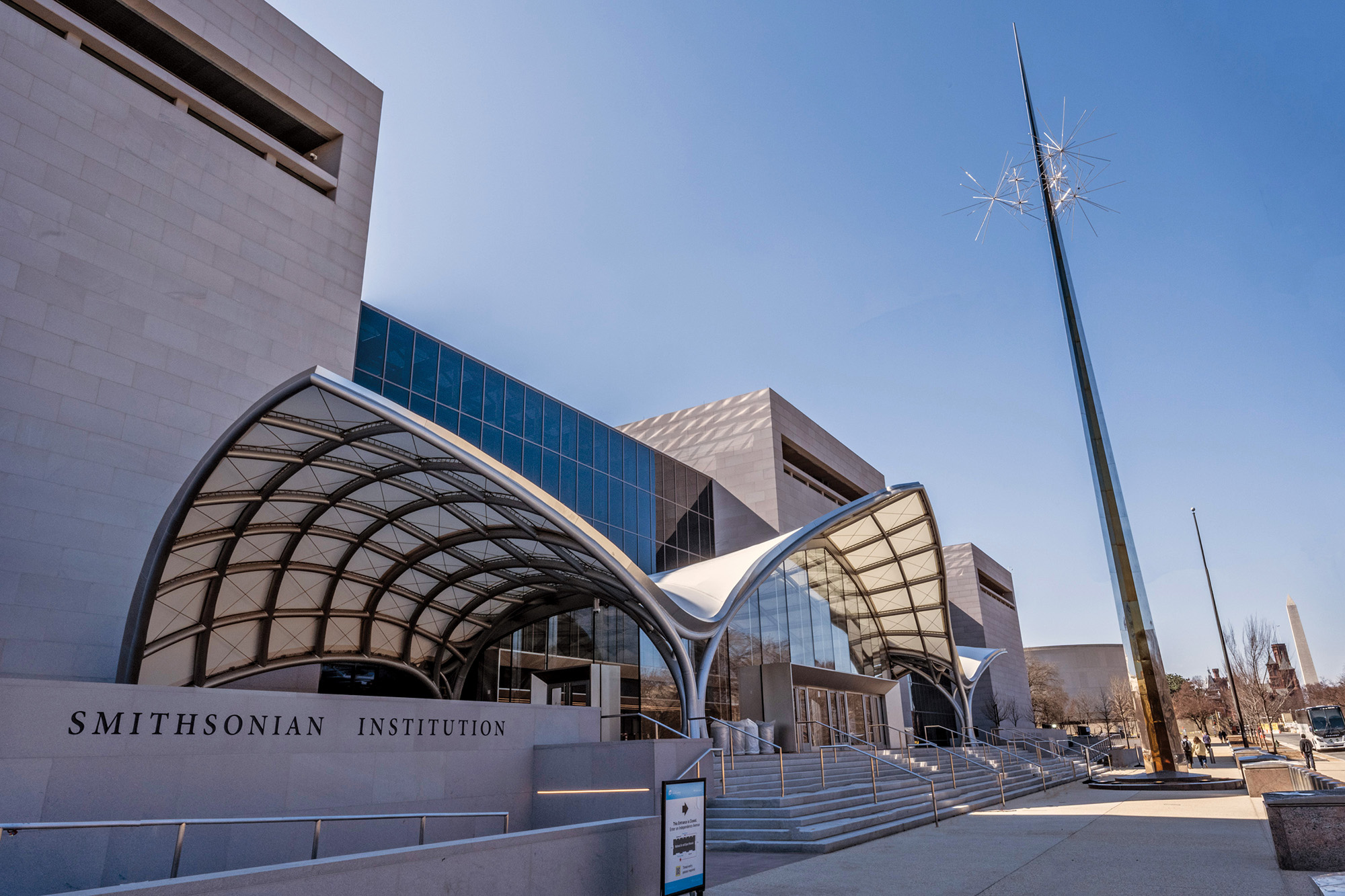

One of Washington D.C.’s most popular attractions has undergone a transformation. After seven years of renovations, the Smithsonian’s National Air and Space Museum has completed its major overhaul, bringing redesigned galleries, fascinating new exhibits and interactive experiences to visitors.
The project, which began in 2018, has reimagined all 20 of the museum’s galleries, modernised its facilities and introduced new ways to explore the history of aviation and space exploration.
With the final two galleries opening in October and November of this year, the museum is now ready to welcome visitors. Here are seven highlights not to miss on your next visit.
1. Discover what it is like to live in space
One of the most exciting new additions is ‘At Home in Space’, which opens up more than 50 years of human spaceflight history.
The immersive exhibition explores how astronauts live and work in space, from everyday activities aboard the International Space Station to the challenges of travelling beyond Earth’s orbit.
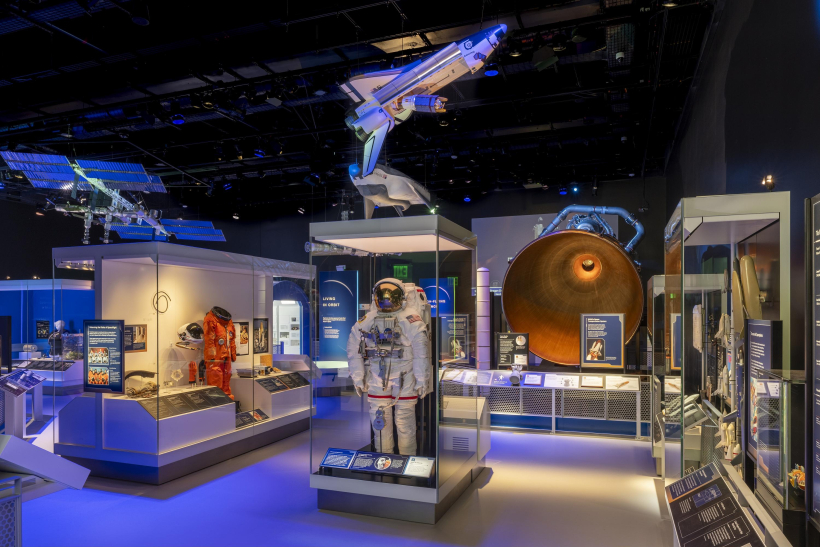
Visitors can step inside a recreation of the station’s Destiny module, the US national laboratory in space. Among the fascinating objects on display are a space shuttle main engine, an astronaut spacesuit that has travelled into space, and Robonaut 1A, an experimental humanoid robot.
Visitors can also discover how astronauts carry out everyday tasks in microgravity, including drinking coffee and conducting scientific experiments.
2. Explore the evolution of modern military aviation
Opened on Veterans Day (November 11, 2026), the ‘Modern Military Aviation’ exhibit examines how aircraft technology has transformed warfare and international relations since the Second World War.
The exhibition explores the impact of the Cold War, nuclear weapons, missiles and automation, while also highlighting the people behind these technological developments.
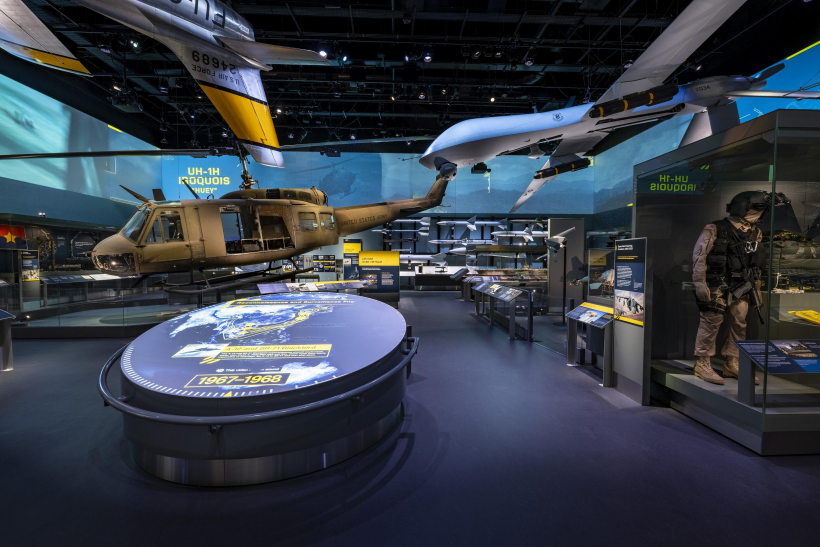
Among the aircraft on display are the North American F-86 Sabre, the Bell UH-1H Huey helicopter and the General Atomics MQ-1L Predator.
According to The Smithsonian, the display “it offers a fascinating insight into how military aviation has evolved and influenced the modern world.”
3. Get hands-on with the science of flight
The redesigned TEXTRON How Things Fly gallery is particularly appealing for families and younger visitors. Featuring almost 50 interactive experiences, the exhibition explores the scientific principles that allow aircraft to fly, including lift, weight, thrust and drag.
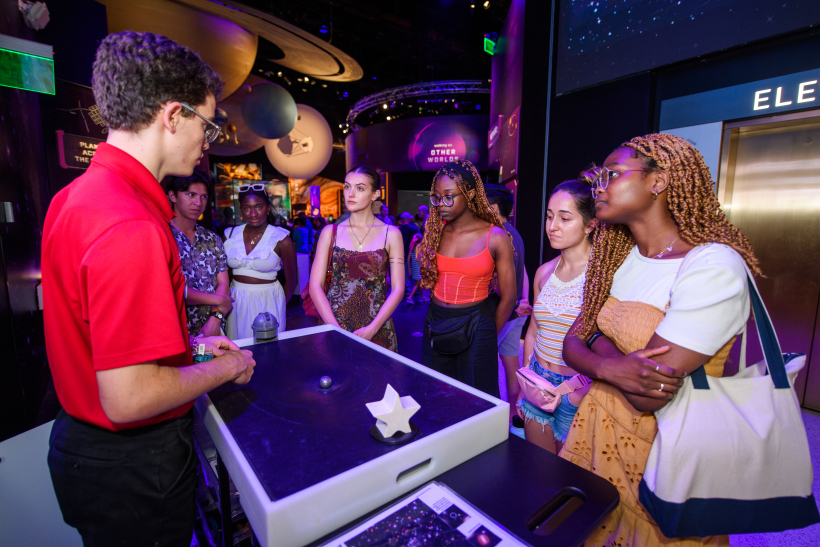
Visitors can discover how these forces work through practical activities and fascinating displays. One of the highlights is a Cessna Skyhawk aircraft that children can actually sit inside. The gallery’s aim is to allow younger visitors understand the science behind aviation in an entertaining way.
4. Discover the story of the Second World War in the air
The Jay I. Kislak World War II in the Air gallery explores the crucial role aviation played during the Second World War. Visitors can discover the aircraft, technologies and people that shaped aerial warfare, with significant examples from the museum’s extensive collection.
Among the historic aircraft featured across the museum’s renovated displays are the North American P-51D Mustang and the Messerschmitt Bf 109 G-6.
5. Explore the universe and the mysteries of space
The US National Science Foundation Discovering Our Universe gallery takes visitors beyond Earth’s atmosphere to explore astronomy and our understanding of the cosmos. The exhibition showcases the discoveries and technologies that have helped scientists investigate distant galaxies, stars and planets.
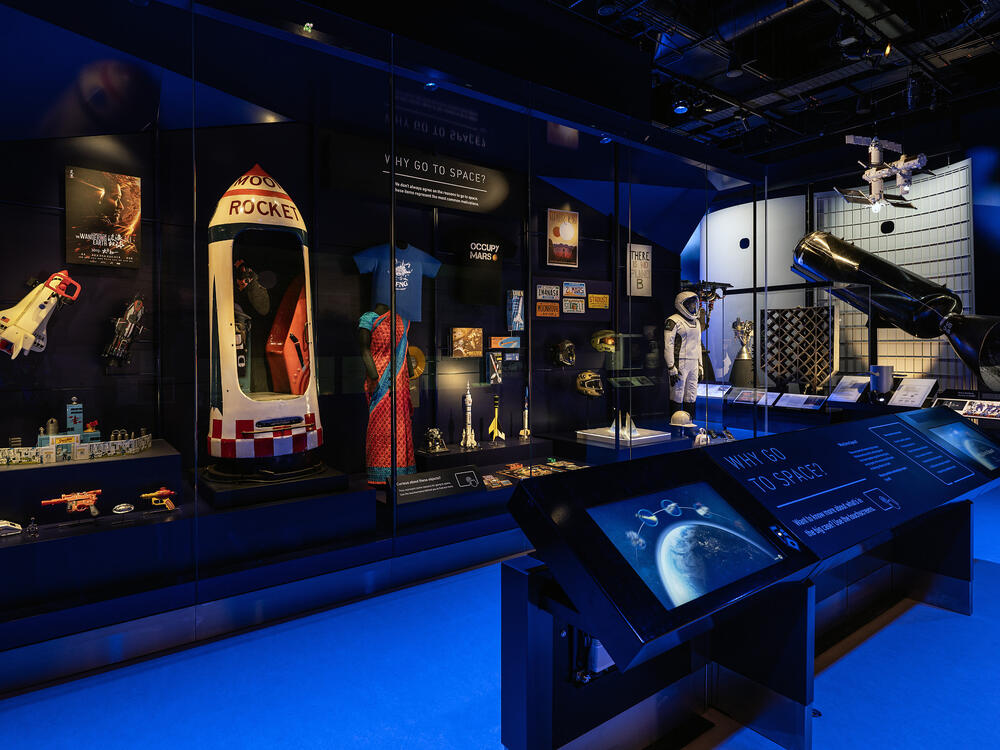
Visitors can also see historic scientific equipment, including the DTM Image Tube Spectrograph used by astronomer Vera Rubin, whose research provided the first evidence of dark matter. It is an opportunity to discover how much we have learned about the universe and how many mysteries remain.
6. See how space technology has changed everyday life
The RTX Living in the Space Age gallery explores the influence of space exploration on everyday life. From scientific breakthroughs to technologies that have found applications on Earth, the exhibition demonstrates how developments in aerospace research have helped shape the modern world.
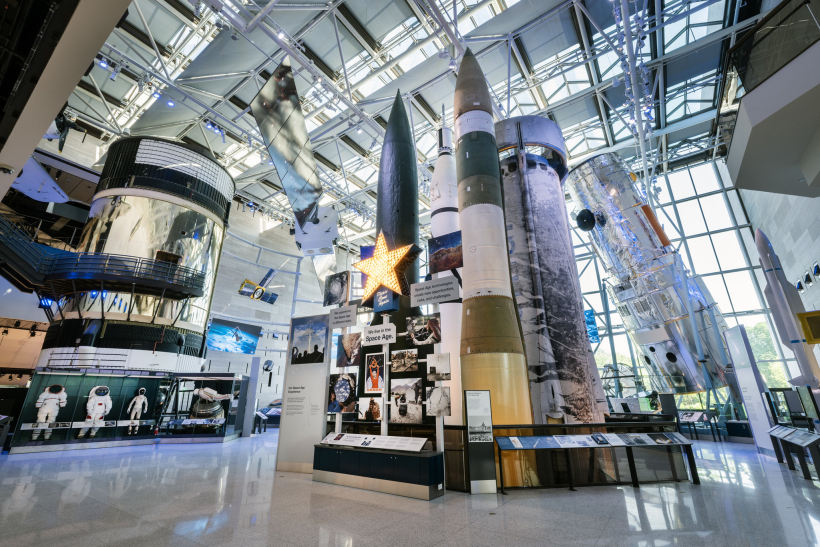
Highlights elsewhere in the renovated galleries include the Hubble Space Telescope, Skylab and the Blue Origin New Shepard rocket. Together, these exhibits demonstrate how space exploration continues to influence science, technology and society.
7. Discover the relationship between flight and art
The new Flight and the Arts Centre explores aviation from a different perspective, examining how the experience of flight has inspired artists and creative thinkers.
Its inaugural exhibitions include The Ascent of Rauschenberg: Reinventing the Art of Flight, celebrating the work of American artist Robert Rauschenberg, alongside The Art of Air and Space: Interpretations of Flight.
According to the Museum, the gallery “is a reminder that the history of aviation isn’t just about engineering and scientific achievement, but also about imagination, creativity and the human desire to explore.”
A completely transformed museum
The renovation has been about much more than updating individual exhibitions. The project has included completely redesigning all 20 galleries, replacing the building’s exterior cladding, upgrading outdated mechanical systems and carrying out extensive improvements throughout the museum.
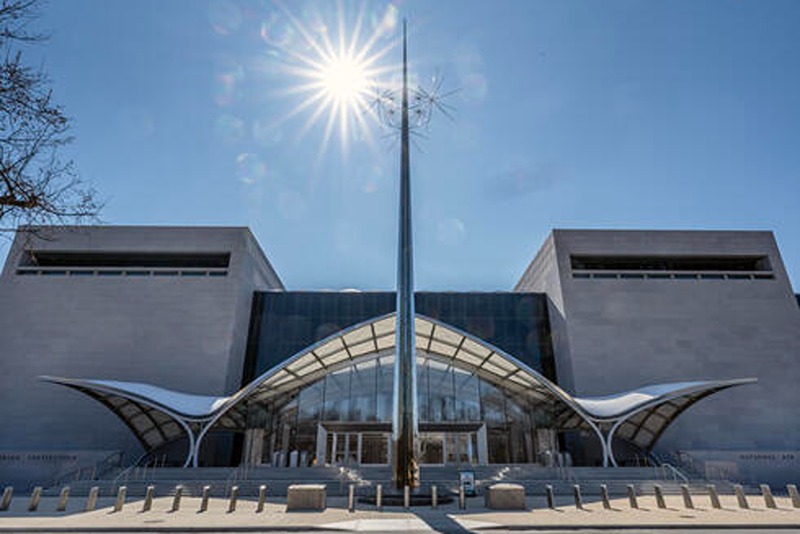
The transformation took place in several phases. The first renovated galleries opened in October 2022, followed by another five in July 2025. Five further galleries opened on July 1, 2026, with the final two completing the project in October and November.
The museum has also introduced new visitor facilities, including the Northrop Grumman Planetarium, an updated entrance, the redesigned museum shop and Mars Café. The Lockheed Martin IMAX Theatre has also been renovated.
Planning a visit
Located at 650 Jefferson Drive SW on Washington, D.C.’s National Mall, the National Air and Space Museum is open daily from 10am to 5.30pm, except on Christmas Day. Admission is free, although timed-entry passes are required. Visitors can reserve their passes through the Smithsonian’s official website.
There is also a second museum location, the Steven F. Udvar-Hazy Centre in Chantilly, Virginia, near Washington Dulles International Airport. This enormous hangar-style exhibition space houses additional aviation and spaceflight icons, including the Space Shuttle Discovery, the Concorde and the SR-71 Blackbird.
With its newly transformed galleries, fascinating historic aircraft and interactive experiences, the National Air and Space Museum now offers anyone with an interest in aviation and space more reasons to visit.
Sign up for our newsletter and get our latest content in your inbox.