


NTSB finds Learjet 60 wreckage miles from site of fatal Florida crash

3 min read
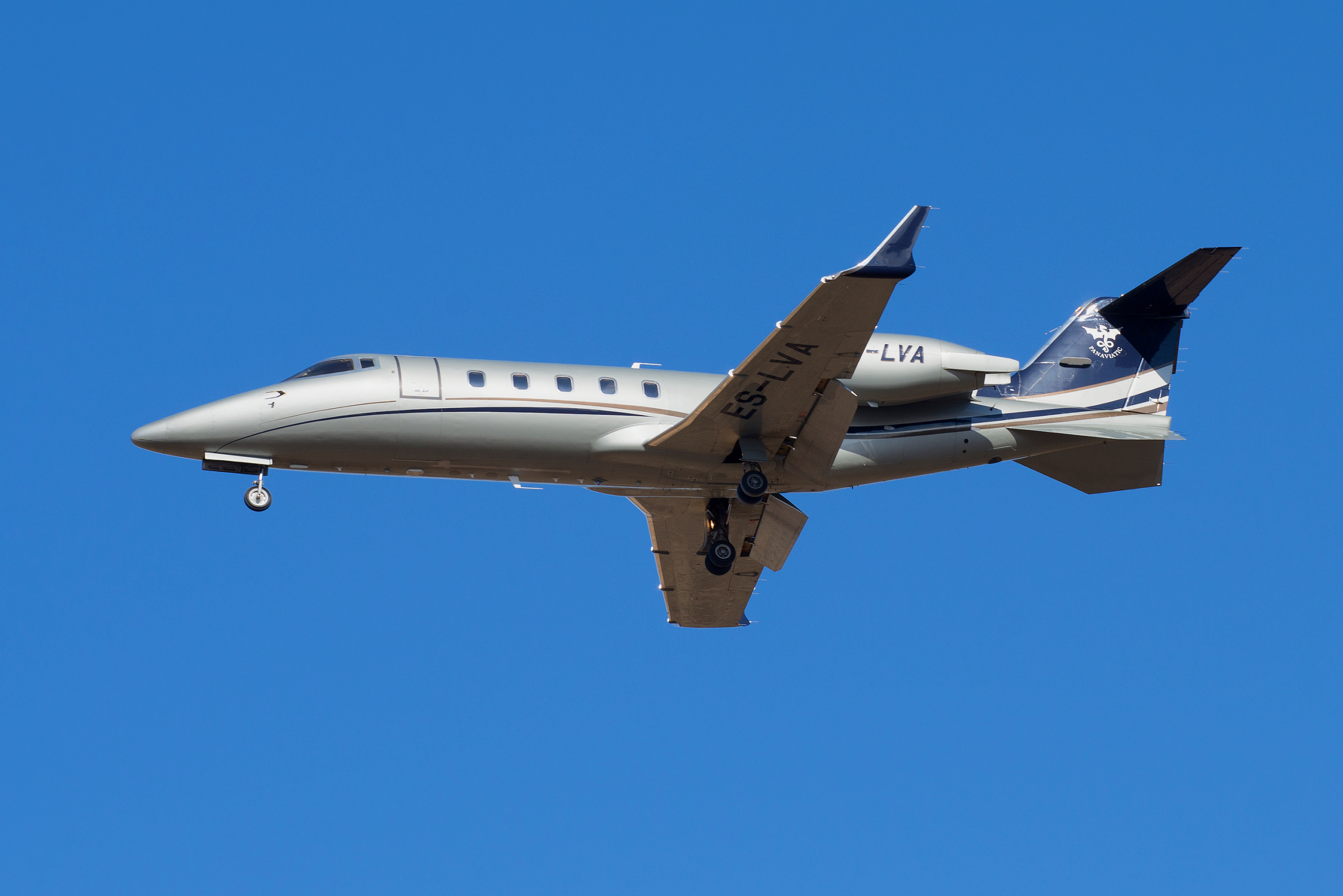
Investigators have recovered parts of a Learjet 60‘s tail up to 3.8 miles from the site of Sunday’s fatal crash in Florida, confirming that sections of the aircraft separated before impact.
The Learjet 60, operated by Aurora Aviation under the Upper Jets name, crashed in Palm Beach County on Sunday, November 1, killing all nine people aboard.
The US National Transportation Safety Board (NTSB) disclosed the discovery during its 3 November press briefing as investigators continued examining the aircraft’s rapid descent near West Palm Beach.
The aircraft departed Austin-Bergstrom International Airport in Texas at approximately 10:37 am Eastern Time, bound for North Eleuthera in the Bahamas.
Investigators recovered most of the aircraft’s left elevator, a movable control surface on the horizontal tail that controls pitch, in three pieces between 1.3 and 3.8 miles from the main crash site.
“Certainly it tells us that at least some components, some pieces of the aircraft, important pieces of the aircraft, separated before the impact,” NTSB board member Tom Chapman said. “What that means exactly in terms of what caused the aircraft to lose control, or whether the loss of this piece was a result of the forces on the aircraft, we don’t know yet.”
He described the discovery as a “very significant bit of evidence.”
Investigators confirm tail components separated in flight
Asked whether the elevator could have broken away when the aircraft struck the ground, Chapman said, “The distance from the site indicates that it separated before impact.”
“It seems implausible that it would have been a result of the impact. It would have separated before the impact.”
Investigators are examining whether losing the elevator contributed to the aircraft’s loss of control or whether forces acting on the aircraft during its descent caused the component to break away.
“Those are the two likely possibilities that we’ll want to examine,” Chapman said.
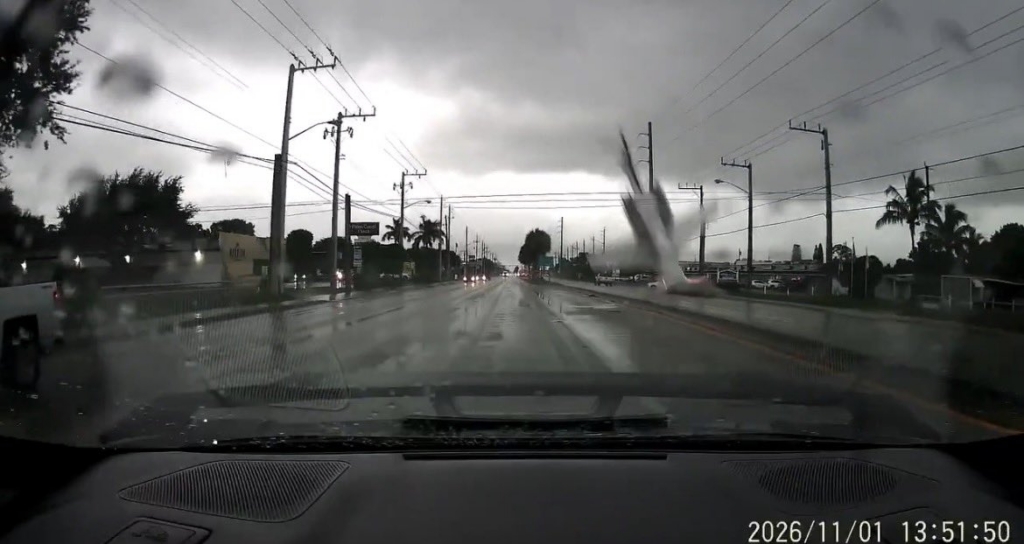
The NTSB has not determined when the elevator separated or whether the aircraft was already descending uncontrollably when it happened.
Asked whether excessive descent speed could have caused the aircraft to break apart, Chapman said: “That is certainly one possibility.”
He cautioned that the elevator might not have remained effective at the aircraft’s speed, even if it had remained attached.
Learjet crew reported turbulence, icing and overspeed
According to the NTSB’s first briefing, the crew reported moderate turbulence and manageable icing while flying at 35,000ft. The pilots requested permission to climb to 37,000ft after encountering precipitation. Less than 30 seconds after receiving clearance, the crew reported a descent, followed by a mayday call.
The crew then reported the aircraft was overspeed and descending. Later communications indicated a rapid loss of altitude. The aircraft crashed at approximately 12:51 pm.
The NTSB has not established whether the reported icing, turbulence or overspeed caused the loss of control.
“Weather is certainly a key focus of the investigation,” Chapman said.
Weather remains a focus of the investigation
Asked whether investigators had examined the aircraft’s maintenance history, including the condition of its weather radar, Chapman said that work was ongoing and there was insufficient information to draw any conclusions.
Investigators are also examining crew qualifications, aircraft maintenance records and operational information.
The NTSB has received dashcam footage and multiple eyewitness accounts that could help establish the aircraft’s condition during its final moments.
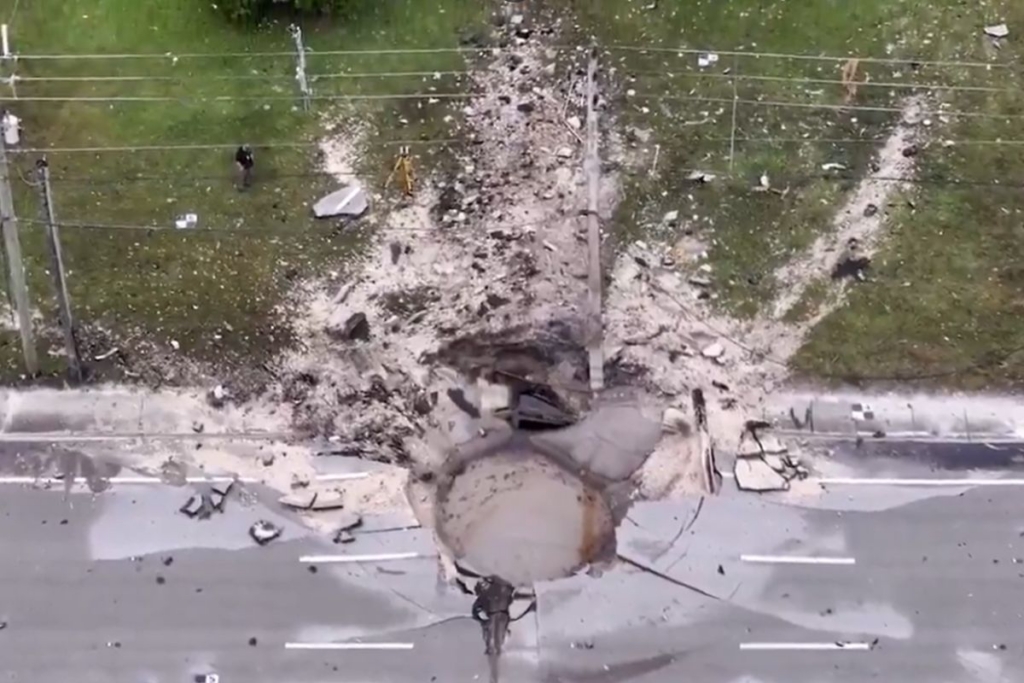
The NTSB say they expect to start investigating the crash crater today. Chapman told the press conference an unstable utility pole had been removed and added, “NTSB is working with local public works teams to begin water removal from the impact crater so our investigation in and around the crater can begin. We believe that will begin tomorrow [Wednesday] in terms of being able to access the crater.”
The investigation is still in its early stages, and the NTSB has not yet identified a probable cause of the tragic accident.
Sign up for our newsletter and get our latest content in your inbox.


More from

November 4, 20264 min read


