


What is aircraft overspeed? Understanding the condition reported before the Florida Learjet crash

5 min read
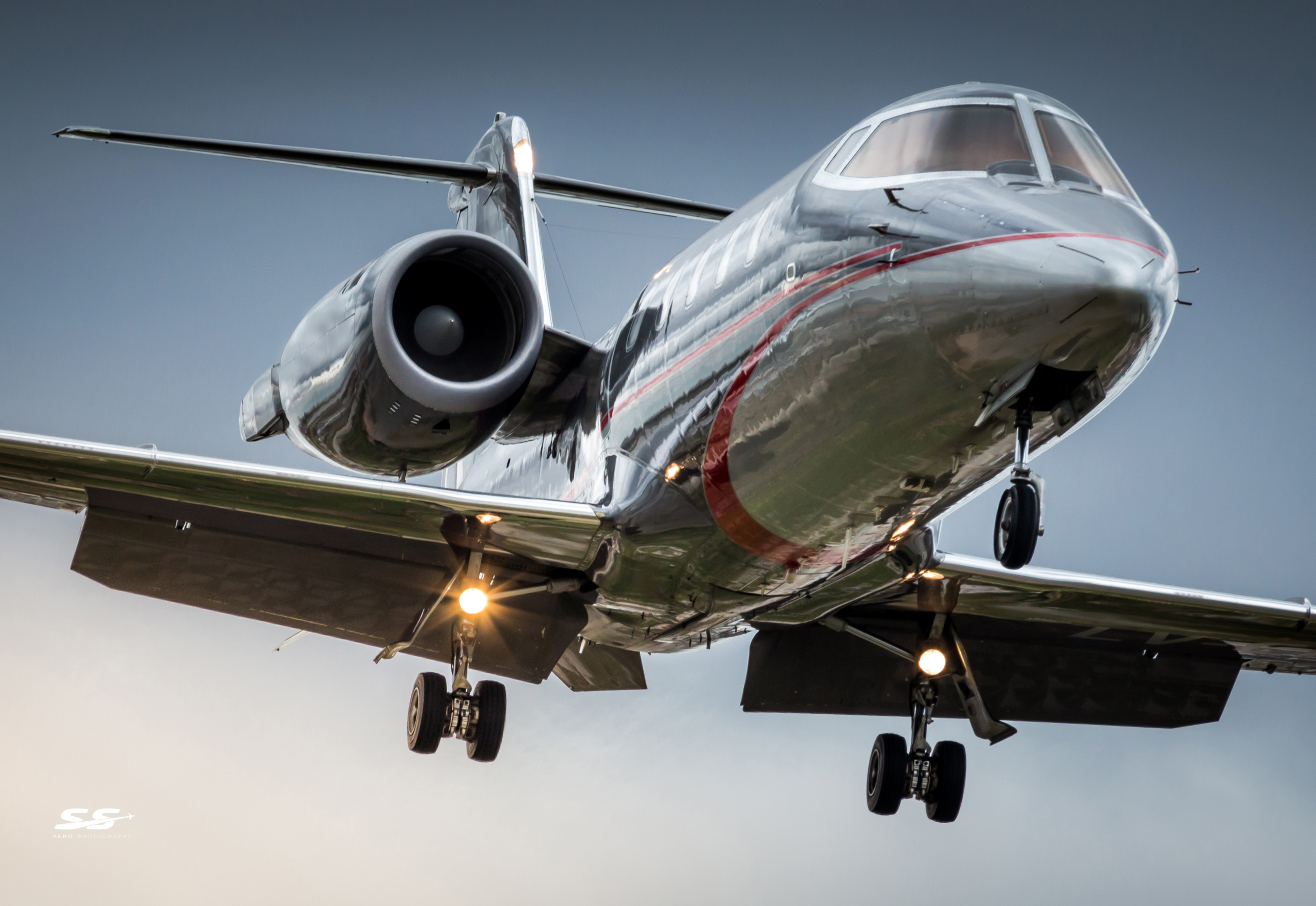
The crew of a Learjet 60 that crashed in Florida on 1 November reported an overspeed condition shortly before the aircraft plunged to the ground, killing all nine people aboard.
During a preliminary briefing on 2 November, the National Transportation Safety Board (NTSB) said the pilots had encountered icing, turbulence and precipitation before the jet entered a rapid descent.
Investigators have also found evidence which suggests the aircraft may have begun breaking apart before impact. However, the NTSB has not determined what caused the crash or whether overspeed contributed to a structural failure.

What is aircraft overspeed and why is it dangerous?
Aircraft overspeed means flying faster than the aircraft’s certified maximum speed.
Aircraft have two main speed limits:
- VMO: maximum indicated airspeed (at lower altitude) to protect the airframe from too much aerodynamic stress.
- MMO: maximum Mach number (factor of the speed of sound) to avoid problematic airflow changes.
Overspeed is dangerous because higher speeds increase aerodynamic forces on the wings, tail, and control surfaces.
At lower altitudes, aircraft usually reach their VMO limit first. But the air is thinner at higher altitudes, so aircraft can reach their MMO limit before reaching VMO. Pilots must stay below whichever limit is reached first.
When an aircraft passes its speed limit, the cockpit may warn pilots with sounds and lights. An overspeed warning doesn’t always mean the aircraft will break apart. Planes are built to withstand stresses beyond certified limits, but going too far past those limits increases the risk of airframe damage and loss of control.
As an aircraft accelerates, the aerodynamic forces acting on its wings, tail and control surfaces increase. At a given air density, doubling the aircraft’s true airspeed produces four times the dynamic pressure, a major factor in aerodynamic loading.
Excessive speed can stress the airframe, especially when the aircraft encounters turbulence or during abrupt manoeuvres.
At high altitude, approaching or exceeding an aircraft’s Mach limit can also produce shock waves that disturb airflow over the wings and affect stability.
Overspeed increases risks of Mach tuck and flutter
The FAA’s Advisory Circular 61-107B on high-altitude flight explains that changes in airflow at high Mach numbers can cause a nose-down pitch, which can impact aircraft control.
This dynamic, known as Mach tuck, can make recovery more difficult as the aircraft accelerates further during the descent.
Another potential hazard is flutter – aerodynamic forces can cause aircraft structures to oscillate. Severe flutter can damage or destroy components.
Although exceeding operating speed limits does not automatically cause these dynamics, it does increase the risk.
What causes an aircraft to overspeed?
Overspeed can happen due to excessive acceleration during descent, turbulence, inappropriate power settings or difficulty controlling the aircraft.
A steep, uncontrolled descent is especially dangerous because the aircraft can accelerate rapidly as it loses altitude, even with reduced engine thrust.
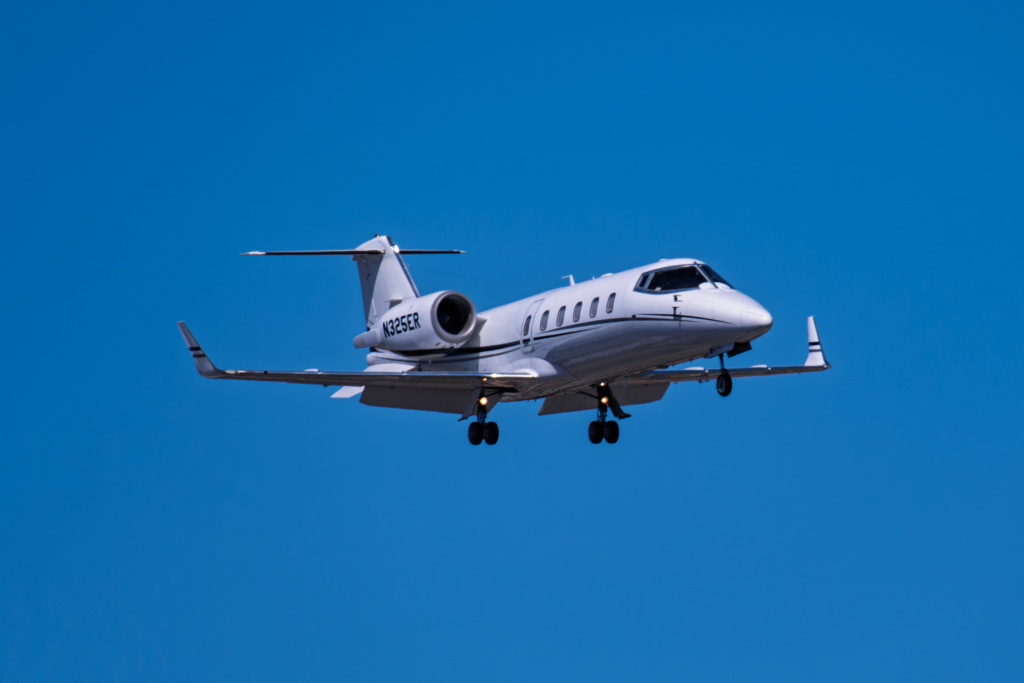
Pilots attempting to recover must manage both airspeed and structural loads. Pulling back too sharply at excessive speed can place additional stress on the aircraft.
Overspeed can also result from an aircraft losing control, even if it is not the initial cause of an emergency.
Can icing and turbulence contribute?
Ice accumulation can reduce lift, increase drag and affect aircraft handling. Ice affecting sensors can also produce unreliable airspeed readings.
Turbulence can cause sudden changes in aircraft attitude, altitude and airspeed, making it harder to maintain a stable flight path.
At high altitude, jets also have a narrower margin between low-speed aerodynamic limitations and high-speed Mach limits.
These conditions can complicate recovery from an aircraft upset, although investigators have not yet established whether icing or turbulence contributed to the Florida crash.
What can pilots do during an overspeed?
Most modern jets have cockpit systems that warn pilots when they exceed operating speed limits. The appropriate response depends on the aircraft’s attitude, altitude and the nature of the emergency.
Pilots generally reduce thrust where appropriate and adjust the aircraft’s attitude to bring its speed back within operating limits. During an uncontrolled descent, however, regaining control of the flight path may take priority. Pilots must avoid abrupt control inputs because they can impose excessive structural loads.
What has the NTSB revealed about the Florida crash?
The Learjet 60 was travelling from Austin, Texas, to North Eleuthera in the Bahamas when the emergency occurred.
According to the NTSB’s preliminary briefing, the aircraft was cruising at 35,000 feet when its crew reported light clear icing, moderate turbulence and altitude deviations of approximately 700 feet.
The pilots later encountered precipitation and requested clearance to climb to 37,000 feet. Less than 30 seconds after receiving clearance, the crew reported that the aircraft was descending and issued a mayday call.

At about 12:48 pm local time, one pilot transmitted: “We are in an overspeed condition. Descending.”
According to NTSB investigators, the crew reported descent rates that increased from about 10,000 to 22,000 feet per minute.
These figures describe its vertical descent rate, not its forward airspeed, and do not establish how far it exceeded its operating limits.
NTSB board member Tom Chapman also said investigators had found evidence of a possible in-flight breakup.
“We do have some evidence that there was some breakup of the aircraft before impact,” he said.
Investigators are examining wreckage, weather conditions, maintenance records and air traffic control communications to reconstruct the aircraft’s final moments.
The NTSB investigation, ERA27MA026, remains ongoing. The agency has not determined what caused the Learjet’s rapid descent or whether overspeed contributed to the apparent structural breakup.


