Honeywell predicts nearly 10,000 new business jets by 2035

4 min read

Honeywell Aerospace has forecast almost 10,000 new business jet deliveries worldwide over the next decade. The company sees growing demand from private owners, charter companies and fractional operators driving global fleet expansion.
The company’s 35th annual Global Business Aviation Outlook, published on 19 October, forecasts 9,950 business jet deliveries between 2026 and 2035, up 4.4% from last year’s projection.
Honeywell also expects 4,200 turboprop deliveries, bringing the total forecast to approximately 14,000 business aircraft.
The global business aviation fleet is projected to grow by 29%, from approximately 39,400 aircraft in 2025 to nearly 51,000 by 2035.
“Over the next decade we’re predicting one of the most robust periods ever for business aviation, as corporations, private individuals, charter customers and fractional shareholders are all creating a surge in demand,” said Linnea Whisler, president of Commercial Original Equipment at Honeywell Aerospace.
“Business aircraft owners and operators are consistently flying more, ordering new business jets, expanding fleets and investing in innovations that are driving growth across the sector.”
Business jet deliveries expected to increase through 2035
Honeywell forecasts annual business aircraft deliveries will rise from approximately 1,280 in 2026 to more than 1,500 by 2035.
The annual value of aircraft deliveries is expected to exceed $37 billion by the end of the forecast period.
Large-cabin business jets will continue to account for the greatest share of aircraft delivery value, although midsize jets are expected to record the strongest fleet growth.
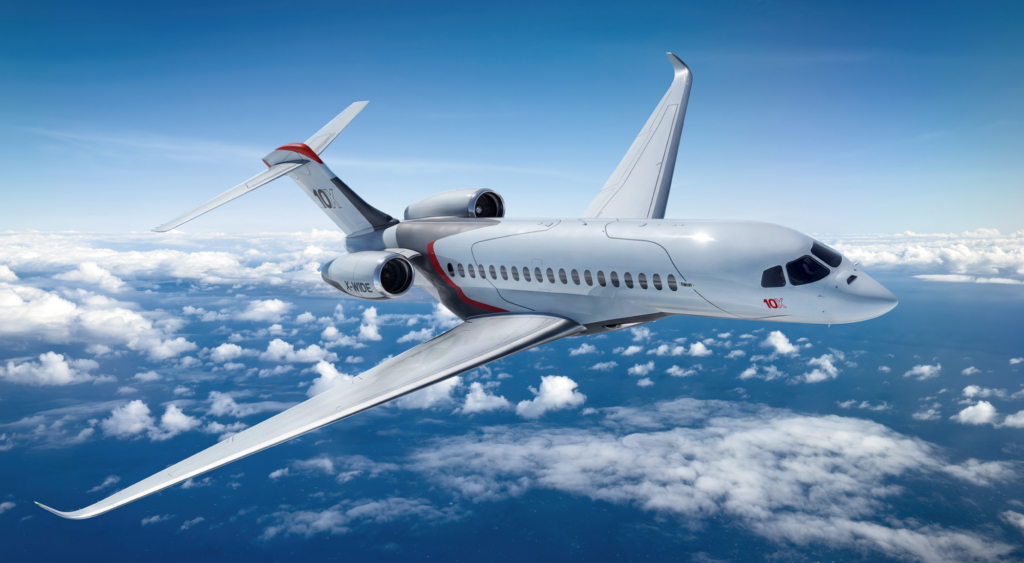
Honeywell predicts the global midsize jet fleet will expand by 40% over the next decade, supported by demand for aircraft offering longer range and lower operating costs than the largest business jets.
By 2035, the company expects the worldwide business aviation fleet to include around:
- 18,000 turboprops
- 15,000 light jets
- 8,200 midsize jets
- 9,700 large-cabin jets
The forecast also sees relatively low aircraft retirement rates.
This year’s outlook includes turboprops and personal jets for the first time. Honeywell says its 4.4% upward revision to the business jet delivery forecast is calculated on a comparable basis with last year’s narrower coverage.
Business aviation flight hours forecast to grow 34%
Honeywell sees global business aviation flight hours increasing by approximately 34% between 2025 and 2035, outpacing the projected 29% fleet growth.
The company attributes much of this difference to the growing use of charter services, managed fleets and fractional ownership, which allow aircraft to operate more frequently than those held exclusively for private use.
Business jet flight hours have already increased by approximately 4% so far in 2026 compared with the equivalent period last year.

Midsize jets have recorded growth of 7%, while large-cabin aircraft flight hours are up 5%.
Honeywell’s operator survey found that nine out of ten respondents expect to fly at least as many hours in 2027 as in 2026. Nearly one-third expect to increase their flying activity.
The findings are based partly on Honeywell’s Buyer Expectations Survey, which collected responses from 306 non-fractional operators representing 1,558 business aircraft worldwide.
North America dominates business aviation market
The US and Canada account for approximately 63% of global business aircraft deliveries and fleet size, according to Honeywell.
The region also generates nearly 68% of worldwide business aviation flight hours and approximately 83% of fractional ownership flight activity.
Nearly one-third of North American operators surveyed plan to expand their fleets within the next five years.
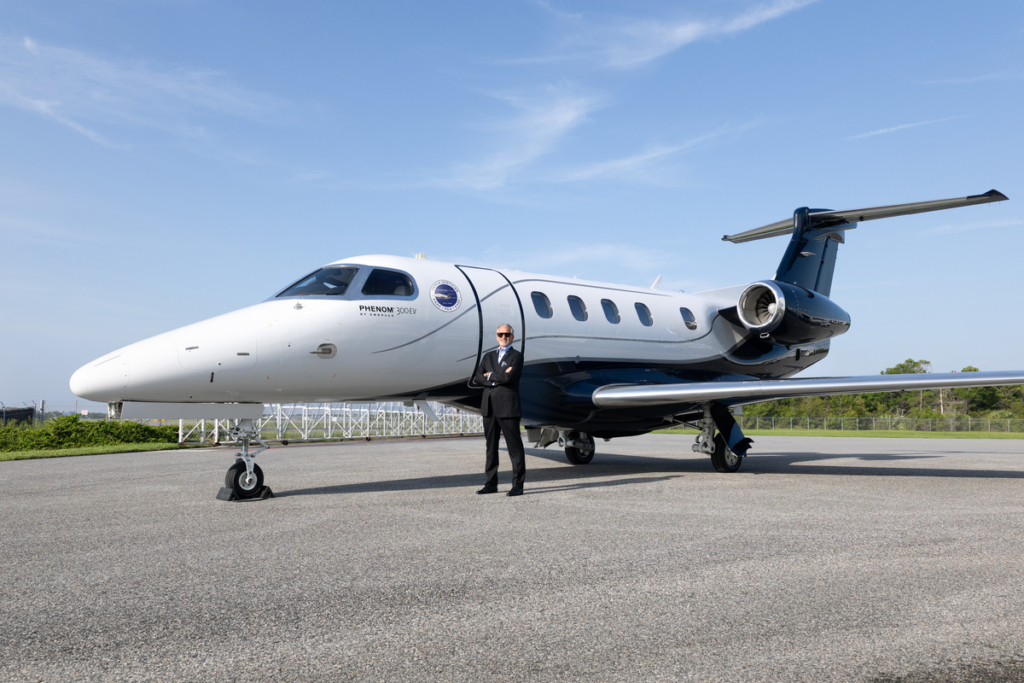
Latin America remains the second-largest regional business aviation market, accounting for approximately 15% of the global fleet and 14% of deliveries. Brazil and Mexico are its principal markets.
Elsewhere, Honeywell identifies continued investment in aviation infrastructure in the Middle East, growing demand in India and selective fleet renewal in China.
European operators place particular importance on cabin functionality and passenger comfort when selecting aircraft, while Latin American buyers give greater weight to acquisition and operating costs.
Aircraft manufacturers and suppliers could benefit from fleet expansion
Honeywell expects the larger business aviation fleet to generate additional demand for maintenance, aircraft upgrades and support services.
Its research found that operators continue to prioritise range, payload, speed and runway performance when choosing new aircraft. Cabin experience, acquisition costs and customer support are also important considerations.
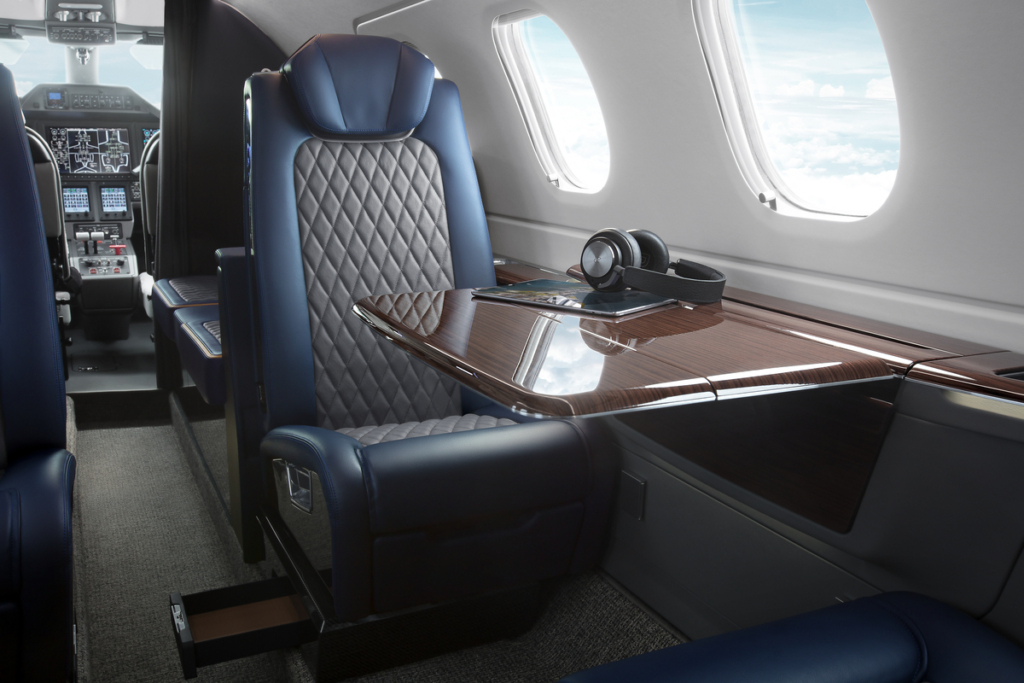
On sustainability, surveyed operators identified fleet modernisation as the most effective way to improve environmental performance. Sustainable aviation fuel remains another area of interest.
Honeywell developed its forecast using aircraft manufacturers’ production plans, market analysis and industry data from Cirium, WingX and Jetnet, alongside its annual operator survey.
The company expects annual business aircraft deliveries to exceed 1,500 by 2035, with the worldwide fleet approaching 51,000 aircraft.
Sign up for our newsletter and get our latest content in your inbox.


More from


October 17, 20264 min read