


Avolon orders 250 Airbus and Boeing aircraft as leasing becomes integral to global aviation

4 min read
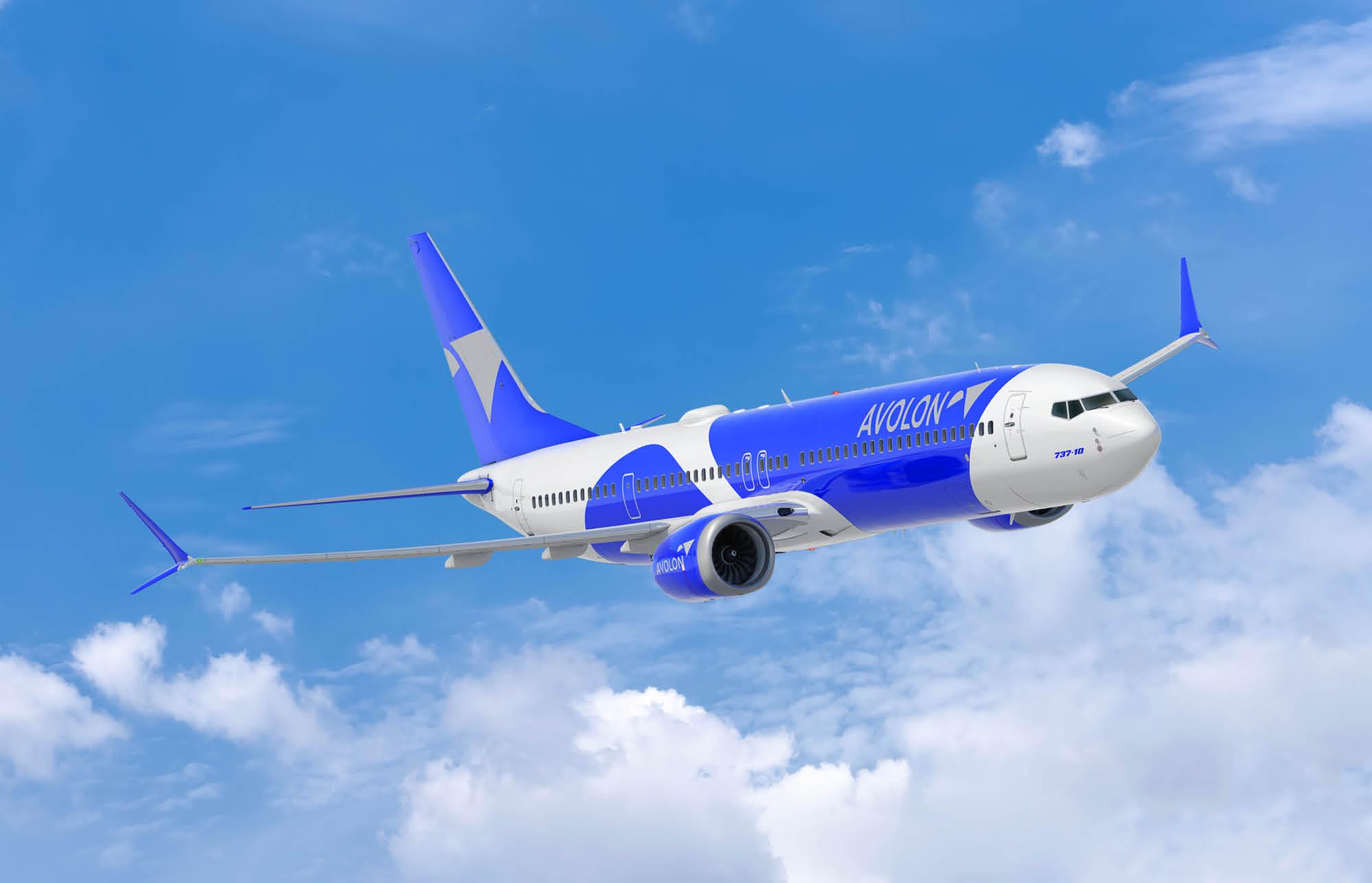
Dublin-based aircraft lessor Avolon has placed firm orders for 250 new aircraft from Airbus and Boeing, strengthening its long-term delivery pipeline as airlines contend with unprecedented manufacturing backlogs, supply chain disruption and growing demand for fuel-efficient aircraft.
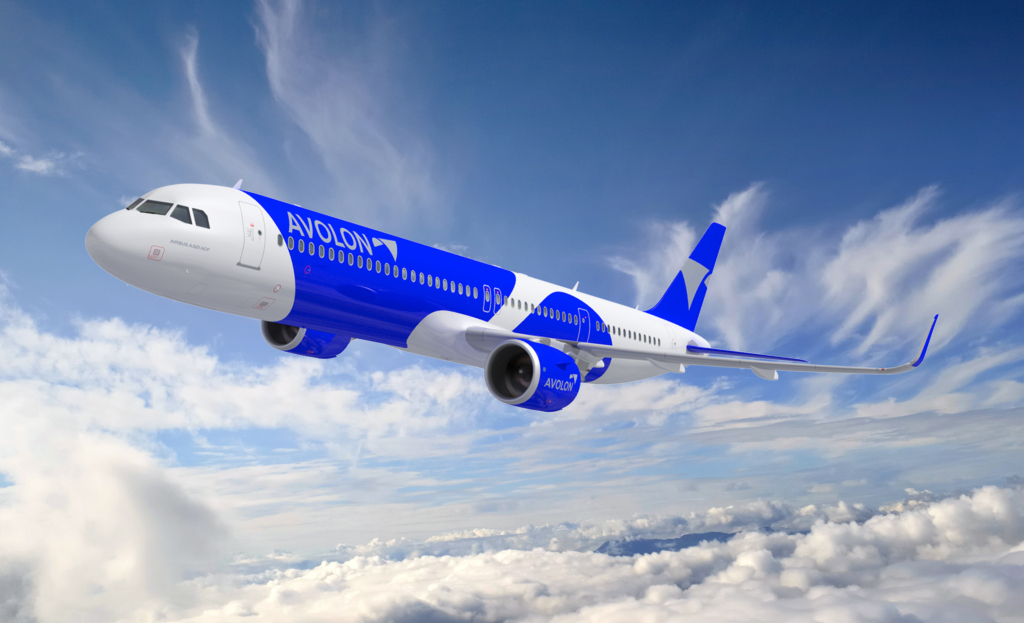
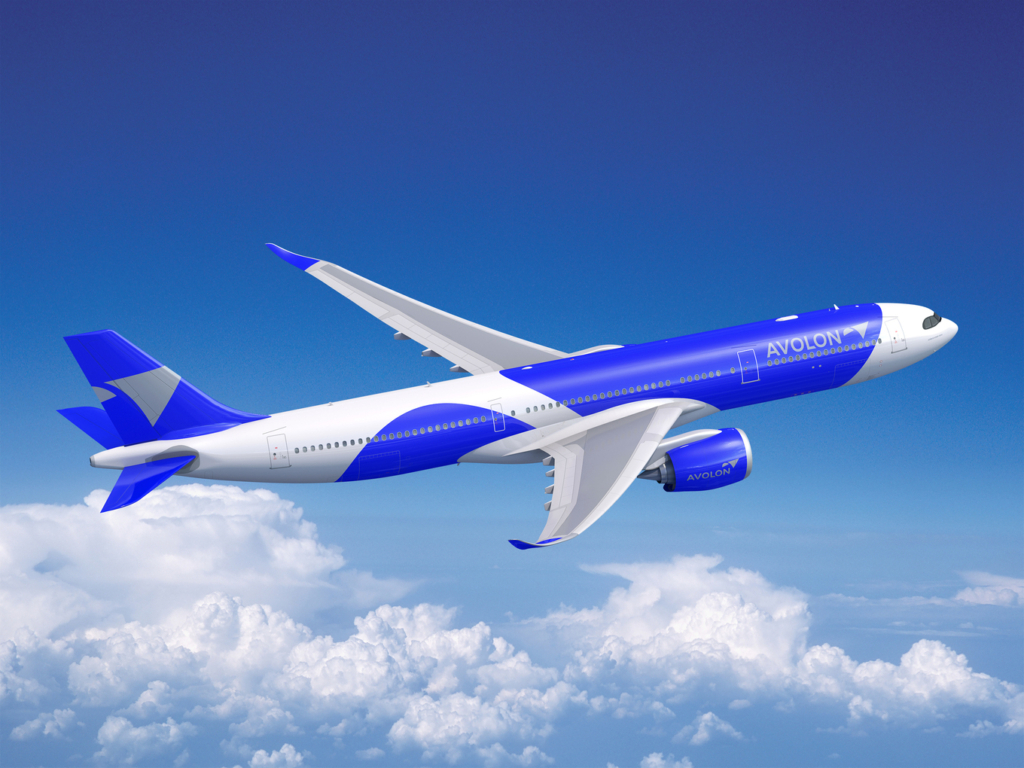
Announced on 9 October, the deal comprises 140 Boeing 737 MAX aircraft and 110 Airbus jets, including 75 A320neo family aircraft and 35 A330neo family aircraft. Avolon has also secured options for 100 additional Airbus aircraft, giving it flexibility to expand its portfolio as airline requirements evolve.
The orders, which remain subject to approval by Avolon’s 70% shareholder, Bohai Leasing, are the largest combined commitment the company has made to the two manufacturers. Once approved, they will take Avolon’s total firm aircraft commitments to 749.
Avolon signs for 250 new Airbus and Boeing aircraft
The agreement marks a significant investment in the next generation of commercial aviation. The single-aisle 737 MAX and A320neo families offer airlines opportunities to improve fuel efficiency and renew short- and medium-haul fleets, while the A330neo provides capacity for longer-distance routes.
Avolon’s third-quarter trading update also highlighted strong commercial activity. During the quarter, the company acquired 10 aircraft and sold 29, with a further 112 aircraft agreed for sale at quarter-end.
It placed 28 new-technology aircraft and ended September with 89% of its committed fleet for the following 24 months placed with customers.
Its owned, managed and committed portfolio stood at 1,092 aircraft at the end of September, rising to a pro forma 1,342 following the new orders. Avolon works with 138 airlines across 62 countries, underlining the international reach of its leasing business.
Andy Cronin, Avolon CEO, said, “These orders further enhance our ability to support the future fleet requirements of our airline customers as they renew and expand their fleets into the most fuel-efficient technology available.”
Aircraft leasing has become the industry norm
Aircraft leasing has evolved from a relatively specialised financing arrangement into a central pillar of commercial aviation.
According to the International Air Transport Association (IATA), leased aircraft accounted for approximately 58% of the global commercial fleet at the end of 2023, up from around 10% in the 1970s. The proportion first crossed 50% in 2004.
The shift has been particularly pronounced in Europe, Asia-Pacific and Latin America, where leasing accounts for close to 70% of aircraft fleets in some regional markets. North America remains more reliant on direct ownership, reflecting airlines’ access to capital markets and alternative financing.
For airlines, leasing offers a way to secure aircraft without committing the substantial upfront capital required to purchase them outright. It can preserve cash for other priorities, provide greater flexibility when adjusting capacity and help carriers introduce newer aircraft without assuming the full long-term ownership risk.
For lessors, meanwhile, aircraft represent globally mobile assets that can be placed with different airlines over their useful lives.
Their ability to purchase directly from manufacturers, arrange sale-and-leaseback transactions and manage aircraft across multiple customers makes them important intermediaries between aviation finance and airline operations. That role has become even more valuable as aircraft availability has tightened.
Supply chain disruption makes leasing more essential
The timing of Avolon’s order is significant. Aircraft manufacturers are struggling to meet demand amid production constraints, engine shortages, component bottlenecks, and certification delays. The result is a prolonged mismatch between the aircraft airlines need and the number manufacturers can deliver.
IATA reported in 2026 that the global aircraft order backlog had surpassed 17,000 aircraft, equivalent to almost 60% of the active fleet. Delivery shortfalls exceed 5,300 aircraft, while the average age of the global fleet has risen to 15.1 years.
IATA estimates that supply chain disruption cost airlines more than $11 billion in 2025.
For airlines placing orders directly with Airbus or Boeing, delivery slots can be years away. IATA notes that a new aircraft order may mean waiting four or five years, with some widebody deliveries taking longer.
Leasing companies help airlines to bridge that gap. They can offer aircraft already in service, arrange sale-and-leaseback deals to release capital tied up in airline fleets, and secure future production slots that can subsequently be placed with airline customers.
Their scale and access to financing also allow them to spread investment across multiple airlines and markets.
Leasing cannot eliminate manufacturing bottlenecks. Lessors depend on the same manufacturers and face the same constraints on new deliveries.
However, their existing fleets, secondary-market activity and long-term order commitments give airlines additional routes to securing capacity.
A long-term bet on fleet renewal
Avolon’s 250-aircraft order reflects the intersection of two powerful trends – the industry’s growing dependence on leased aircraft and the urgent need to replace ageing fleets with more efficient technology.
For the wider industry, the deal reinforces a clear message that until aircraft production and supply chains recover, leasing will remain one of aviation’s most important tools for keeping fleets flying and airlines’ growth plans on track.
Sign up for our newsletter and get our latest content in your inbox.


More from

October 11, 20263 min read






