


Russia turns to aerostats and nets to defend oil refineries from drones

3 min read
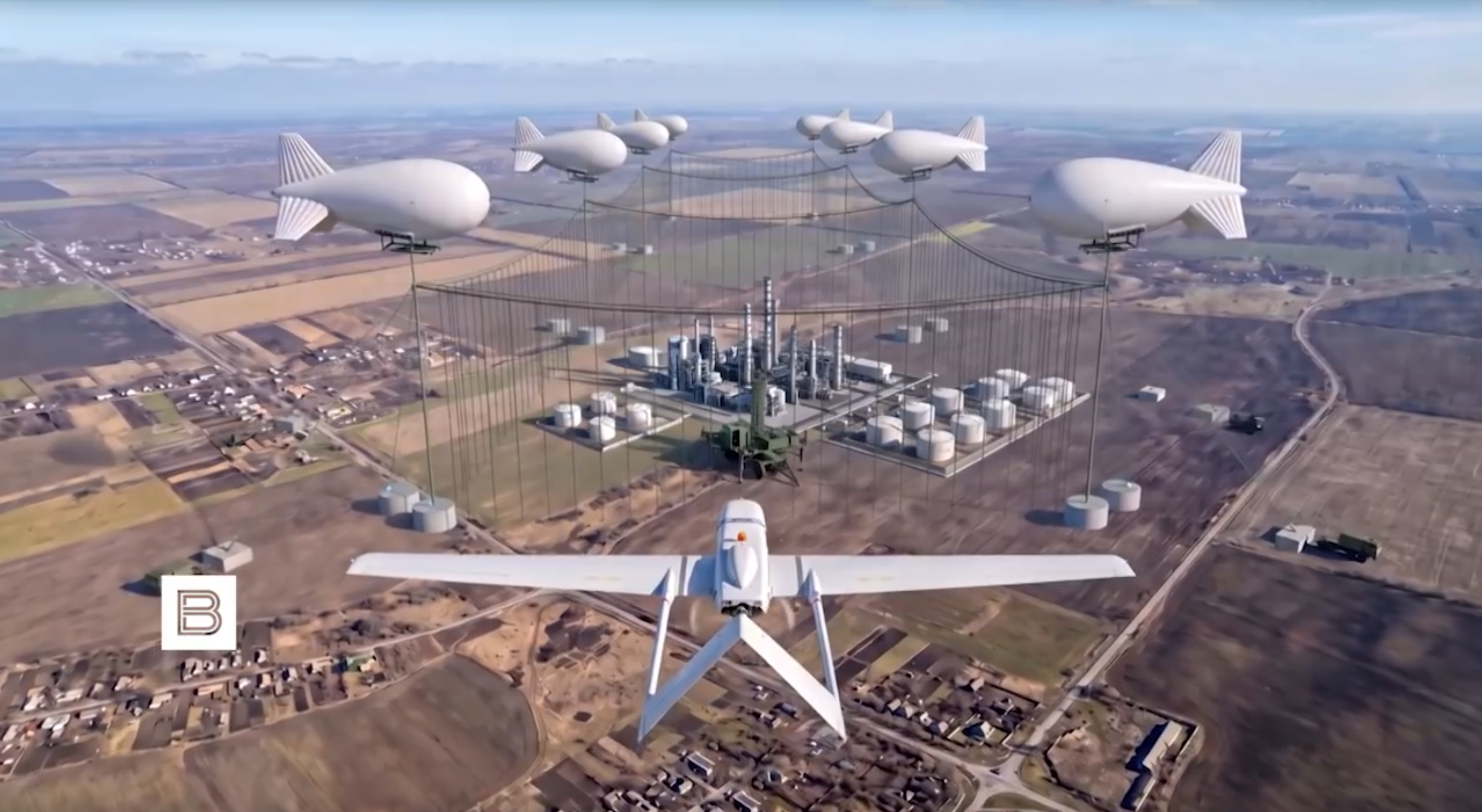
Russia is looking to tethered aerostats to protect its oil refinery infrastructure from Ukrainian drone attacks. This comes as both Ukraine and Russia are developing a range of combat uses for balloons, blimps, and aerostats.
Ukraine and Russia are increasing their abilities to launch long-range strikes against each other. Both are scrambling to find ways to effectively counter attacks.
Russia developing aerostats for war against Ukraine
In war, what is old often becomes new. Russia is now developing aerostats that many may associate with World War I for defence and a range of other roles in its war with Ukraine.
AGN has previously reported how Ukraine is using balloons to extend the range of its drones and to function as a relay.
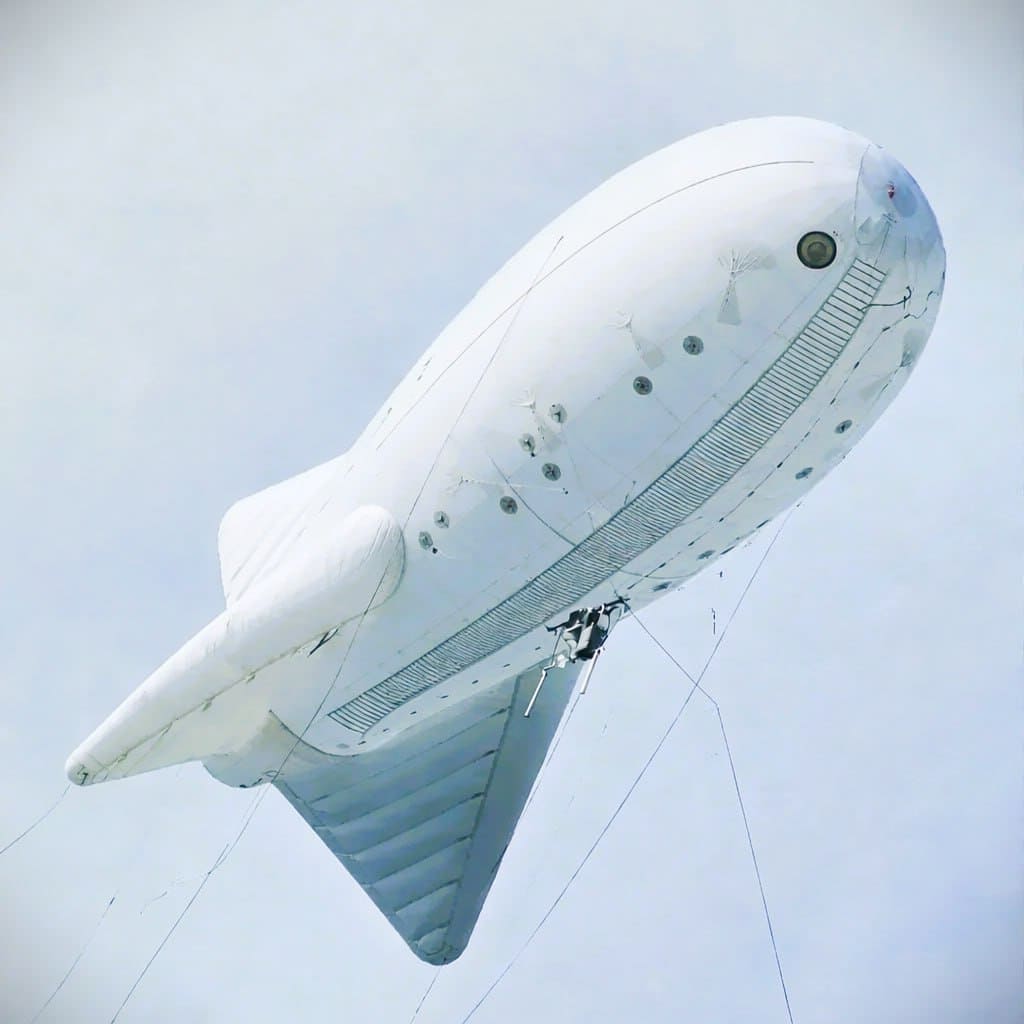
In July 2026, CEO and founder of the Pervy Dirizhabl (First Airship) design bureau Polina Albek told Russia’s state-run news agency, TASS, that “Tethered aerostats are in demand among major Russian customers for counter-UAV combat.”
Albek explained that testing was underway for the aerostats to carry electronic warfare equipment, radar, and other detection systems. At the time, he said the tests were “producing positive results.”
The concept reflects a growing Russian effort to combine physical barriers with electronic warfare and surveillance systems as Ukrainian long-range drone operations continue to target critical military and energy infrastructure.
Plans to use aerostats to protect oil facilities against drones
In April 2026, Albek had told TASS that efforts were underway to use aerostats to create a dome-like defence for facilities against drone attacks.
Reporting on these aerostats dates back to 2025. In October 2025, Militarnyi wrote, “One of Russia’s chemical industry enterprises has announced a tender for the purchase of aerostats to protect its facilities from Ukrainian drone attacks.”
A recently circulated video appears to show a Russian aerostat deploying suspended cables and netting designed to interfere with approaching drones.
The system is reportedly intended for the protection of Russia’s oil refineries from Ukraine’s drone attacks.
👀 Russia has begun producing aerostats to protect oil refineries from drones. Similar aerostats were actively used during World War I. https://t.co/H3h8HQykqX
— MAKS 26 🇺🇦👀 (@Maks_NAFO_FELLA) October 4, 2026
2025 renders by the Russian company Stratospheric Systems show pairs of aerostats holding up netting to protect facilities. The netting resembles a tennis net.
It is unclear how effective these measures will be, especially against higher-end threats.
While net barriers may complicate attacks by low-flying drones, they are unlikely to provide comprehensive protection against faster or more sophisticated strike systems.
Physical protection is one of the best drone defences
Physical netting has proven to be one of the most reliable and effective methods to defend against drone attacks. Near the front, it is common to see roads and streets encased in miles of netting corridors.
Russia has also built various types of netting on its refineries. The UAE has been seen doing something similar after its oil infrastructure came under Iranian attack in 2026.
480 to 1,000 km behind the front line. Three Russian oil facilities hit in one week. A Volgograd refinery fueling the Russian army. A Samara region petrochemical plant making feedstock for explosives. Samara station, Europe’s largest oil tank farm. A just response to terror against our cities. Long-range sanctions in full effect.
— Defense of Ukraine (@DefenceU) October 3, 2026
Perhaps the most eye-catching physical drone protection systems seen during the war are the so-called “turtle tanks.” Many of those tanks sported anti-drone netting, cables, and metal sheeting that made them appear like Mad Max vehicles.
Physical barriers (e.g., large hangars) are also being built by Russia to protect its aircraft on the ground. Over the weekend, satellite imagery appears to confirm that Ukraine destroyed another Russian Su-34 and Su-35 on the ground.
The growing emphasis on physical protection measures, from aircraft shelters to refinery netting and now aerostat-supported barriers, underscores the challenge Ukrainian long-range drones continue to pose far beyond the front line.
Sign up for our newsletter and get our latest content in your inbox.


More from


October 4, 20264 min read


