


Why airlines retire planes that are still airworthy

7 min read
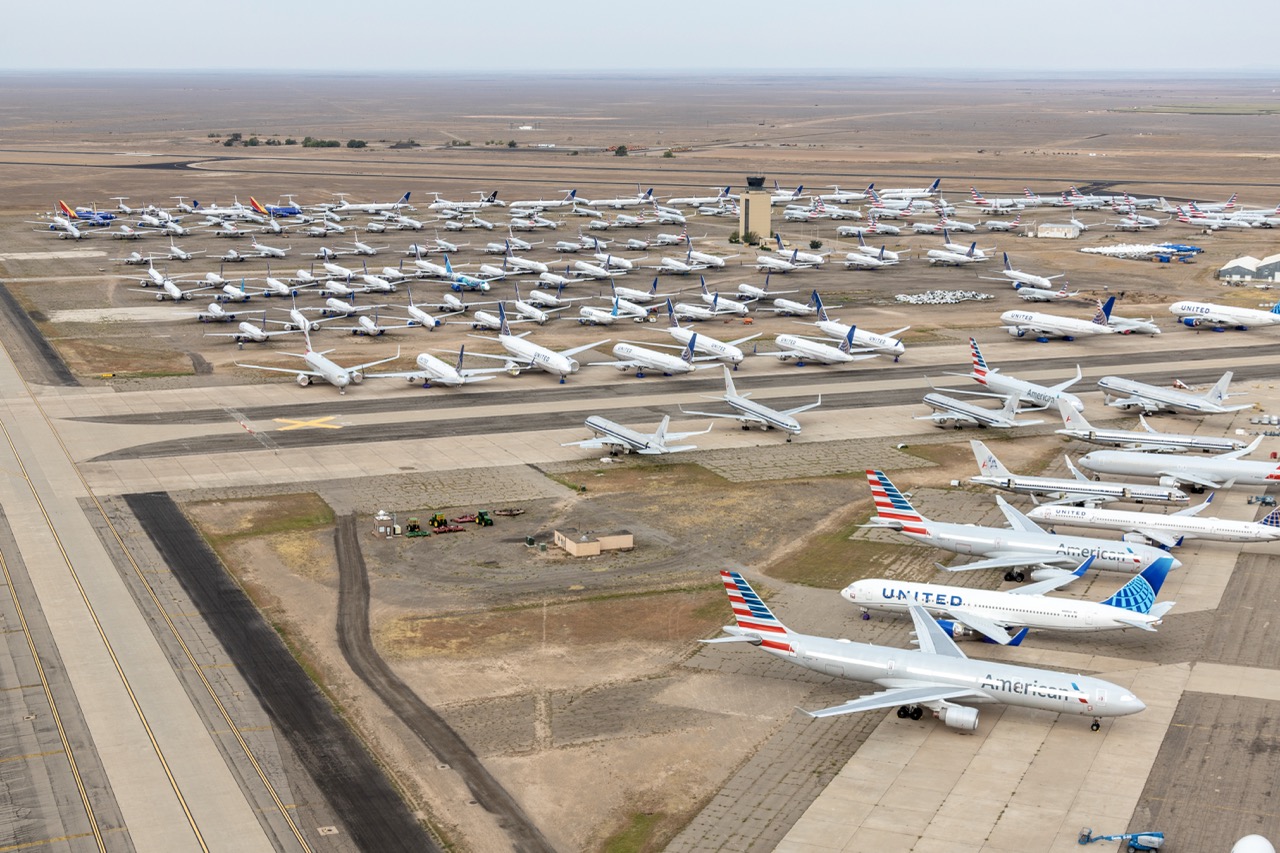
Aircraft can fly safely for decades. So why do airlines sometimes retire them after only 10, 15 or 20 years – and occasionally tear apart aircraft that are almost new?
The answer is rarely that the aircraft has reached the end of its physical life.
Airlines retire aircraft when keeping them in service no longer makes financial or operational sense. Fuel consumption, maintenance costs, fleet strategy, lease terms and even the value of the aircraft’s individual components can determine whether an otherwise perfectly serviceable jet keeps flying.
The unusual market of the 2020s has made that calculation even more complicated. Airlines are keeping some old aircraft flying longer because replacements are scarce. Yet, some younger aircraft are being dismantled because their parts are worth more than the whole.
How long can a commercial aircraft stay in service?
There is no universal age at which an airliner has to be retired. Aircraft maintenance programmes are based on factors including flight hours, flight cycles and scheduled inspections. Components have their own maintenance and replacement requirements.
A well-maintained aircraft can remain airworthy long after another aircraft of the same age has been retired.
The question for an airline is often not “Can this aircraft continue flying?” but “Is it worth spending the money required to keep it flying?”
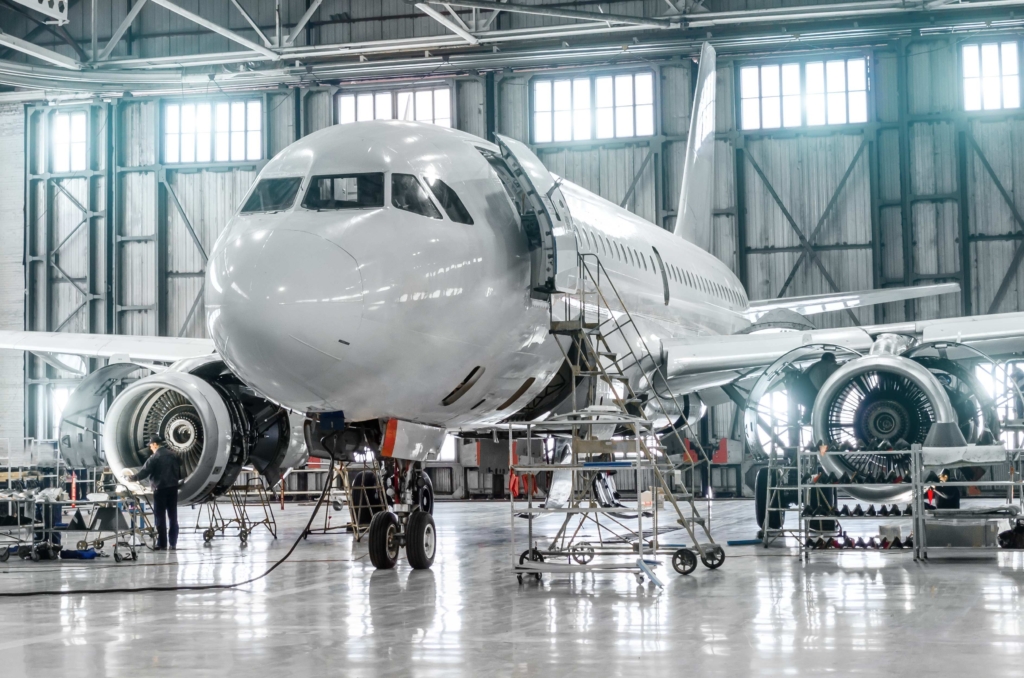
Heavy maintenance can impact that calculation. Engines may need expensive shop visits. Landing gear requires overhaul. Life-limited components need replacing. Cabins may require refurbishment. Avionics or other digital equipment can require upgrades.
At some point, the cost to keep the aircraft flying for a few more years may be greater than the economic benefit of operating the aircraft.
There is no single age at which an aircraft becomes “old.” A 25-year-old jet with favourable maintenance economics can remain valuable, while a much younger aircraft facing expensive maintenance—or containing particularly valuable components—can be worth more retired than flying.
Why fuel efficiency drives aircraft retirement
New generations of aircraft such as the Airbus A320neo and Boeing 737 MAX were designed to consume significantly less fuel than the aircraft they replaced.
New-generation widebodies including the Boeing 787 Dreamliner and Airbus A350 have changed the economics of long-haul flying. When fuel prices are high, those differences become critical.
However, today’s supply-chain problems have temporarily distorted the normal replacement cycle.
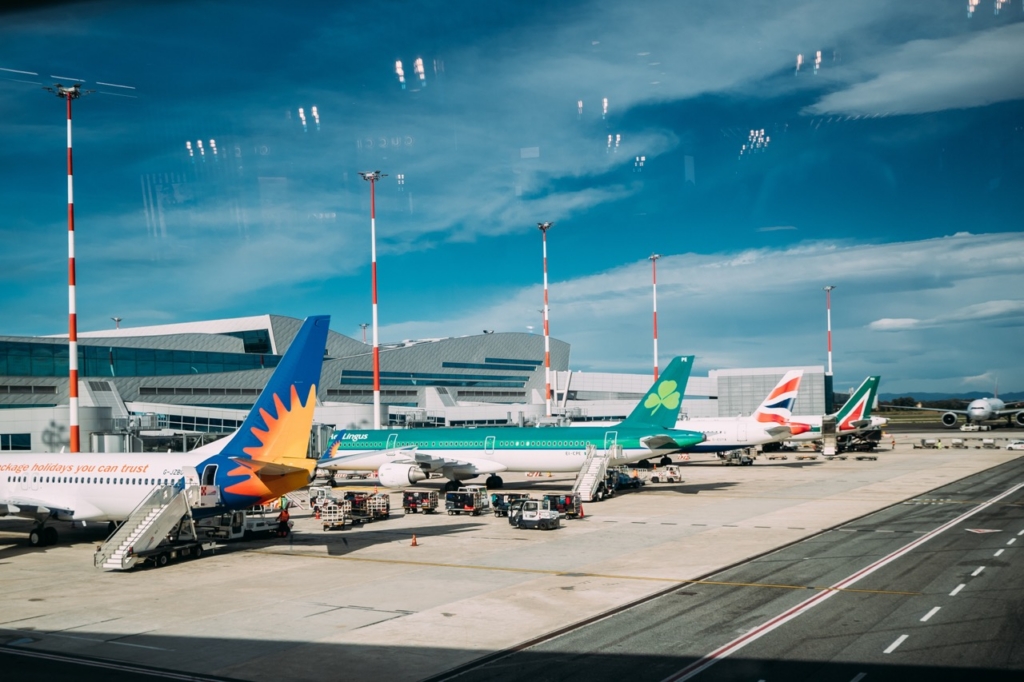
The International Air Transport Association (IATA) says the average global fleet age reached a record 15.2 years in 2026. Airlines are short of more than 5,000 fuel-efficient replacement aircraft they had expected to receive because of manufacturing and supply-chain constraints.
IATA estimated that delayed fleet renewal contributed about $4.2 billion in additional fuel costs in 2025, while keeping older aircraft operating added another $3.1 billion in maintenance costs.
Airlines sometimes know an older aircraft should be replaced but cannot get the new aircraft needed to replace it. Instead, they invest more to keep the aircraft in service until new aircraft come out of the production line.
How maintenance costs influence aircraft retirement
One of the most important moments in an aircraft’s life comes when a major maintenance event approaches.
An aircraft may be perfectly serviceable today but require millions of dollars of work within the next year or two. Its owner must decide whether investing that money will produce a sufficient return.
Engines are particularly important. Engine maintenance is more expensive, while shortages of replacement engines and lengthy overhaul turnaround times have pushed up leasing costs.
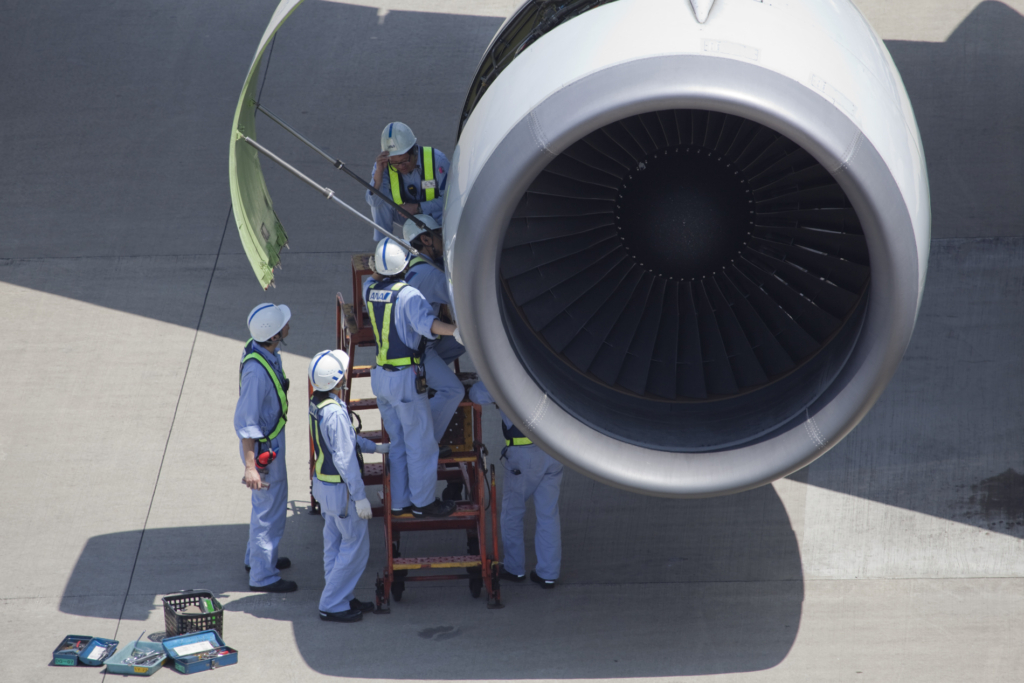
An older aircraft with freshly overhauled engines may be more attractive than a similar aircraft approaching expensive engine shop visits.
Airlines returning leased aircraft generally have contractual requirements governing the condition of the airframe, engines and life-limited components. That can make the end of a lease a natural opportunity to replace an aircraft rather than invest more money in it.
Why airlines simplify their aircraft fleets
Operating several aircraft types requires different pilot qualifications, cabin crew training, engineering expertise, spare parts, tooling and maintenance arrangements.
An airline may retire an aircraft with years of useful life remaining because it no longer fits the fleet.
For example, American Airlines accelerated the retirement of several aircraft types as demand collapsed during the pandemic, including its Airbus A330 fleet. Removing entire subfleets helped simplify the airline around fewer aircraft families.
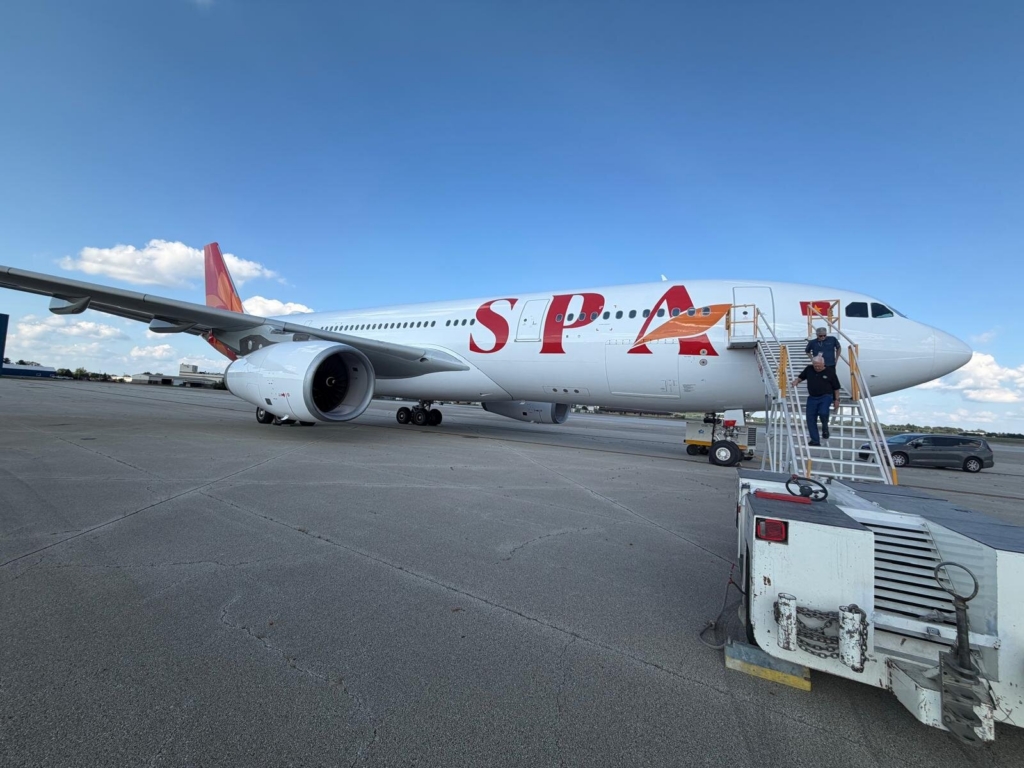
As AGN recently reported, Vietnamese carrier Sun PhuQuoc Airways is taking an Airbus A330-200 that previously flew for American Airlines and using it to build a long-haul network as it waits for delivery of new planes.
The aircraft entered service with US Airways in 2013 and later joined American following the airlines’ merger. It spent much of the past six years stored in the Arizona desert after American withdrew its A330 fleet. Now registered VN-A969, the 13-year-old aircraft is beginning a new career in Vietnam.
American’s decision to retire the aircraft did not mean that the A330 had exhausted its useful life. It meant the aircraft no longer fitted American’s fleet requirements. For another airline with different costs, network requirements and fleet plans, the same aircraft can make economic sense.
When aircraft parts become more valuable than the aircraft
An aircraft that appears far too young to retire can be dismantled because the market values its components more highly than the complete aircraft. That is happening with some new-generation narrowbodies.
AGN reported earlier this year that two former Spirit Airlines Airbus A320neos were being dismantled at just 3.5 and four years old.
EirTrade Aviation acquired the aircraft and said their components would be distributed through its Dallas facility to support other aircraft. The company highlighted the value of newer components and equipment associated with the Pratt & Whitney PW1100G engine.
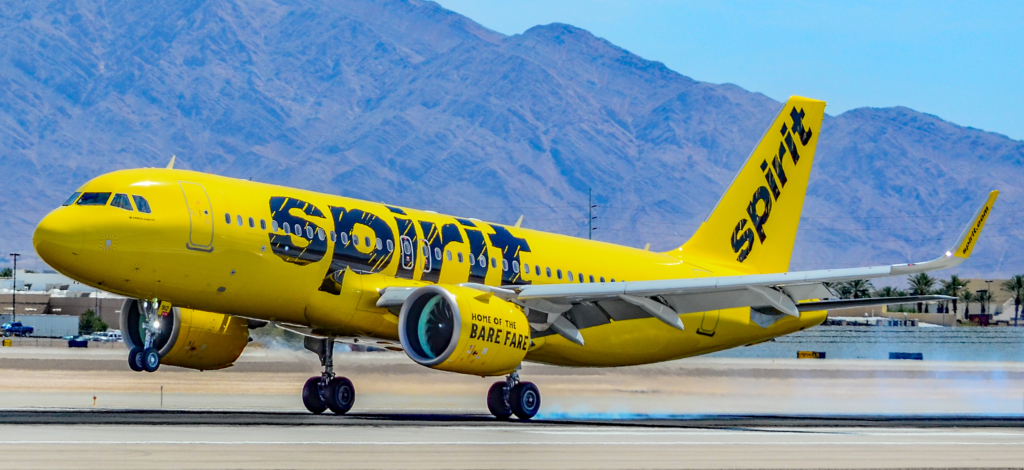
Other next-gen narrowbodies are also headed for scrap as the parts shortage changes their economic value. AGN reported that more than 10 A320neo and Boeing 737 MAX-family aircraft are due to be dismantled during 2026 as aftermarket specialists respond to strong demand for new-generation spare parts.
Previous A320neo teardowns conducted by AerFin and TARMAC Aerosave produced around 1,400 components from each aircraft, including engines, auxiliary power units, landing gear and nacelles.
A complete aircraft needs an airline willing to operate it. That can involve maintenance, inspections, cabin changes, painting, regulatory work and potentially expensive engine shop visits before the aircraft earns a dollar of revenue.
Its components can have customers waiting for them immediately. In the current market, engines are especially valuable. Industry executives have said leasing two engines separately can generate more revenue than leasing the complete aircraft.
Does aircraft storage mean an aircraft has been retired?
Rows of aircraft parked in deserts can be misleading. Some have genuinely reached the end of their economic lives. Others are waiting for maintenance, engines, buyers or improved market conditions.
Dry locations such as Arizona are attractive for long-term aircraft storage because the environment helps limit corrosion, but stored aircraft still require preservation and maintenance.
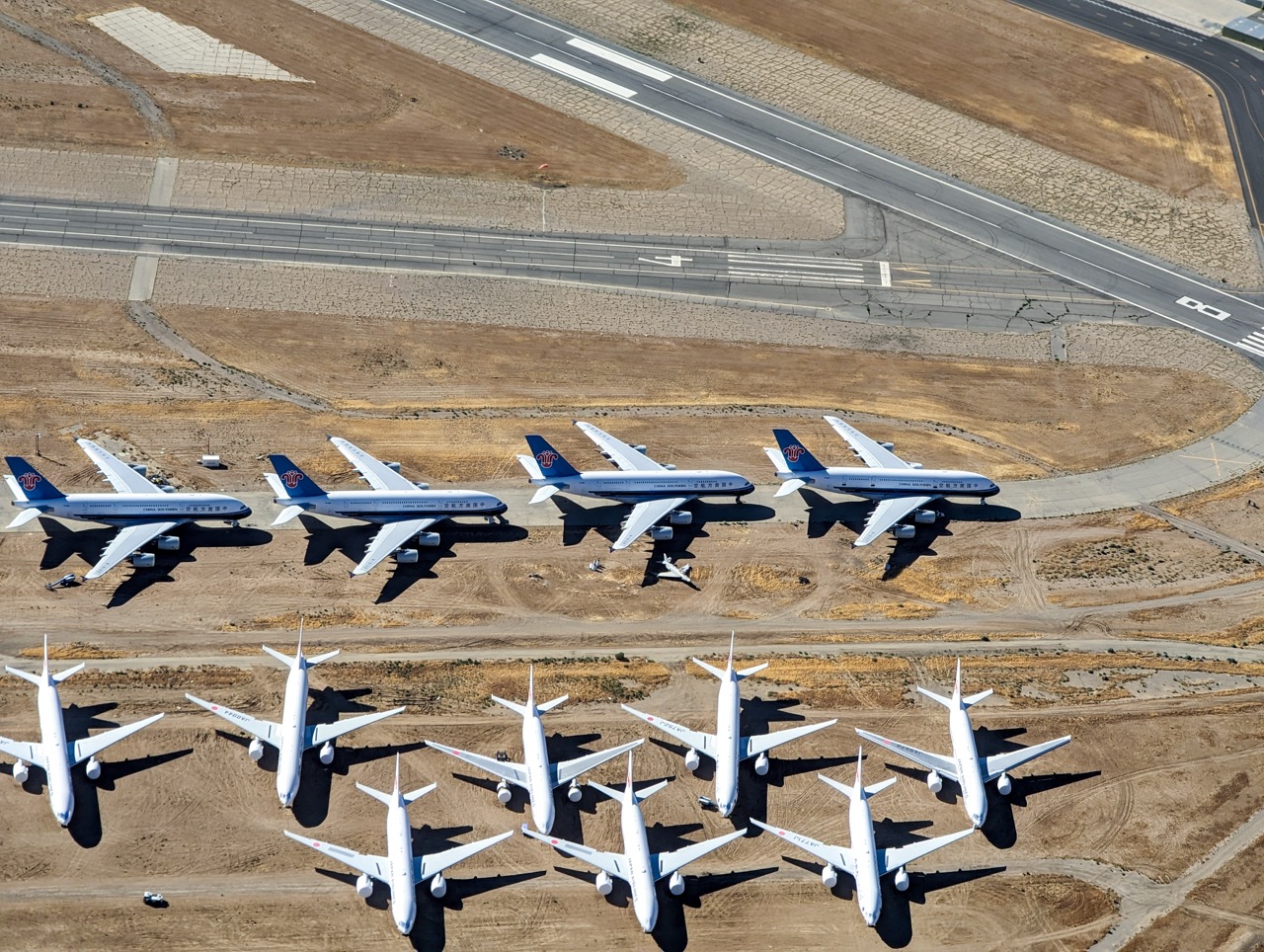
Returning one to service can become increasingly expensive the longer it sits. Engines and components may need work, maintenance tasks must be completed, and extensive records reviewed before the aircraft can fly commercially again.
The Sun PhuQuoc A330 shows that the investment can still be worthwhile. For another aircraft, the cost of reactivation may tip the scales in favour of dismantling.
Why airlines retire aircraft that can still fly
For airlines and aircraft owners, aircraft age is only one number to weigh against others. An aircraft remains useful for as long as the value of keeping it flying exceeds the alternatives.
The current aircraft shortage has added new complexity to the decisions airlines make about their planes. Aircraft production problems have pushed the global fleet to record average ages because airlines cannot obtain enough replacement jets. At the same time, shortages of engines and components have increased the value of parts harvested from aircraft that might otherwise have decades of flying ahead of them.
Sometimes that means an old jet gets another decade in the air. Sometimes it means an aircraft spends six years in the desert waiting for a new operator. And, occasionally, a nearly new aircraft is worth more in pieces than flying.


