


Airport slots explained – and why airlines pay millions to land at Heathrow

4 min read
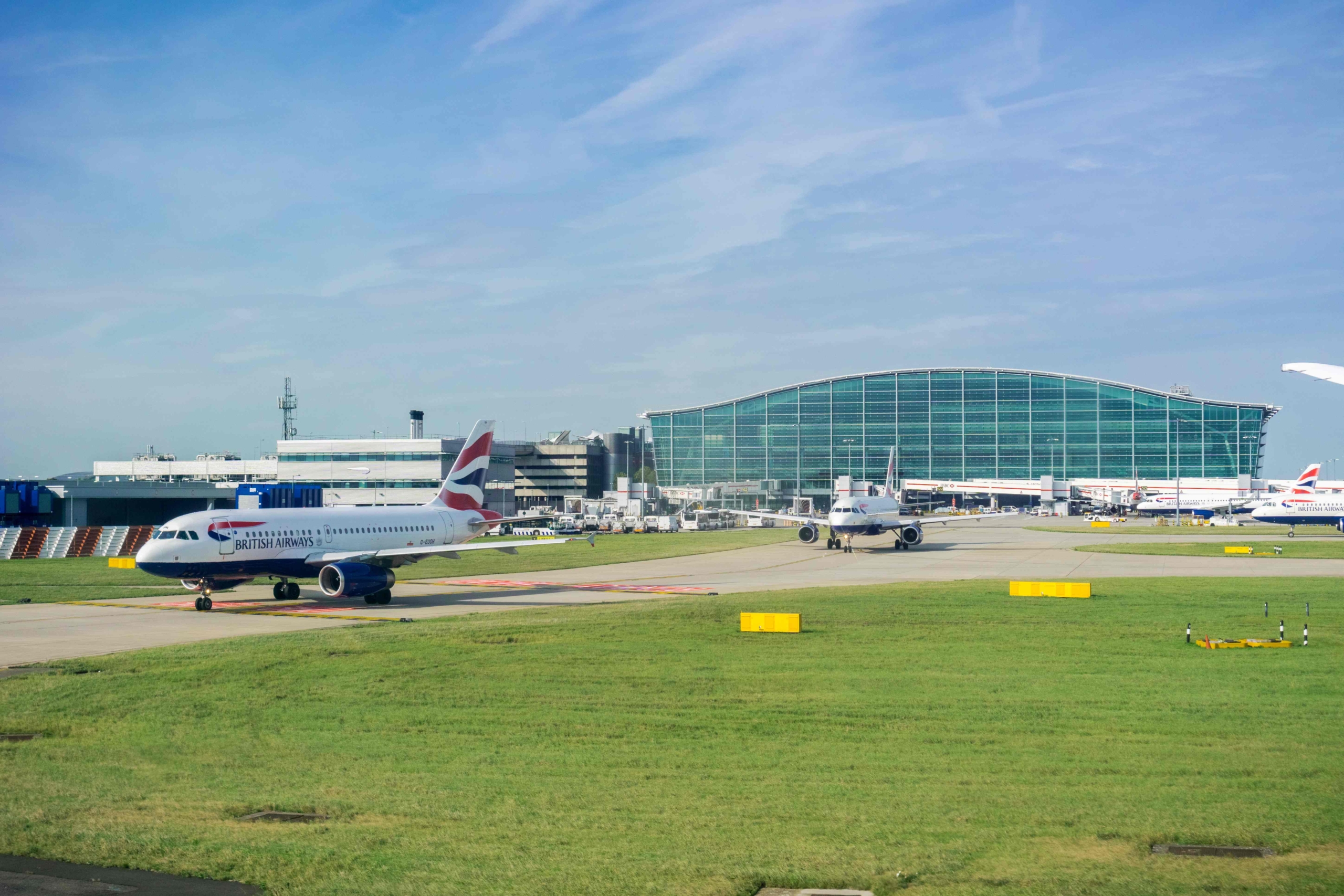
When you book a flight, the departure time seems like just another part of the journey. But for an airline, getting that time can be a much bigger deal.
London Heathrow has limited room for aircraft to arrive and leave, so airlines need slots to operate their flights. Some of these slots can be worth millions of pounds.
What is an airport slot?
Airports are grouped into three levels based on how busy they are. Level 1 airports have enough capacity to operate without slots, while Level 2 airports may need coordination at peak times.
The busiest, including Heathrow, Gatwick, Frankfurt, Tokyo Haneda and New York’s JFK and LaGuardia, are Level 3, where every arrival and departure needs a slot.
An airport slot is simply a set time when an airline can land or take off. At Heathrow, its two runways can handle only so many aircraft, particularly at busy times, and already operate close to full capacity for much of the day.
Heathrow uses a formal slot system, with Airport Coordination Limited (ACL) independently allocating slots.

Timing matters too. A 6am departure may suit an airline far better than one several hours later, depending on passenger demand, the aircraft’s next flight and connecting services.
For long-haul airlines, the right slot can make a big difference to whether a route works.
Why are Heathrow slots so valuable?
It mostly comes down to demand. Heathrow connects the UK with major cities across Europe, North America, Asia and the Middle East, making it an important airport for international airlines.
A carrier cannot simply add another Heathrow flight to its schedule whenever it wants. It needs an available slot, which makes existing slots particularly valuable to airlines looking to expand their operations at the airport.
How much does a Heathrow slot cost?
There is no fixed price for a Heathrow slot. Its value depends on factors such as when it is available and what an airline can do with it.
One deal shows how much money can be involved. In 2016, Oman Air paid $75 million for a pair of daily Heathrow slots from Kenya Airways. Heathrow’s own regulatory documents describe this as the highest published price paid for a pair of Heathrow slots, while UK Government analysis has also recorded the transaction at £75 million.
For an airline, the value is not limited to a single flight. A useful slot can support a route and become part of an airline’s wider network for years, provided the carrier continues to meet the rules for using it.
How does the Heathrow slot system work?
Buying a Heathrow slot does not give an airline a permanent licence to operate a particular flight. Slots are allocated by season, and airlines have to follow rules governing how they use them.
One of the most important is the “use it or lose it” rule. Under the general 80% requirement, an airline needs to use a slot for at least 80% of the relevant period to keep its historic rights, although exceptions apply.
That can make things tricky when a flight is not attracting as many passengers as expected. UK Government analysis has noted that the rules can encourage airlines to keep flights operating even when load factors are relatively low, because protecting the slot may be more important in the long run.
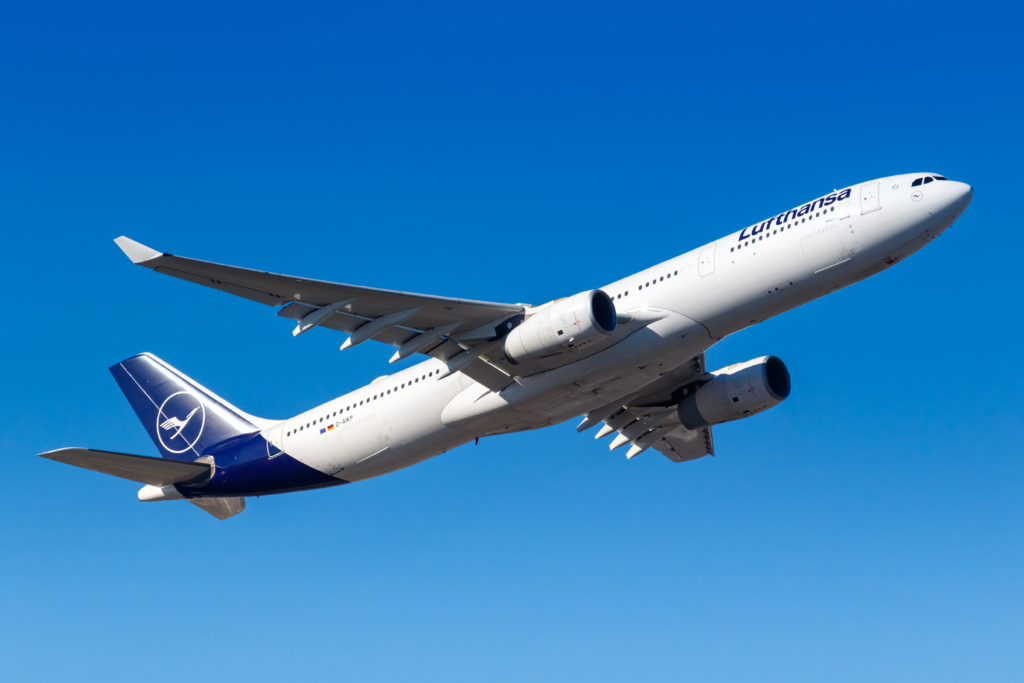
That does not mean airlines deliberately fly empty planes. Every flight still costs money, including fuel, crew, maintenance and airport charges. The need to retain the slot simply becomes another factor in the decision.
Can airlines buy and sell Heathrow slots?
There is also a secondary market for airport slots, allowing airlines to transfer or lease them to other carriers under the relevant rules.
This gives airlines flexibility when they change their networks. A carrier that no longer needs a slot can potentially transfer it, while another airline can gain access to Heathrow without waiting for new airport capacity.
Alaska Airlines is one recent example. It secured a daily Heathrow slot pair through a leasing arrangement with American Airlines for its planned Seattle-Heathrow service in 2026.
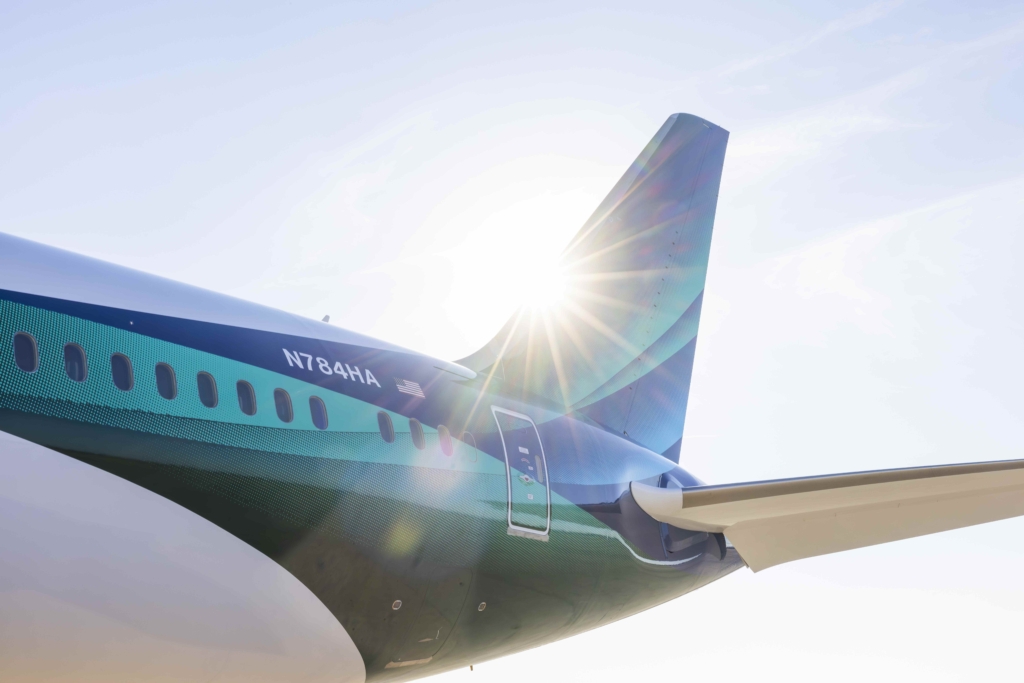
Slots that become available through being returned, newly added or left unused are placed into a pool, with some set aside for new airlines to help maintain competition.
Why do Heathrow slots matter so much?
For passengers, the system is easy to overlook, but it can shape the choice of airlines, flight frequencies and destinations available at Heathrow.
For airlines, holding a slot means having access to a specific piece of airport capacity that can be difficult to replace. That helps explain why some Heathrow slots command multimillion-pound prices.


