


US creates four-star Autonomous Warfare Command to put drones at heart of future force

8 min read
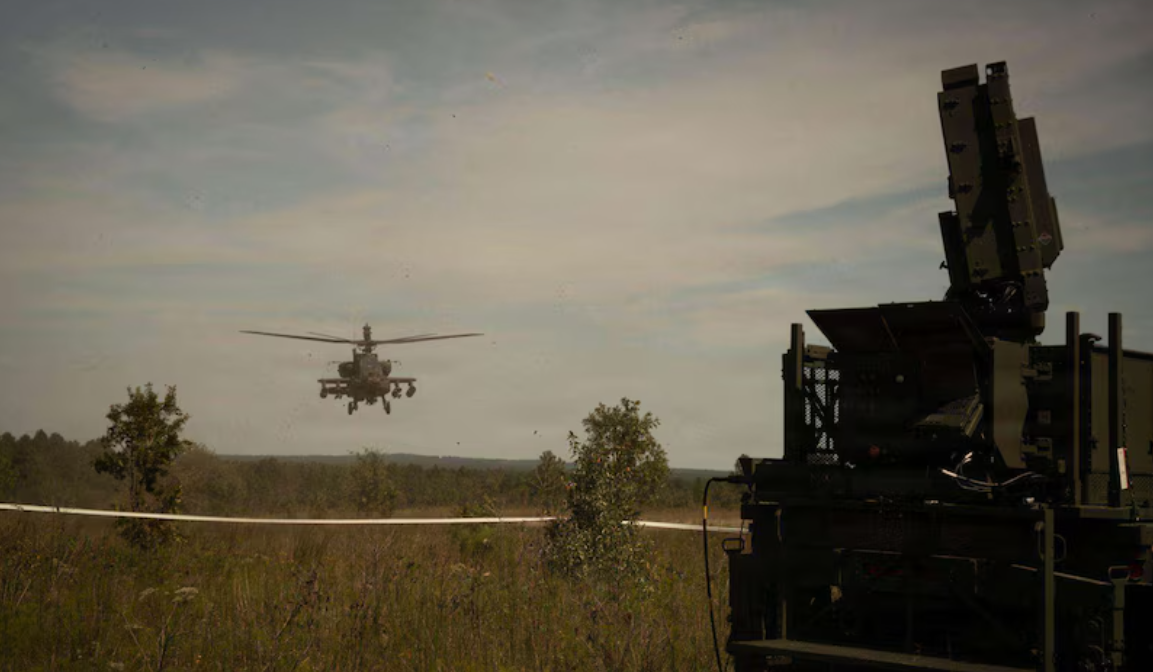
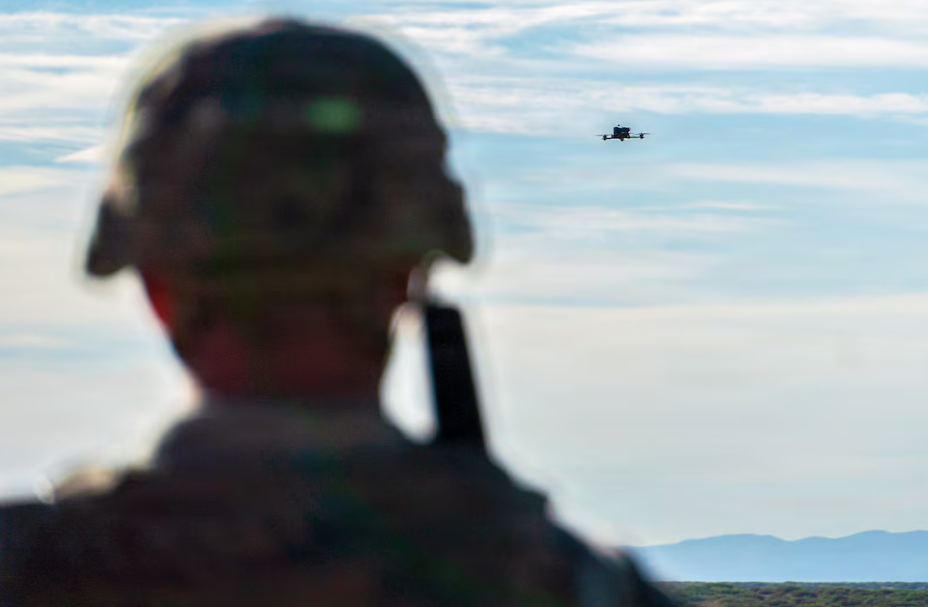
The US military is creating a four-star command to take charge of autonomous warfare, as the Pentagon moves to make drones and robotic systems a much bigger part of the way American forces fight.
“Today at my direction, we are announcing the creation of Autonomous Warfare Command or AUTOWARCOM, a four-star combatant command with service-like authorities built to scale autonomous and robotic capabilities,” Secretary of War Pete Hegseth said during his State of the Force address at Marine Corps Base Quantico in Virginia on September 30.
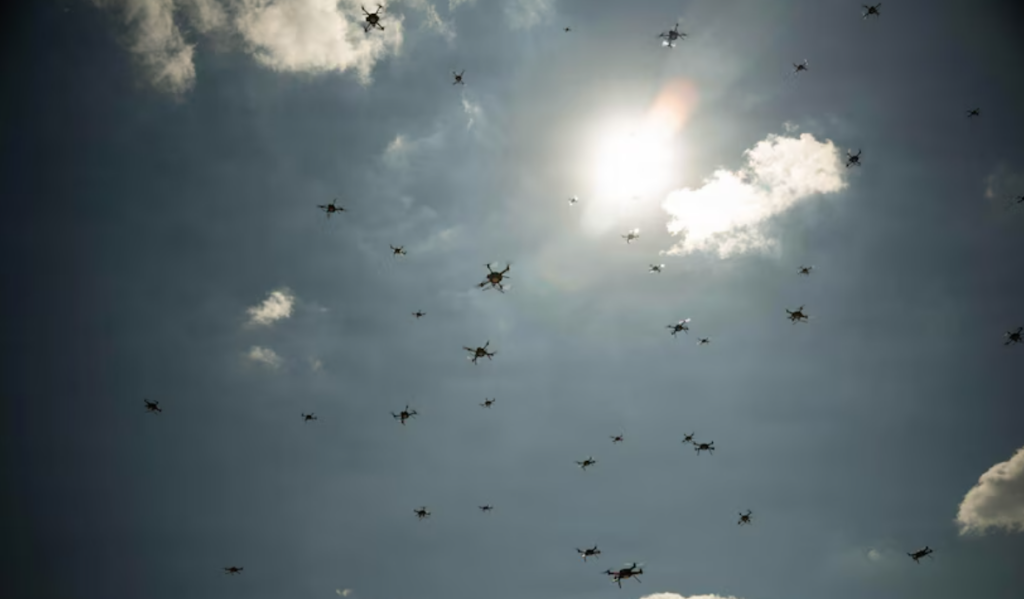
The AUTOWARCOM is planned to be up and running by October 1, 2027. It will have its own manpower, budget and acquisition authority, while also creating dedicated career paths for officers and enlisted personnel working with unmanned and autonomous systems.
The significance goes beyond creating another headquarters. The Department of War (DoW) wants to change how it buys, tests and modifies autonomous weapons, moving some decisions away from Washington and closer to the troops actually using the systems.
Hegseth described drone warfare combined with AI-enabled targeting as the biggest battlefield change in generations. Ukraine, he said, had demonstrated that the lesson was not to find one perfect drone, but to build a military capable of constantly changing its drones, software, tactics and production as an adversary changes theirs.
The DoW’s own directive is unusually direct about the reason for the shift. For decades, the US military could afford to buy relatively small numbers of increasingly sophisticated and expensive weapons. Cheap precision weapons that can now be manufactured in large numbers are challenging that model and threatening costly traditional platforms.
“Urgent change is required,” Hegseth said. “We do not have a decade to transition our procurement and doctrine.”
What is Project Agincourt and how will it create AUTOWARCOM?
AUTOWARCOM will not simply appear in October next year. The DoW is using a programme called Project Agincourt to build and test the organisation that will eventually become the command.
Hegseth has directed the Direct Reporting Portfolio Manager for Unmanned Systems, or DRPM-UxS, to run Agincourt.
Its immediate two-fold job is to prepare the organisational and legislative path to AUTOWARCOM, while simultaneously experimenting with a different way of buying unmanned systems.
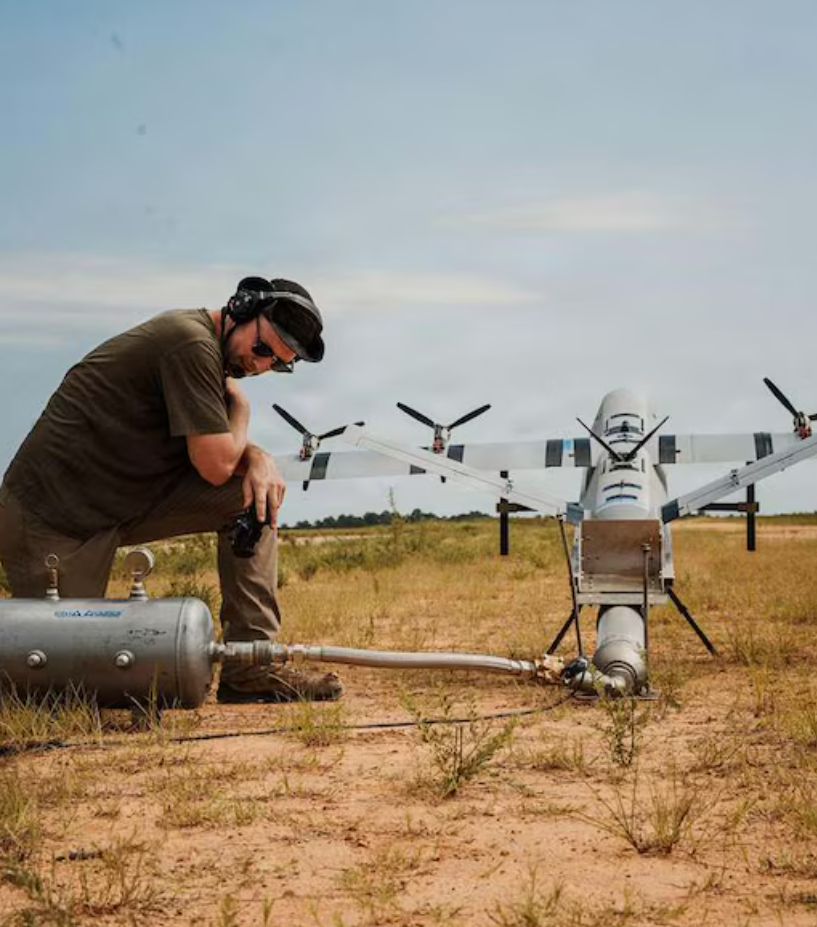
Instead of developing a requirement in Washington, spending years selecting a system and then handing it to troops, Agincourt is intended to put operators alongside engineers, technology companies and competing manufacturers much earlier.
Purchasing authority and money will be pushed closer to operational forces. Systems will be tested in demanding exercises and, where possible, operations. Successful technologies can then be expanded while unsuccessful ones are modified or discarded.
The DoW says the product of this procurement system should not be one particular drone. It should be the ability to adapt in combat faster than an adversary. Hegseth calls the approach “warfighting acquisition”.
“By removing unnecessary layers, reducing the distance between our warfighters and our world-leading innovators, and then giving the right people the authority to act, Project Agincourt will pilot innovation at the edge,” he said.
The concept also explains why AUTOWARCOM is being given what Hegseth calls “service-like authorities”. It is intended to do more than advise the Army, Navy, Air Force and Marine Corps on drones.
The command will define joint requirements, integrate forces supplied by the services and support geographic combatant commanders. It will also test equipment and new force structures against realistic opposition, modify them quickly and put successful concepts into service.
From AUTOWARCOM will create new military careers in autonomous warfare
One of the more consequential parts of the plan has little to do with hardware. The Pentagon intends to create military careers specifically around unmanned and autonomous warfare.
Within 30 days, the military departments must help produce a plan covering the personnel, resources, command relationships and authorities needed to establish AUTOWARCOM. The services must also propose new or adapted military occupational specialties, ratings or equivalent career fields for autonomous systems. Those plans will cover training and career progression as well as immediate staffing.
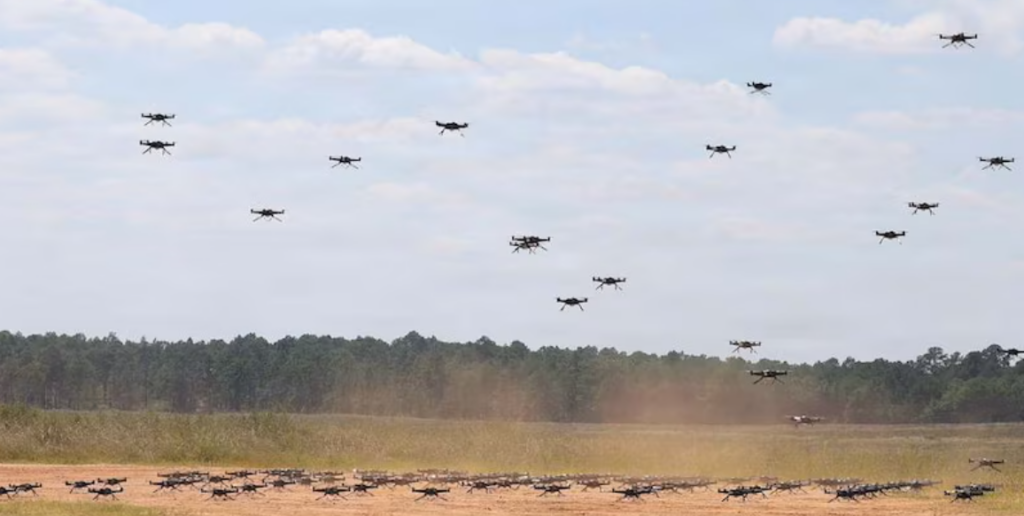
That could eventually mean a soldier, sailor, airman or Marine entering autonomous warfare as a recognised profession and remaining in that field as they progress through their career, rather than drone expertise being an additional skill attached to a traditional occupation.
It reflects the DoW’s broader argument that autonomy changes more than weapons. It changes doctrine, organisation, training and the skills required of the people who fight.
Who will lead Project Agincourt and the path to AUTOWARCOM
Hegseth has chosen an unconventional leadership structure to get the effort moving.
Owen West, director of the Defense Innovation Unit, and Navy SEAL Senior Chief Max Strasiser have been appointed chief executive officer and chief operating officer respectively of DRPM-UxS while Project Agincourt is developed.
Hegseth described their roles as a “CEO-COO partnership”.
West will concentrate on strategic risk, resources and scaling technology across the force, while Strasiser will focus on operational problems and how the systems actually work in combat. A four-star officer is ultimately expected to command AUTOWARCOM.
Strasiser brings an unusual combination of operational and technical experience. A serving Navy SEAL senior chief, he became the first enlisted SEAL to graduate from the US Naval Test Pilot School.
The pairing is deliberate as one leader looking at how autonomous systems can be bought and scaled, the other at whether they actually solve a warfighter’s problem.
DRPM-UxS will report progress to Hegseth every month. Issues that cannot be resolved will go to the deputy secretary or directly to Hegseth, while a detailed plan for creating AUTOWARCOM is due within 30 days.
How Ukraine’s drone war shaped the Pentagon’s AUTOWARCOM strategy
The push is rooted in what the Pentagon believes recent wars have demonstrated about the economics of combat.
Ukraine has shown how inexpensive drones can perform reconnaissance, strike vehicles and infrastructure, and force militaries to change tactics quickly. It has also shown how rapidly a successful drone or countermeasure can lose its advantage once an opponent develops electronic warfare, new software or a different defensive tactic.
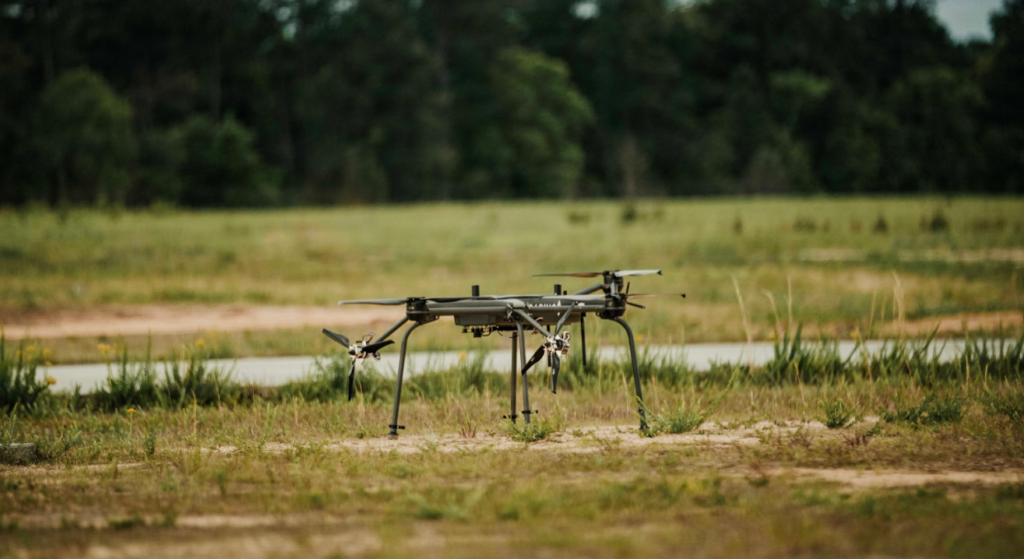
“Ukraine’s lesson is not that one type of drone wins wars, but rather the need for a purpose-built system that maximizes the ability to adapt,” Hegseth said. “We will fuse procurement with operations at scale, and then allow warfighters and engineers and entrepreneurs to learn, adapt, and rapidly iterate on their domain and their mission.”
AUTOWARCOM also builds on the Pentagon’s Drone Dominance programme and Task Force 401, which have been intended to shorten procurement timelines and move larger numbers of autonomous systems into operational units.
The department says thousands of robotic systems have already been delivered to the Middle East in support of Operation Epic Fury. Hegseth’s argument is that such deployments should no longer depend upon temporary programmes assembled for a particular conflict.
He wants the machinery for rapidly buying and changing autonomous weapons to become permanent.
The philosophy is partly about numbers. Hegseth said the military still needs its sophisticated long-range weapons and high-end kill chains, what he described as “bolts of lightning”. But those must increasingly be accompanied by the “steady wind and rain” of mass autonomous systems.
Elon Musk, Palmer Luckey and Newt Gingrich to study the future of warfare
While Project Agincourt is intended to change how the Pentagon fields autonomous systems now, Hegseth has launched a separate initiative to answer a much broader question on what will warfare itself look like in the coming decades?
Project Meridian: The Future of Warfare will be overseen by War Department chief technology officer Emil Michael and co-directed by SpaceX and Tesla chief Elon Musk, Anduril Industries founder Palmer Luckey and former House Speaker Newt Gingrich. The group will draw on technologists, business leaders, academics, policymakers and national security specialists.
The official memorandum commissioning Meridian says advances in artificial intelligence, autonomy, directed energy, robotics and biotechnology could collectively “profoundly alter the character of warfare”.
Project Meridian will examine future warfare beyond drones
The project is expected to examine future battlefields across domains ranging from subterranean warfare to the cislunar region between Earth and the Moon. Its task is to identify the weapons and technologies US forces could need, find capability gaps and recommend practical ways of developing, testing and fielding them.
Musk’s inclusion gives the project an obvious aerospace dimension. SpaceX is already deeply embedded in US national security space through launch services and satellite communications, while Luckey’s Anduril has become one of the most prominent companies in autonomous defence systems. Their role, however, is advisory rather than operational command of US forces.
Hegseth has also put Project Meridian on a short clock. Its findings and recommendations are due within 120 days, by January 28, 2027. The Pentagon says the final report will be released publicly, accompanied by a classified annex. The Joint Staff and military services have been told to connect their existing future-warfare research to the project.
Project Agincourt vs Project Meridian: What’s the difference?
Agincourt and Meridian were announced together, but they are designed to answer different problems.
Project Meridian looks beyond today’s battlefield and asks what technologies and weapons America may require in future wars.
Project Agincourt starts with a more immediate problem that the US already has drones, autonomous systems and a fast-moving technology industry, but its traditional acquisition machinery can struggle to buy and modify those systems at the speed modern warfare demands.
AUTOWARCOM is intended to make that rapid adaptation permanent.
As Hegseth put it at Quantico: “Today, with Autonomous War Command, we institutionalise and we supercharge the era of SI robotics and autonomous systems.”
Sign up for our newsletter and get our latest content in your inbox.


More from


September 25, 20264 min read


