


The flight that changed travel forever: BOAC’s transatlantic jet breakthrough

6 min read
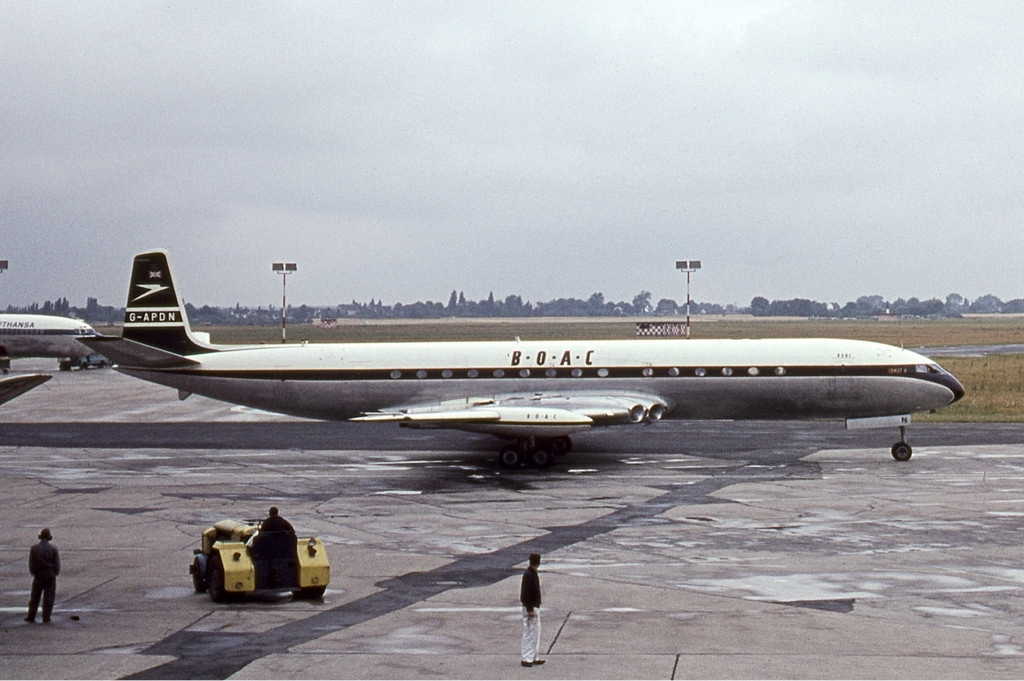
Britain entered a new era in international air travel on 4 October 1958 when the British Overseas Airways Corporation (BOAC) became the first airline to operate a scheduled transatlantic service using a pure jet airliner.
The aircraft was the revolutionary de Havilland Comet 4, a British-designed jet. BOAC inaugurated simultaneous London-New York and New York-London services, marking a milestone in the development of commercial aviation.
For passengers accustomed to propeller-driven aircraft, the new service promised something extraordinary: crossing the Atlantic at speeds previously associated with military aircraft, but in the comfort of a scheduled passenger airliner.
The dawn of the jet age
The story began earlier in the decade with the original de Havilland Comet. When it entered BOAC service on 2 May 1952, it became the world’s first commercial jet airliner. The aircraft could cruise at around 450 mph, substantially faster than the piston-engined airliners of the period.
The Comet represented a remarkable British technological achievement. Developed by de Havilland, it featured four jet engines incorporated into the wings, a pressurised cabin and a sleek, swept-wing design that looked radically different from conventional airliners.
BOAC quickly became the world’s first airline to operate a jet fleet. Its Comets were initially used on long-distance routes including services to Johannesburg, Tokyo and Colombo, demonstrating that jet propulsion could transform international travel.
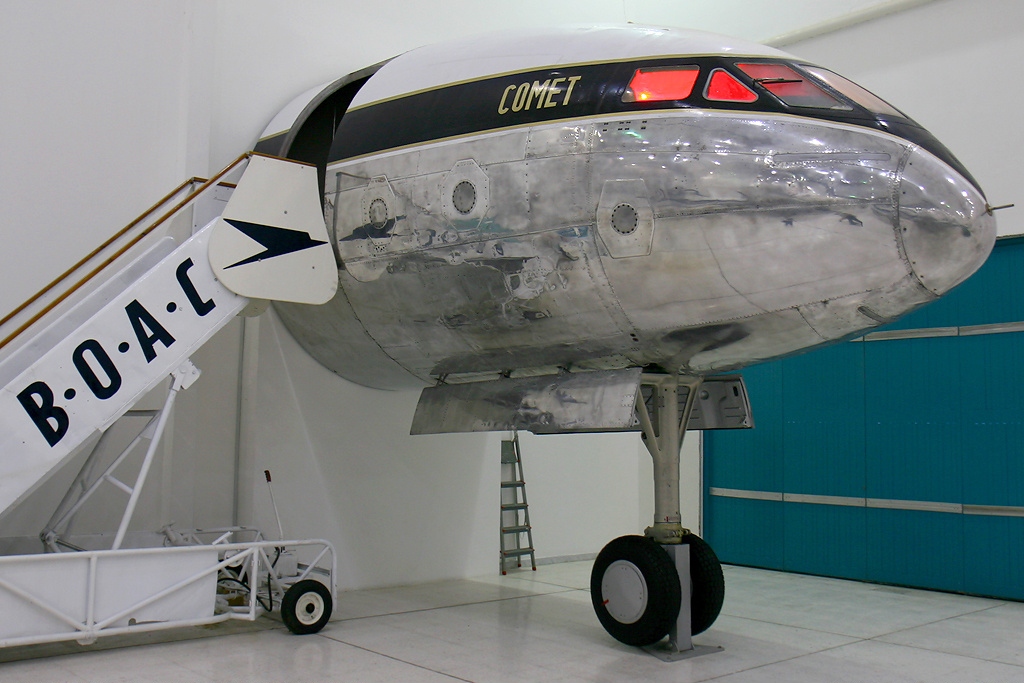
But the Comet’s early career was interrupted by tragedy. A series of accidents involving the first-generation Comet led to an intensive investigation.
Researchers eventually established that metal fatigue in the pressurised fuselage had caused the catastrophic failures. The lessons learned from these investigations had a profound influence on the design of later aircraft.
The improved Comet 4 incorporated significant structural changes and greater range. It was this aircraft that finally made the long-awaited jet crossing of the Atlantic possible.
A race across the Atlantic
By 1958, the transatlantic air route was one of the world’s most important international air corridors. Passenger aircraft crossed the ocean every day, but the journey was still considerably longer than it would become in the jet age. BOAC’s Comet 4 was about to change that.
On 4 October 1958, two BOAC Comet 4s were used to inaugurate the new service. Aircraft G-APDC, flown by Captain RE Millichap, operated from London to New York, while G-APDB, commanded by Captain TB Stoney, flew from New York to London. The flights were operated simultaneously in opposite directions.
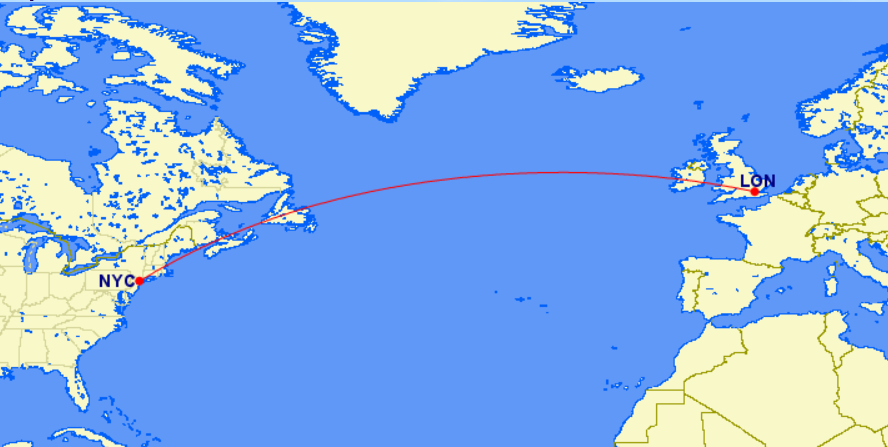
The event was an important demonstration of the aircraft’s capability. The Comet 4 had sufficient range to cross the Atlantic without the need for the kind of intermediate stops that had characterised earlier long-distance operations.
For Britain, the achievement was also a showcase for the country’s aircraft industry. BOAC was a state-owned airline and one of the principal symbols of Britain’s international aviation network. The aircraft was British; the airline was British, and the route connected London directly with one of the world’s most important cities.
London to New York by jet – a revolutionary period
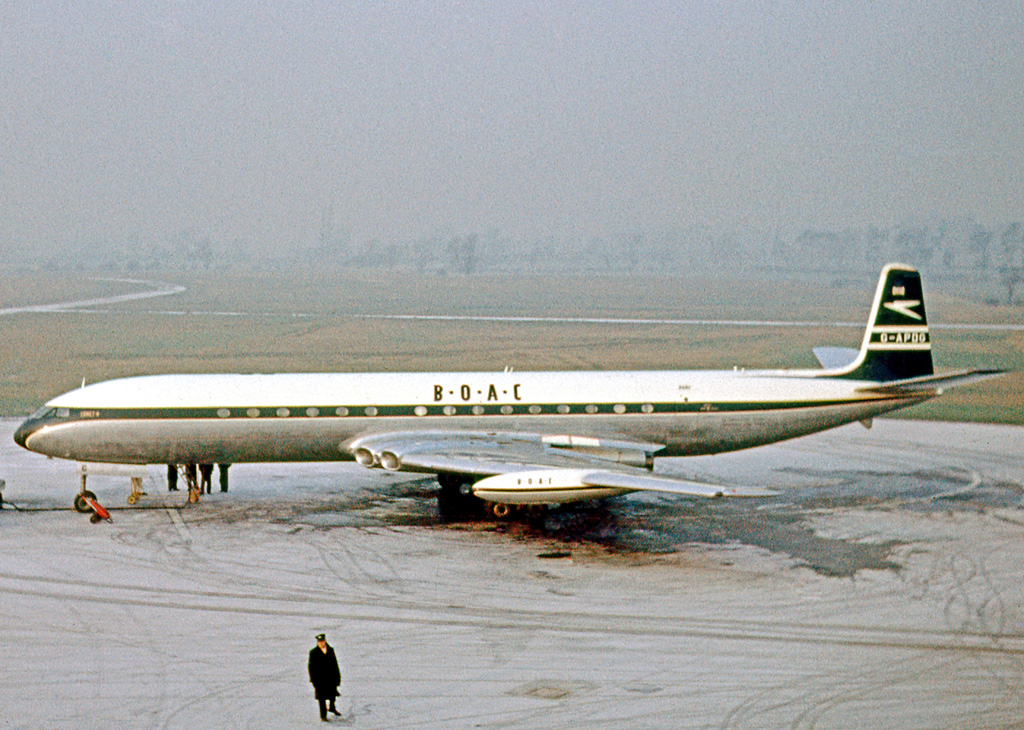
Imagine being a passenger at London Airport in October 1958. Instead of boarding a large piston-engined aircraft with propellers turning outside the windows, passengers approached the smooth, futuristic shape of the Comet 4.
There were no propellers to be seen. The aircraft’s four jet engines were mounted in pairs within the wings, and its streamlined fuselage gave it a distinctly modern appearance.
Inside, passengers entered a pressurised cabin designed for high-altitude flight. The aircraft could climb above much of the weather that affected lower-flying aircraft, providing a smoother and faster journey across the ocean.
The significance of the flight went beyond saving time. Jet travel changed people’s perception of distance. The Atlantic had been an immense barrier separating Europe and North America; now it was becoming an increasingly manageable part of a day’s journey.
The development also had wider economic consequences. Faster air travel made international business easier, strengthened links between countries and helped make long-distance tourism increasingly practical.
Britain led the way, but competition was fierce
BOAC had achieved the first scheduled transatlantic pure-jet service, but the company would soon face formidable competition.
American aircraft manufacturers had been developing larger jet airliners, particularly Boeing’s 707 and Douglas’s DC-8. These aircraft were considerably larger than the Comet 4 and were designed specifically for the emerging long-haul jet market.
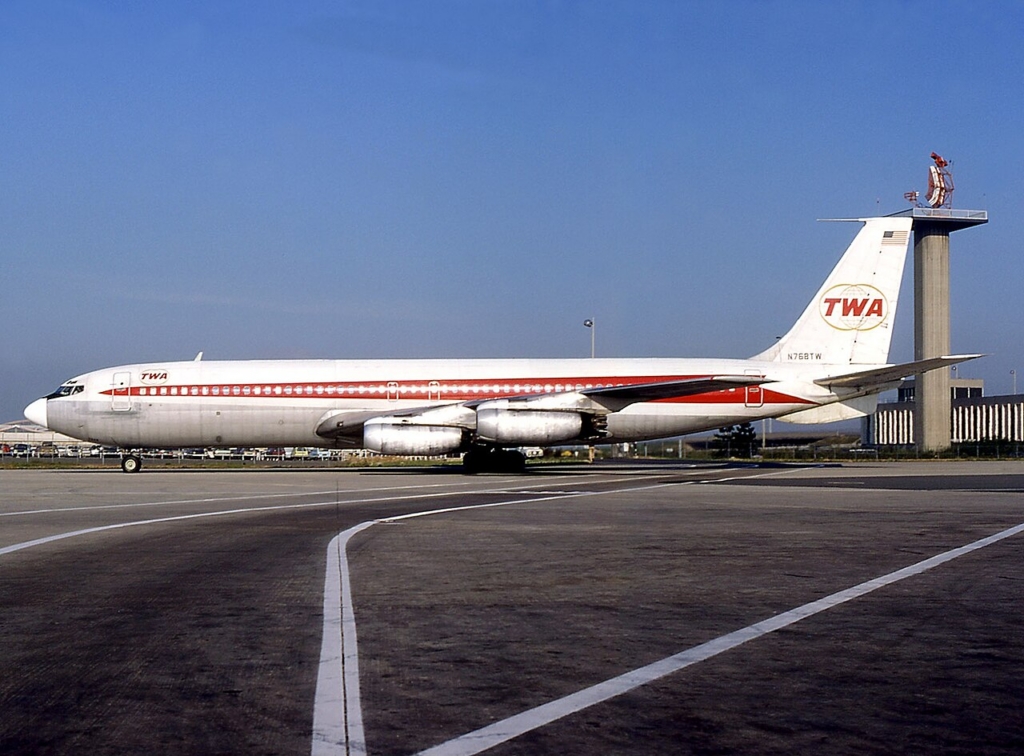
The Boeing 707 would enter commercial service in 1958, the same year that BOAC’s Comet 4 crossed the Atlantic. The American aircraft had greater passenger capacity and would ultimately become one of the defining airliners of the early jet age.
BOAC nevertheless held the historic distinction of getting there first, although it capitulated and soon ordered the larger 707 for long-haul services. .
The Comet 4’s achievement was particularly remarkable given the setbacks suffered by the Comet programme earlier in the decade.
The aircraft that had once been at the centre of a major aviation investigation had been redesigned and developed into an airliner capable of crossing the Atlantic reliably.
The beginning of a new era
The transatlantic Comet service was not the end of BOAC’s jet ambitions. It was the beginning of a period of rapid change.
In the following years, BOAC expanded its jet operations and introduced new aircraft. Comet 4s were used on routes extending across the world, including services to Singapore and Sydney.
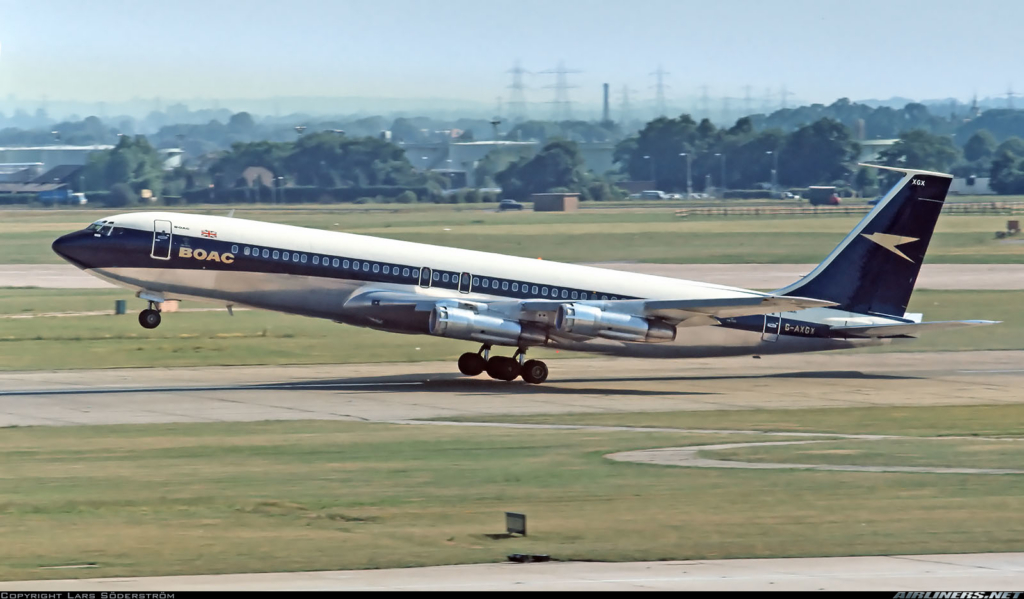
The airline later acquired Boeing 707s and Britain’s Vickers VC-10, giving it a fleet capable of serving an increasingly interconnected international network. The Comet 4 itself remained on the London–New York route until 1960, when BOAC’s Boeing 707 took over.
The 707 offered substantially greater capacity and became the dominant type for many long-distance routes. Yet the Comet’s pioneering role was never forgotten.
A milestone remembered
The achievement of October 1958 is sometimes overshadowed by later aviation milestones – the arrival of the Boeing 747, the introduction of Concorde, and the growth of today’s huge global airline networks.
But the BOAC Comet 4 crossing of the Atlantic was one of the events that made those developments possible.
It demonstrated that jet propulsion could be used for scheduled long-distance passenger travel and that the Atlantic could be crossed routinely by a jet airliner. It also represented the culmination of years of British research, engineering and operational experience.
BOAC itself would eventually disappear. In 1974, BOAC and British European Airways were merged to form British Airways, bringing together Britain’s principal international and European airline operations.
The heritage of BOAC, however, lives on in British Airways and in the aircraft and routes that followed.
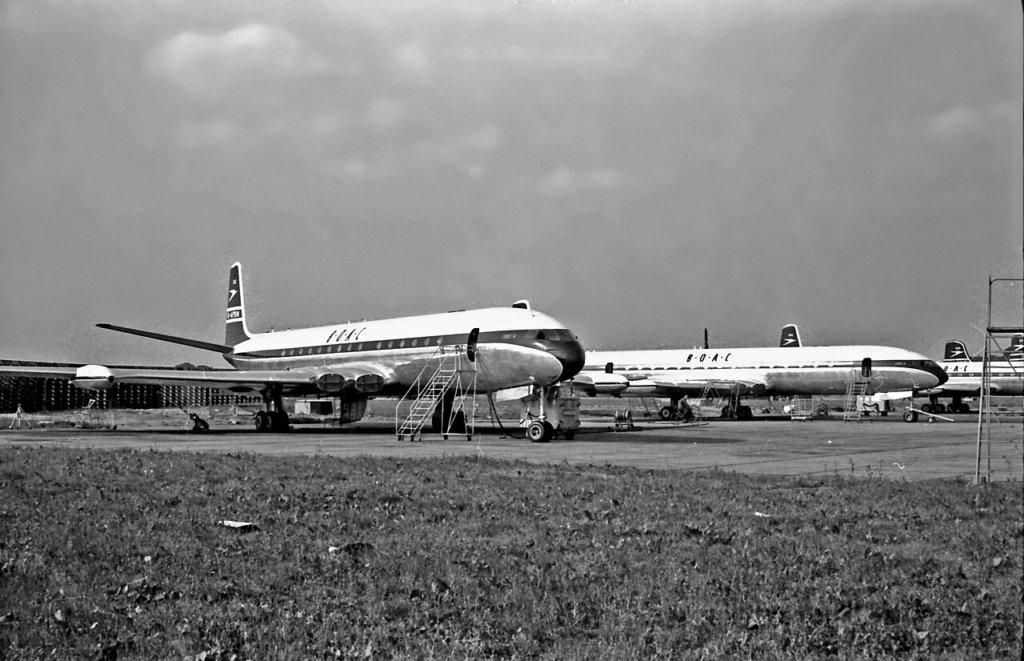
Today, crossing the Atlantic in a modern jet is an ordinary part of international travel. Passengers can board wide-bodied aircraft, connect to global networks and reach North America in a matter of hours. In 1958, however, it was still a technological wonder.
The sleek Comet 4 that departed London on 4 October represented more than simply a faster aircraft. It symbolised a world in which the great distances between continents were beginning to shrink.
For BOAC, it was another pioneering chapter in Britain’s aviation history. For passengers, it was the beginning of a new way of travelling. And for commercial aviation as a whole, it marked the moment when the jet age crossed the Atlantic for the first time.
4 October 1958 therefore stands as a reminder of a remarkable period in aviation history, when Britain’s major overseas airline and the British-built de Havilland Comet helped turn the future of air travel into reality.
Sign up for our newsletter and get our latest content in your inbox.


More from

October 3, 20267 min read


