


Around 500 Airbus A321neo jets affected by newly discovered quality defects

5 min read
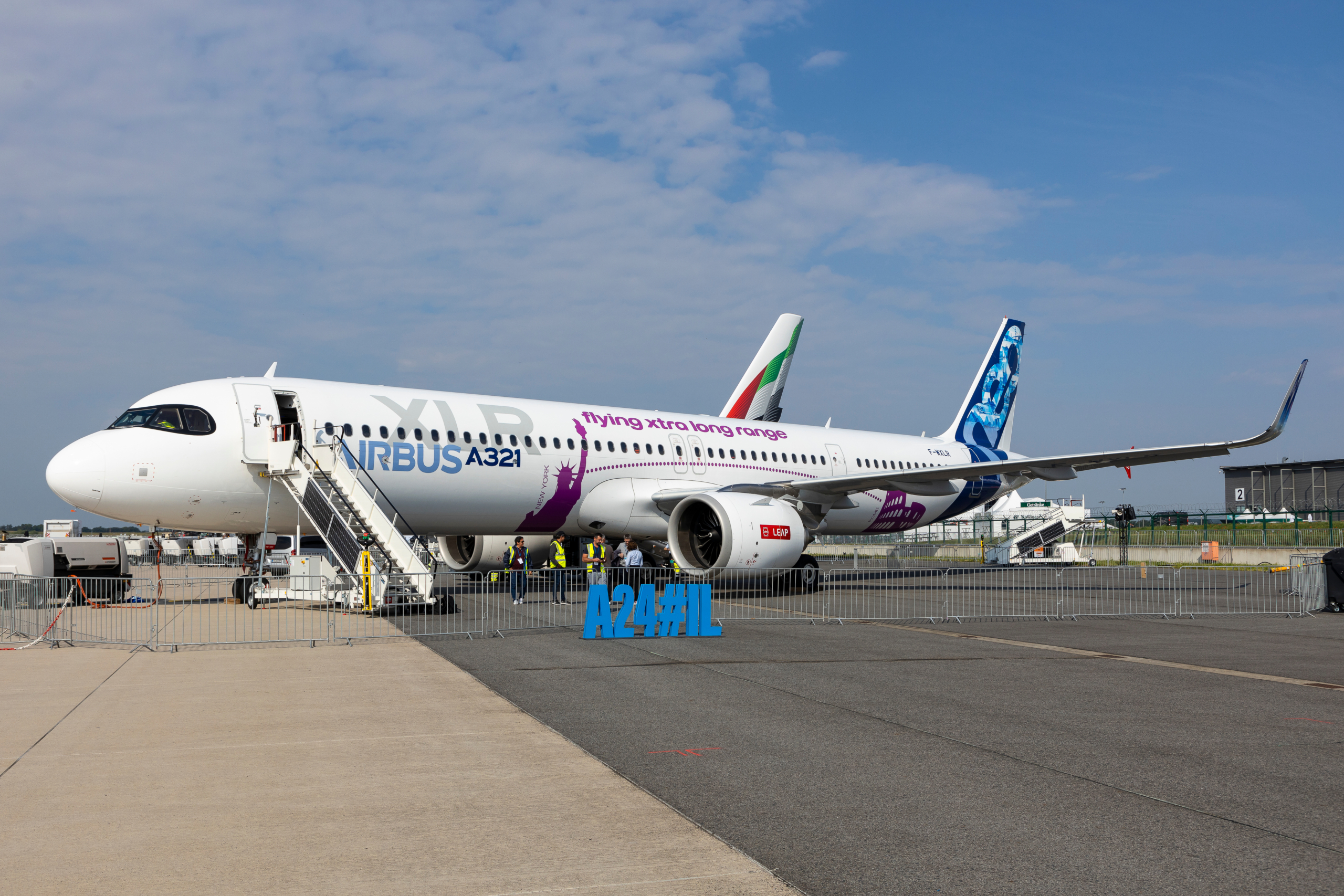
Airbus is dealing with a newly discovered manufacturing-quality problem affecting around 500 of its A321neo passenger jets. The issue, revealed in September 2026, involves inadequate surface protection on structural components inside part of the aircraft’s fuselage.
Although the discovery has raised concerns about manufacturing and supply-chain quality, Airbus says there is no immediate safety risk, and that affected aircraft can continue flying.
What is the defect found on Airbus A321neos?
The problem concerns components known as stringers, which are long structural members running lengthways along the aircraft’s fuselage.
These components work alongside the fuselage skin and frames to provide strength and help prevent the structure from buckling during flight. The affected stringers are located in the lower forward section of the A321neo’s fuselage.
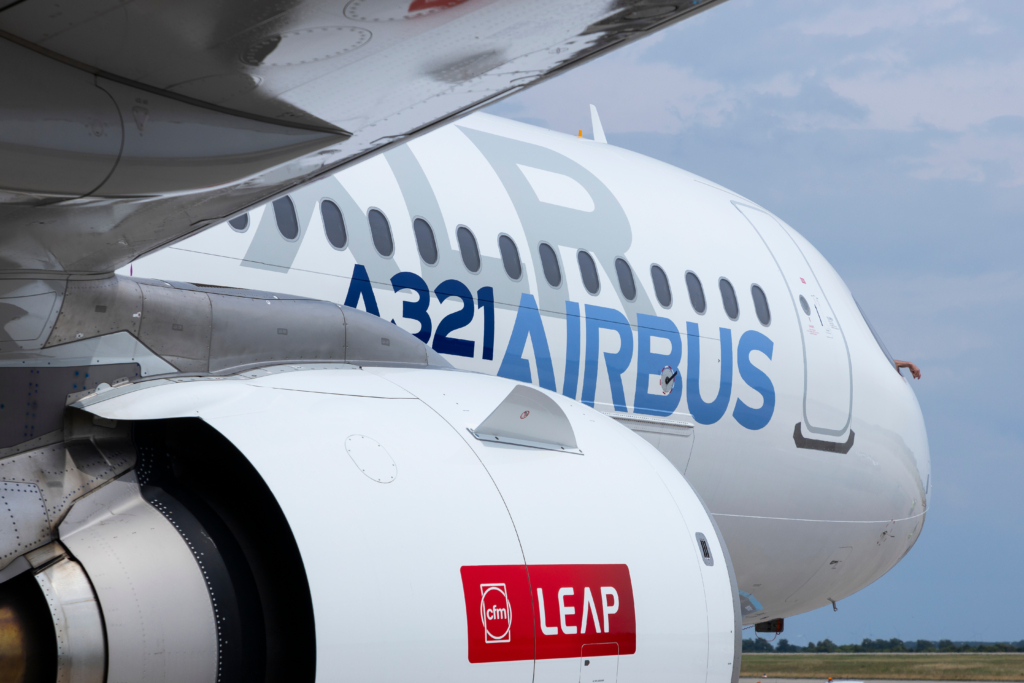
According to Airbus, the problem involves a deviation in the surface protection or coating applied to these components. This protection is important because it helps prevent corrosion of the aircraft’s underlying structure.
If the protective coating is insufficient, the metal can become more vulnerable to moisture and corrosion over time. Although this does not mean the aircraft are currently unsafe, the issue needs to be addressed to ensure the aircraft continue meeting Airbus’s long-term structural requirements.
How was the defect issue discovered?
The issue was discovered during routine rework on aircraft production lines. Airbus subsequently identified and contained the source of the problem and developed a remedy. The company has said that newly coated stringers meet the required specifications.
Importantly, the corrective work does not require the affected stringers to be removed from the aircraft, which should make the repair process less disruptive for airlines and maintenance teams.
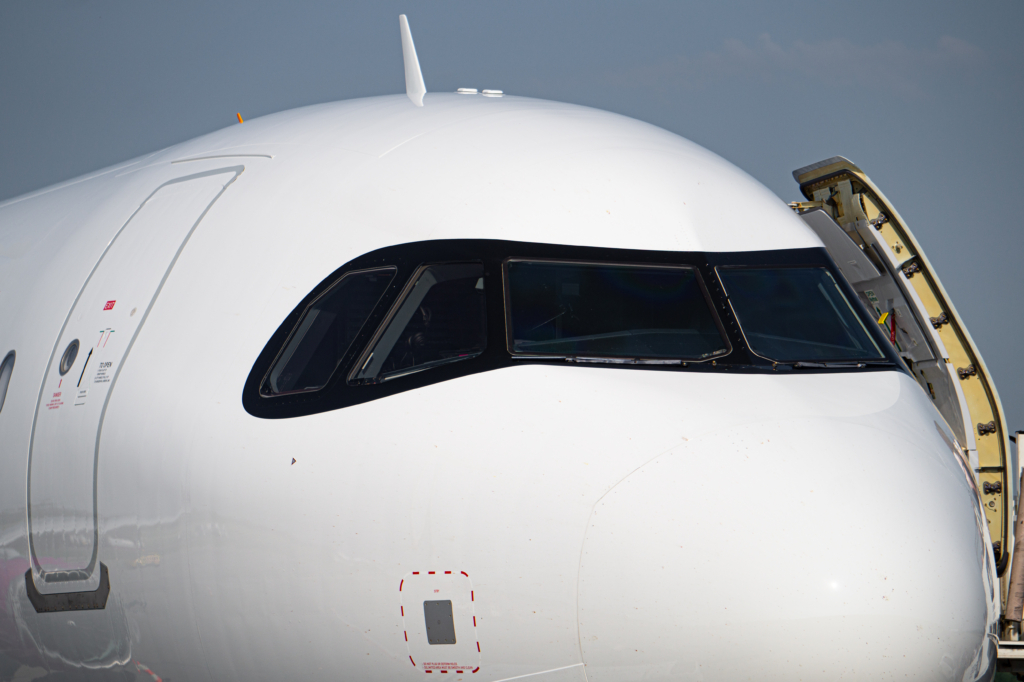
Reports indicate that approximately 250 affected A321neos are already in service, while another 250 are at different stages of production.
Aircraft still being built can undergo the necessary work before delivery, while aircraft already being operated by airlines will be dealt with through inspections and maintenance procedures. Customers have reportedly been told that there is no immediate requirement for repairs, and that affected aircraft can continue operating.
The discovery does not mean that approximately 500 aircraft are currently unsafe to fly. Airbus has described the matter as a quality issue rather than an immediate safety problem.
No general grounding of the affected fleet has been announced, and airlines can continue operating the aircraft while the necessary corrective work is arranged.
What does this mean for passengers?
For passengers, this means that there is currently no indication that simply boarding an affected A321neo presents an immediate additional danger.
Aircraft manufacturers and aviation regulators routinely monitor potential manufacturing problems, and airlines have established maintenance programmes designed to identify and correct defects before they become serious safety issues.
Nevertheless, the discovery demonstrates why strict quality-control procedures are essential in the aviation industry.
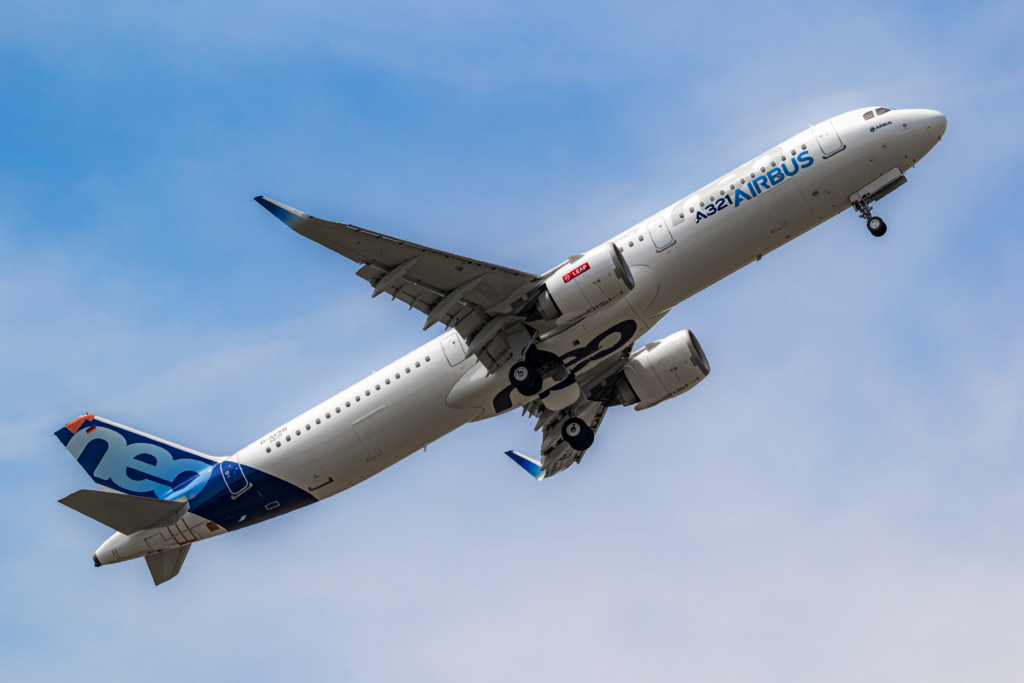
The problem creates an additional challenge for Airbus at a time when the manufacturer is trying to increase production of its highly successful A320 family. The A321neo is particularly important to Airbus because of its popularity with airlines around the world.
The aircraft can carry a large number of passengers while offering airlines improved fuel efficiency compared with older-generation aircraft. This has made the A321neo one of the company’s most commercially important models.
Production of the A321neo continues
Airbus has been working towards increasing narrow-body production to approximately 75 aircraft per month, compared with around 60 currently.
Additional inspections, repairs and production checks could therefore consume valuable manufacturing capacity and potentially complicate aircraft deliveries.
Airlines depend on manufacturers delivering aircraft on schedule, so even relatively small production problems can have wider consequences for airline planning, fleet expansion and passenger services.

The latest discovery is also significant because it follows another fuselage-related quality problem reported by Airbus in late 2025.
That earlier issue involved fuselage panels and contributed to delivery delays. The two problems are different, however. The latest A321neo issue concerns corrosion protection on internal structural components rather than the thickness of fuselage panels.
Airbus has not publicly identified the supplier responsible for the latest coating problem. Recent reports have described the source as a Tier 2 supplier, meaning a company further down Airbus’s supply chain rather than one of its direct suppliers.
Some reports have linked the investigation to an Italian subcontractor, although the specific involvement of that company has not been publicly confirmed by Airbus.
The complexities of modern aircraft manufacturing
The situation highlights the complexity of modern aircraft manufacturing. A commercial passenger aircraft such as the A321neo contains millions of individual components, many of which are produced by specialist companies located around the world.
Airbus and other aircraft manufacturers must therefore maintain detailed quality-control systems across extensive supply chains. A relatively small manufacturing deviation can potentially affect hundreds of aircraft before it is discovered.
The incident also demonstrates how problems can be identified before they develop into major safety concerns. Once Airbus discovered the coating issue, it investigated the cause, contained the affected components and developed a corrective measure.
This type of response is a normal part of maintaining the safety and reliability of commercial aircraft.
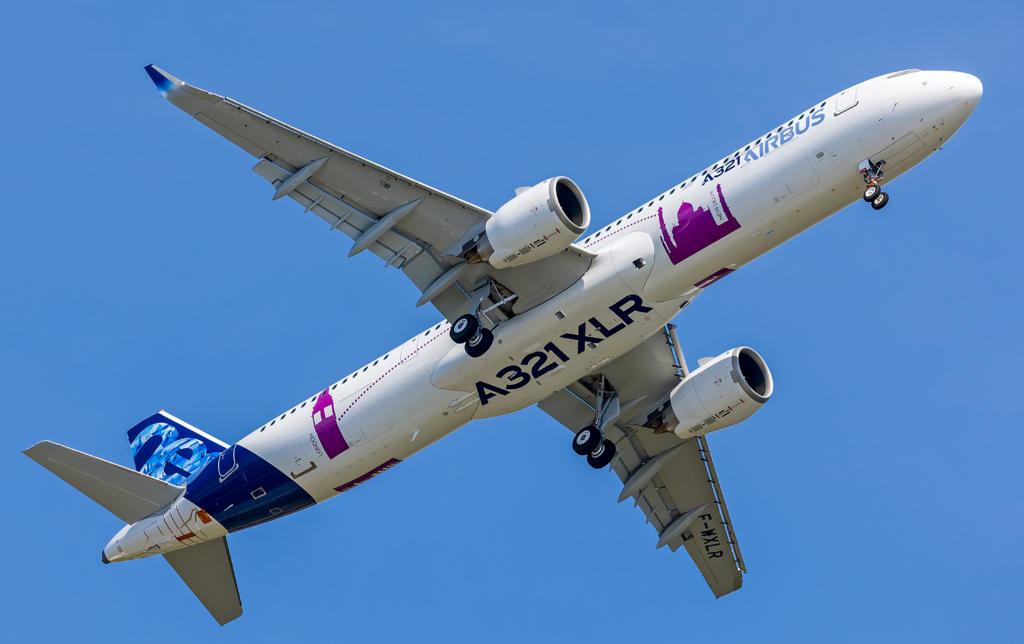
Airbus now faces the task of completing the necessary inspections and corrective work while maintaining its ambitious production schedule.
Airlines will also need to coordinate with maintenance teams to ensure affected aircraft receive the required attention at appropriate times without causing unnecessary disruption to their operations.
With around 500 A321neo aircraft potentially affected, Airbus will need to carefully manage the corrective work while continuing to meet demand for its popular narrow-body aircraft.
The company’s handling of the issue will be closely watched by airlines and the wider aviation industry as it works to protect both production targets and confidence in the A321neo fleet.
Sign up for our newsletter and get our latest content in your inbox.


More from


September 25, 20264 min read
September 25, 20264 min read

September 24, 20262 min read


