


Why Qatar Airways has finally decided to retire its last Airbus A330s

6 min read
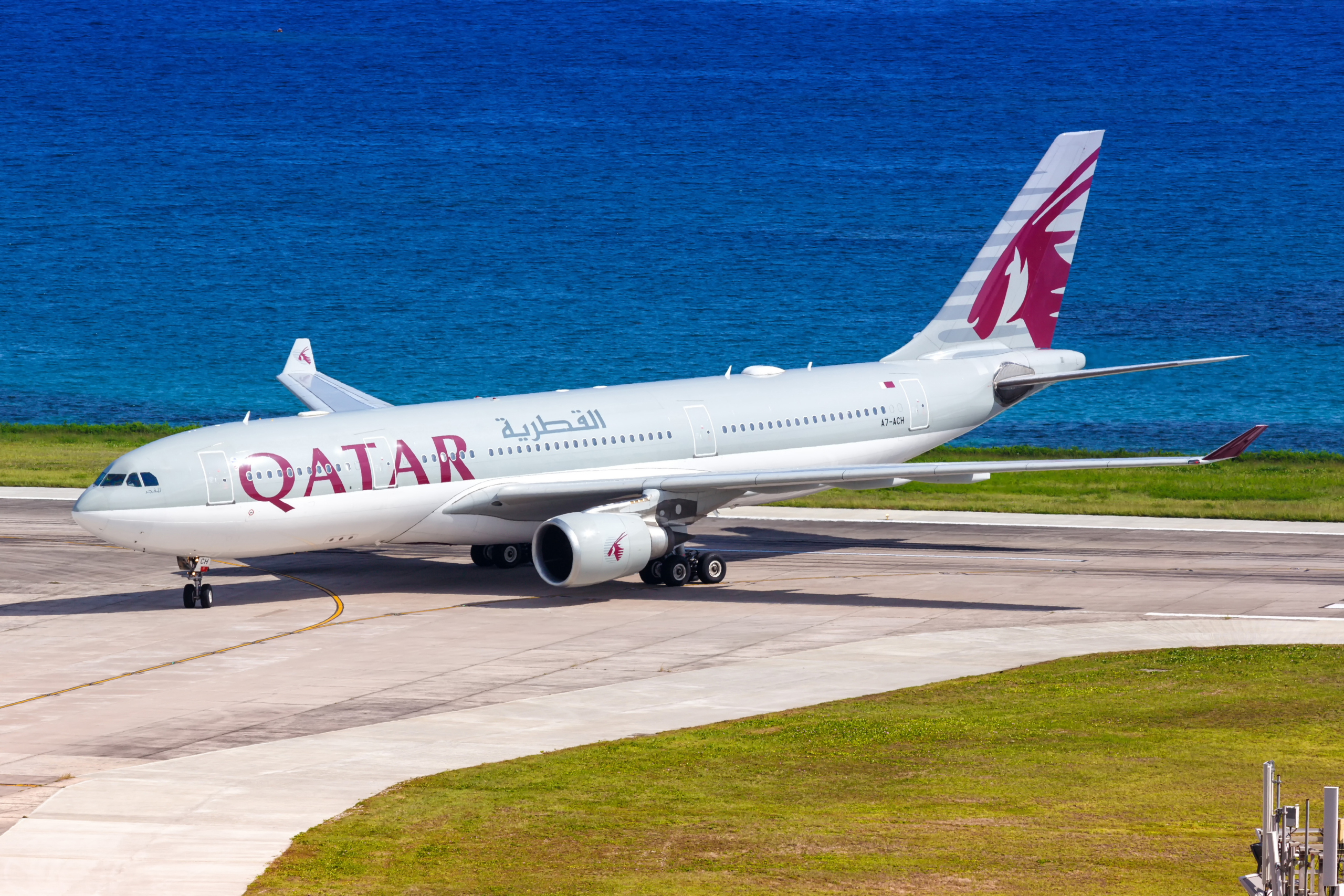
Qatar Airways has finally retired its Airbus A330 passenger fleet, ending the career of a widebody that remained in service considerably longer than originally intended.
The Airbus A330 was supposed to be displaced by newer, more fuel-efficient Airbus A350s and Boeing 787s. Instead, a series of unusual problems kept the older aircraft flying – grounded A350s, delays to new aircraft deliveries, the post-pandemic recovery in demand and, later, disruption caused by the war involving Iran.
The A330 steps in to cover A350 fleet shortfall
The A330’s extended career was closely connected to Qatar Airways’ extraordinary dispute with Airbus over its A350 fleet. Beginning in 2021, Qatar Airways reported accelerated deterioration of the surface beneath the paint on some A350s.
The airline argued that the problem required aircraft to be grounded and refused to accept further A350 deliveries while the dispute remained unresolved. Qatar’s regulator also required affected aircraft to be removed from service.
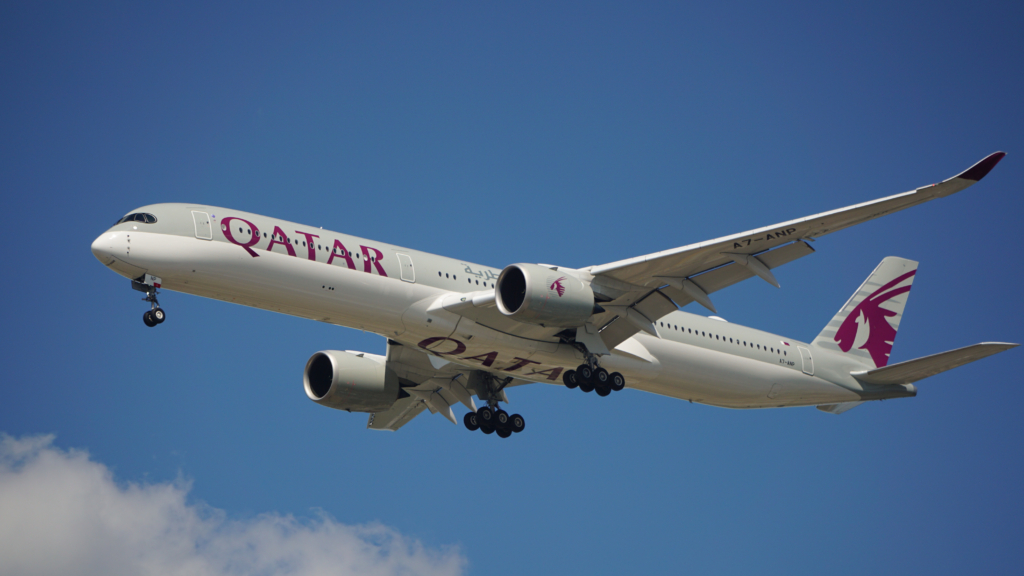
The result was a significant capacity gap. Qatar Airways had planned for the A350 to become one of the main pillars of its long-haul fleet, replacing older widebodies while providing greater fuel efficiency. Instead, a number of A350s were unavailable. The A330 became one of the solutions.
Qatar Airways returned A330s to service specifically to help compensate for the grounded A350s. The airline said at the time that it was taking action to return its A330 fleet to service with immediate effect to offset the impact of the A350 groundings.
That decision gave the A330 a new lease of life. Aircraft that might otherwise have been retired suddenly became valuable operational assets.
New aircraft delivery delays prolong the A330’s service life
The situation was prolonged by problems with the delivery of replacement aircraft. As global aviation recovered from the COVID-19 pandemic, passenger demand returned faster than manufacturers and their suppliers could restore production.
Qatar Airways repeatedly complained about delays affecting both Airbus and Boeing, limiting its ability to expand and renew its fleet.
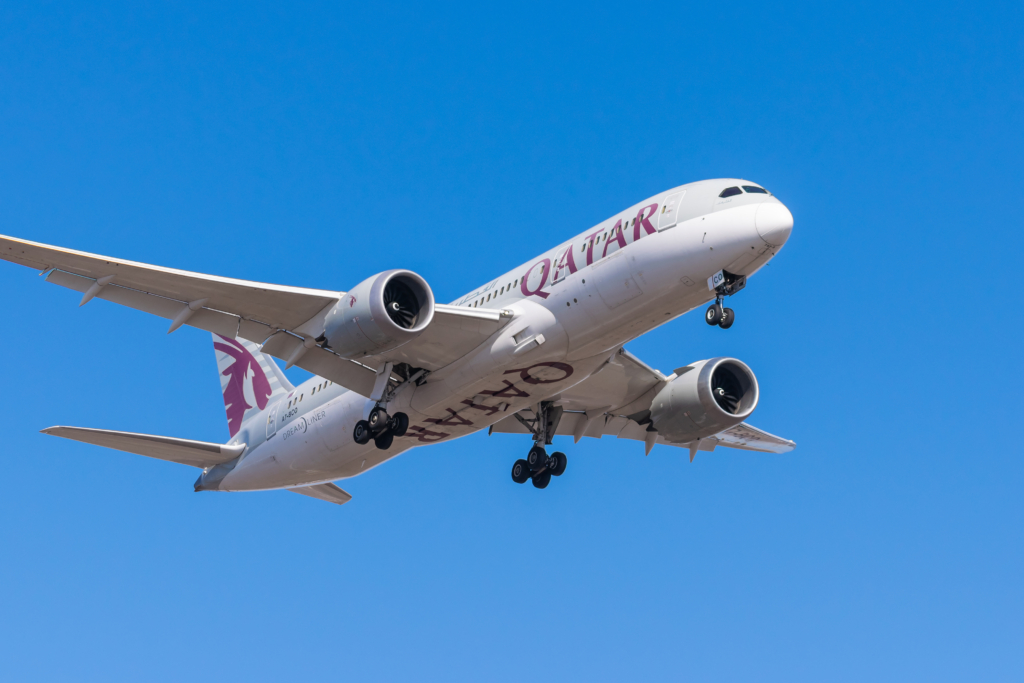
The Boeing 787 was particularly important. The Dreamliner was intended to provide additional capacity and replace older aircraft on routes where its size and efficiency made it attractive.
However, Boeing encountered production and quality problems that disrupted deliveries. The 787 programme experienced inspections, rework and supply-chain constraints, leaving airlines including Qatar Airways waiting for aircraft they had planned around.
Airbus was also dealing with production constraints affecting the A350 and other programmes. Consequently, Qatar Airways found itself with strong demand for aircraft but without all of the new-generation jets it expected to receive.
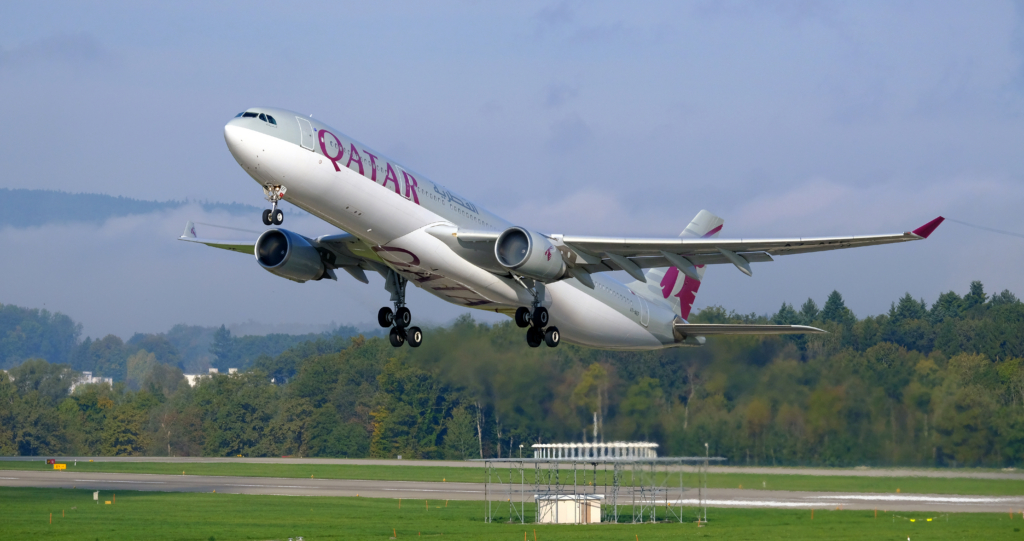
That made continued A330 operation practical. Retiring an aircraft only makes sense when there is another aircraft available to replace its capacity. During the post-pandemic recovery, keeping an older A330 flying could be preferable to having a gap in the schedule.
The aircraft therefore remained useful well beyond the point at which Qatar Airways had originally expected to retire it.
The A350 dispute was eventually settled, removing one of the main reasons for retaining the older aircraft. Qatar Airways and Airbus reached an agreement in 2023, and the airline subsequently returned its grounded A350s to service after repairs.
With the A350 fleet restored and more new aircraft entering the fleet, the need for the A330 gradually diminished.
The Iran conflict changed the direction for the A330
The war involving Iran became another important factor in the A330’s final retirement. After the conflict escalated in 2026, airspace restrictions disrupted aviation across the Middle East.
Qatar Airways was particularly exposed because Doha is a major international connecting hub. Changes to regional flying patterns and weaker demand created an additional reason to reduce or rationalise capacity.
Fuel prices also became a major consideration. Although the A330 remains a capable and widely used aircraft, it cannot match the fuel efficiency of newer A350s and 787s.
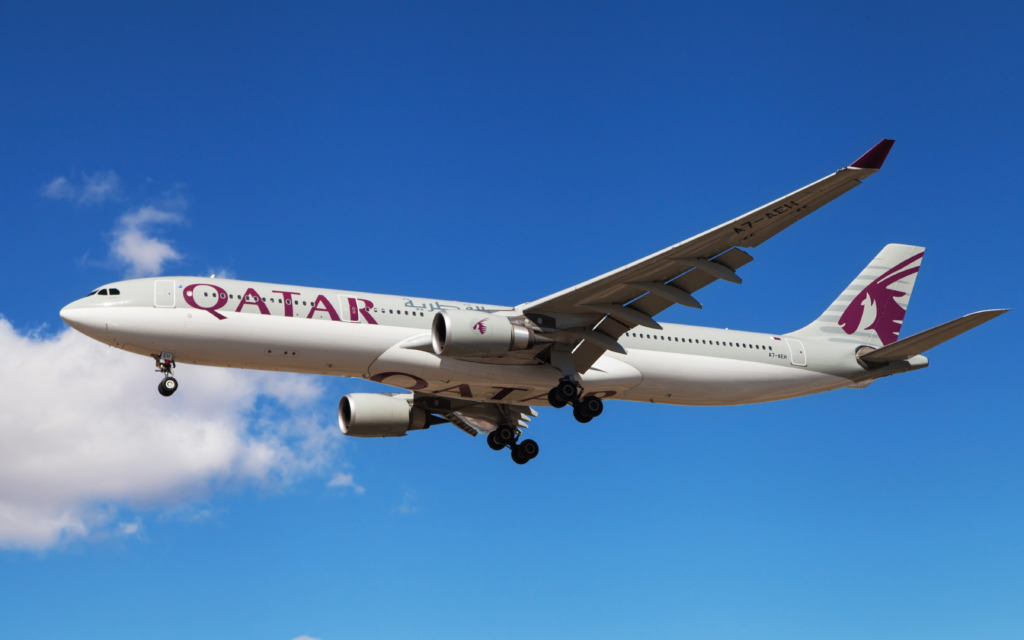
When fuel costs rise substantially, the economic penalty for operating an older widebody becomes harder to ignore.
Qatar Airways had even leased four additional A330s from Oman Air in 2025, apparently expecting to operate them during 2026. However, those aircraft never entered commercial service and remained parked as circumstances changed.
The airline has now retired its remaining A330 passenger aircraft as part of its wider fleet-renewal programme. Qatar Airways says it expects to receive 138 new aircraft over the next five years, reinforcing its strategy of moving towards newer-generation Airbus and Boeing types.
The A330 retirement has created an unexpected crewing opportunity
There is also an important human element to the retirement. Rather than simply leaving A330 crews without flying opportunities, Qatar Airways has arranged voluntary short-term secondments for some of its A330 pilots to RwandAir.
The two airlines already have close links, including a codeshare relationship, and RwandAir has been expanding its own A330 operation.
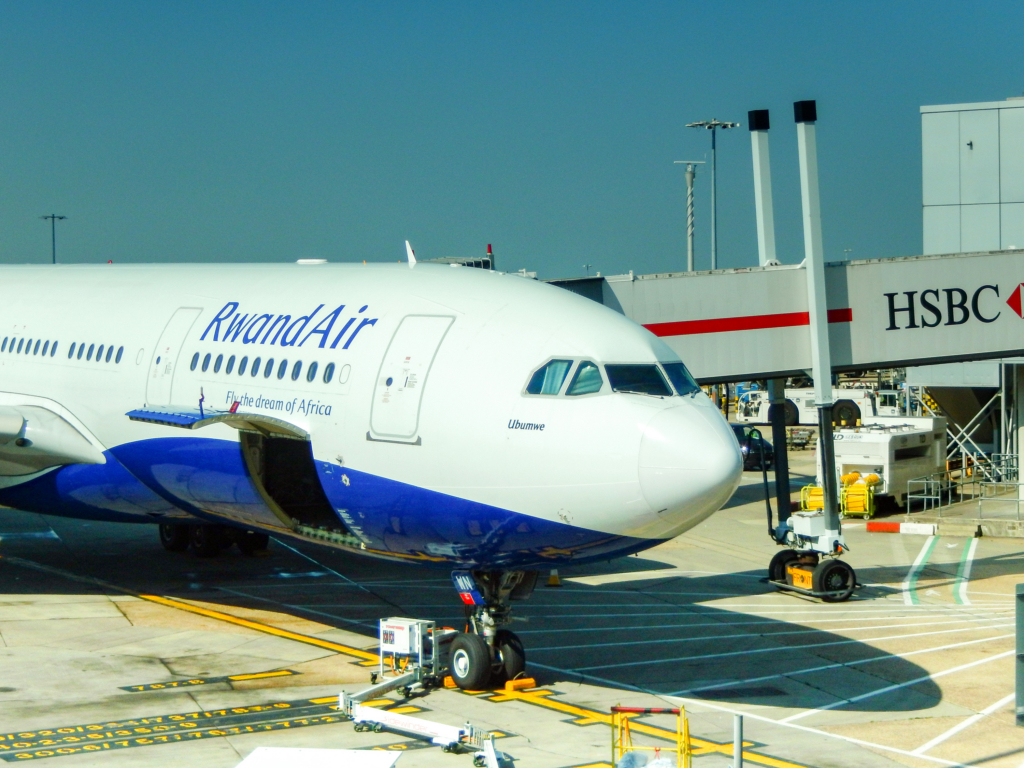
The arrangement allows experienced Qatar Airways A330 crews to continue flying the aircraft type while supporting RwandAir.
One former Qatar Airways A330 has also joined RwandAir’s fleet, creating an especially direct connection between the two airlines’ operations.
The end of the road for Qatar’s A30 fleet
The end of the A330 at Qatar Airways (which, according to Planespotters.net, has operated 45 different airframes including eight freighters) is therefore about more than an ageing aircraft finally reaching retirement. Its prolonged career reflects several extraordinary events that repeatedly changed the airline’s fleet plans.
The aircraft survived because Qatar Airways needed capacity when A350s were grounded over their paint and surface-degradation problems.
It remained useful while Airbus and Boeing struggled with production and delivery delays, including delays affecting A350s and 787s. It then benefited from strong post-pandemic demand, which made available aircraft particularly valuable.
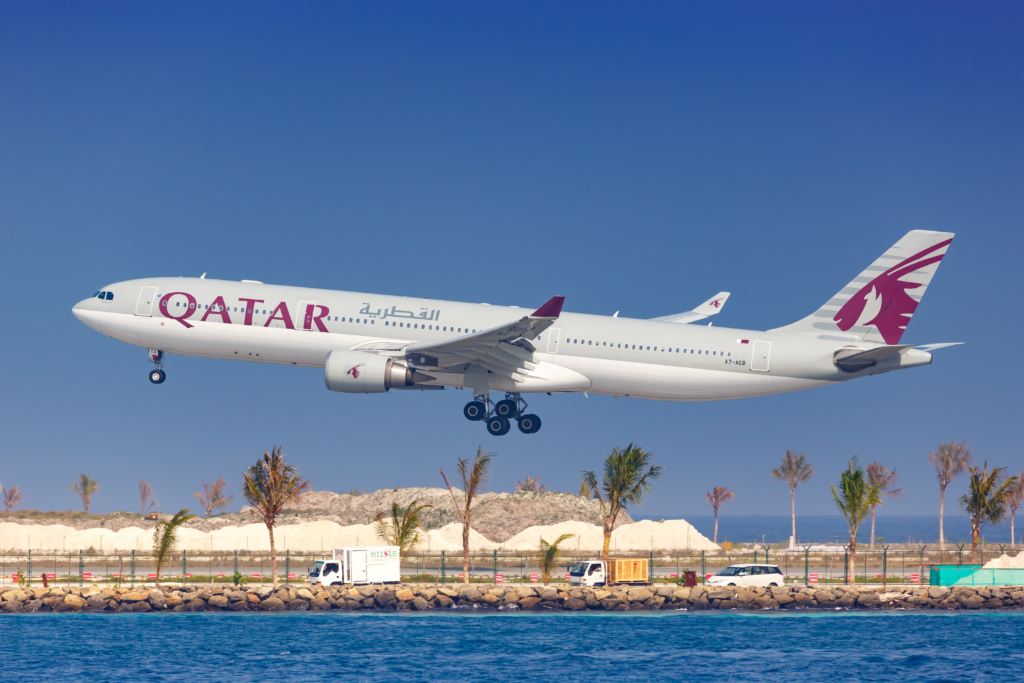
Ultimately, however, the conditions that had prolonged its career disappeared. The A350 fleet returned to service, newer aircraft became available, and the Iran conflict changed the operating environment by disrupting regional aviation and pushing up fuel costs.
For Qatar Airways, the A330 was therefore a remarkably persistent stopgap – an aircraft that stayed because it was needed, even after its planned retirement date had passed. Its final withdrawal signals that the airline now has sufficient newer-generation capacity to leave the type behind.
The A330’s Qatar Airways career has ended, but its final years illustrate how fleet plans can be reshaped by technical disputes, manufacturing delays, geopolitical events, and economics. It remained in the fleet because circumstances repeatedly demanded it. It has now gone because those circumstances have changed.
Sign up for our newsletter and get our latest content in your inbox.


More from


September 25, 20264 min read

September 25, 20264 min read

September 24, 20262 min read


