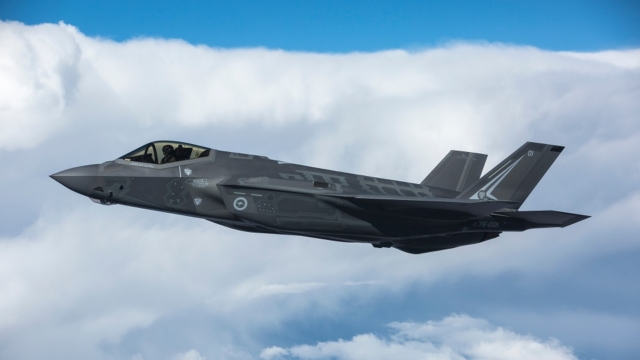
7 next-gen technologies changing the future of air combat

4 min read

From AI-powered mission systems and autonomous wingmen to advanced sensors and new propulsion, here are just some of the next-gen technologies driving the future of air combat.
1. Ultra-long-range air-to-air missiles
The United States and China are currently engaged in a competition to extend the range and effectiveness of their range of air-to-air missiles.
An export variant of China’s PL-15 appears to have given Pakistan a significant beyond-visual-range capability during the 2025 air clashes with India, although analysts caution that tactics, airborne early warning and electronic warfare also contributed to the outcome.
But the PL-15 is no longer the longest-range missile China is believed to have, and it is believed to already have long-range missiles.
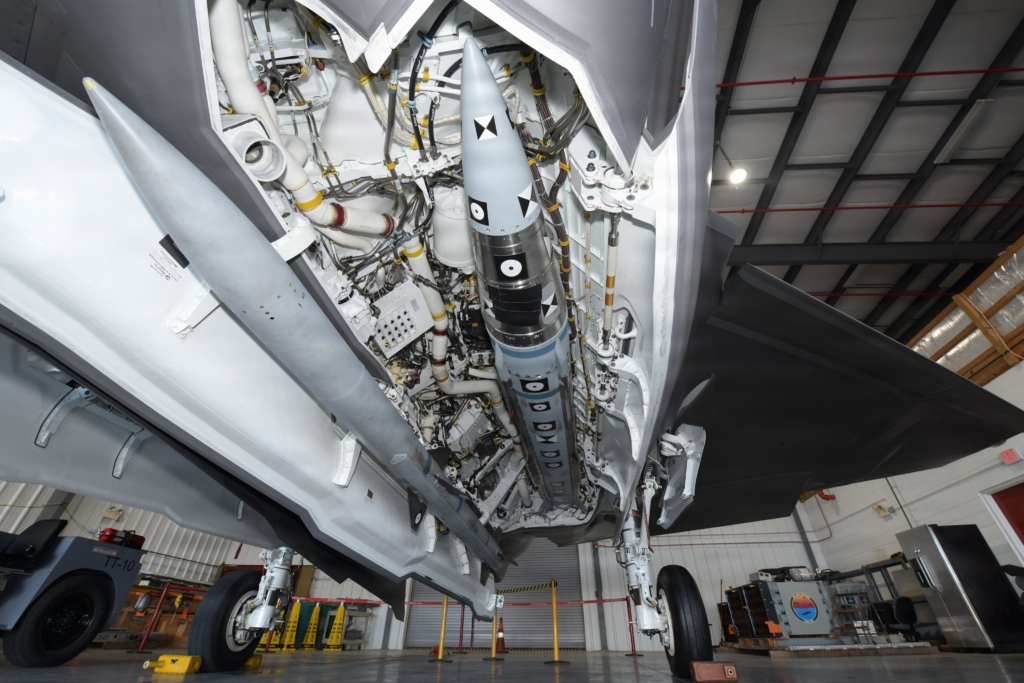
The United States is developing a suite of long-range missiles, including the AIM-260 JATM, the AIM-174B Gunslinger, and the AIM-424 Malice. The Malice is able to fit in the F-35’s internal weapons bay. Ranges are classified and context-dependent, but the Malice range is in excess of 250 nautical miles.
The US has signaled it wants to develop a missile with a range of up to 1,000 nautical miles.
2. Collaborative Combat Aircraft
Collaborative Combat Aircraft (CCAs) are expected to enter service with the USAF around 2029 and be rolled out with the F-22 and then F-35 and other fighter jets.
Manned-unmanned teaming (MUM-T) is seen as a critical part of the future of the air war. The two CCAs being built now for the Air Force’s Increment 1 programme are the Anduril FQ-44 and the General Atomics FQ-42.
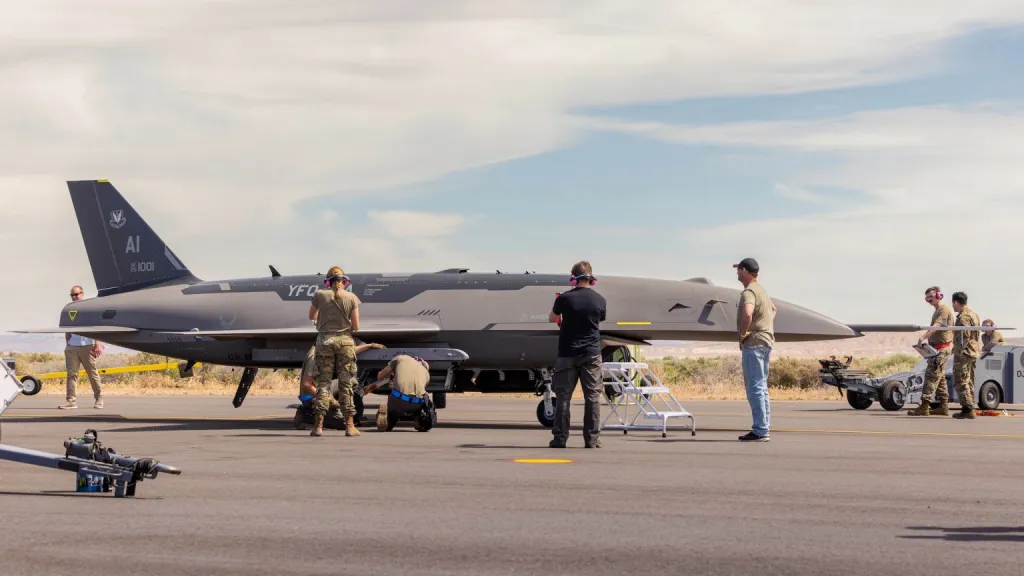
More capable drones like the Boeing MQ-28, Northrop Grumman YFQ-48, and Lockheed Martin Vectis are in development for its more demanding Increment 2 programme, although the MQ-28 was initially developed for Australia.
China has already unveiled many CCA-type autonomous aircraft, while BAE Systems, Dassault, Airbus, Saab, and others are also developing them.
3. Adaptive cycle engines
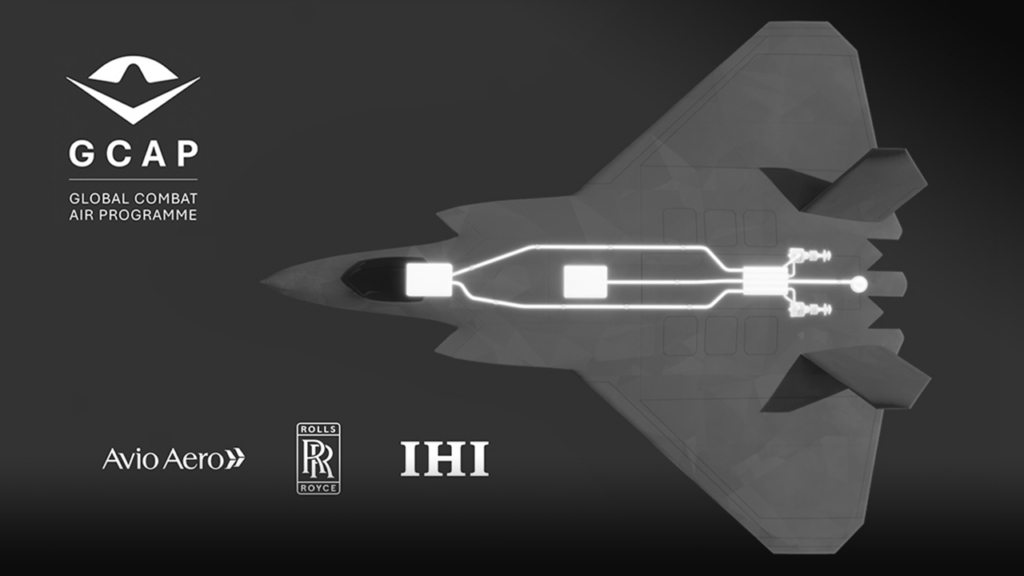
The United States is developing next-generation adaptive cycle engines for its 6th-generation F-47 air superiority fighter jet. Adaptive cycle engines incorporate a variable third bypass stream, allowing them to prioritise either fuel efficiency or thrust depending on the mission.
For the United States, fuel efficiency is of fundamental importance due to its focus on the distances of the Indo-Pacific and China. There, future fighter jets will require a much greater range to operate.
It is believed future missiles and capabilities will make tanker aircraft and forward bases more vulnerable, forcing aircraft to operate longer on internal fuel. The F-47 is listed by the Air Force as having a combat radius of over 1,000 nautical miles or over 300 nautical miles more than today’s fighters.
4. Next-generation thermal management
One of the most overlooked engineering hurdles of next-generation fighter jets is thermal management. Next-generation fighter jets will carry advanced sensors, radars, jammers, and other power-hungry electronic systems.
These electronics will generate a tremendous amount of heat that the aircraft will need to manage and dispose of. An analogy is a smartphone overheating from making a call, running power-hungry apps, being charged, and being exposed to sunlight all at the same time.
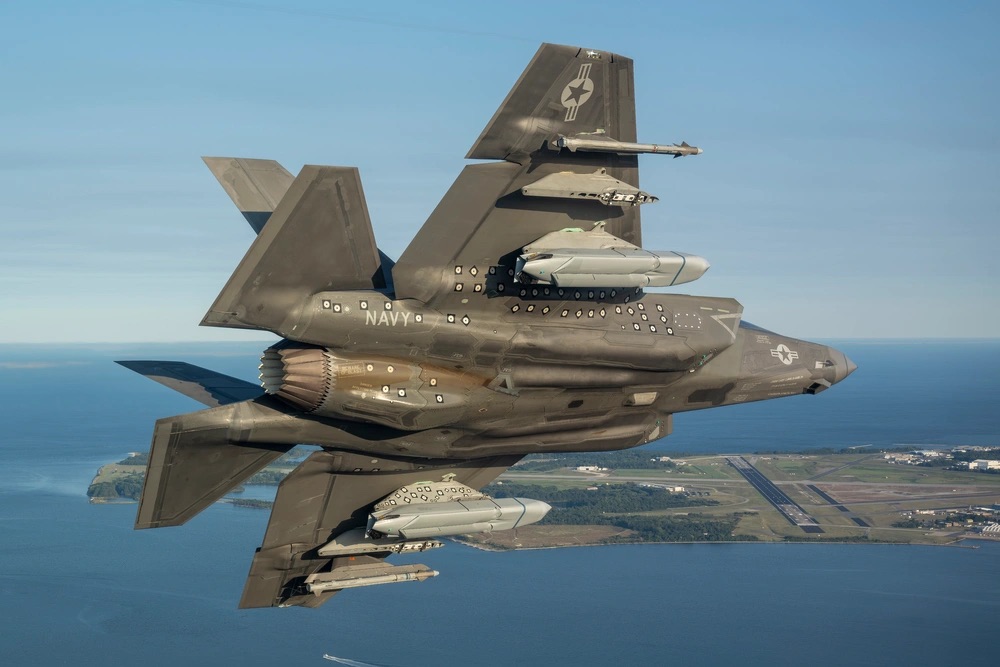
One of the biggest benefits of adaptive cycle engines is the advanced thermal management opportunities they provide. Separately, upgrading the thermal management systems of the F-35 is one of the key bottlenecks of the ongoing Block 4 upgrade.
5. AI Technologies
Artificial intelligence (AI) has become something of a buzzword, but it is real nonetheless. Advanced computing and machine learning are seen as critical to the future of air war.
The F-35’s recently completed Technology Refresh 3 was about upgrading the aircraft’s computing systems that would lay the foundations for its Block 4 upgrades, which will include AI algorithms.
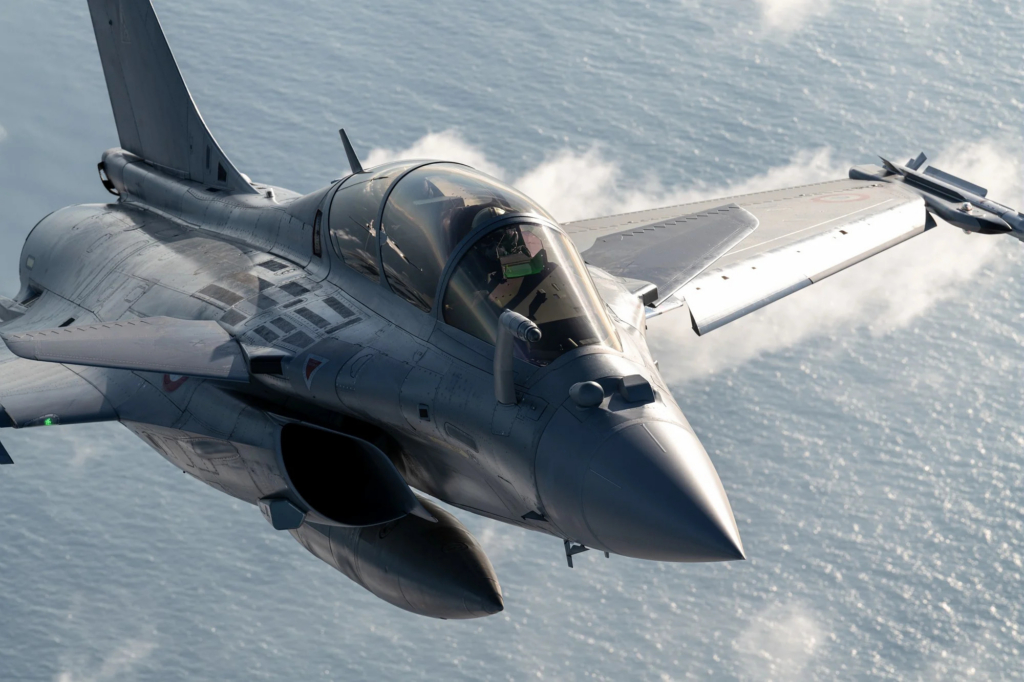
While existing aircraft are being upgraded to incorporate machine learning, future aircraft are being designed from the outset for that and to handle vast quantities of data.
6. Space-based tracking
The Space-Based Airborne Moving Target Indicator (SB-AMTI) is one of the Space Force’s highest-priority sensing programmes. Rather than relying on a handful of vulnerable airborne radar aircraft, it aims to use a large constellation of satellites to provide persistent wide-area tracking of aircraft and other moving targets.
The programme influenced the Air Force’s 2025 decision to cancel the E-7 Wedgetail, although Congress later restored funding for the aircraft. Even if SB-AMTI succeeds, most analysts expect space-based sensing to complement rather than fully replace airborne early warning and battle management aircraft.
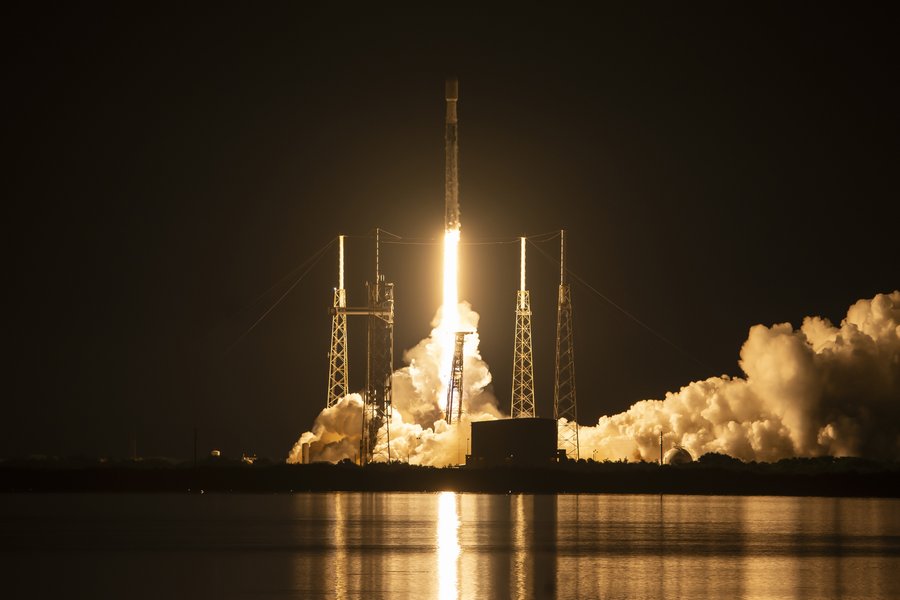
If successfully fielded, such constellations could complicate stealth aircraft by increasing observations for detection and tracking, although their ultimate effectiveness remains unproven publicly.
7. Open architecture and rapid iteration
AGN has previously reported on the tension between the Pentagon and Lockheed Martin over the latter’s proprietary lock on the F-35. This makes it more difficult, more expensive, and slower to upgrade and adapt the fighter jet.
The Air Force and industry are constantly emphasizing that new programmes are open architecture, making it easier for different suppliers to integrate software, sensors, and mission systems without depending entirely on the original manufacturer
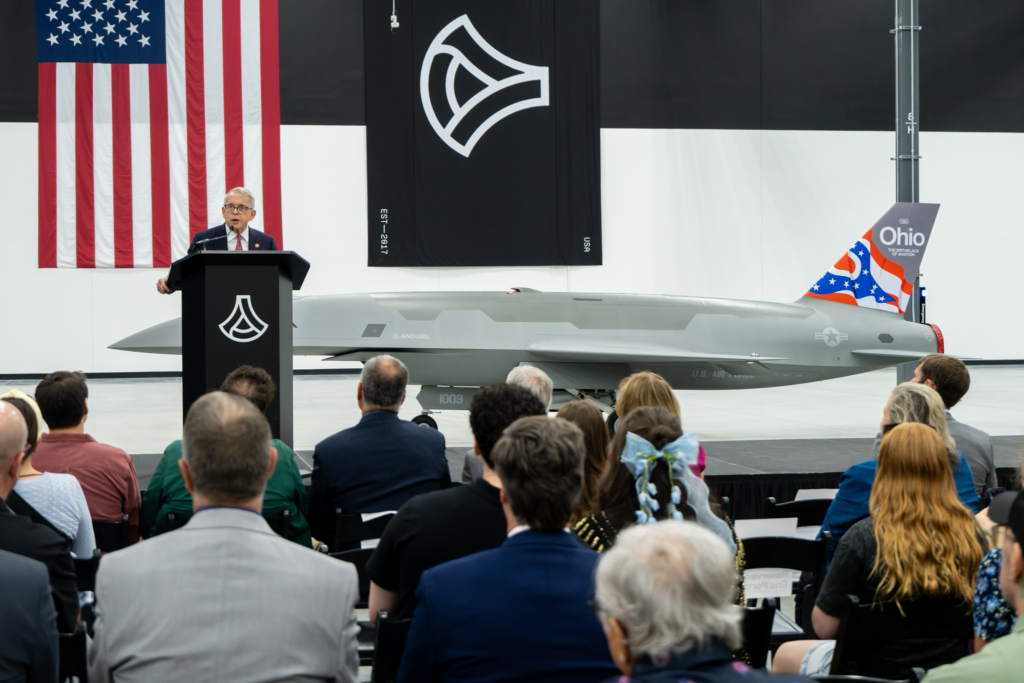
CCA contractors emphasize their platforms can run different types of software, while Shield AI with its Hivemind and Collins with its Sidekick claim their CCA ‘brains’ are platform agnostic.
Rapid iteration and updates are seen as critical to future air war.