


Area 51 explained: The secret aircraft tested there, from the U-2 and A-12 OXCART to stealth technology

8 min read
Drive north-west out of Las Vegas and eventually the casinos, neon and suburbs give way to empty Nevada desert. About 120 miles from the city, near the tiny community of Rachel, State Route 375 has acquired a rather more intriguing name: the Extraterrestrial Highway.
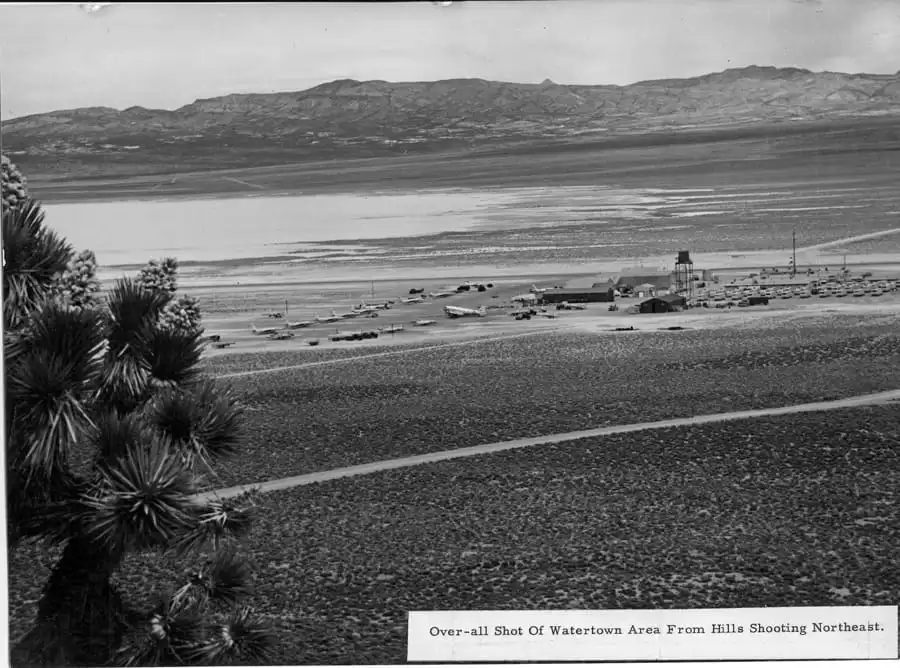
Somewhere off it, an unmarked road disappears towards Groom Lake, a dry salt flat surrounded by mountains. There are warning signs, sensors, restricted airspace and guards. What cannot be seen from the highway is one of the most famous airfields on Earth.
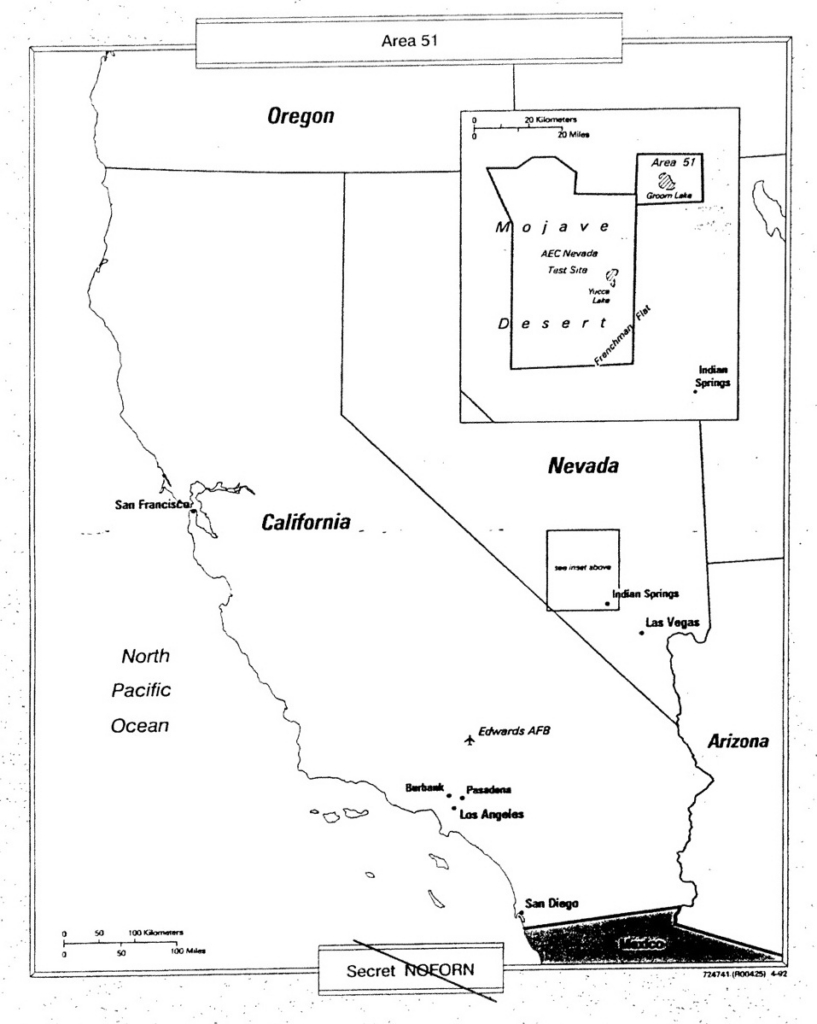
This is Area 51.
Popular culture has filled the desert with crashed flying saucers, aliens and government conspiracies. The documented history is arguably more interesting. Groom Lake is where the United States secretly tested aircraft that changed military aviation: first by flying higher than almost anything else, then faster, and eventually by learning how to become difficult for radar to see.
Area 51 entered the official historical record much more clearly in 2013, when a substantially less-redacted CIA history of the U-2 and A-12 programmes explicitly identified Groom Lake and Area 51.
And much of what happens there today remains classified.
Why Area 51 was built: The secret history of Groom Lake
In April 1955, CIA officer Richard Bissell, US Air Force Col Osmund Ritland and Lockheed’s legendary Skunk Works designer Clarence “Kelly” Johnson flew over Nevada looking for somewhere to test a radically new reconnaissance aircraft.
They spotted Groom Lake.
The location had previously been used as an aerial gunnery range. More importantly, it was remote, surrounded by mountains and next to the Atomic Energy Commission’s Nevada proving grounds. Keeping curious civilians away was considerably easier there than around an ordinary airfield.
The dry lake bed also provided an enormous natural landing area.
President Dwight Eisenhower approved adding Groom Lake to the restricted area, and work began on the facility that year. “Area 51” came from its map designation, although Johnson tried something rather more appealing when recruiting people to spend their working lives in the desert: Paradise Ranch. It soon became simply “the Ranch”.
There were other names over the years – Watertown and Dreamland among them.
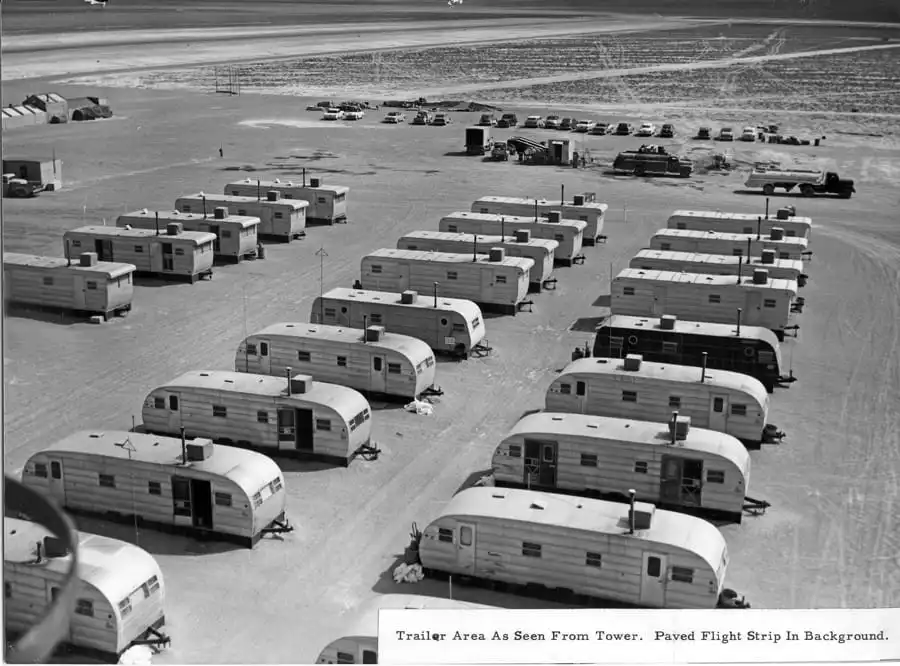
The first aircraft waiting for them in Nevada was unlike anything airline pilots were accustomed to seeing.
How the U-2 spy plane turned Area 51 into America’s most secret airbase
America needed to know what the Soviet Union was doing behind the Iron Curtain. Satellites were not yet available to provide the answer, while conventional reconnaissance aircraft were vulnerable to Soviet fighters and air defences.
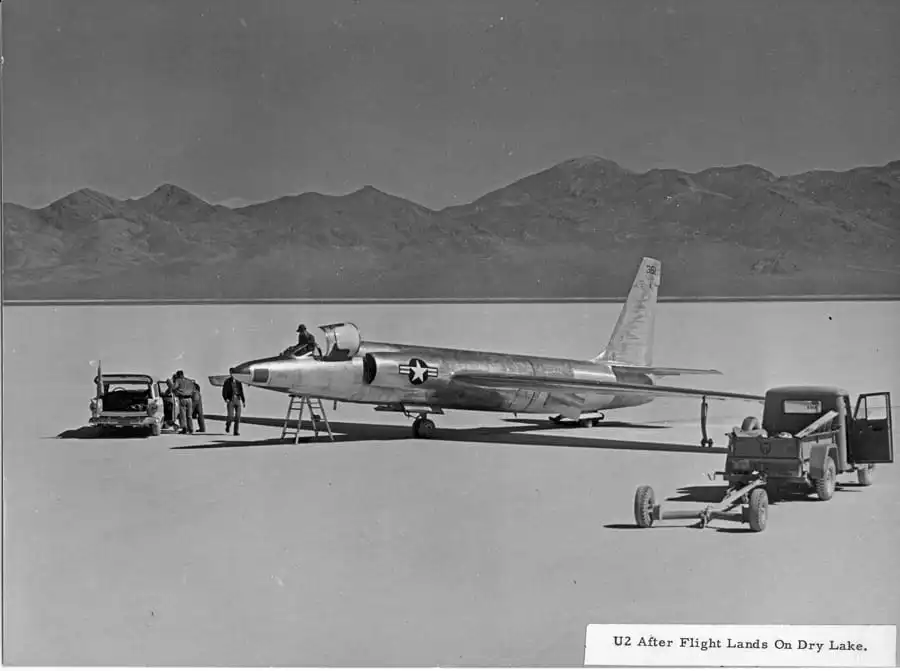
Lockheed’s solution was the U-2.
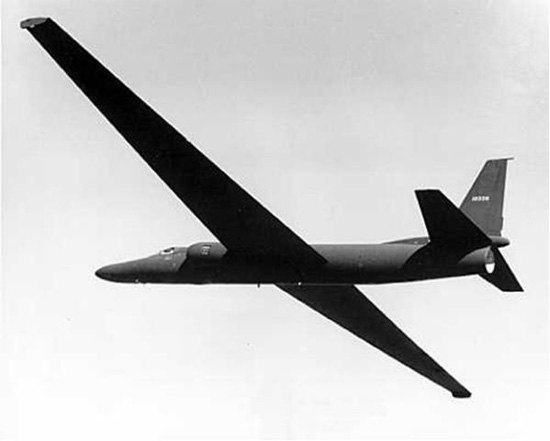
Its advantage was altitude. In the mid-1950s, when airliners commonly flew between roughly 10,000ft and 20,000ft, the slender U-2 was operating around 60,000ft and above.
Groom Lake became its secret home.
There was even an accidental preview of what was coming. On August 1, 1955, Lockheed test pilot Tony LeVier was conducting a high-speed taxi run when the U-2 unexpectedly lifted off. Its first planned test flight followed days later.
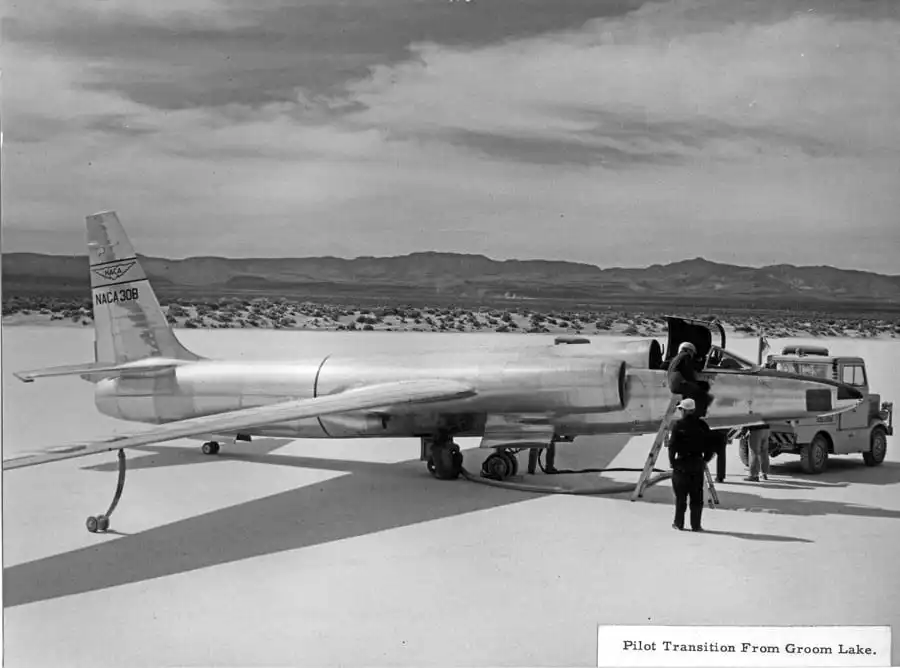
The aircraft gave the US an extraordinary new intelligence capability. Cameras carried high above hostile territory could photograph vast areas below, while other equipment collected electronic intelligence.
But the U-2 also inadvertently helped create the mythology that would eventually engulf the place where it was born.
People looked up and saw something that, by the standards of 1955, should not have been there.
Early U-2s had a silver finish that could catch sunlight at altitude, particularly around dawn and dusk. An airliner crew flying thousands of feet below might already be in darkness while the U-2 remained high enough to reflect the sun.
Reports of mysterious objects began arriving.
The CIA later concluded that U-2 and subsequent OXCART flights accounted for more than half of UFO reports during the late 1950s and 1960s.
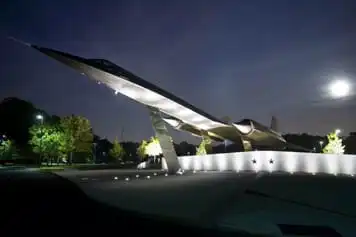
There was an obvious problem with explaining them: the government could hardly tell witnesses they had seen a secret American spy plane.
Sometimes secrecy did more for the UFO story than any flying saucer could.
The A-12 OXCART: The Mach 3 spy plane tested at Area 51
The U-2’s altitude did not make it invulnerable. Soviet radar could track it, and in May 1960 Francis Gary Powers was shot down while flying a U-2 over the Soviet Union.
By then, work was underway on something far more ambitious.
The CIA’s A-12 OXCART was intended to survive not simply by flying extremely high, but by travelling at extraordinary speed while reducing its radar signature.
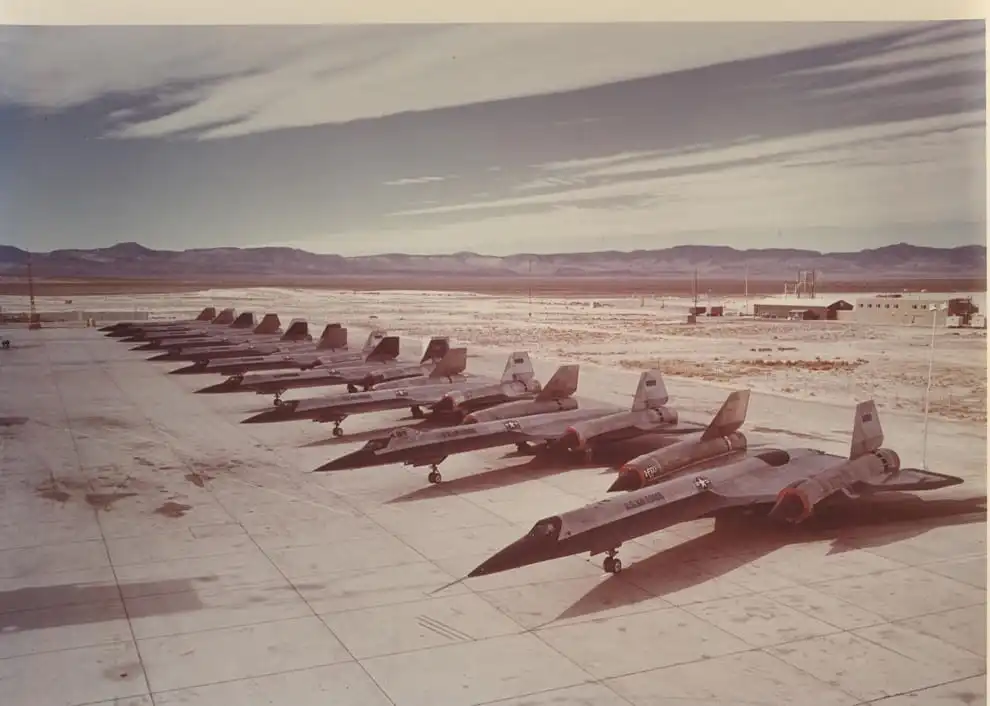
Again, Lockheed’s Skunk Works built it. And, Groom Lake was where the secret aircraft came to fly.
The first A-12 arrived there in December 1961. Its first test flights followed in April 1962.
The engineering challenge was formidable. Sustained Mach 3 flight demanded advances in titanium construction, engines, fuel, lubricants, navigation, flight controls, electronic countermeasures and pilot life-support systems. The A-12 eventually demonstrated sustained speeds around Mach 3.2 at 90,000ft.
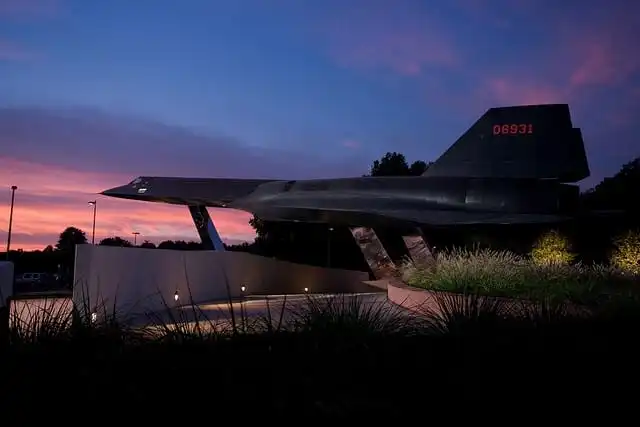
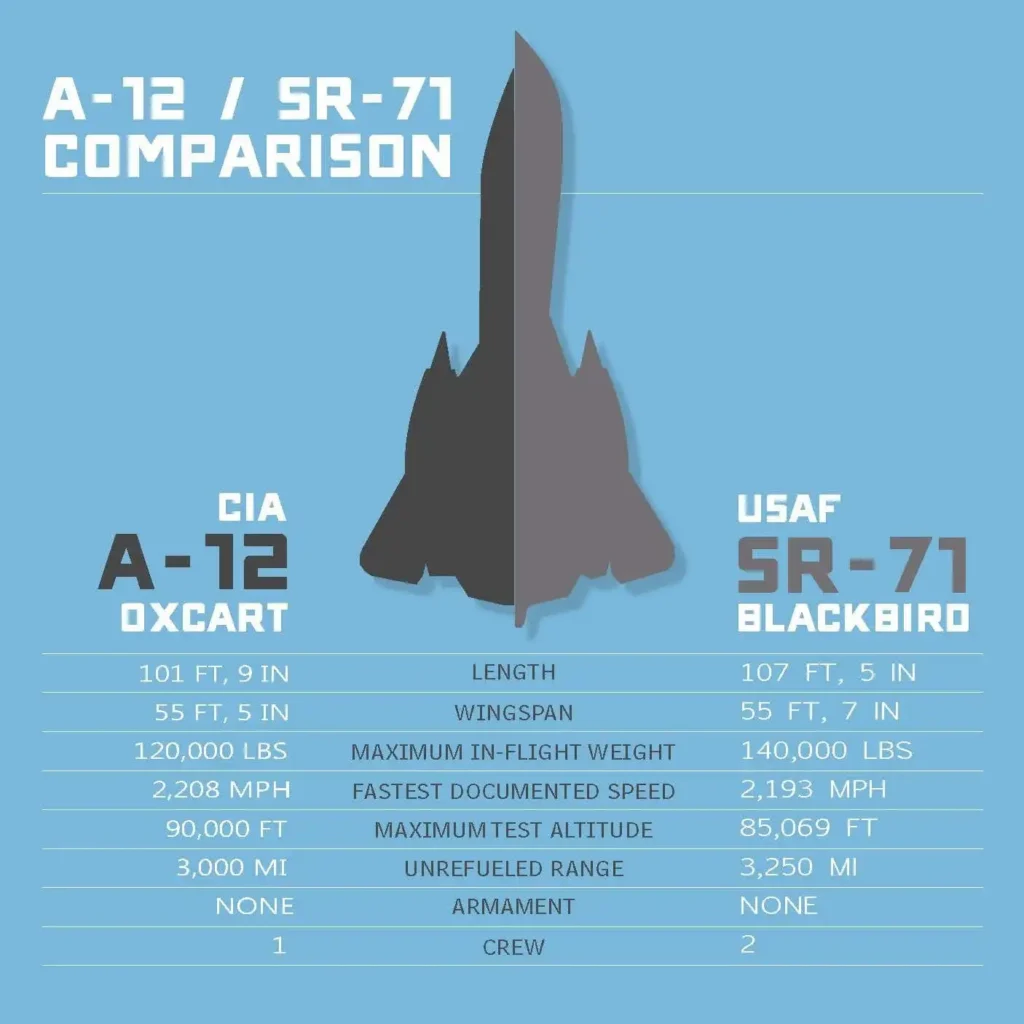
It was one of the extraordinary achievements of Cold War aviation and led into the Blackbird family, including the better-known US Air Force SR-71.
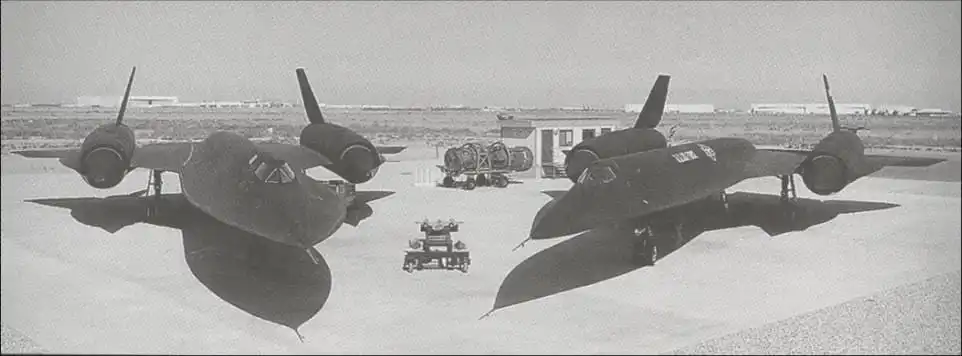
This distinction matters when discussing Area 51. Numerous aircraft have become associated with Groom Lake in books and popular accounts. The A-12’s testing there is directly documented by the CIA. Claims surrounding other programmes are sometimes less precise, and the A-12 and SR-71 are frequently and incorrectly treated as though they were the same aircraft.
Have Blue and the birth of stealth aircraft at Area 51
By the 1970s, the challenge had changed again.
Instead of simply outrunning or overflying radar-controlled defences, could an aircraft be shaped so radar struggled to detect it in the first place?
The strange little aircraft built to answer that question was called Have Blue.
It looked nothing like the graceful U-2 or menacing A-12. Flat surfaces and sharp angles gave it an appearance that seemed almost deliberately hostile to conventional aerodynamics.
That was because Have Blue had been designed around radar behaviour.
Lockheed engineers used computer modelling to predict how different shapes reflected radar energy. The aircraft’s faceted surfaces were intended to scatter that energy away from the radar rather than send a strong return straight back.
On December 1, 1977, Lockheed test pilot Bill Park took the first Have Blue prototype into the air from Groom Lake.
Both prototypes were eventually lost in accidents, but that did not make the programme a failure. Have Blue demonstrated that an aircraft could achieve extremely low radar observability against sophisticated air and ground defence systems.
Its success led directly to the F-117 Nighthawk.
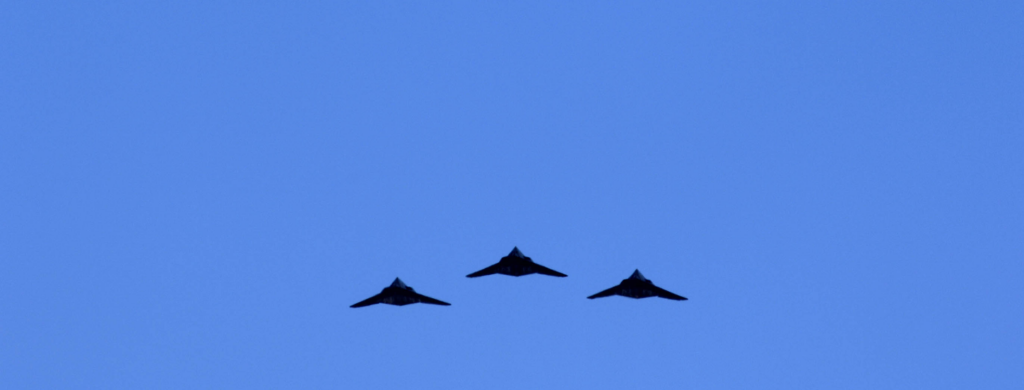
The F-117 itself first flew in 1981 and remained secret for years, becoming the world’s first operational aircraft designed around stealth technology. The programme was not publicly acknowledged until 1988.
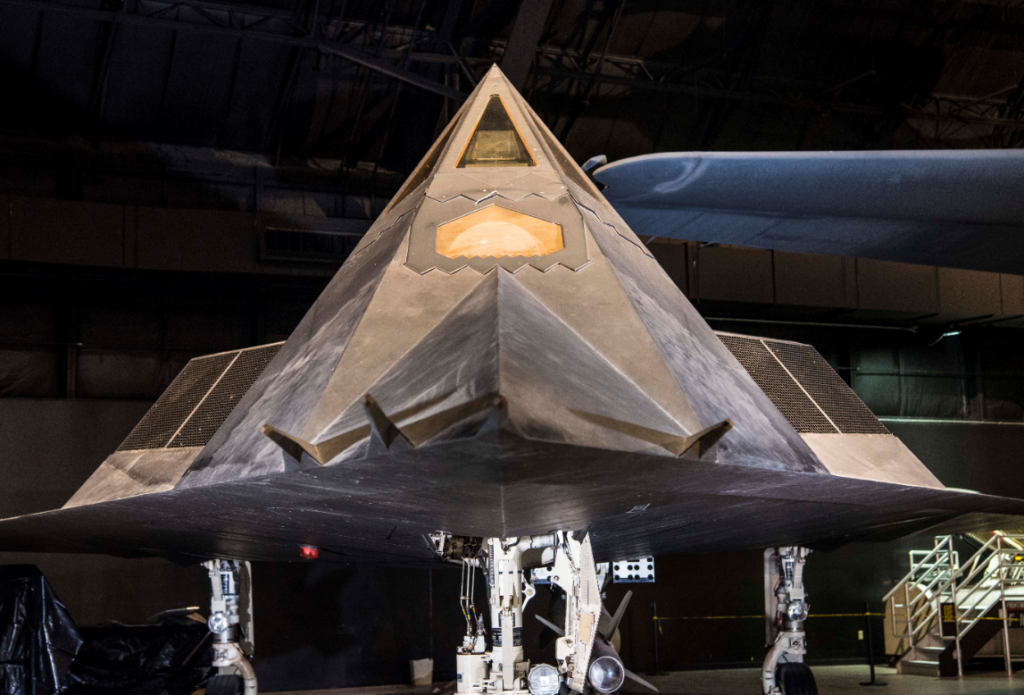
Over little more than two decades, Groom Lake had moved from testing an aircraft designed to escape defences through altitude, to one relying on extreme altitude and speed, and finally to an experimental aircraft built around an entirely different idea: avoiding radar detection in the first place.
How Area 51 sparked UFO and alien conspiracy theories
That history helps explain why Area 51 became fertile ground for UFO stories.
The public was seeing unusual lights and aircraft while being told almost nothing about the machines being tested. Some sightings undoubtedly had mundane explanations; others involved technology that genuinely was secret at the time.
Then the stories grew.
Claims of recovered extraterrestrial spacecraft, alien bodies and reverse-engineering programmes became attached to Area 51. The mythology accelerated after Bob Lazar claimed in 1989 that he had worked with alien technology near the facility. No credible evidence has established that Area 51 houses extraterrestrial spacecraft or life.
Yet the secrecy that protected genuine programmes made increasingly exotic claims difficult to kill.
The fascination survives. Rachel has embraced its place in UFO folklore, while the nearby highway, alien-themed businesses and visitors hoping to glimpse something strange have turned one of America’s most restricted places into an unlikely tourist attraction.
What aircraft are tested at Area 51 today?
Area 51 remains active.
Workers still reach the restricted Nevada facilities aboard the discreet passenger operation known as Janet.
AGN previously reported that its unmarked Boeing 737-600s operate from a private terminal at Las Vegas’ Harry Reid International Airport, carrying military personnel, government civilians and contractors into classified sites including Area 51 and the Tonopah Test Range.
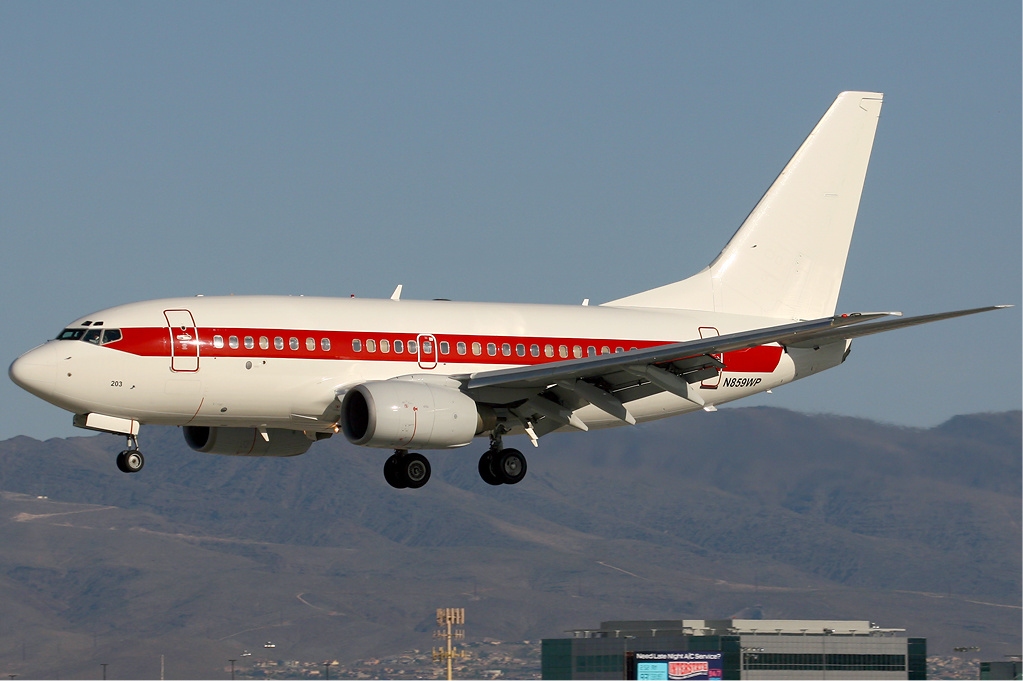
What those passengers work on after they arrive is another matter.
The historical record now allows us to say confidently that Groom Lake played a central role in the U-2, A-12 OXCART and Have Blue programmes. The F-117 followed the stealth path opened there.
Other aircraft and classified technologies have been connected with the base over the decades, but association is not the same as documented testing, particularly when official records remain sealed.
That distinction is part of Area 51’s enduring appeal.
The remarkable thing about Groom Lake is not that we know nothing about it.
It is that every time another chapter of its history eventually becomes public, the machines that were really flying over the Nevada desert often turn out to be more interesting than the myths.
Sign up for our newsletter and get our latest content in your inbox.


More from


September 17, 20265 min read

September 17, 20263 min read


September 18, 20263 min read

