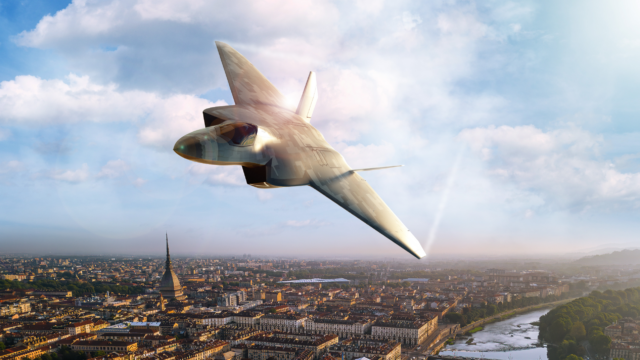
From Geran-5 to Oreshnik: The drones and missiles Russia is using in 2026

8 min read
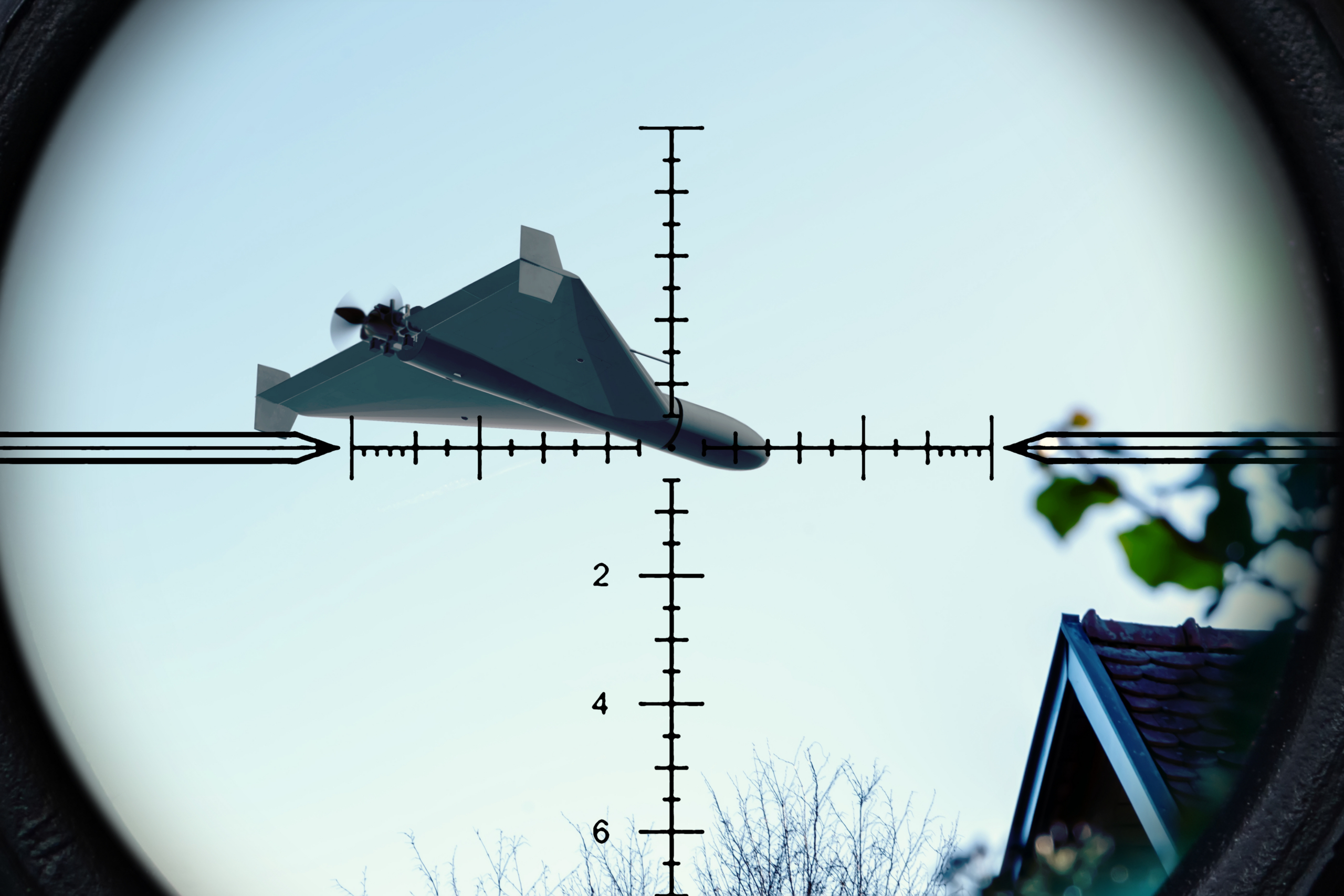
Russia’s long-range strike arsenal over Ukraine has changed markedly in 2026. The missile has not disappeared. It has acquired a much larger and increasingly varied unmanned companion.
At one end is the familiar propeller-driven Geran-2 launched in huge numbers and mixed with decoys.
At the other are weapons such as the Oreshnik intermediate-range ballistic missile, Kh-47M2 Kinzhal and 3M22 Zircon. Between them sit jet-powered Geran drones, Iskander ballistic and cruise missiles, Kh-101s, Kalibrs and smaller weapons such as the S8000 Banderol.
The numbers show just how far the balance has moved towards drones.
Ukraine’s Ministry of Defence recorded 8,351 aerial attack weapons in May alone, of which 8,150 were UAVs and 211 were cruise or ballistic missiles.
Russia’s missile use has nevertheless remained substantial. Ukrainian Air Force data assessed by the Institute for the Study of War indicates that at least 376 missiles were launched in July, the highest monthly figure since Russia began its large-scale missile and drone campaign.
The result is no longer simply a missile campaign supplemented by drones. It is an increasingly broad family of weapons, from cheap decoys to hypersonic systems, being used in the same airspace.
Geran-2 remains the workhorse
The Geran-2, Russia’s designation for the Iranian-designed Shahed-136, remains the backbone of the unmanned campaign.
Russia now manufactures the aircraft domestically, allowing it to employ them on a scale that would be difficult to sustain using imported stocks alone. CSIS estimates that Russia was deploying more than 5,000 Shahed-type drones per month on average by early 2026.
The basic aircraft is relatively simple. CSIS lists the Shahed-136 at roughly 200kg, with a payload in the 20- 50 kg range, a speed of about 180km/h and an estimated range of 1,000- 2,500 km.
Numbers are its real advantage.

Geran-2s can be sent along different routes and at different altitudes, forcing radars and air-defence units to track large numbers of targets. Not every object in such a formation necessarily carries a warhead.
Russia also uses Gerbera UAVs, which can operate as decoys, reconnaissance platforms or carry explosive payloads. Their presence makes a large incoming formation harder to classify because defenders cannot immediately assume that a radar return represents either a harmless decoy or an armed aircraft.
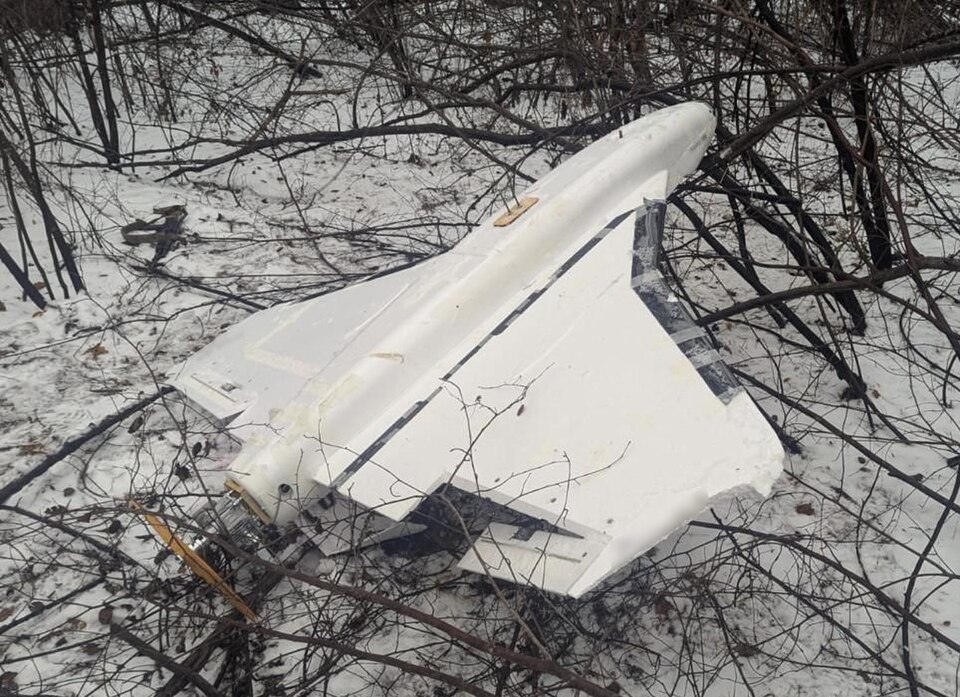
Pravda quoted Major General Vadym Skibitskyi, Deputy Head of Defence Intelligence of Ukraine (DIU), as saying that Russia’s military-industrial complex plans to manufacture 11,000 attack drones of various types in August 2026.
Skibitskyi in an interview with RBC-Ukraine said: “The planned output of Russia’s military-industrial complex for attack drone production this August – Geran-1, Geran-2, Geran-3, Geran-4, Geran-5, Garpiya, Gerbera, Gerbera-Kamikaze, Gerbera Seeker – is 11,000 pieces.”
That distinction is becoming increasingly important as Russian salvo sizes grow.
The Geran family has gone jet-powered
The most interesting change in 2026 has been the arrival of faster Geran variants.
The Geran-3, based on the Iranian Shahed-238 concept, replaces the piston engine of the Geran-2 with jet propulsion. Russia had begun domestic production of its version by 2025.
Then came the Geran-4.
Ukraine’s Defence Intelligence says Russia began combat employment of the aircraft in May 2026. This is more than a Geran-2 with another engine. The Geran-4 has a new reinforced airframe designed for higher-speed flight and manoeuvring, coupled with a turbojet.
The Russian defence industry produces about 3,000 Geran-4/5 kamikaze drones per month, Militarnyi quoted Defence Intelligence of Ukraine (DIU).
According to Ukrainian intelligence, it can reach about 500km/h, operate at up to 5,000m and carry either a 50kg warhead or, in some configurations, a 90kg thermobaric payload. Its stated range is up to 450km.
Published Ukrainian materials state that both the Geran-4 and Geran-5 drones can be equipped with R-73 air-to-air missiles, similar to the already operational Geran-2 fitted with the R-60.
— OSINTWarfare (@OSINTWarfare) January 11, 2026
They also illustrate both Geran variants, not just the Geran-5, being launched from Su-25… https://t.co/uxasTnlQdX pic.twitter.com/W49u74lbe3
The Geran-5 is larger again and looks much less like the delta-wing Shahed that started the family.
First documented in attacks at the beginning of January, it uses a conventional aircraft configuration.
Ukrainian Defence Intelligence lists it at around 6.5m long, 3.2m in wingspan and 850kg maximum take-off weight. Its 90kg warhead is paired with a claimed range of about 950km and a cruise speed of 450-600km/h.
Militarnyi said, according to the Main Intelligence Directorate, as of August, Russian industry is producing about 3,000 Geran-4/5 kamikaze drones and about 2,800 Geran-2 strike drones each month.
Un nuevo Geran-5 ruso, equipado con motor a reacción, fue observado sobre Cherníhiv antes de impactar contra un almacén, según los reportes difundidos junto con las imágenes.
— Zona Defensa (@ZDefensa) August 26, 2026
A diferencia del Geran-2 con hélice, esta nueva variante presenta una configuración más cercana a la de… pic.twitter.com/mpeXYQvIqI
That creates a very different interception problem from a slow Geran-2.
Russia is also expanding launch infrastructure. ISW has reported work on longer launch rails at sites near Ukraine and Belarus assessed as capable of supporting the larger Geran-4 and Geran-5.
A drone that can shoot back
Some Geran modifications are taking an even stranger direction.
Ukraine’s Defence Intelligence has documented Geran-2s fitted with air-to-air weapons.
One version carries the Soviet-designed R-60 air-to-air missile. Another combines the drone’s own explosive warhead with a Verba man-portable surface-to-air missile. The Verba-equipped version includes an electro-optical camera and communications equipment for real-time operator control. The apparent target is not another drone.
Ukraine has increasingly used helicopters and aircraft as part of its effort to intercept Russian one-way attack UAVs. Giving a Geran an air-to-air weapon potentially turns the hunted drone into a threat to the aircraft sent after it.
Closer to the battlefield, Russia operates an even wider UAV inventory. Lancet remains an established loitering munition, while inexpensive Molniya aircraft and huge numbers of FPV drones fill the tactical and operational-depth layers. Fibre-optic FPVs have become particularly useful where conventional radio links are vulnerable to electronic warfare.
Iskander provides the ballistic punch
If Geran provides numbers, Iskander-M remains one of Russia’s principal weapons for speed and heavier strike effects.
The 9M723 is a road-mobile short-range ballistic missile. Its high-speed trajectory leaves defenders considerably less reaction time than a slow-moving drone or subsonic cruise missile.
The Iskander family can cause some confusion because Iskander-K is a cruise-missile system, despite sharing the name. Ukraine reported intercepting 24 Iskander-K cruise missiles in May alone.
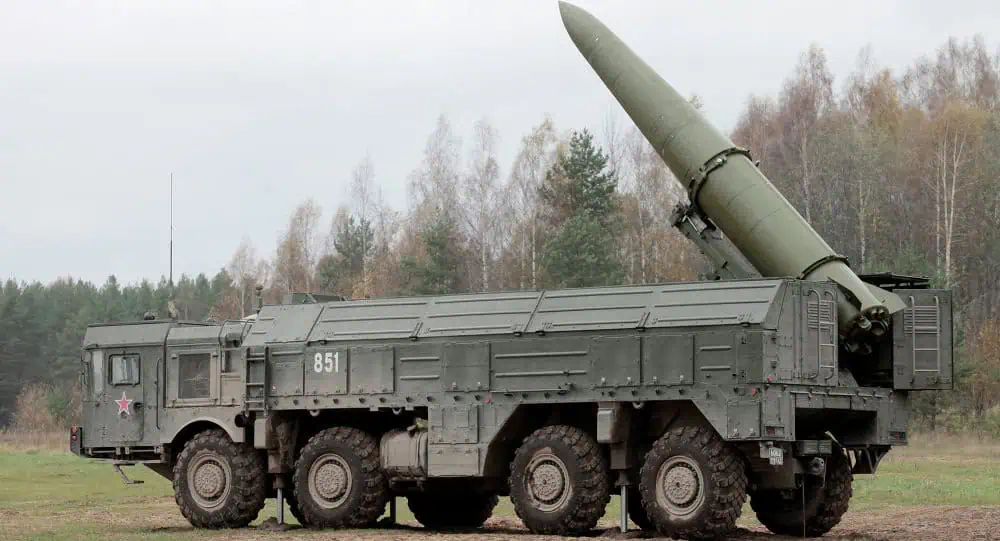
Russia has also continued using North Korean KN-23/KN-24 ballistic missiles, which Ukrainian reporting frequently groups with the ballistic threat.
And 2026 has seen greater ballistic intensity. ISW’s assessment of July indicates Russia fired more than 120 Iskander-M, S-400 and KN-23 ballistic missiles during the month.
Kinzhal and Zircon occupy the high-speed end
Above that sits a smaller group of high-speed weapons.
The Kh-47M2 Kinzhal is an air-launched aeroballistic missile normally carried by specially adapted MiG-31K aircraft. Its speed and flight profile make it one of the more demanding targets for air defence.
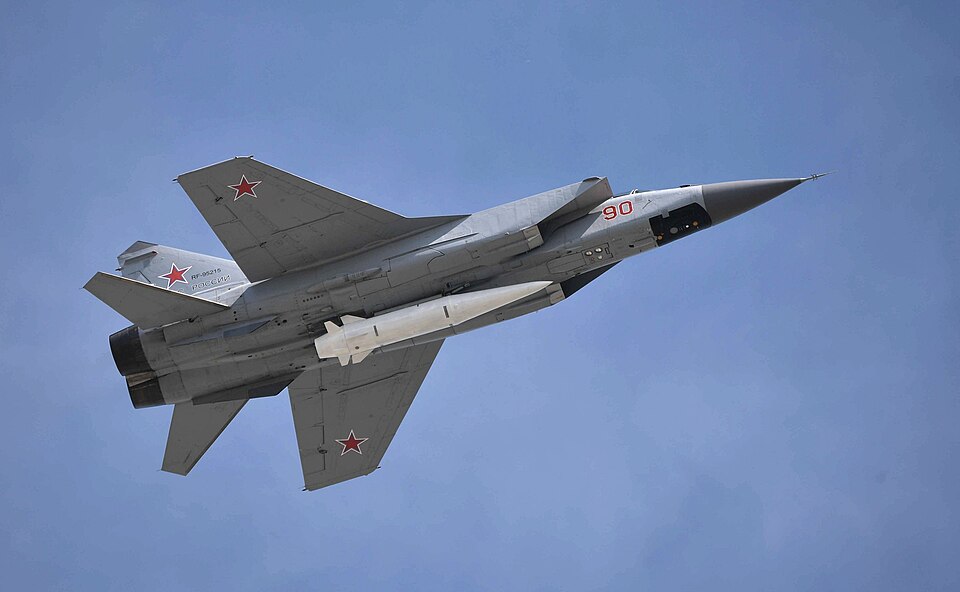
Russia continues to use it in mixed attacks. Ukraine said two Kinzhals were intercepted during May.
The 3M22 Zircon, developed primarily as a ship-launched hypersonic missile, has also appeared repeatedly against land targets.
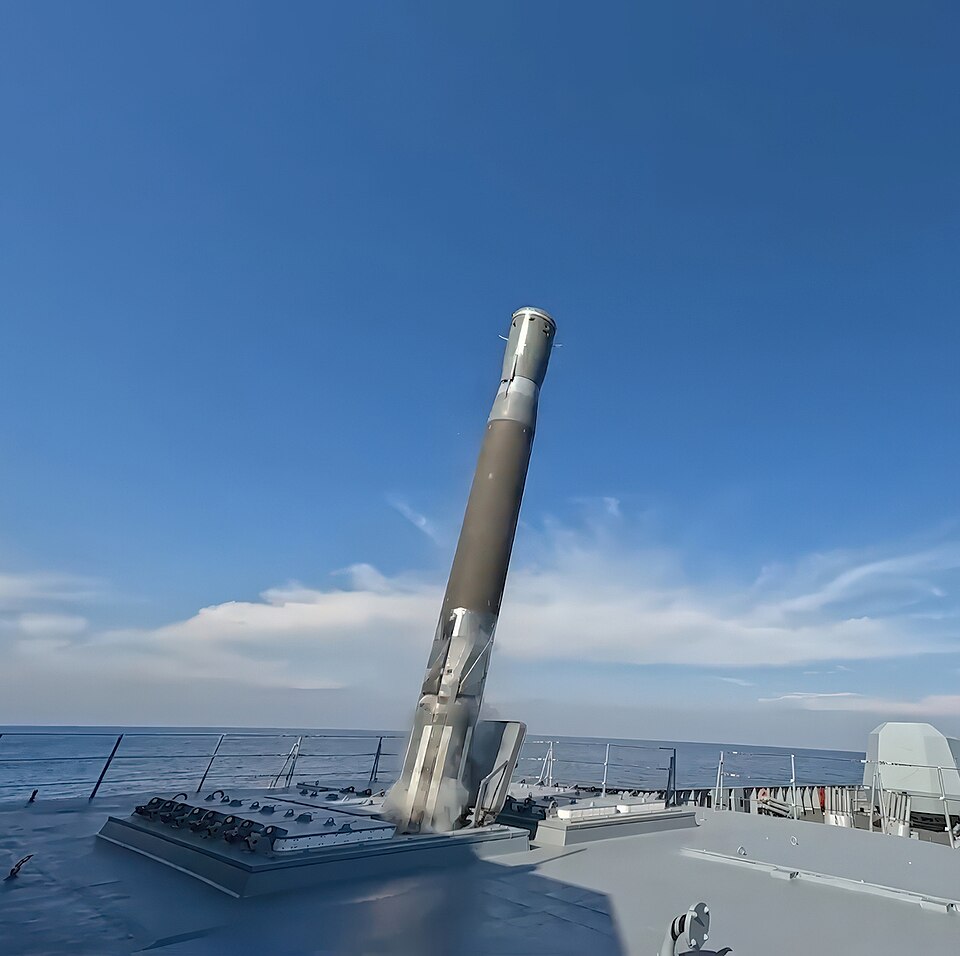
Its growing use is notable. ISW assessed that Russia launched more than 30 Zircon/Onyx missiles during July, suggesting that weapons originally associated principally with maritime strike are becoming a more visible part of the land-attack inventory.
Oreshnik returns
The biggest weapon in this increasingly crowded inventory is Oreshnik.
Russia first used the intermediate-range ballistic missile against Dnipro in November 2024. It returned to combat in January 2026, when Russia said it had fired one against Ukraine. The missile is nuclear-capable, although there was no indication that the January weapon carried a nuclear warhead.
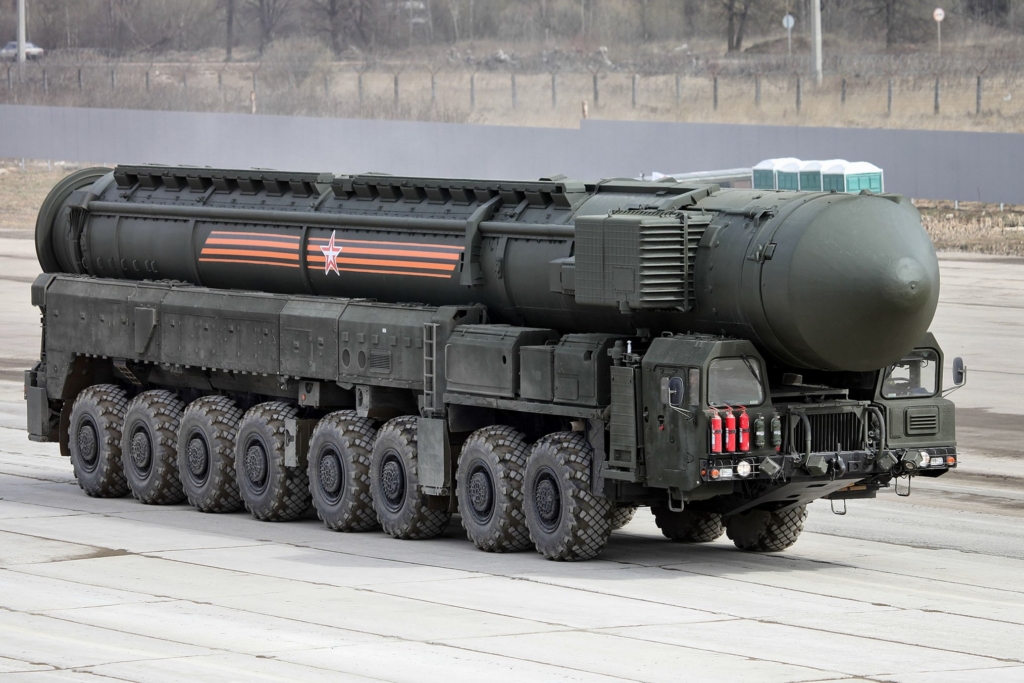
It appeared again on 24 May. According to Le Monde, Ukraine confirmed an Oreshnik strike on the Bila Tserkva area during an enormous combined attack involving 600 drones and 90 missiles. The package also included Kinzhals, Zircons, Iskander-type ballistic missiles and more than 50 cruise missiles.
There may have been a second Oreshnik. ISW assessed that Russia likely launched another missile that malfunctioned and came down in the Russian-occupied Donetsk region, but Ukraine officially confirmed only one Oreshnik launch that night.
That distinction is worth retaining because reliable technical information about Oreshnik remains limited.
Kh-101 and Kalibr are still doing the traditional work
For all the attention attracted by new drones and hypersonic weapons, Russia’s established cruise missiles remain firmly in the inventory.
The air-launched Kh-101, carried by Tu-95MS and Tu-160 bombers, continues to appear in large strike packages. Ukraine reported intercepting 50 Kh-101s during May.
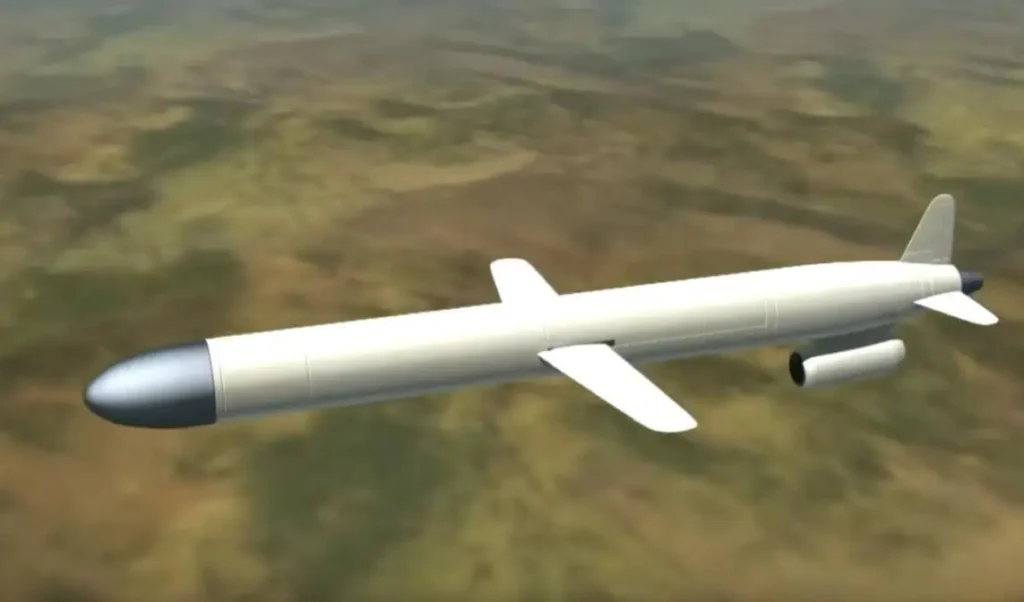
The sea-launched 3M-14 Kalibr performs a similar long-range role from naval launch platforms. Eleven were reported intercepted during May.
The Kh-59/Kh-69 family provides another air-launched precision-strike option, while shorter-range air-to-surface weapons remain in use nearer the battlefield.
There is also S8000 Banderol, an unusual weapon that sits somewhere between the familiar categories of cruise missile and long-range unmanned strike system. Ukraine’s Defence Intelligence now includes it among Russian weapons whose components have been recovered and analysed.
Taken individually, much of Russia’s arsenal is familiar
The more important development in 2026 is how broad the menu has become.
A slow Geran-2 and a Gerbera can put numbers on radar screens. Jet-powered Gerans cut the time available to intercept them. Kh-101s and Kalibrs approach at low altitude. Iskander arrives on a ballistic trajectory. Kinzhal and Zircon demand high-end interception capability. Oreshnik occupies another category again.
The numbers increasingly come from drones; the speed and heavier payloads still come largely from missiles.
That is the defining feature of Russia’s 2026 strike arsenal. It is no longer built around choosing between drones and missiles. It is built around having enough different versions of both to put very different problems into the air at the same time.
Sign up for our newsletter and get our latest content in your inbox.


More from


October 17, 20264 min read