


Boeing 777X vs Airbus A350-1000: How the world’s largest twinjets compare

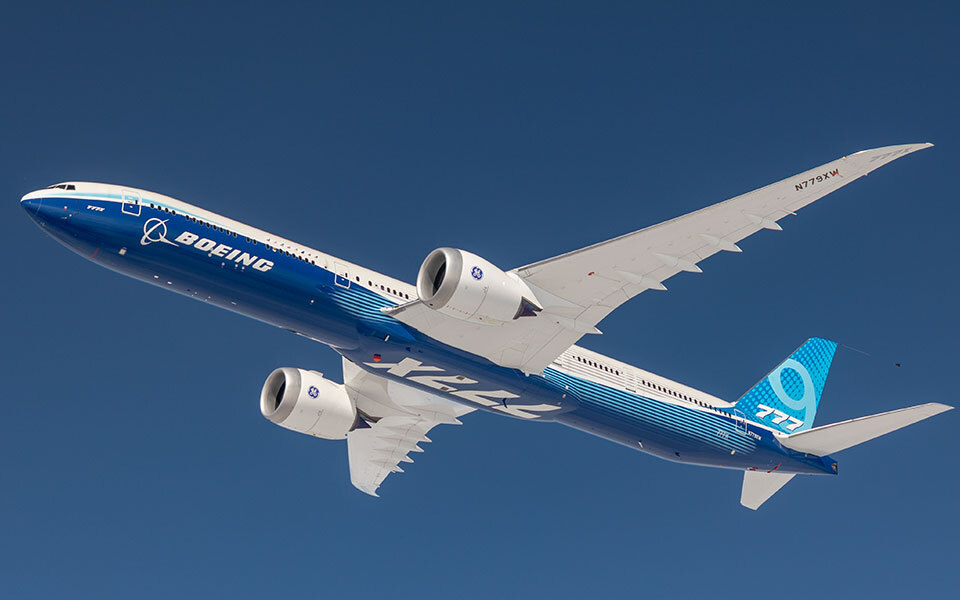
One is already flying passengers around the world. The other has become one of the most anticipated airliners in modern aviation.
The Boeing 777 and Airbus A350 families have long dominated the long-haul market. But their rivalry is heating up as Boeing’s 777X approaches commercial service. As these twin-engine giants prepare to go head-to-head, how do they compare?
When will the Boeing 777 be in service?
After more than six years of delivery delays, the 777X is finally nearing passenger operations. Originally scheduled for 2020, the programme was pushed back by certification challenges, the COVID-19 pandemic, manufacturing problems and additional FAA scrutiny.
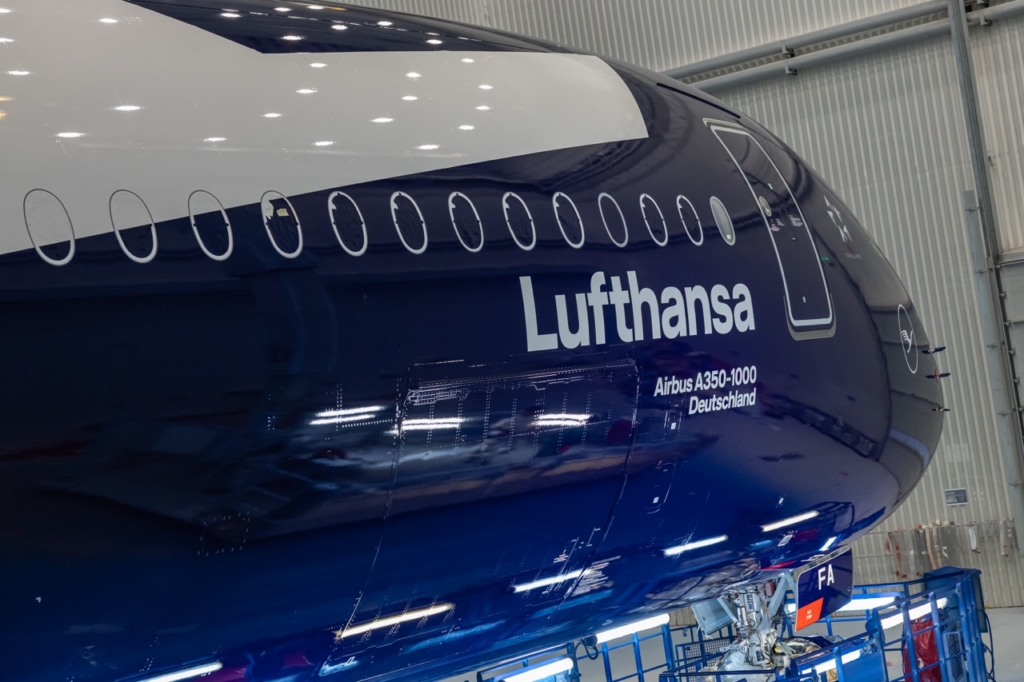
Boeing now expects the first 777-9 deliveries in 2027, with Germany’s Lufthansa as the launch operator.
The 777X family comprises the Boeing 777-8 and larger Boeing 777-9, combining the 777’s capacity with new-generation technology.
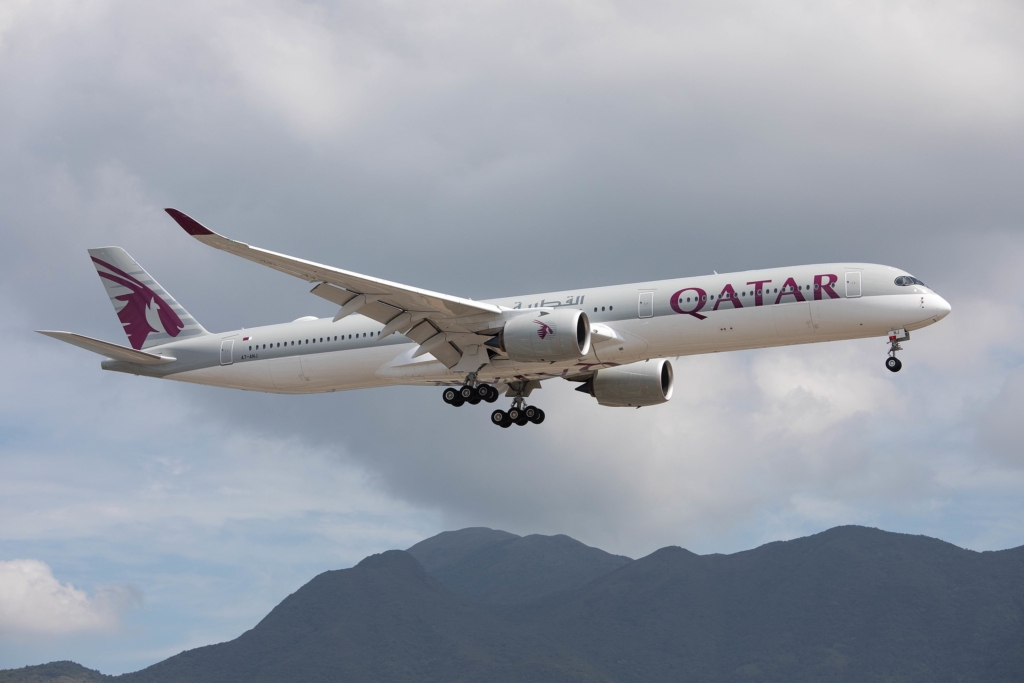
The Airbus A350-1000, meanwhile, entered commercial service with Qatar Airways back in 2018 and is already established worldwide.
Boeing 777X vs Airbus A350-1000: Size and capacity
The 777-9 is larger, measuring 76.7 metres compared with 73.8 metres for the A350-1000. Boeing gives it a typical two-class capacity of 375-400 passengers, while Airbus lists 375 in a typical three-class configuration.
The smaller 777-8 offers greater range than the 777-9 while retaining substantial capacity, giving airlines flexibility across different routes. Boeing also designed the 777X to integrate with existing 777 and 787 fleets.
The 777-9 is the world’s largest twin-engine passenger aircraft and could replace larger four-engine aircraft such as the remaining Boeing 747-400 and -800 aircraft and even the Airbus A380.
Emirates has also shown interest in Boeing developing a stretched 777-10 variant, which would have additional passenger capacity.
What are the differences in range and efficiency?
The A350-1000 has the longer published range, at up to 9,100 nautical miles versus 7,600 for the 777-9. Of course, actual range depends on factors like payload, weather and configuration.
Boeing says the 777-9 will use 20% less fuel and produce 20% lower emissions than the aircraft it replaces, with a 40% smaller noise footprint and 10% lower operating costs than competing aircraft.
Its efficiency comes from aerodynamic improvements, a composite wing and GE Aerospace’s GE9X engines.

Folding wingtips provide a large wingspan in flight while allowing the aircraft to fit existing airport infrastructure on the ground.
The 777X also has a wider cabin than the A350-1000, another advantage for airlines wanting higher capacity.
What about passenger experience?
Both aircraft offer modern cabins, improved lighting, quieter interiors and advanced air-management systems.
The Boeing 777X builds on technology introduced with the 787 Dreamliner, while the A350-1000 has already established a reputation for long-haul comfort and has extensive operational experience behind it.
The 777X still isn’t certified but the A350-1000 is already very familiar
The biggest difference is timing. The A350-1000 is already flying passengers worldwide, while the 777X remains in certification.
Despite the delays, Boeing says the 777X has secured more than 600 orders across passenger and freighter variants.
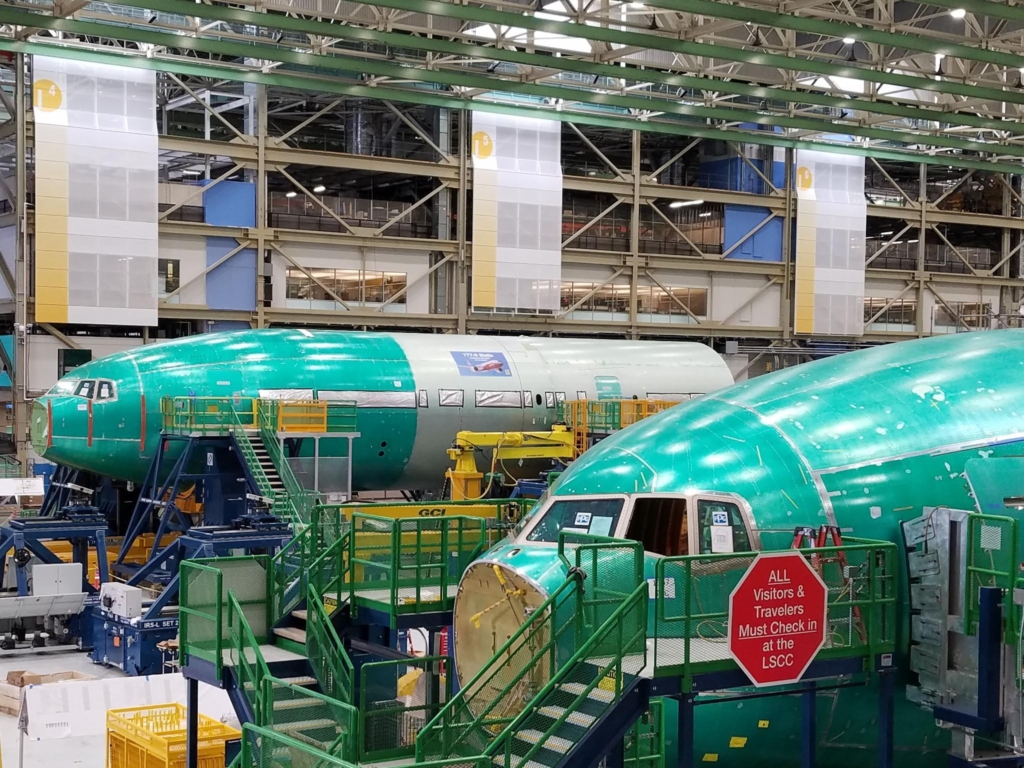
Airbus has benefited from the programme’s prolonged development, with the A350-1000 gaining sales and operational experience while Boeing has been working through certification.
Boeing 777X vs Airbus A350-1000: Which is better?
This really depends on the airline, its requirements and its routes.
The 777X offers airlines the choice of the longer-range 777-8 or higher-capacity 777-9, along with its composite wing, folding wingtips, GE9X engines and wide cabin.
The A350-1000, however, is a proven aircraft with a longer published range and years of service experience.
For high-demand routes where capacity is crucial, the 777-9 could be particularly attractive. For airlines prioritising range, efficiency and proven performance, the A350-1000 remains a strong option.
If Lufthansa receives the first 777-9 in 2027 as planned, the industry will finally discover whether Boeing’s long-delayed flagship can deliver on its promises.
Airbus has the advantage of experience today; Boeing is betting that the 777X will make the wait worthwhile.


