


Google wins $10 million auction for Spirit Airlines data to help train AI models

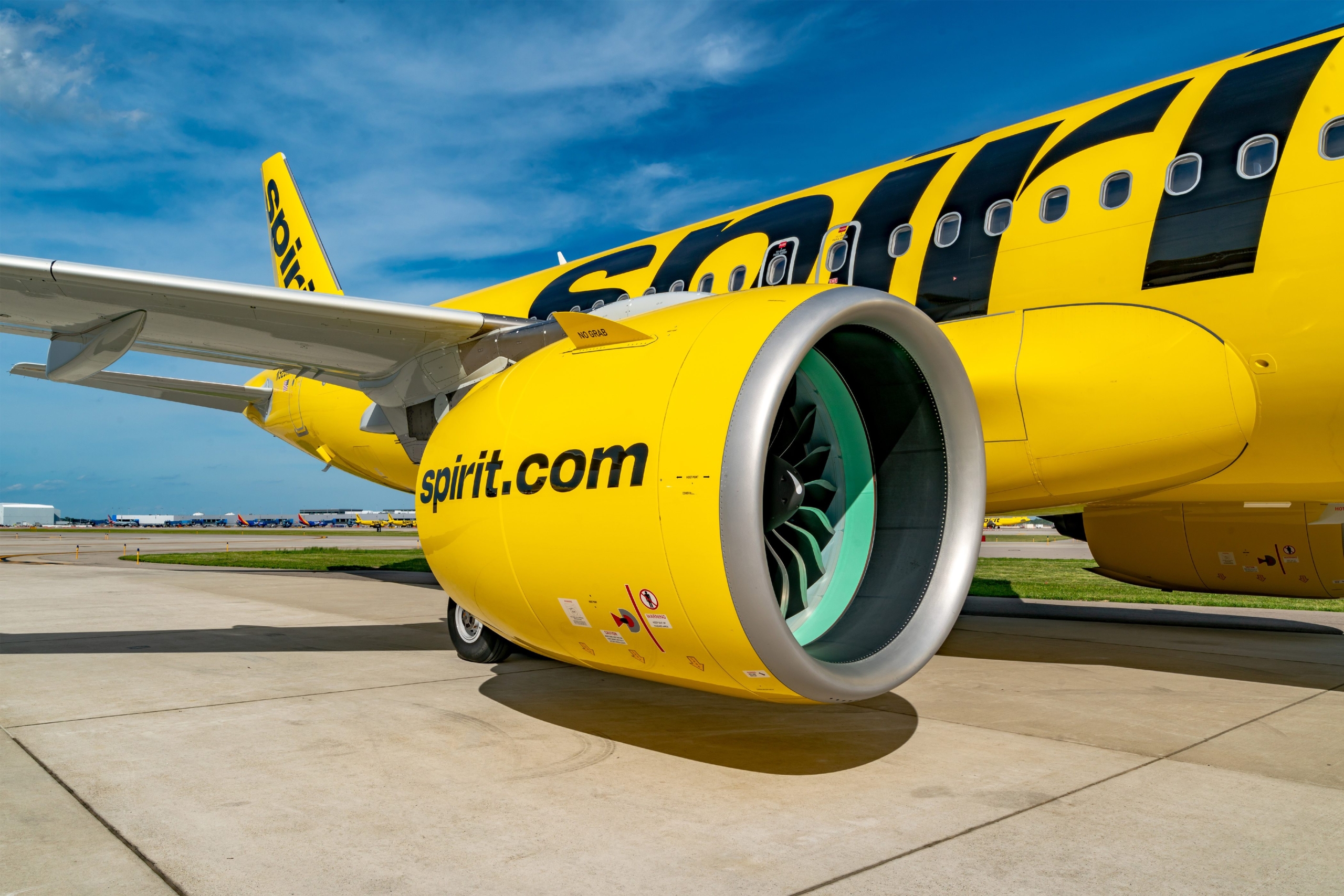
Google has won a bankruptcy auction for a large collection of Spirit Airlines’ internal business data and software – which includes millions of emails, Teams messages and operational records
In a deal worth $10 million, the technology company will acquire the assets and is expected to use them for product development and artificial intelligence (AI) training. The transaction remains subject to approval by a US bankruptcy judge.
Google buys Spirit Airlines’ business data at auction
Spirit Airlines’ digital assets were put up for sale as part of bankruptcy proceedings following the US low-cost carrier’s shutdown earlier in 2026.
Attorneys overseeing the process have continued to dispose of the airline’s remaining assets, with its business data being the latest lot to go under the auctioneer’s hammer.

The data included employee emails, Microsoft Teams messages, spreadsheets, calendars and information covering areas such as marketing, productivity, and airline operations.
As reported by Bloomberg Law, court filings showed that the data pile included 100 million emails across 80,000 accounts and 500 million Teams messages. Additionally, 17,082,644 OneDrive files, 20,577,677 SharePoint files, and 667,563 IT tickets were also included in the lot.
The dataset also contains operational data covering more than 763,000 flights, five million crew pairings, over 1.2 million fuel slips and records describing the purchase of 787,452 parts.
How will Google use the data?
Google said the information could help improve its products and AI models, reflecting growing demand among technology companies for large datasets drawn from real-world business operations. However, Google confirmed that it is not purchasing customer data or credit card information.
According to Alphabet, Google’s parent company, the data must be de-identified before it is transferred to Google, removing personally identifiable information. Passenger profiles and loyalty programme information are also excluded from the acquisition.

Alphabet said it secured the data acquisition after competing against another AI data company, Mercor, which, according to Reuters, submitted a bid of $7.5 million.
Google’s successful offer followed an initial bid of $5 million, before Mercor entered the bidding. Google then increased its own offer.
A US bankruptcy judge will consider approving the data sale at a court hearing scheduled for 19 August in the US Bankruptcy Court for the Southern District of New York.
How will Google clean the data before it receives it?
According to The Next Web, as part of the conditions of sale, Google will employ a data cleansing organisation to “scrub” the data of all personal information before it receives it. Google will select the firm responsible for carrying out the scrubbing itself.
The contract provides further details about this cleansing process. Spirit must deliver the material to one or more third parties “acceptable to or designated by the buyer,” according to the contract of sale. Google will also pay for the services provided by these companies.
Additionally, the agreement makes the buyer solely responsible for all costs associated with de-identification and states that those costs will not reduce the purchase price.
The $10 million figure is therefore the headline price and does not represent Google’s final bill for the acquisition, as clarified by the Court.
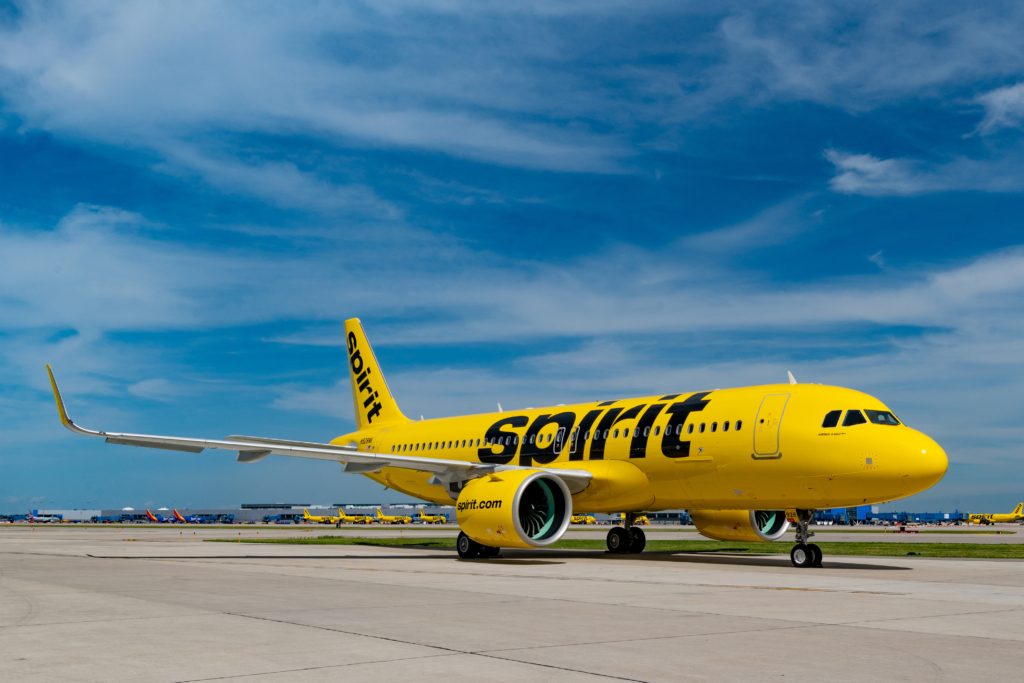
Google will then have the opportunity to inspect the work carried out by the cleansing companies. Spirit must give the buyer a reasonable opportunity to review and comment on the process and must give those comments good-faith consideration. The required standard is a scrub that is reasonably satisfactory to Google.
Notably, as a vital part of the data cleansing process, the scrub must preserve the links between records. The agent must certify the work against the standards of the California Consumer Privacy Act, while any health-related material falls under federal health privacy rules.
Overriding all of this, the agreement ends with the clause: “The certification must hold while preserving referential integrity across the data set”.
Thus, an email that refers to an IT ticket, which in turn refers to a payroll record, must remain connected as a single chain, without the links or the “integrity” of the communication being lost or destroyed. This is what makes the data valuable and useful as an archive for AI and training purposes.
Business data can be a valuable asset to companies
Proprietary business data has become a major asset for companies developing AI models in recent times. In fact, it is rapidly becoming a micro-market for failed businesses and startups to sell their emails, Slack messages and other data to AI companies, allowing them to raise as much money as possible through the bankruptcy process to pay off creditors.
AI experts increasingly believe that large language models can be blunt instruments and that smaller models trained on specific fields of knowledge may be more useful for certain applications.
According to a Google statement, “We acquired part of an enterprise dataset from Spirit Airlines, which can help improve our products and AI models,” the company told Bloomberg.
What happens next in the Spirit Airlines bankruptcy process?
Spirit Airlines ceased operations in May 2026 after failing to emerge from its second period of Chapter 11 bankruptcy. The airline filed for bankruptcy on 29 August 2025 in the Southern District of New York.
Attorneys continue to handle the disposal of the carrier’s remaining assets.

Spirit Airlines retains the right to keep copies of the data sold to Google under the auction, solely for winding down its business or complying with legal requirements.
The carrier also retains the right to sell its customer data list, which includes individual traveller spending aggregated by year, to third parties in the hospitality or travel industries.


