F-35 vs Su-57: How the stealth fighters compare

5 min read
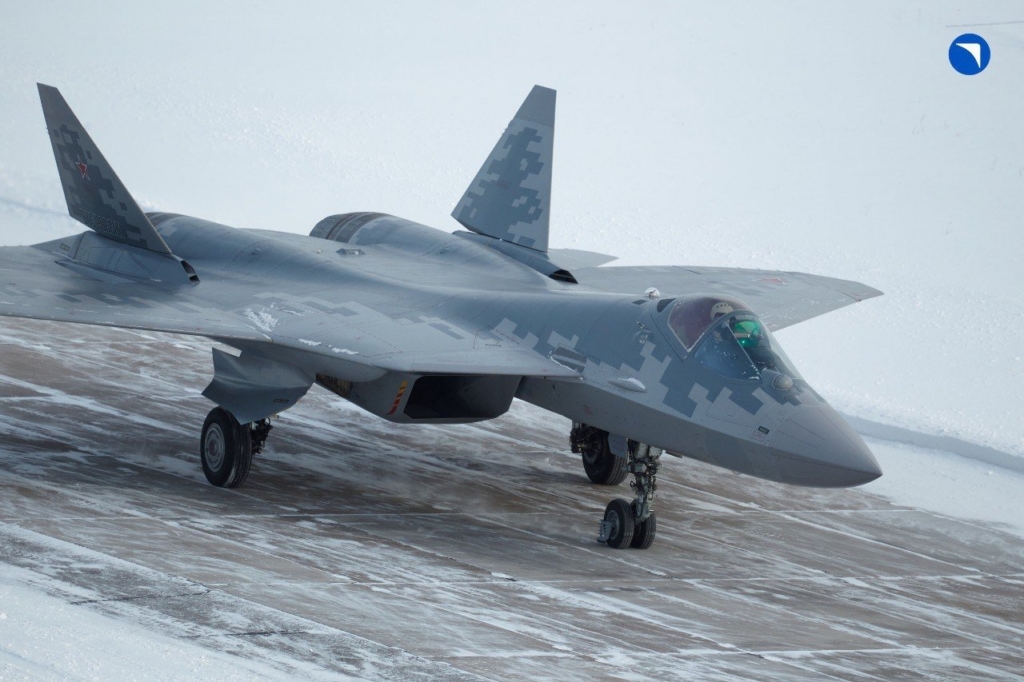
Even accepting the Sukhoi Su-57 as a 5th-generation fighter, it should not be assumed to be equivalent to the F-35 simply because both receive the same label.
The Lockheed Martin F-35 is designed as a piece of a much larger ecosystem that includes other 4th-generation fighters, integration into AEW&C aircraft, space-based cueing, refueling tankers, and many other offboard assets. The Su-57’s ecosystem is much smaller by comparison.
Directly comparing the F-35 and Su-57 is challenging because they were designed for different operational concepts. This article focuses on the aircraft and their development programmes rather than the wider ecosystems in which they operate.
F-35 vs Su-57: Key differences between the stealth fighters
The F-35 and Su-57 are both physically designed as low-observable fighter jets and are often labeled 5th-generation fighter jets in the media.
However, the aircraft are designed around different operational concepts and requirements.
The biggest differences in the programmes are arguably not conventional measures like speed, range, payload, or even radar cross-section. The key differences are in sensor fusion, networking, situational awareness, radars, electronic warfare, sustained funding, industrial base, and units sold.
This doesn’t mean that the Su-57 is an ineffective aircraft. Rather, the F-35 is the wrong reference point. A better way to understand the jet is that, once mature, it offers a significant leap in capabilities from the older Su-35S air superiority fighter jets, offering more modern AESA radars (vs PESA) and a significantly reduced radar cross section.
Compared with the Su-35S, a mature Su-57 also offers distributed sensors, improved electronic warfare, greater sensor integration, internal weapons carriage, and a substantially more modern avionics architecture.
| F-35 Lightning II | Su-57 Felon | |
| Introduction / operational service | 2016 (USAF F-35A) | 2020 |
| Produced by mid-2026 | 1,300+ | Approx. 30 production aircraft delivered |
| Number planned / on order | ~2,456 US aircraft; 3,500+ total | 80 (including Algeria) |
| Countries ordering (confirmed) | 20 | 2 |
| Estimated annual development investment | ~$2.2–2.3 billion/year | Not publicly disclosed |
Comparing the top speeds of the fighters (Mach 1.6 for the F-35 and Mach 2.0 for the Felon) is potentially misleading, as the F-35 is not designed for raw speed in the way traditional fighters are.
Stealth is not just about lower radar cross section; it is also about networking and other factors like electronic warfare. For capable electronic warfare, a fighter jet needs advanced thermal management, for which the F-35 is believed to have one of the most advanced in the world.
Why the F-35 programme continues to deliver
One of the best measures of how successful and mature an aircraft is, and what its prospects for maturation and future updates are, is how many are produced and sold.
As more are ordered, the type remains in production for longer, allowing more opportunity for factory-built block upgrades. This also providing the steady investment needed to continue upgrading the aircraft.

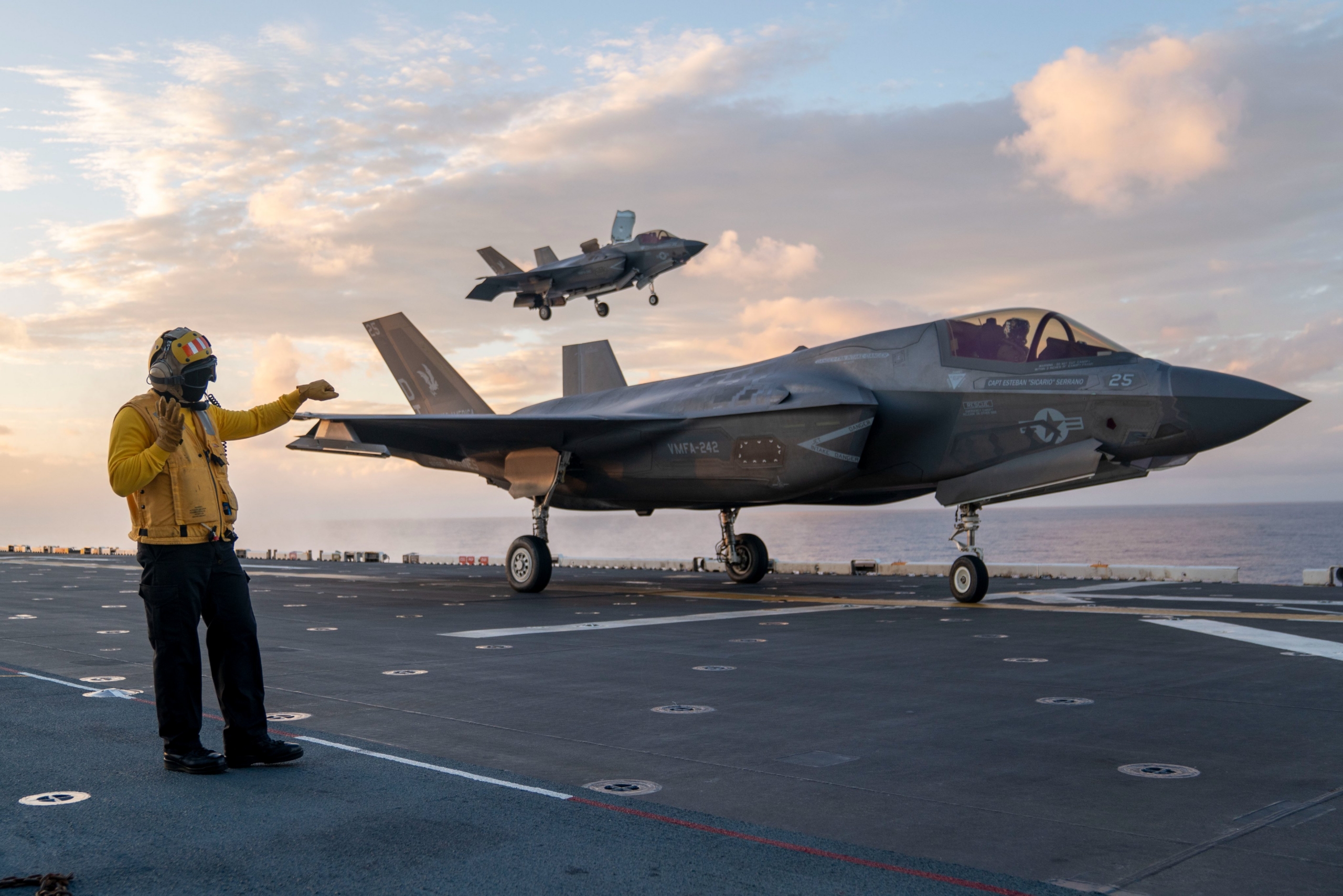
The Lockheed Martin F-35 Lightning II is a family of 5th-generation fighter jets made to meet the needs of the United States Air Force, Marine Corps, and the Navy, as well as many export allies and partners. It will eventually be the only fighter jet in Marine Corps service.
In the Air Force, it is designed to be the backbone of the fighter jet fleet, with the Air Force having recieved around 500 examples of the land-based F-35A and having a programme of record for 1,763. It is complemented by upgraded F-16s, new F-15EXs, and the F-22 (later the F-47).
All told, the US military notionally plans to purchase 2,456 examples, while at least 1,000 more are expected to be exported to allies around the world. Another benefit is that the F-35 is running up combat experience around the world continuously, with Lockheed able to iterate on that data.
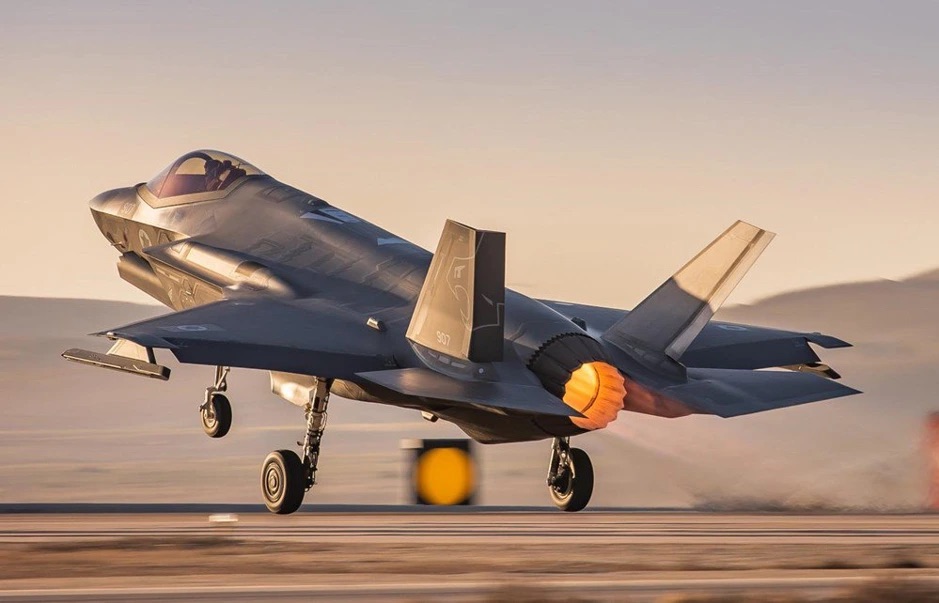
This means that the program is expected to remain in production well into the 2030s and 2040s.
With over 1,300 F-35s already delivered, the programme has already cemented a powerful feedback loop: large orders → sustained production → supplier investment → lower recurring costs → larger industrial base → more upgrade investment → greater capability → greater customer confidence → further orders.
The challenges facing the Su-57 programme
By contrast, the total annouced Russia planned purchase for the Sukhoi Su-57 is 76 jets that are meant to be delivered between 2020 and 2028 (likely delayed). For reference, this is a similar number to how many F-35As Australia has purchased (72).
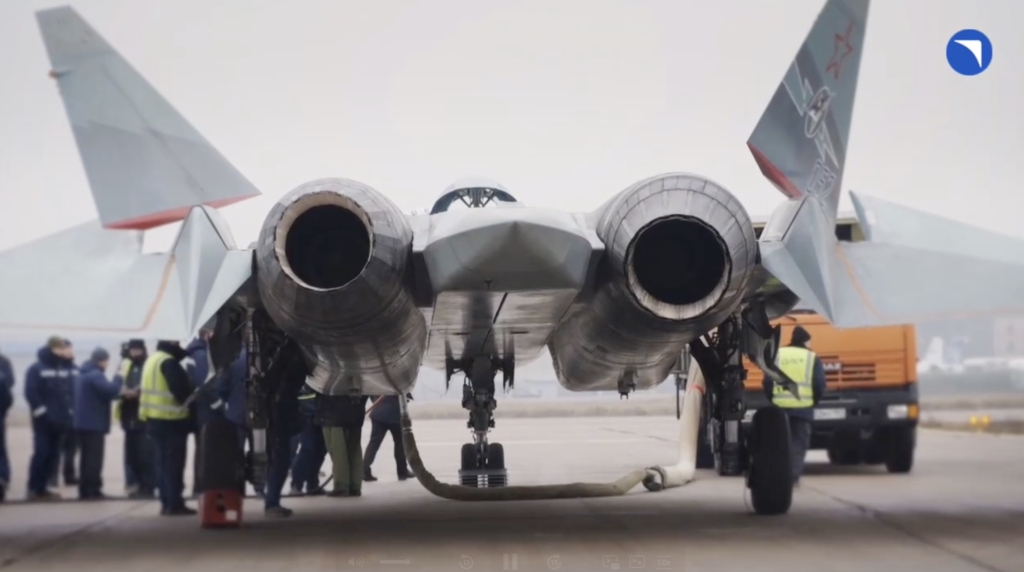
The only publicly reported confirmed export order is Algeria’s order, which is reported to be for 14 examples. The programme’s most important partner, India, was expected to purchase around 100 aircraft back in the 2010s, but Indian officials reconfirmed in mid-2026 that they have no interest in purchasing the Su-57.
While Russia could easily purchase more examples and a few dozen more Su-57s could be exported, the number of Felons currently ordered stands at 90 (of which at least two have been lost already).
These are incredibly low numbers for a clean-sheet fighter and mean the Su-57 is not benefiting from production scale and will struggle with maturation and design iteration.

Think-tank Rusi’s senior research fellow, Justin Bronk, spoke of jets like the Su-57, KF-21, and Kaan that look like 5th-generation fighters. He said, “It’s comparatively easy to produce something that looks like a stealth fighter-ish thing, that will fly.”
He then explained, “It is incredibly difficult and unbelievably expensive to sustain the production of a weapons system that works as a low-observable fighter… and also all the things you don’t see when you look at a plane. The integration between the weapons and the sensors… [and other integrations].”
Sign up for our newsletter and get our latest content in your inbox.


More from


October 17, 20264 min read