


From Aeroméxico to the New York Yankees: Who is easyJet’s buyer Apollo?

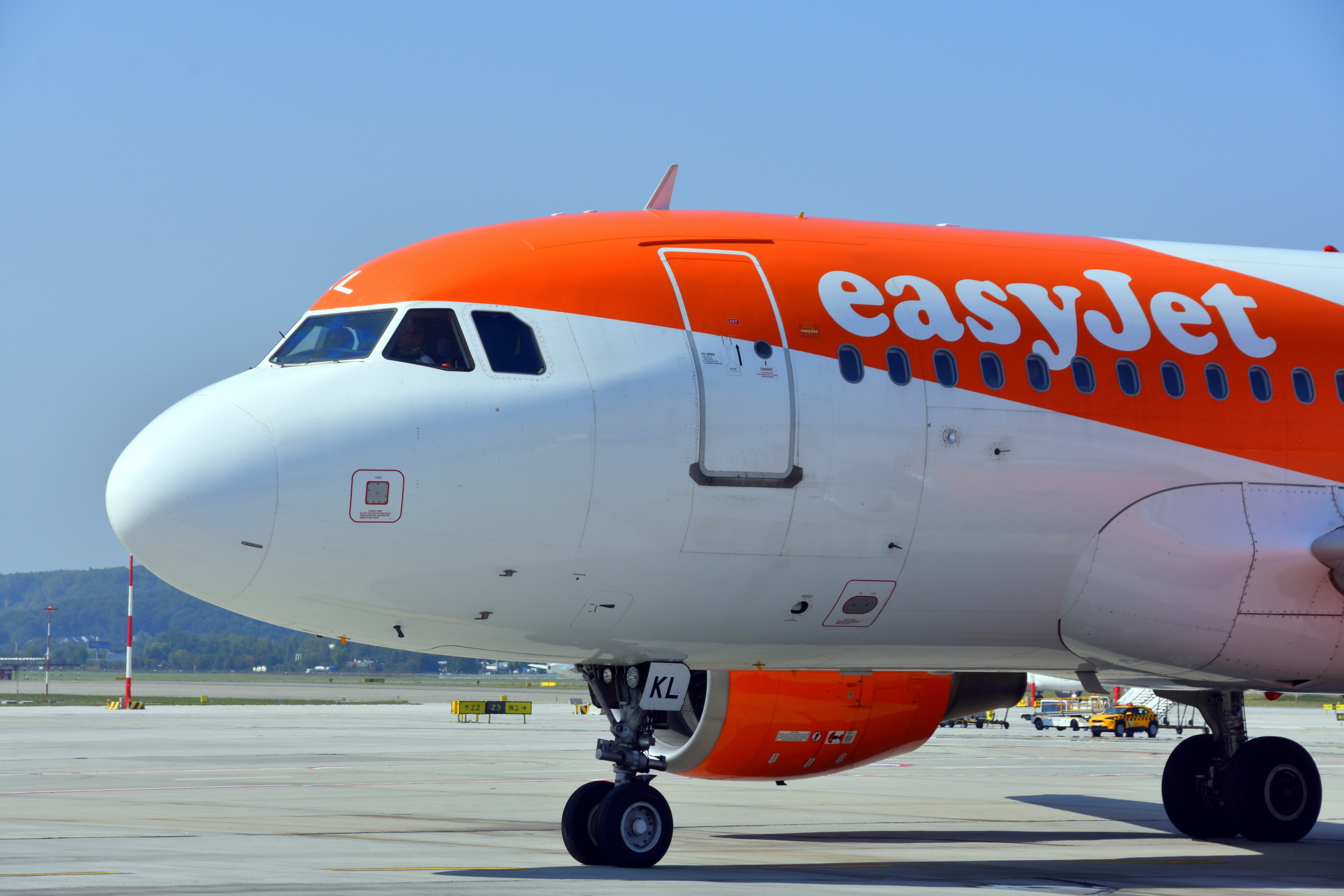
On 6 August it was announced that Apollo Global Management had been successful with its offer to buy easyJet for £5.7 billion ($7.6 billion). The company had outbid rival bidder Castlelake Investments to take control of the UK-based low-cost carrier, the latter eventually walking away from the process.
Each easyJet share will be acquired for £7.15 in cash by Eagle Bidco Ltd, a Jersey-incorporated company indirectly owned by funds managed by affiliates of Apollo Global Management. The deal will be implemented by way of a court-approved scheme of arrangement under Part 26 of the Companies Act 2006.
For Apollo, however, easyJet is far from its first encounter with the airline industry.
The US investment giant has previously backed airlines including Aeroméxico, Sun Country and Volotea, while its wider investments stretch from offshore wind farms and semiconductor factories to the New York Yankees and Atlético Madrid.
So who exactly is Apollo Global Management, where did it come from, and what does its history tell us about the prospective owner of one of Europe’s largest low-cost airlines?
Apollo already has deep roots in aviation
One of Apollo’s most significant airline investments came during the COVID-19 pandemic.
When Grupo Aeroméxico entered Chapter 11 bankruptcy protection in the United States in 2020, Apollo became one of the Mexican carrier’s major financial backers.
Apollo provided approximately $1 billion of debtor-in-possession financing to Aeroméxico during its restructuring, part of which was subsequently converted into equity.

By the time Aeroméxico emerged from bankruptcy in 2022, Apollo had become its largest shareholder with a stake of approximately 22.4%. Delta Air Lines was another major shareholder, with approximately 20%.
Apollo-related entities continue to hold a substantial interest in Grupo Aeroméxico in 2026.
Its airline experience extends beyond Mexico.
Apollo investment professionals have also been involved with carriers including US low-cost airline Sun Country and Spanish operator Volotea, while the firm has invested across the wider aviation and aerospace sector.
That background is significant as Apollo prepares to take control of easyJet. The acquisition is considerably larger than its previous airline investments and would place one of Europe’s biggest low-cost airline groups within its investment portfolio.
What is Apollo Global Management?
Apollo Global Management is one of the world’s largest alternative asset managers, with activities spanning private equity, credit, infrastructure, real estate and retirement services.
As of June 30, 2026, the New York-based firm had approximately $1.05 trillion in assets under management.
Apollo was founded in 1990 following the collapse of investment bank Drexel Burnham Lambert. Its founders included Leon Black, Josh Harris, Marc Rowan and Tony Ressler, who had worked in Drexel’s investment banking and high-yield businesses.
The firm initially specialised in distressed investments, buying into businesses facing financial difficulty or restructuring. Its first private-equity fund raised around $400 million.
That approach helped establish a strategy Apollo would continue to use as it expanded: deploying capital into companies or assets where it believed there was an opportunity to restructure, refinance or create additional value.

Over the following decades, Apollo broadened considerably.
It became a major participant in leveraged buyouts and private credit while acquiring or investing in companies across media, leisure, healthcare, industrials and consumer goods.
Historical investments have included Chuck E. Cheese, Great Wolf Resorts, McGraw-Hill Education, ADT and LifePoint Health.
Apollo became publicly traded in 2011 and expanded further into retirement services through Athene, which became part of Apollo in 2022.
Today, its activities stretch well beyond traditional private equity into corporate and asset-backed credit, infrastructure, real estate, hybrid capital and energy-transition investments.
Does Apollo actually own all these companies?
The distinction between Apollo itself and the funds it manages is important.
Apollo is not a conventional conglomerate with a single corporate balance sheet containing airlines, football clubs, wind farms and technology companies.
Instead, Apollo manages investment funds containing capital from investors such as pension funds, sovereign wealth funds, insurers, foundations and other institutions. Those funds then make investments.
Depending on the deal, an Apollo-managed fund might acquire an entire company, take a majority or minority stake, provide debt financing or enter into a joint venture.
As a result, saying that a company is “owned by Apollo” can cover several different types of financial relationship.
Its investments have included businesses such as Yahoo, automotive supplier Tenneco and The Restaurant Group, although the composition of Apollo-managed portfolios changes continually as companies are acquired, sold, refinanced or restructured.
Apollo’s scale also means it can undertake investments far larger than a conventional private-equity buyout.
In 2024, for example, Apollo agreed to provide approximately €10.1 billion in financing connected with a joint venture involving Intel’s Fab 34 semiconductor manufacturing facility in Ireland.
From Atlético Madrid to the New York Yankees
Apollo has also been expanding rapidly into professional sport.
Through Apollo Sports Capital, the firm completed a transaction in 2026 that made it the majority shareholder of Atlético Madrid.
Its sports investments also extend across the Atlantic. Apollo Sports Capital has invested in the ownership group behind Major League Baseball’s New York Yankees.
The move into sport demonstrates how far Apollo has evolved from its roots as a distressed-investment specialist.

Infrastructure has become another major area of investment.
In the UK, Apollo-managed funds have acquired a 50% stake in Hornsea 3, the huge offshore wind farm under construction in the North Sea off the Yorkshire coast.
The investment is worth around $6.5 billion, with Danish energy company Ørsted retaining the remaining 50% and continuing to lead construction and operations.
Hornsea 3 is expected to have 2.9 GW of capacity once completed, enough to supply power equivalent to the needs of more than three million UK homes.
Together, investments such as Hornsea, Atlético Madrid and Aeroméxico illustrate the sheer range of assets sitting within Apollo-managed funds.
But they also demonstrate a common theme: Apollo is increasingly prepared to deploy very large amounts of capital into established businesses and infrastructure with long-term strategic value.
How did Apollo become so large?
Credit has been central to Apollo’s expansion.
Alongside buying companies through private equity, the firm has developed a huge business providing loans and other forms of financing directly to companies.
Private credit has grown rapidly as businesses increasingly seek financing outside traditional banks, allowing investment managers such as Apollo to become major lenders in their own right.
Apollo has also used its relationship with retirement-services company Athene to build a substantial pool of long-term investment capital.
That combination of private equity, credit and insurance capital has helped transform Apollo from a relatively specialist investment house into an institution managing more than $1 trillion.
Its corporate private-equity business remains significant, but represents only one part of a much larger investment platform.
What does Apollo’s history mean for easyJet?
The most important point for easyJet passengers and employees is that Apollo is not entering aviation for the first time.
Its involvement with Aeroméxico gave the investment firm direct exposure to one of the most difficult periods the airline industry has faced, with Apollo providing financing during the carrier’s Chapter 11 restructuring before becoming a major shareholder.
EasyJet is in a very different financial position.
Apollo is not buying an airline in bankruptcy. It is seeking control of an established and profitable European low-cost carrier with a large airport slot portfolio, a substantial order book and operations across some of the continent’s most important aviation markets.

The scale is also different.
With the £5.7 billion acquisition, Apollo would take control of one of Europe’s largest airline groups rather than hold a minority position in a carrier emerging from restructuring.
Its proposed ownership structure would also need to ensure easyJet continues to comply with European airline ownership and control requirements.
Completion remains subject to the necessary shareholder, court and regulatory approvals.
Yet Apollo’s history gives some indication of the sort of owner standing behind the offer.
What began in 1990 as a specialist distressed-investment firm has developed into a global asset manager with more than $1 trillion under management and investments spanning airlines, football clubs, infrastructure, technology and professional sport.
EasyJet may be Apollo’s biggest move in aviation yet, but it is certainly not its first.


