Why United Airlines and Virgin Atlantic are winning with Starlink WiFi

6 min read
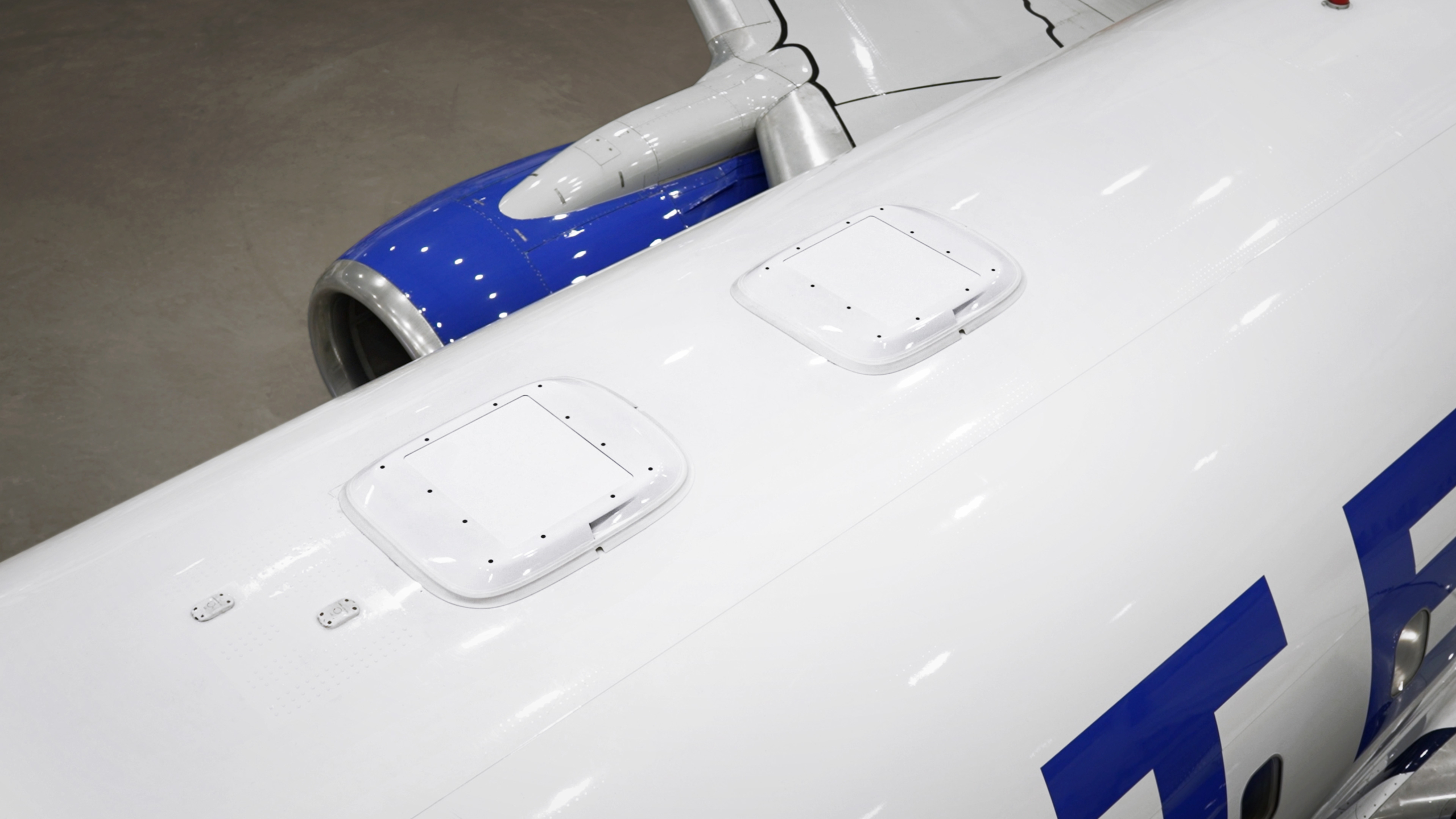
Fast, free and reliable inflight WiFi has long been an airline ambition. Now, new customer satisfaction data from United Airlines and Virgin Atlantic suggests that Starlink is delivering on that promise – earning higher passenger approval scores and turning connectivity into a key part of the passenger experience.
United says customer satisfaction on flights equipped with Starlink is twice as high as on its aircraft using other WiFi systems. Virgin Atlantic says customer satisfaction scores on its Airbus A350s have risen since it introduced Starlink connectivity.
The results suggest that fast, free inflight connectivity can do more than improve download speeds. It may materially affect how passengers feel about an airline.

In-flight WiFi has evolved from a connection that enabled some communication with the ground to a smooth, high-speed service with streaming capabilities. Airlines have adopted different types of connections as the technology advanced, from Air-to-Ground to GEO satellite systems, each with advantages and disadvantages.
However, the lower latency of low Earth orbit satellite systems, such as Starlink, has reshaped the competitive landscape.
United Airlines says Starlink WiFi doubles customer satisfaction scores
United provided detailed evidence of Starlink’s impact in its second-quarter 2026 results.
The airline recorded its best customer satisfaction scores for a second quarter since 2021 and its second-best Q2 performance ever as measured by Net Promoter Score (NPS).
WiFi was one of the standout improvements.
United said it achieved its highest WiFi customer satisfaction score since 2023. Flights equipped with Starlink achieved a WiFi customer satisfaction score more than twice that of aircraft operating with United’s other WiFi systems.
United had installed Starlink on more than 450 mainline and United Express aircraft by mid-July and expects nearly 1,000 equipped aircraft by the end of 2026.
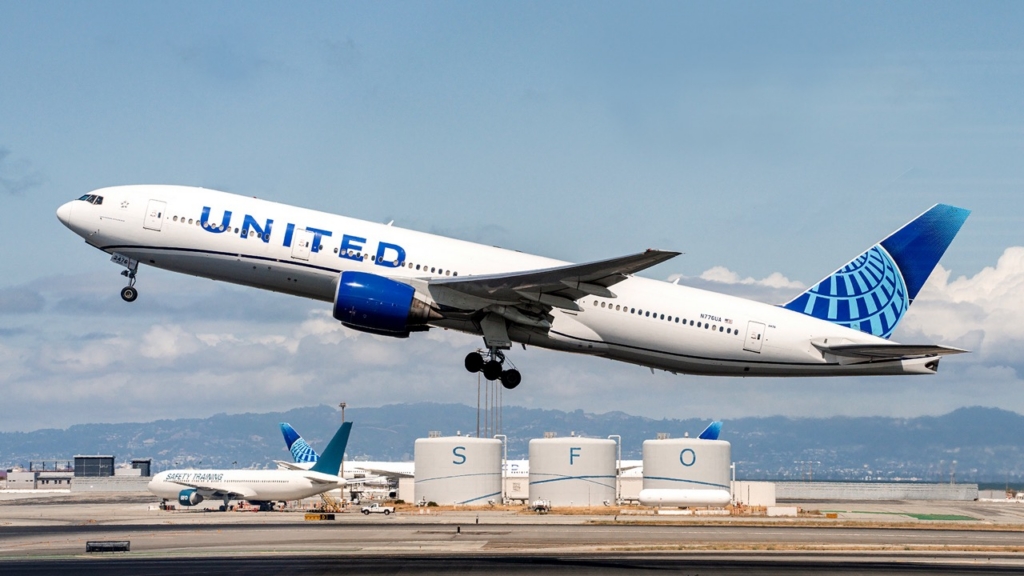
United CEO Scott Kirby directly linked investment in Starlink and other onboard improvements with attracting loyal customers.
“Our brand-loyal customers value their travel on United whether they are in Polaris or in Economy,” Kirby said. “Our network expansions, investment in Starlink, and innovations such as Relax Row are giving customers new reasons to choose United.”
United’s numbers are significant because the airline operates Starlink alongside other inflight connectivity systems. That provides a direct comparison of customer reactions to different WiFi products within the same airline.
Virgin Atlantic reports higher customer satisfaction with Starlink WiFi
Virgin Atlantic executives are also reporting a positive customer response to Starlink’s availability.
Virgin Atlantic Vice President Laura Brander said in a LinkedIn post this June that the airline had completed installation of Starlink across its entire Airbus A350 fleet by the end of May, five months ahead of schedule.

“And the best bit is our customers are loving it, as shown in our customer satisfaction scores on those aircraft ever since,” Brander said.
While Virgin has not disclosed NPS figures, it has said customer feedback on aircraft has improved following the installation of the Starlink system.
Why Virgin Atlantic fast-tracked its Starlink WiFi rollout
Virgin Atlantic announced in July 2025 that Starlink installation would begin in the third quarter of 2026. It then brought the programme forward to stay ahead of British Airways.
In April, the airline announced that its first A350 Starlink services would begin in May, starting with flight VS153 from London Heathrow to New York JFK.
Installation proceeded rapidly. All of Virgin Atlantic’s A350s were connected by the end of that month.
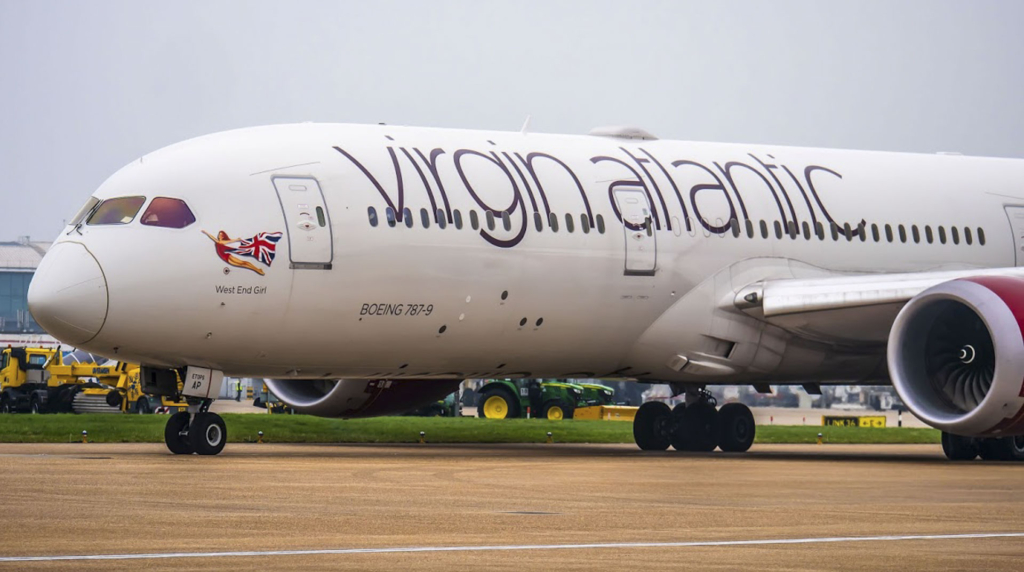
Virgin now plans to extend Starlink to its Boeing 787 and Airbus A330neo fleets, reaching full fleet coverage in 2027.
Starlink supports activities that other WiFi services struggle with, including streaming, gaming, work applications and multiple connected devices. Virgin says the Starlink Aero Terminal can support up to 1 Gbps of connectivity per antenna.
The service is free for Flying Club members.
United expands Starlink WiFi to transatlantic and long-haul flights
United has also moved Starlink beyond short-haul flying.
On 22 June, United flight UA14 from Newark to London Heathrow became the first widebody passenger service to operate with Starlink. The Boeing 777-200 was the first of nearly 60 United widebody aircraft expected to receive the system during 2026.
The airline expects its entire widebody fleet to be connected by summer 2027.
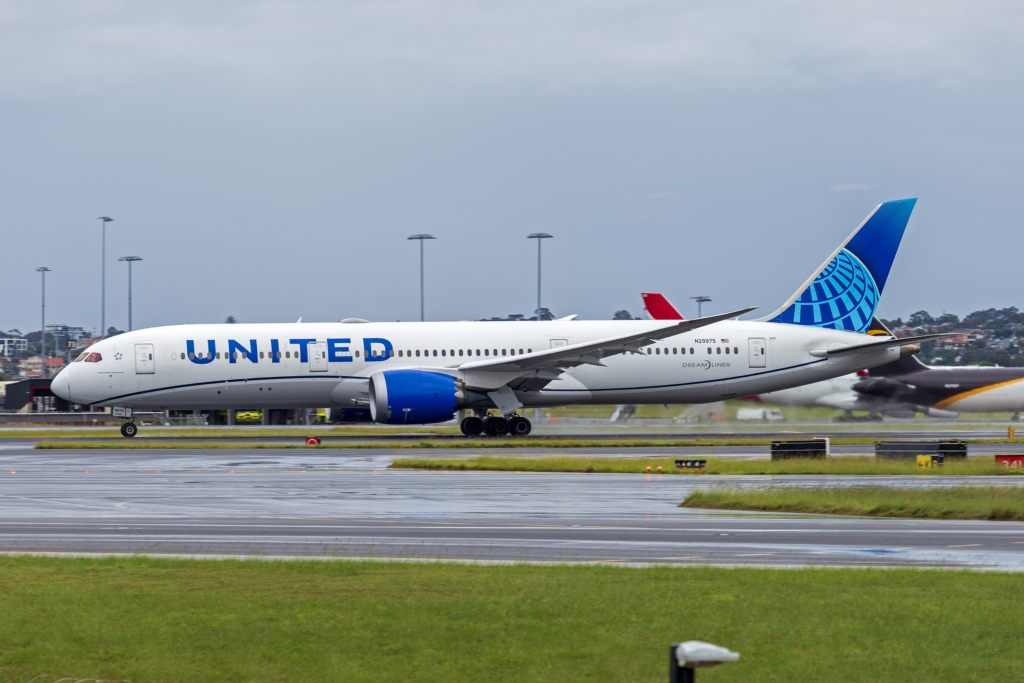
Dependable WiFi has the greatest potential to influence passenger satisfaction on long-haul flights.
A brief connection failure on a one-hour domestic flight may be an irritation. Losing internet access for several hours while crossing the Atlantic can keep passengers from working, communicating or streaming entertainment.
Starlink’s low-Earth-orbit satellite architecture also allows United to offer connectivity over oceans and polar regions where other in-flight systems may have limited coverage.
How Starlink is changing the airline passenger experience
Airlines may need to rethink where inflight connectivity sits within the passenger experience.
Often, WiFi has been an ancillary service. Airlines charged by the hour, by the flight or according to data packages. Performance varied, depending on aircraft and route.
Starlink adopters are taking a different approach.
Both United and Virgin Atlantic make Starlink free to members of their loyalty programmes. Instead of trying to generate direct WiFi revenue, they use connectivity to increase loyalty membership. At the same time, they are improving the passenger experience.
The service can also change what passengers expect to do during a flight.
In May, Virgin Atlantic livestreamed a Sugababes performance from an A350 at 35,000ft. Customers on Starlink-equipped Virgin A350S can also stream live Sport 24 coverage to their own devices.
United has also used Starlink for live sports.
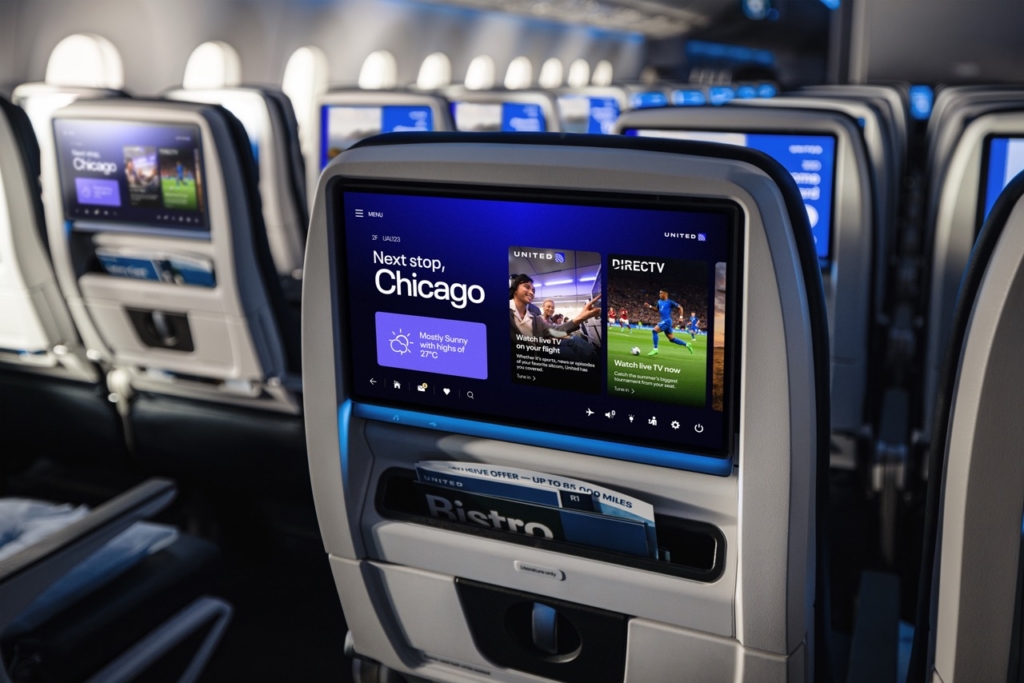
“Our journey started nearly a decade ago with a decision to install screens in every seat. We already have more than 160,000 screens across our fleet, with plans to basically double that number soon via new deliveries and retrofits. But just having static screens with On Demand content was never our end game.
“The real customer benefit happens when those screens are dynamic and offer real-time, streaming content just like your phone. That’s where the combination of Starlink’s reliable and fast connectivity and DIRECTV IN FLIGHT live TV is a game-changer,” Andrew Nocella, United’s Chief Commercial Officer, said in the airline’s announcement of live-streaming enabled by Starlink.
In its Q2 results, the airline said passengers had accumulated 128,000 hours of viewing time during a live-streaming initiative operated across almost 6,000 flights by 5 July.
Can Starlink WiFi give airlines a competitive advantage?
The biggest implication of the United and Virgin results is that they suggest passengers have begun comparing airlines based on connectivity.
Seat pitch, cabin design, food, lounges and frequent-flyer benefits have long been critical areas of airline product differentiation. Reliable broadband is now joining that list.
United’s results suggest passengers rate the experience dramatically higher than other connectivity systems.
Virgin Atlantic’s early customer satisfaction results also show Starlink as a driver of customer satisfaction.
Once passengers become accustomed to streaming-quality internet that works throughout a flight and costs nothing, paying for slower or unreliable connectivity on another airline may be harder to accept.
Starlink and other LEO connections may become a reason for passengers to actually like the airline more.
Sign up for our newsletter and get our latest content in your inbox.


More from

October 11, 20263 min read