


US-Bangla launches $1.5 bn Boeing fleet expansion to challenge foreign carriers on international routes

4 min read
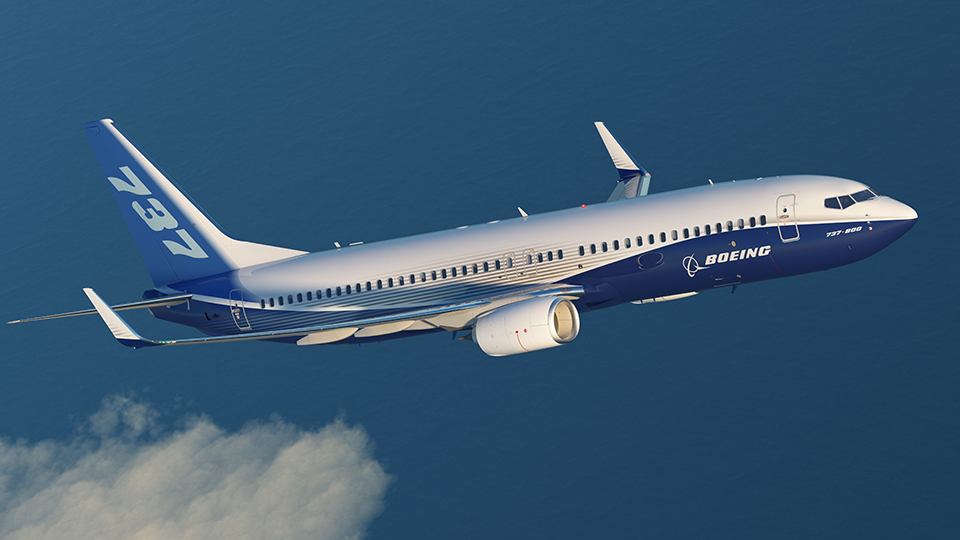
Bangladesh’s largest private airline, US-Bangla Airlines, has unveiled plans to induct 21 Boeing aircraft under leasing arrangements worth about $1.5 billion, as it seeks to expand its international network and capture a larger share of a market currently dominated by foreign airlines.

Announced at the airline’s “Beyond with Boeing” event in Dhaka on 29 July, the programme includes 15 Boeing 737-8 aircraft and six Boeing 737-800s, with all 21 aircraft scheduled to join the fleet by the end of 2027. The expansion represents one of the largest fleet growth programmes undertaken by a privately owned Bangladeshi carrier and is expected to underpin a significant increase in international operations.
The announcement comes as Bangladesh works to strengthen the role of its domestic airlines in international aviation. The country’s international air travel market is estimated to generate around $5.8 billion annually, but foreign airlines continue to carry the majority of passengers travelling to and from Bangladesh, resulting in a substantial outflow of revenue.
Fleet expansion supports wider international growth strategy
US-Bangla said the additional aircraft will allow it to increase frequencies on existing routes while launching new services across South Asia, Southeast Asia, East Asia and the Middle East.
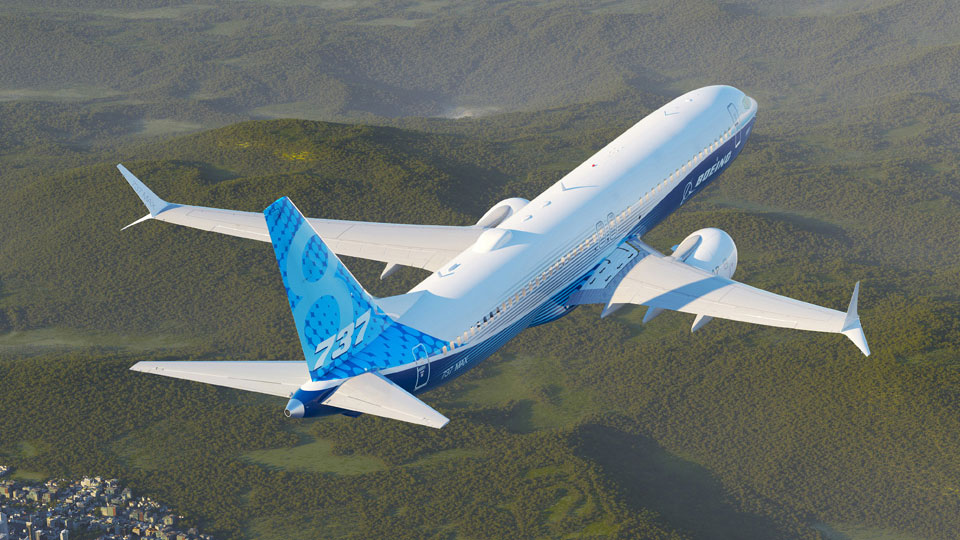
The airline plans to introduce flights to Bengaluru, Hyderabad, Colombo, Kathmandu, Kunming, Shenzhen, Beijing, Johor Bahru, Penang, Kuwait, Bahrain, Madinah, Dammam and Salalah, subject to regulatory and bilateral approvals. It also intends to develop Chattogram and Sylhet as regional international hubs, offering direct overseas connections and reducing dependence on Dhaka as the country’s primary gateway.
Mohammad Abdullah Al Mamun, Managing Director of US-Bangla Group and US-Bangla Airlines, said the investment was intended to support the airline’s long-term transformation.
“This investment represents much more than fleet expansion. It reflects our long-term vision to transform US-Bangla from an airline into a fully integrated global aviation group.”
Mamun said the company would invest not only in aircraft but also in technology, pilot training, maintenance, cargo operations, catering and aviation infrastructure to support the long-term growth of Bangladesh’s aviation sector.
Airline broadens ambitions beyond passenger operations
Alongside the fleet expansion, US-Bangla outlined plans to diversify its aviation business.
The airline intends to establish aircraft maintenance, repair and overhaul (MRO) capabilities, develop an aviation training academy, expand cargo operations and build a modern flight catering facility. It also plans to increase investment in pilot and aircraft engineering training to meet growing demand for skilled aviation professionals as its fleet expands.
The strategy reflects the airline’s ambition to evolve beyond scheduled passenger services into a broader aviation enterprise encompassing maintenance, training and support services.
US officials highlight broader economic and aviation ties
The announcement was attended by senior Bangladeshi government officials, Boeing executives and US Ambassador to Bangladesh Brent T. Christensen, who also highlighted the significance of the agreement in a statement following the event.
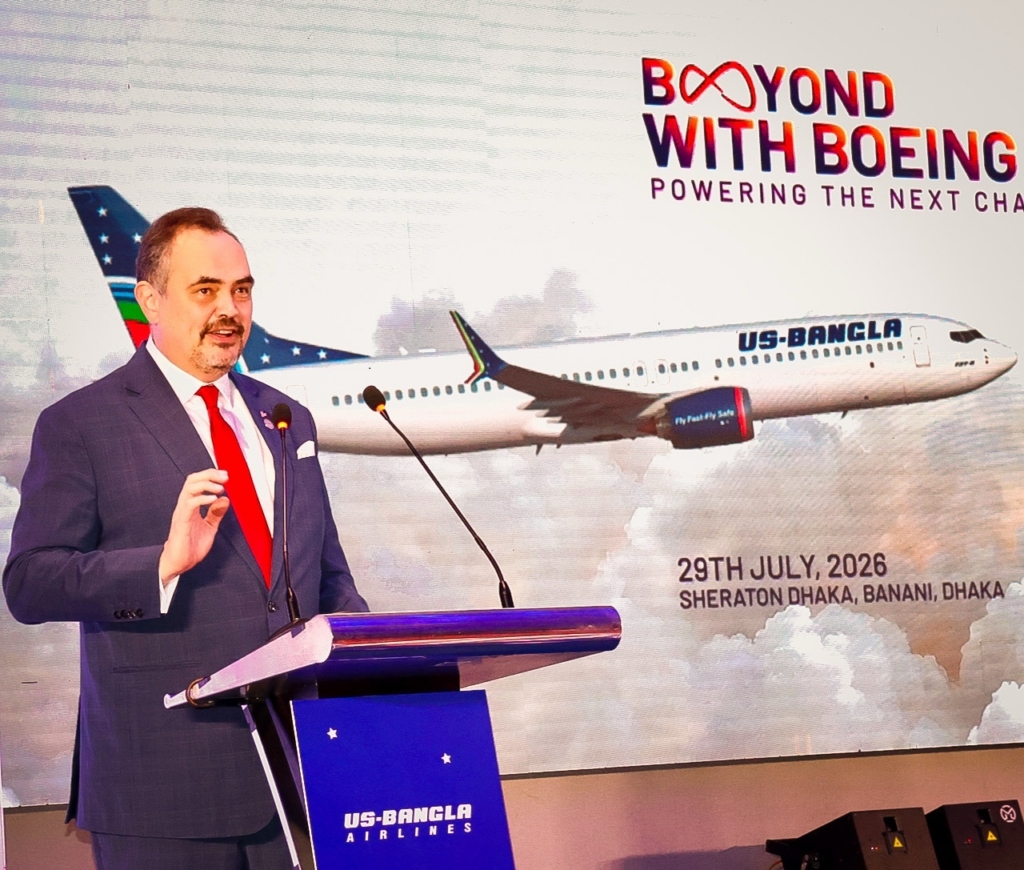
Congratulating the airline, Christensen described the leasing programme as an investment extending beyond aircraft acquisition.
“This new agreement to lease Boeing 737 aircraft—and the addition of more aircraft in the future—is not merely an expansion of an airline’s fleet; it is an investment in Bangladesh’s future.”
He said the programme would strengthen regional and international connectivity, support tourism and trade, and create high-quality employment opportunities. Christensen also highlighted US-Bangla’s plans to send around 200 Bangladeshi pilots to the United States for advanced training, describing it as an investment in the country’s next generation of aviation professionals.
Boeing Vice President of Sales Paul Righi said the planned induction of modern, fuel-efficient Boeing aircraft marked an important step in the airline’s growth strategy.
“Today marks a significant milestone for US-Bangla Airlines as it embarks on its next phase of growth through the planned induction of modern, fuel-efficient Boeing aircraft,” Righi said.
Righi said the additional aircraft would support the airline’s expanding network by providing greater fuel efficiency, operational reliability and an improved passenger experience as it extends services across Asia and the Middle East.
Bangladesh continues to expand its Boeing fleet
The US-Bangla announcement follows Bangladesh’s broader push to modernise its commercial aviation sector.
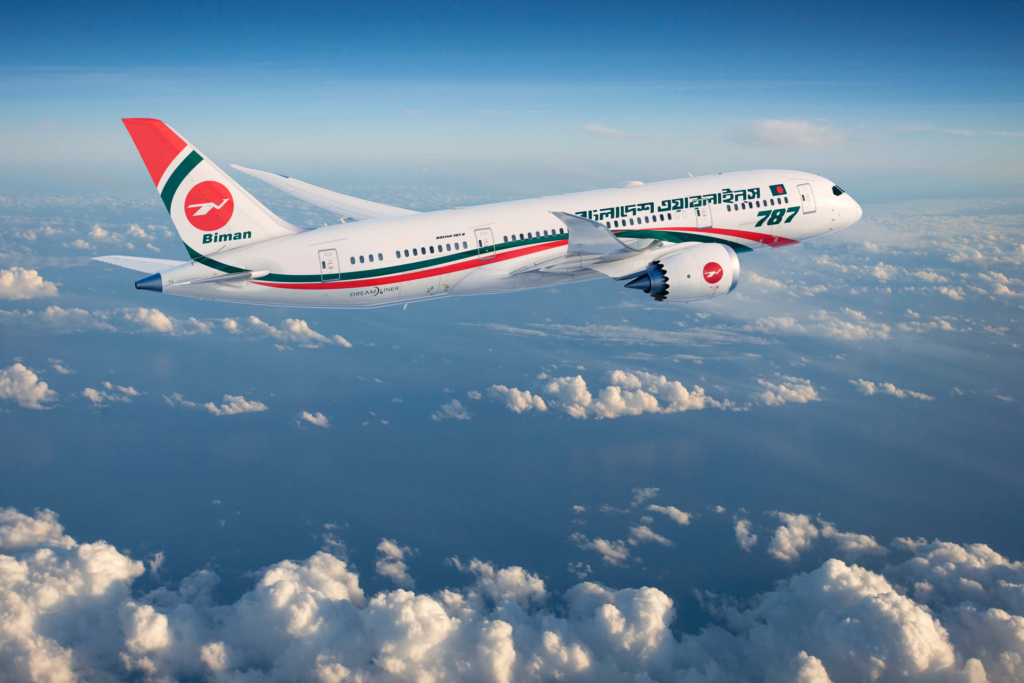
Earlier this year, the Bangladeshi government agreed to acquire 14 Boeing aircraft for Biman Bangladesh Airlines in a deal valued at around $3.7 billion at list prices, reinforcing Boeing’s position in the country’s fleet renewal plans.
Founded in 2014, US-Bangla Airlines has grown into Bangladesh’s largest private carrier, operating domestic and international passenger services. With the planned induction of 21 additional Boeing aircraft over the next two years, the airline is positioning itself to compete more aggressively on international routes while laying the foundations for a wider aviation business built around passenger transport, cargo, maintenance, training, and aviation support services.


