


USAF adopts AI-powered IRIS to modernise KC-135 tanker maintenance

3 min read
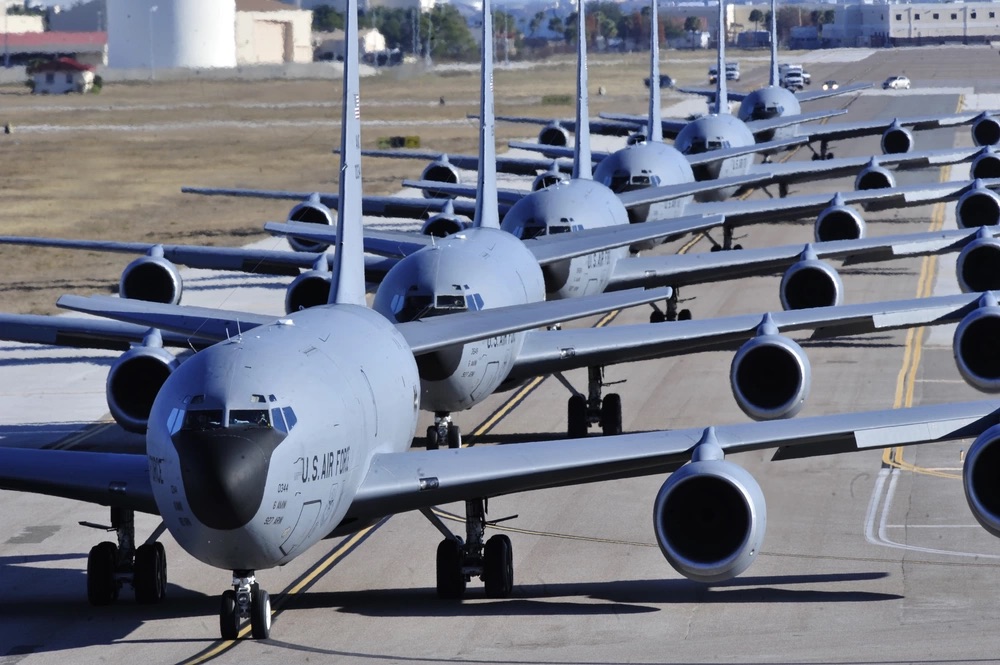
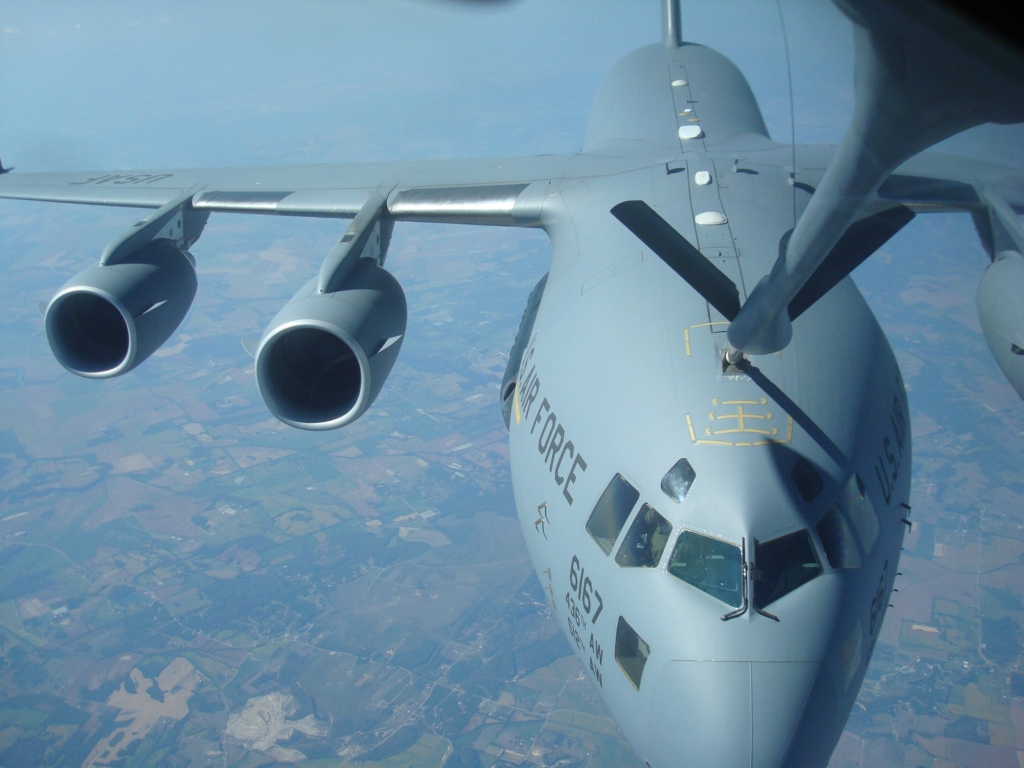
The US Air Force has purchased MetroStar and ActionStreamer’s new Integrated Respirator Information System (IRIS) to help its maintainers better service its fleet of KC-135 tankers. This is one of the first modernisations of a half-century-old maintenance process.
USAF purchases Integrated Respirator Information System for KC-135
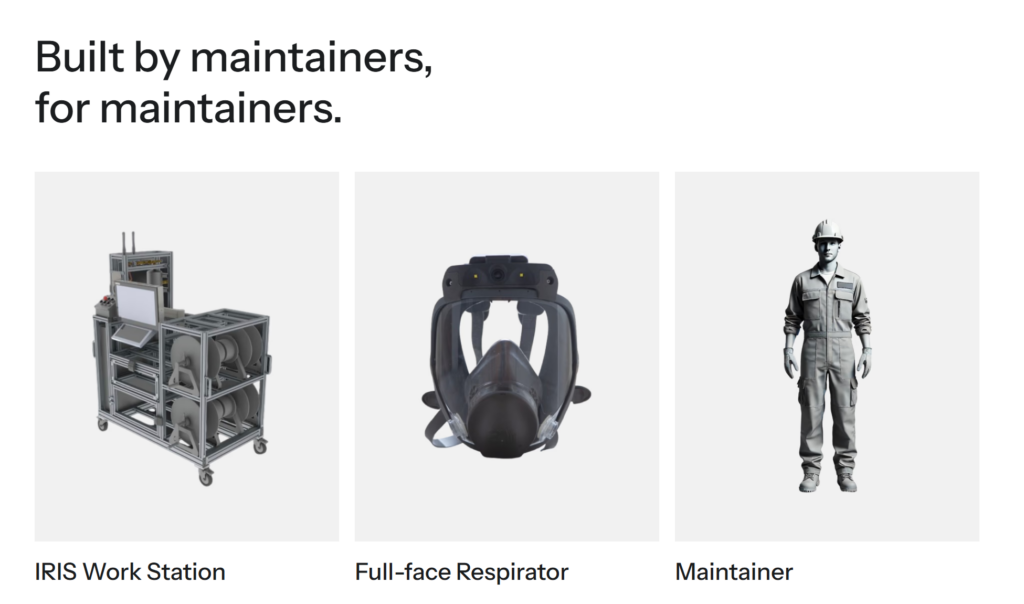
Last Monday, the US contractor MetroStar announced that Travis Air Force Base (home to many tanker aircraft) had purchased its Iris, an AI-powered maintenance product co-produced with ActionStreamer. These are purpose-built equipment for high-risk confined-space work.
MetroStar stated, “Travis AFB joins MetroStar as an early adopter partner, marking a pivotal step in the modernisation of aircraft maintenance across the U.S. Air Force.”
ActionStreamer says its “Integrated Respirator Information System (IRIS) improves safety and connectivity in confined spaces, during flight line MRO, and sustainment operations, minimising fleet downtime.”
Cedric George, Maj. Gen. (ret.), USAF, Vice President of Strategy and Growth at MetroStar said, “Travis AFB’s adoption of Iris shows a commitment to the men and women who keep our aircraft mission-ready.”
George added, “With Iris, we are bringing the full power of artificial intelligence directly to the warfighter and not as a back-office tool, but as an always-available, safety-critical partner right there in the work environment.”
The need for a new way to clean and maintain KC-135 fuel tanks
Iris began as an Air Force Spark Tank idea developed by airmen stationed at Royal Air Force Base Mildenhall, a major USAF refuelling base in the United Kingdom.
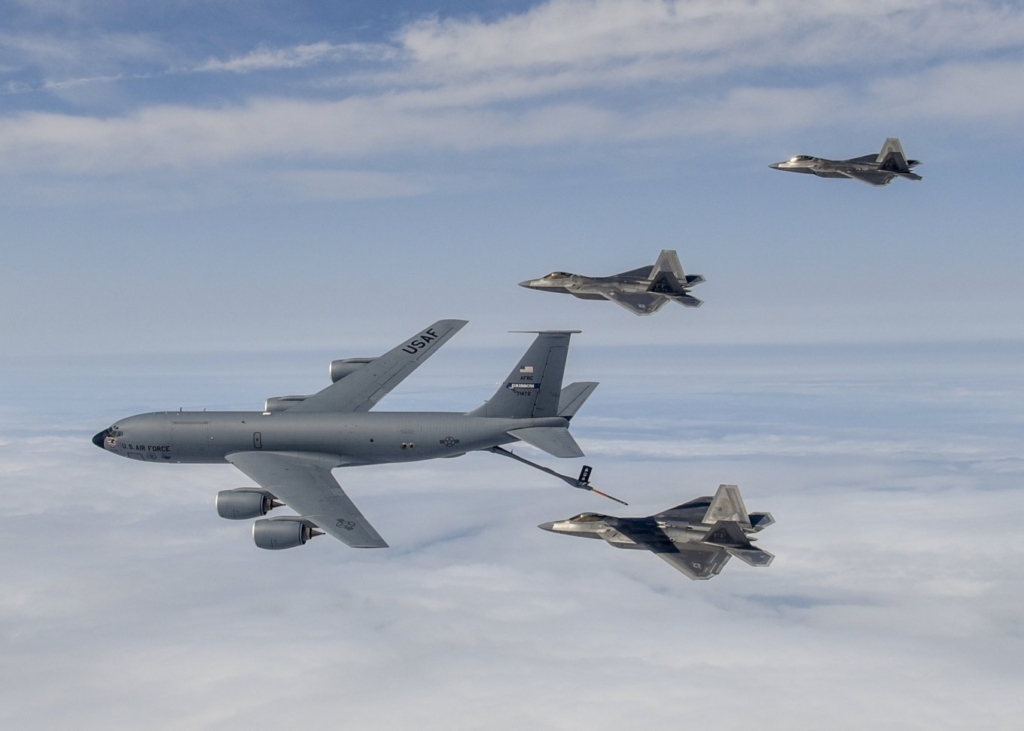
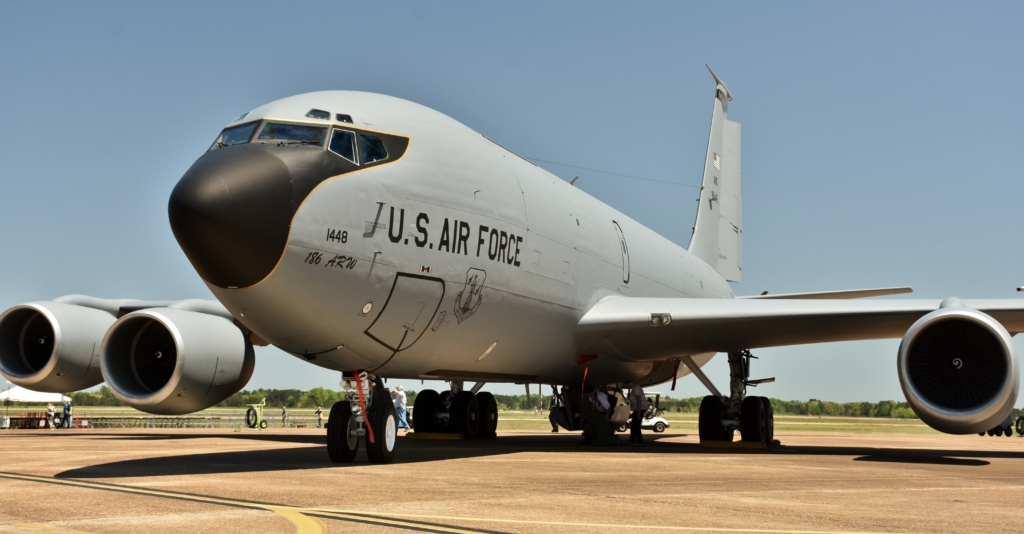
Mildenhall handles USAF ageing KC-135 Stratotanker aerial tankers. In December 2025, Business Insider wrote that when maintaining these old tankers, technicians are required to crawl through tight, dirty spaces, “painstakingly cleaning sealant on fuel tanks and tightening loose rivets.”
A Monday Night Football game inspired a breakthrough for the U.S. Air Force. 🏈 Our VP of Growth & Strategy Cedric George sat down with @thewarriormaven to talk IRIS, a certified, AI-powered wearable transforming confined-space aircraft maintenance. 👇https://t.co/UYKXimKyHp
— MetroStar (@MetroStarSystem) January 6, 2026
Until now, they have needed to climb into the tanks with little more than a flashlight, some tools, and basic comms. The tank understandably smells like jet fuel, and it can be hard for the technicians to breathe. It’s a job that hasn’t changed much in 50 years.
But now a live-feet video headset and artificial intelligence-enabled technology is helping the Air Force to update the way it cleans the tanks. The new system is safer and more efficient.
Get the latest aerospace defence news here on AGN.
How the Integrated Respirator Information System (IRIS) works
The new system combines UL 913-certified intrinsically safe wearables (aka a suit and mask), real-time two-way audio and video, an AI-powered knowledge retrieval system, and a searchable digital log book. Together, it creates a “fully connected, intelligent maintenance workflow.”
The new setup allows every session to be captured and every decision made to be better informed. It means that no maintainer needs to work alone in the dark again.
Cedric George, Maj. Gen. (ret.) notes that he understands what it means for maintainers to crawl into a confined space with incomplete information and no backup.
Iris allows the maintainer to access real-time remote expert support, chat with an AI assistant developed with the unit’s full technical knowledge base, stream live video and audio to safety officers and engineers, and automatically capture and organise every maintenance session into a searchable digital log book.
The new Iris system is available through the Tradewinds Solutions Marketplace, the DoD’s platform for acquiring innovative commercial technology. It helps to reduce barriers to procurement and accelerate adoption of systems across the joint force.
MetroStar claims Iris will save over 35,000+ annual work hours and provide 7,000 days of additional aircraft availability across a fleet.
Featured Image: DVIDS
Sign up for our newsletter and get our latest content in your inbox.


More from


October 2, 20263 min read


