


USC Aero wants to give Lufthansa’s retired Airbus A340-600s a second life

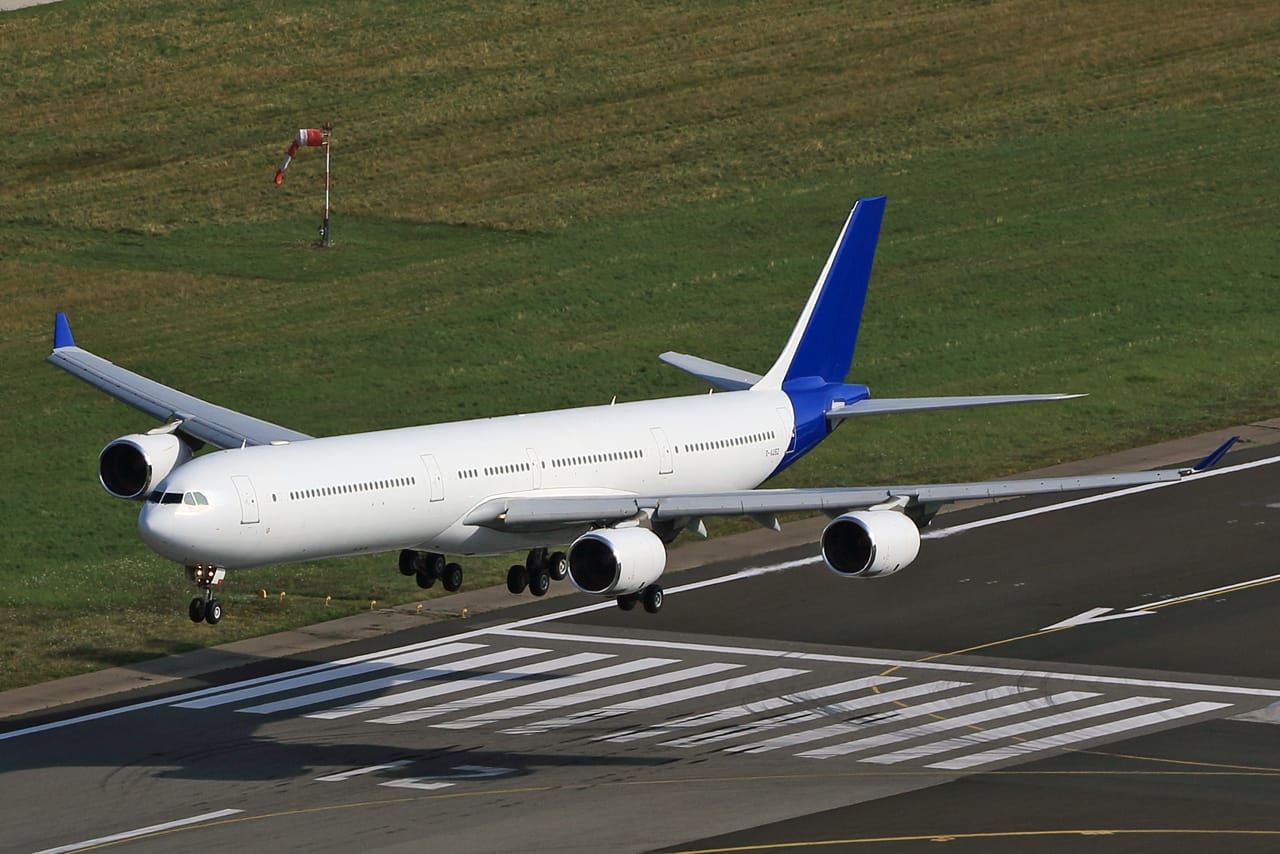
German charter and ACMI operator USC Aero is betting on one of commercial aviation’s great cast-offs: the four-engined Airbus A340-600.
While major airlines continue to retire older quadjet aircraft in favour of more efficient twinjets, the Frankfurt-based carrier is in the process of acquiring five former Lufthansa A340-600s.
The move, first reported by Aviation Week, will see two of the aircraft returned to service while three will be dismantled to support USC Aero’s growing inventory of spare parts.
“Two will continue to operate, three will be parted out,” USC Managing Director Klaus Dieter Martin said.
The acquisition highlights both the changing economics of long-haul aviation and the emergence of a niche market where older widebody aircraft can still find a second life.
USC Aero builds a niche fleet around the Airbus A340
USC Aero has carved out an unusual position in the ACMI and charter market.
Unlike many operators that rely heavily on leased aircraft, USC’s strategy centres on outright ownership. According to Martin, owning aircraft rather than leasing them provides flexibility during periods of fluctuating demand.
That approach has led the company towards aircraft that major airlines are rapidly retiring.
Before the latest acquisition, USC already operated a former South African Airways Airbus A340-300 and an A340-600. One of those aircraft is currently flying for Surinam Airways under an ACMI agreement.
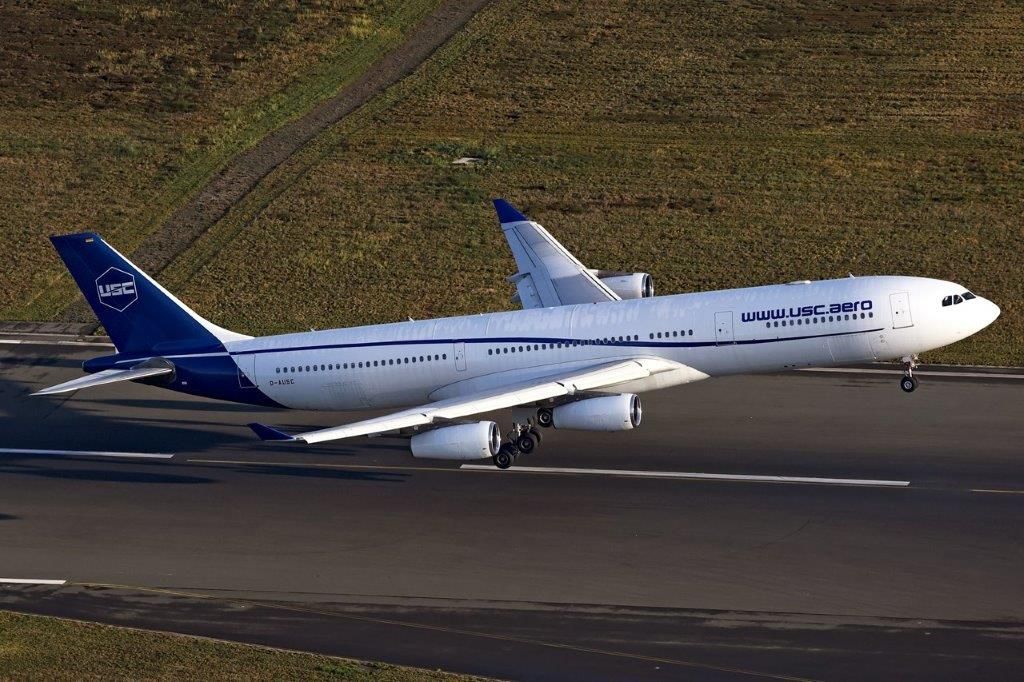
If the acquisition proceeds, the Lufthansa aircraft will significantly increase USC’s A340 inventory while creating a dedicated source of spare parts support for the years ahead.
According to Aviation Week, two of the three aircraft earmarked for dismantling have already been sold to a specialist company in Poland that will manage the teardown process and maintain a parts inventory for USC.
Why USC Aero is buying Airbus A340s in 2026
At first glance, the decision appears counterintuitive.
The Airbus A340 has become one of the clearest examples of how commercial aviation has shifted towards highly efficient twin-engined aircraft.
Developed alongside the Airbus A330, the A340 entered service in 1993 and was designed during an era when long-haul operations still favoured four engines for extended overwater flights. Lufthansa and Air France became among the first operators of the type.

The later A340-600 variant stretched the design into one of the largest passenger aircraft ever built. At 75.3 metres in length, it became the world’s longest passenger airliner when it entered service and remains one of the longest commercial aircraft ever operated.
Yet the economics that once favoured large four-engined aircraft have changed dramatically.
Advances in engine reliability and ETOPS regulations enabled aircraft such as the Boeing 777, Airbus A350 and Boeing 787 to fly the same long-haul routes using only two engines while consuming significantly less fuel.
As fuel efficiency became increasingly important, airlines began replacing A340 fleets with newer-generation twinjets. Airbus ended A340 production in 2011 after delivering 377 aircraft.
Today, only a small number remain in commercial passenger service.
Former Lufthansa A340-600s bring aircraft and spare parts
The aircraft being acquired by USC come from one of the A340’s most loyal operators.
For years, Lufthansa was among the largest remaining users of the type and became one of the few major airlines still operating both A340-300 and A340-600 variants after many competitors had already retired theirs.
However, even Lufthansa has gradually moved towards newer aircraft such as the Airbus A350.
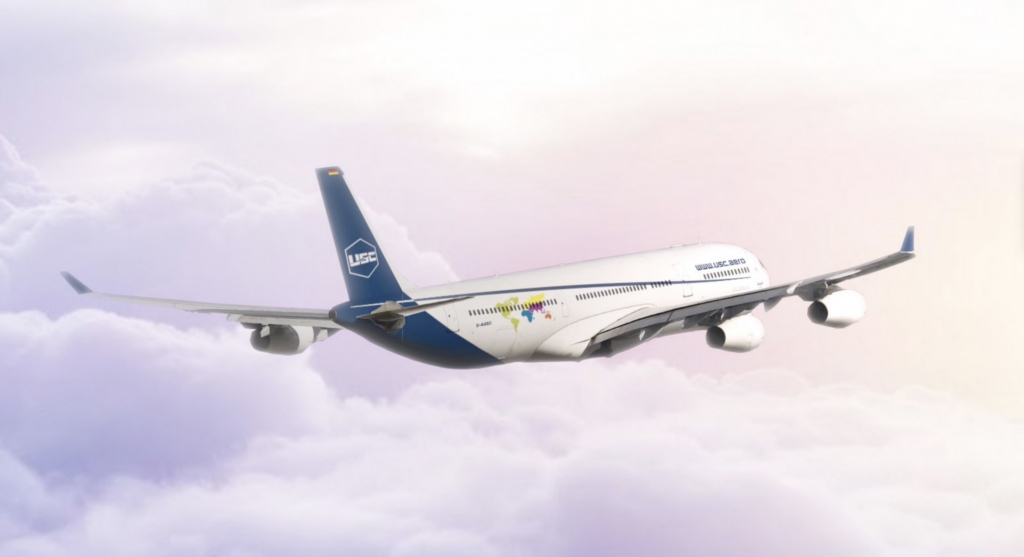
The airline recently confirmed plans to retire its remaining A340-600 fleet as part of a broader fleet modernisation effort.
The aircraft USC is eyeing include examples delivered to Lufthansa in 2008 that each accumulated more than 64,000 flight hours during their airline careers.
USC now intends to reconfigure the two aircraft it plans to operate, increasing capacity from Lufthansa’s 281-seat layout to around 400 seats.
Why the A340 still works for ACMI and charter missions
The continued appeal of the A340 to operators such as USC lies less in fuel efficiency and more in acquisition cost.
Martin told Aviation Week that comparable Airbus A330 aircraft can cost many times more than second-hand A340s, making the older aircraft attractive to a company focused on asset ownership.
That economic equation is particularly relevant in the ACMI market, where aircraft often fly specialised missions, seasonal contracts or operations into destinations that larger airlines may avoid.
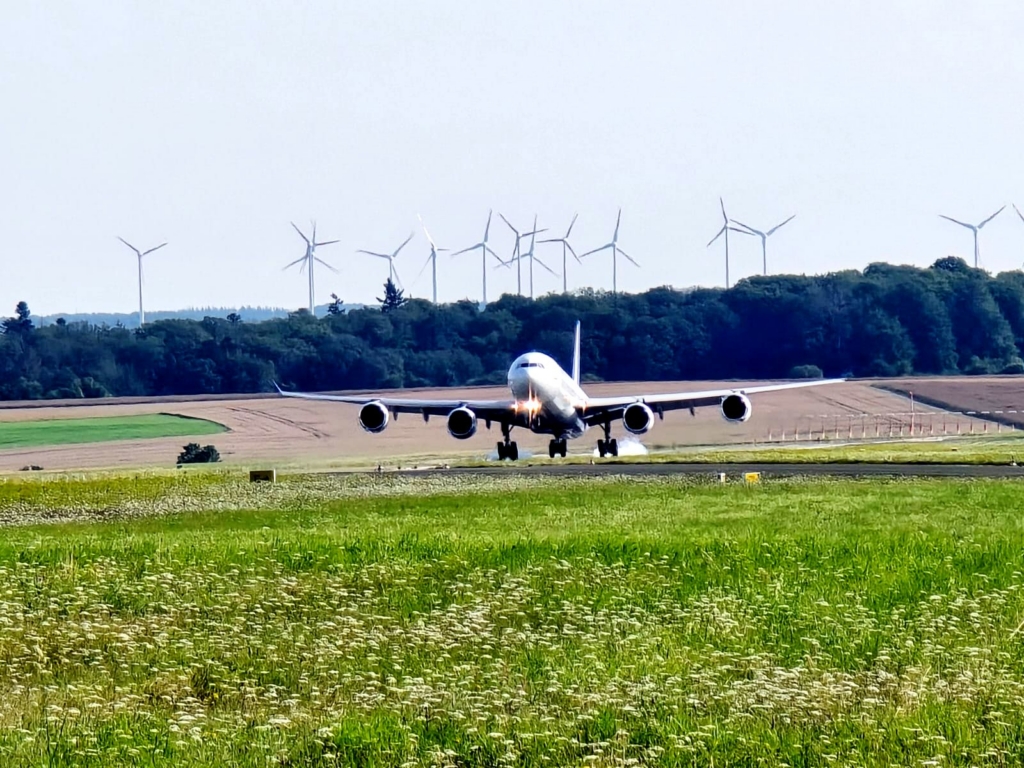
USC’s recent work has included flights supporting United Nations operations and charter missions linking destinations across Africa, Asia and the Caribbean.
Such missions place less emphasis on achieving maximum fuel efficiency than on aircraft availability, payload capability and low acquisition costs.
The Airbus A340 enters its second-life era
The A340 was once a symbol of Airbus’ long-haul ambitions.
For much of the 1990s and early 2000s, it competed directly with the Boeing 747 and later the Boeing 777 on intercontinental routes. Its four engines offered airlines flexibility at a time when twin-engined aircraft still faced operational restrictions over remote oceans.
Those advantages have largely disappeared.
Today, the aircraft is increasingly absent from airline fleets, replaced by newer designs that offer lower operating costs, reduced fuel burn and simplified maintenance.
Yet the type continues to find supporters.
For operators such as USC Aero, the A340’s story is not quite over. As major airlines send the aircraft into retirement, a handful of specialist carriers are finding value in a platform that still offers long range, substantial capacity and a purchase price difficult for newer aircraft to match.
In an industry focused on the next generation of airliners, USC’s latest acquisition suggests there is still life left in one of Airbus’ most distinctive long-haul aircraft.
Featured image: USC Aero


