French Airbus A400Ms to become airborne command hubs for drones and fighters

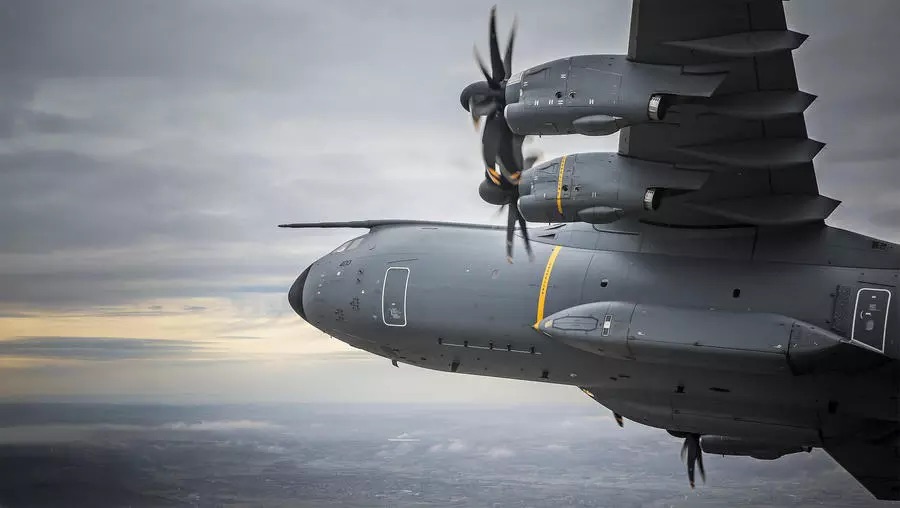
The Airbus A400M was conceived as a military transport aircraft, carrying troops, vehicles and supplies into difficult operating environments. France now wants it to do far more.
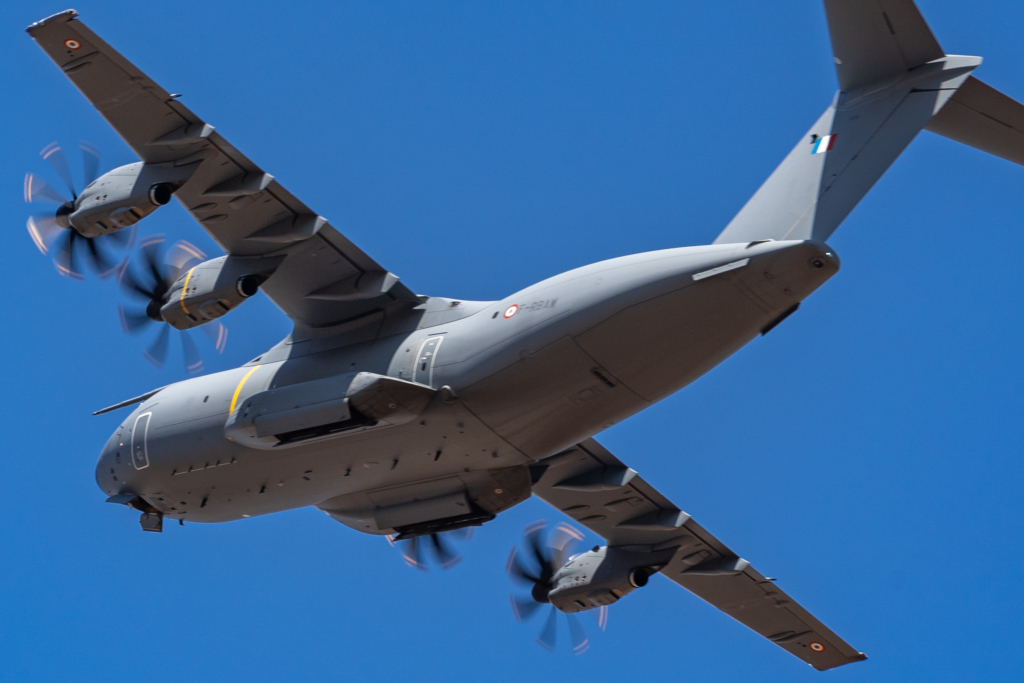
Under a new contract signed between Airbus Defence and Space, and the Organisation for Joint Armament Co-operation or OCCAR on behalf of France’s Directorate General of Armaments (DGA), the aircraft is set to acquire intelligence, surveillance and reconnaissance capabilities, airborne command-and-control functions and the ability to coordinate future collaborative combat operations involving drones, helicopters, fighter aircraft and ground forces.
The development, known as the Parallel Mission System (PMS), marks one of the most significant evolutions of the A400M since it entered service.
Rather than creating a dedicated new platform, France is seeking to turn part of its existing A400M fleet into multi-role airborne mission nodes capable of connecting sensors, communications systems and combat assets across the battlefield.
“The A400M is a true Swiss Army knife for the armed forces that use it,” said Jean-Brice Dumont, Executive Vice President Air Power at Airbus Defence and Space. “With this development, the French Air and Space Force is acquiring an aircraft capable of becoming a tactical command and control tool in the air.”
A400M cargo hold to become airborne mission centre
At the centre of the programme is a new mission system built around an open architecture connected directly to the aircraft’s existing systems.
The French Ministry for the Armed Forces said the PMS will incorporate new communications systems, sensors and effectors through a digital architecture designed to support future capability growth.
The system will be operated through removable workstations installed in the cargo compartment, effectively turning part of the aircraft into a deployable mission operations centre.
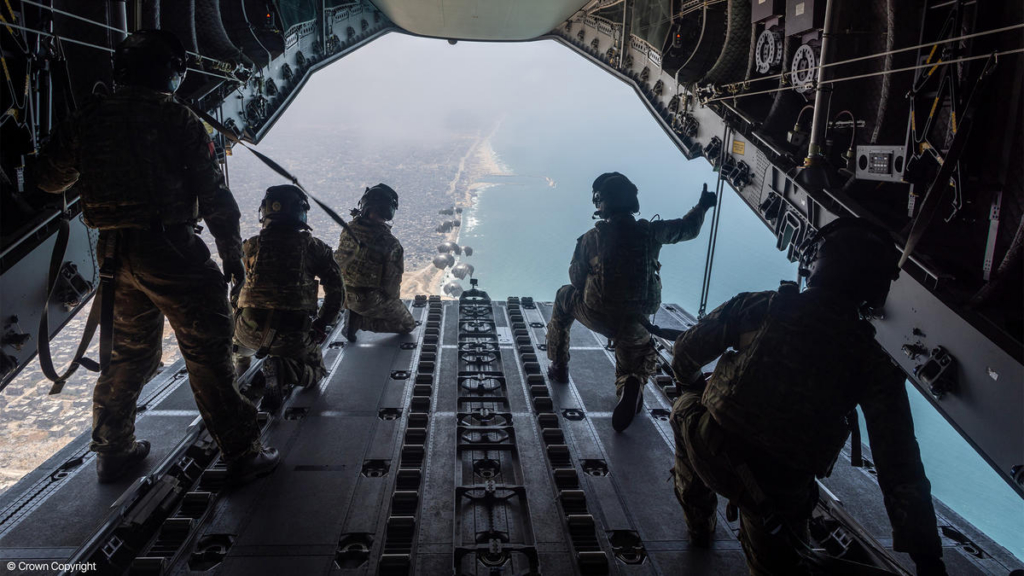
Airbus said tactical situational awareness consoles will allow operators to monitor multiple information sources and coordinate missions while airborne.
An optronic sensor will also be integrated into the aircraft, enabling it to conduct intelligence, surveillance and reconnaissance missions in support of air and ground operations.
This gives the aircraft the ability not only to transport forces but also to contribute directly to identifying, tracking and monitoring activity across the battlefield.
The significance of the PMS lies in its flexibility. Because it is based on an open architecture, France intends it to serve as a foundation for additional sensors, communication systems and mission equipment in the future.
A400M mission system designed for collaborative combat
The most ambitious element of the project is its focus on collaborative combat.
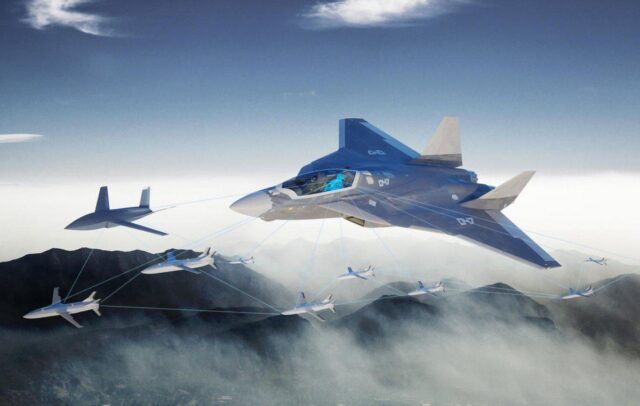
According to both Airbus and the DGA, the mission system is being designed to coordinate operations involving multiple platforms simultaneously. These could include ground forces, Tiger attack helicopters, Caracal H225M helicopters, fighter aircraft and future uncrewed systems.
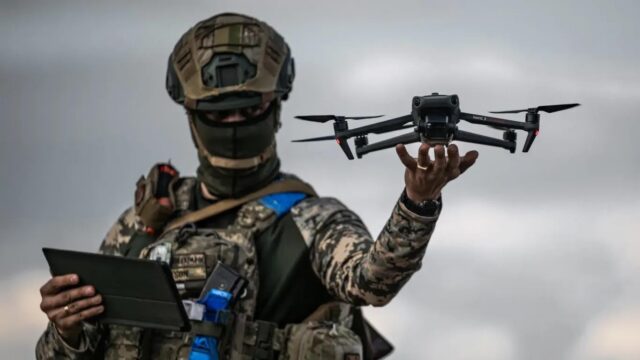
In the longer term, the system is also expected to support the management of drones and missiles released from the aircraft’s cargo compartment.
Airbus says crews will eventually be able to coordinate missions involving both crewed and uncrewed assets through a common networked architecture.
That ambition reflects a broader shift taking place across European air forces.
Future combat operations are increasingly being built around the rapid sharing of information between platforms rather than the capabilities of individual aircraft.
The French ministry described the concept as the real-time sharing of information and coordination of actions within a single network.
While much attention has focused on future fighter programmes and combat clouds, France’s latest initiative suggests military transport aircraft may also have a significant role to play in those networks.
Cargo-hold drone and missile launch echoes Rapid Dragon concept
One aspect of the programme stands out.
Both Airbus and the French ministry refer to the future management and deployment of drones, missiles and other effectors from the aircraft’s cargo hold.
While details remain limited, the concept mirrors a growing international interest in using transport aircraft as launch platforms for stand-off weapons and uncrewed systems.
The idea is not entirely new. In the United States, the Air Force Research Laboratory’s Rapid Dragon programme has demonstrated the launch of palletised cruise missiles from cargo aircraft including the C-130 and C-17.
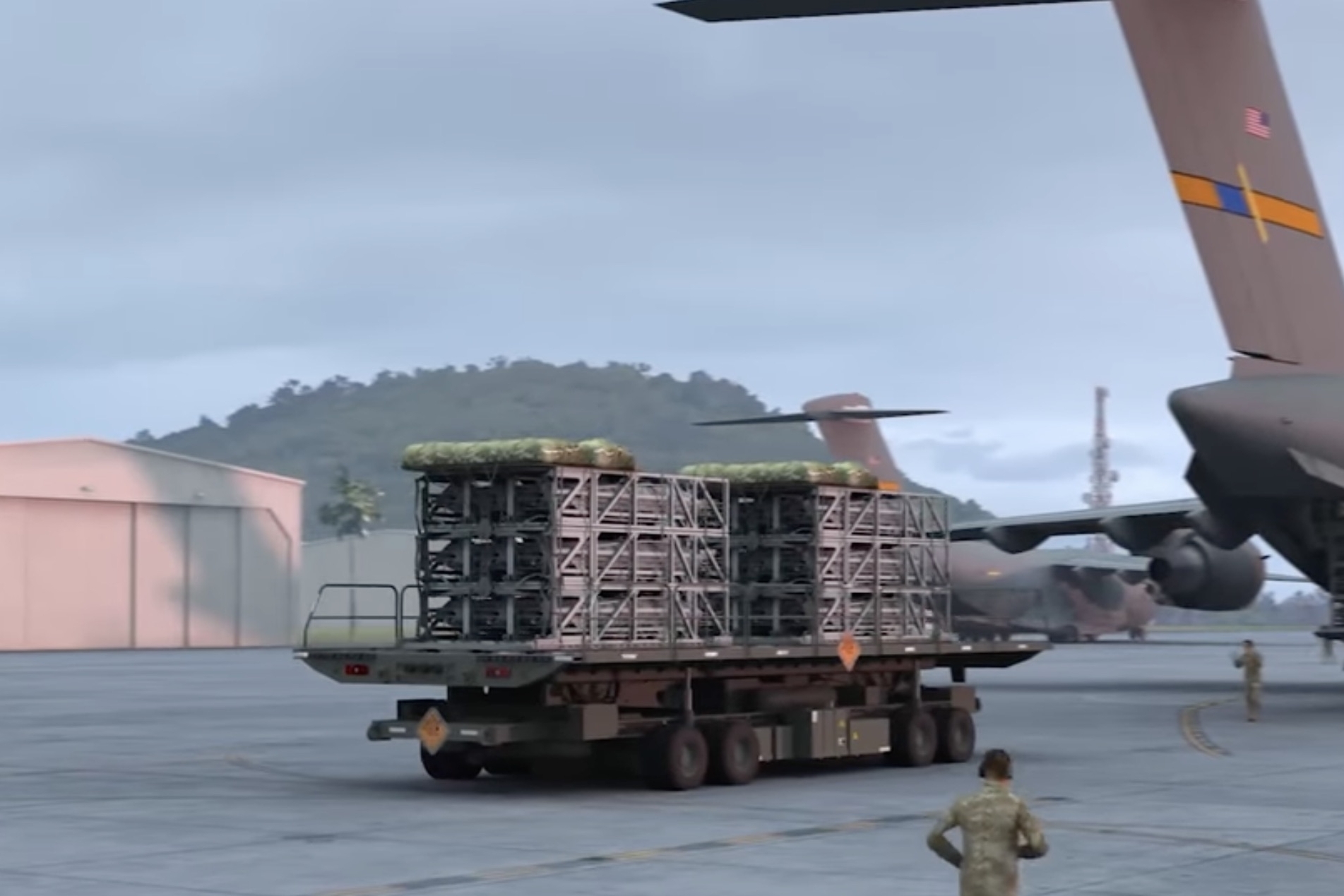
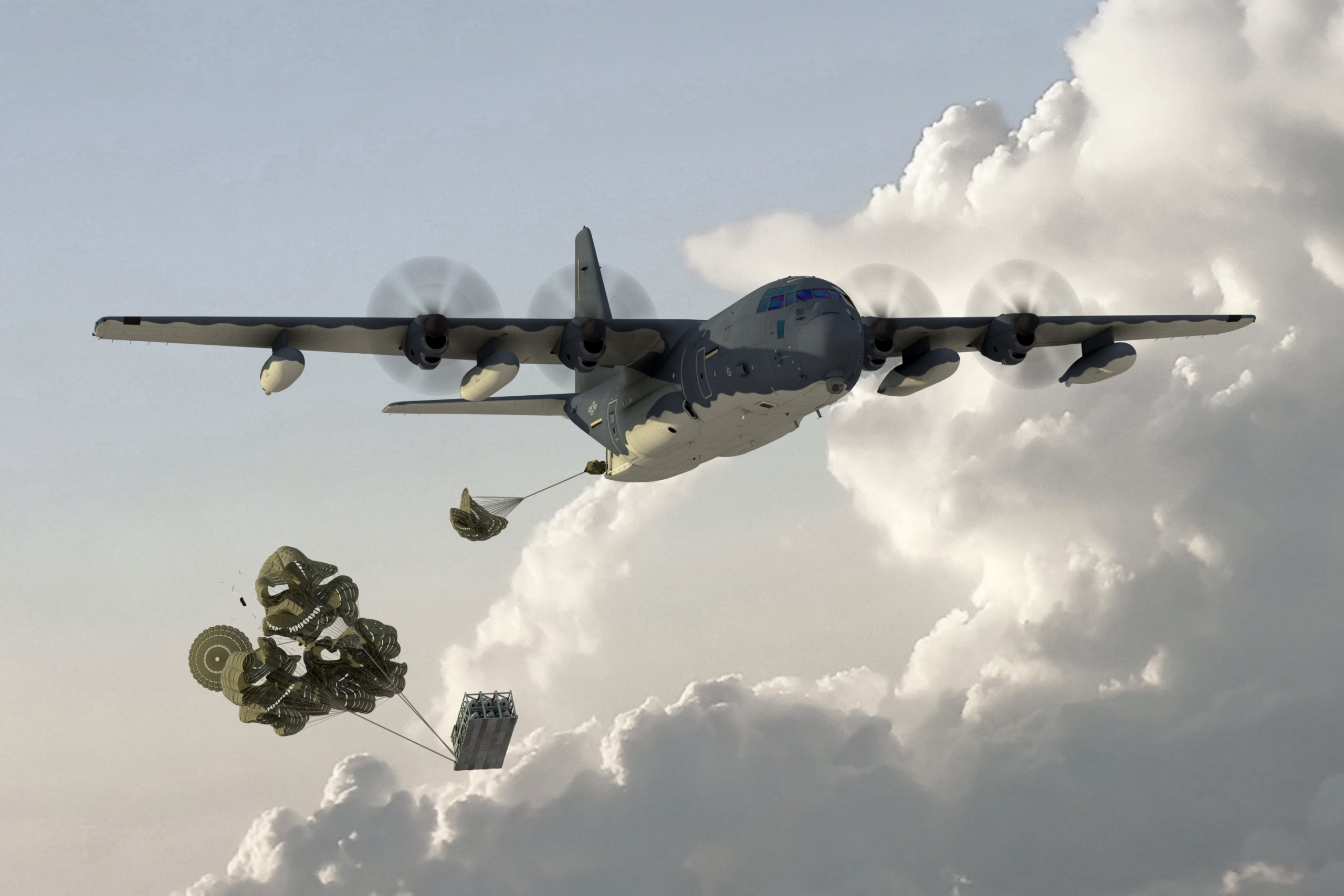
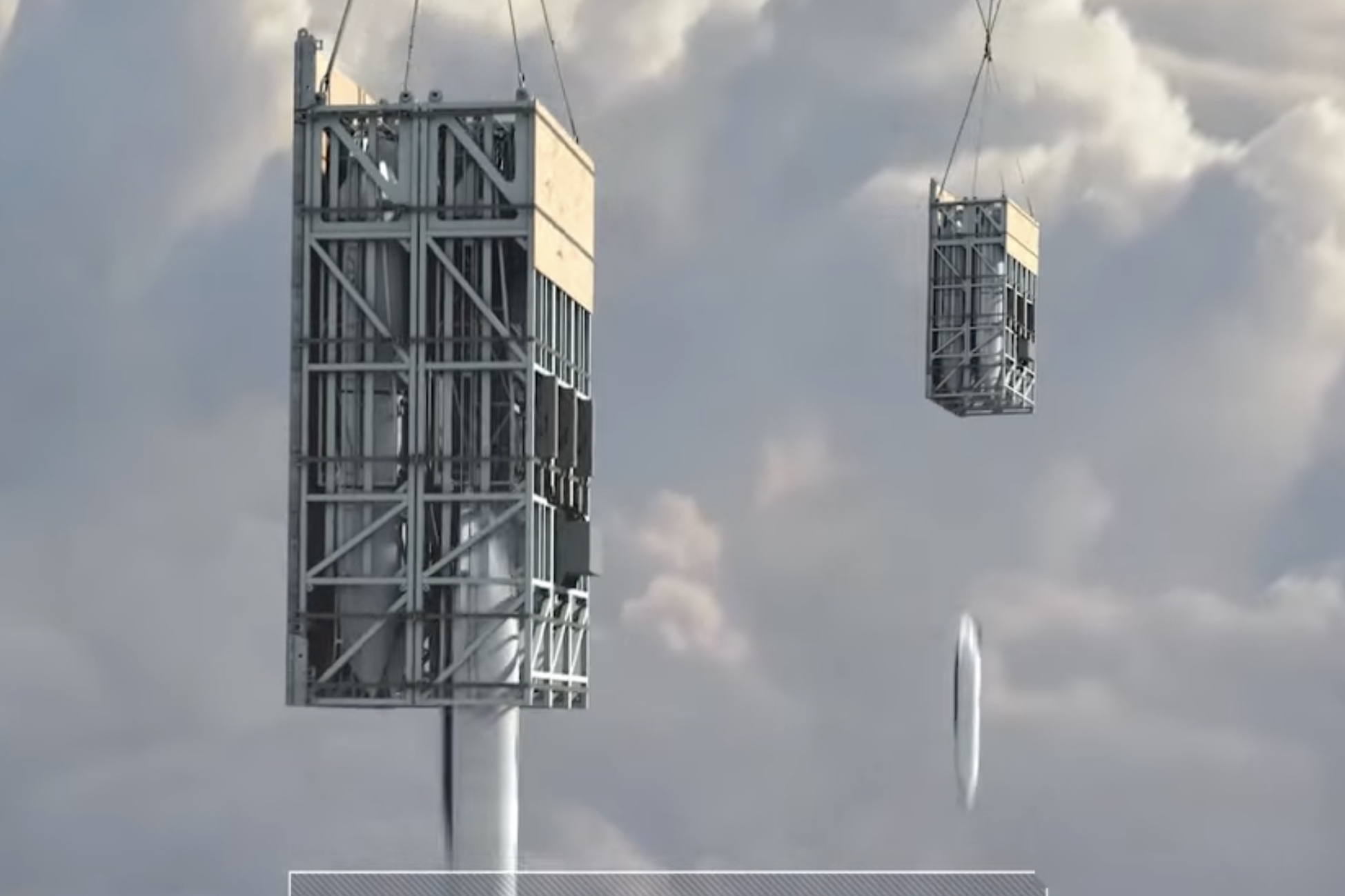
The concept uses roll-on, roll-off launch systems that allow transport aircraft to deploy long-range weapons without major modifications.
The programme was established to explore how existing airlift fleets could rapidly expand strike capacity and provide additional operational flexibility.
France has not disclosed what types of drones or weapons could eventually be employed from the A400M, nor has it suggested a capability identical to Rapid Dragon.
However, the references in the PMS programme point to a broader vision in which transport aircraft become active participants in combat operations rather than simply moving forces to the battlefield.
Why the A400M is suited to a command-and-control role
The aircraft’s physical characteristics make it a logical candidate for such an expansion of responsibilities.
The A400M combines strategic reach with tactical flexibility. It can operate from short and semi-prepared runways, transport large payloads over long distances and remain airborne for extended periods.
The aircraft’s spacious cargo compartment provides room for operator consoles, mission equipment and future payloads without fundamentally altering its transport role.

France already uses the aircraft across a broad spectrum of missions, including personnel transport, equipment deployment, medical evacuation, airborne delivery operations and air-to-air refuelling.
The PMS programme seeks to build upon those existing strengths rather than replace them.
The result could be an aircraft capable of transporting forces into a theatre, gathering intelligence, coordinating operations and supporting uncrewed systems during the same deployment.
France plans 20 A400M aircraft for future mission system
The programme is already moving towards operational implementation.
Following development work, the first aircraft will receive the new mission system for qualification and certification testing by the end of 2028.
Airbus has said the first installation is expected in 2027, with flight testing beginning in 2028.
France ultimately plans to acquire six complete PMS kits and modify 20 A400M aircraft to accept them. Each kit will be interchangeable, allowing it to be installed on any of the modified aircraft as operational requirements dictate. Retrofit work will be carried out with support from the French Air Force’s Aeronautics Industrial Service.
Airbus is already looking further ahead. Among the capabilities under study are long-range electronic attack missions, drone and missile mothership functions, increased payload capacity and firefighting roles.
Together, they point to a future in which the A400M evolves well beyond its original remit as a military transport aircraft.
Featured image: Airbus