Congress moves to block U-2 Dragon Lady retirement and restore four aircraft

7 min read
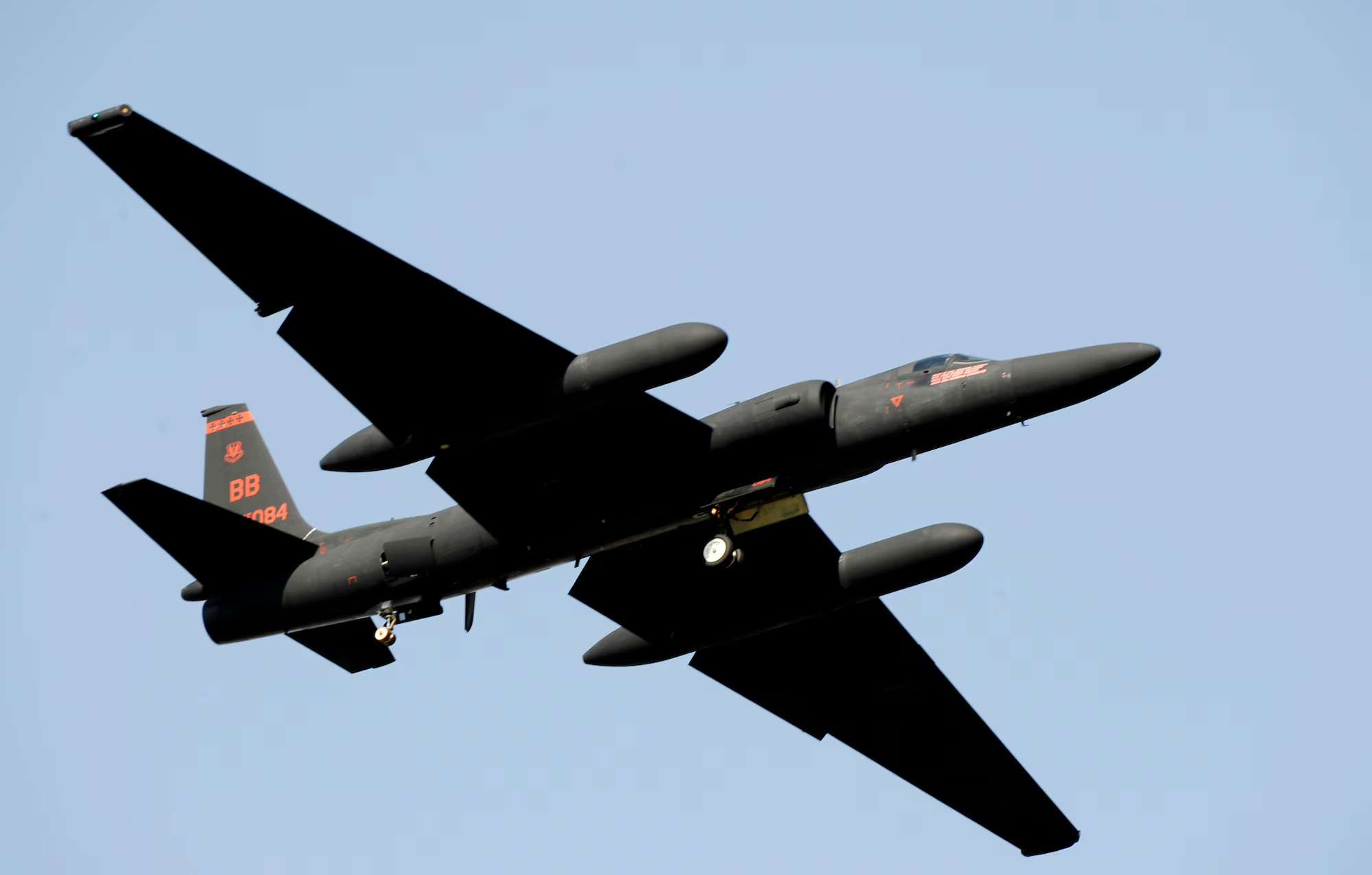
Less than a month after the US Air Force renewed its case for retiring the U-2 Dragon Lady, Congress has signalled it is not yet ready to part with the high-altitude reconnaissance aircraft, proposing funds to restore four airframes while sharply limiting fleet reductions.
The House Appropriations Defense Subcommittee’s draft Fiscal Year 2027 spending bill would prevent the Air Force from retiring more than two U-2 aircraft and would include $81 million for programmed depot maintenance to return four airframes to full operational status.
The proposal runs counter to Air Force plans to retire the entire fleet and end funding for its operation and maintenance.
The move has reopened a long-running debate over the future of one of the world’s most recognisable intelligence-gathering aircraft.
While the Air Force argues the U-2 is increasingly vulnerable and no longer suited to future high-end conflicts, lawmakers continue to question whether its missions can be fully replaced by satellites, advanced networks and classified next-generation systems.
Congress moves to block U-2 Dragon Lady retirement
The draft spending bill would allow the Air Force to retire only two aircraft during Fiscal Year 2027 and direct funding towards restoring four additional U-2s through depot maintenance.
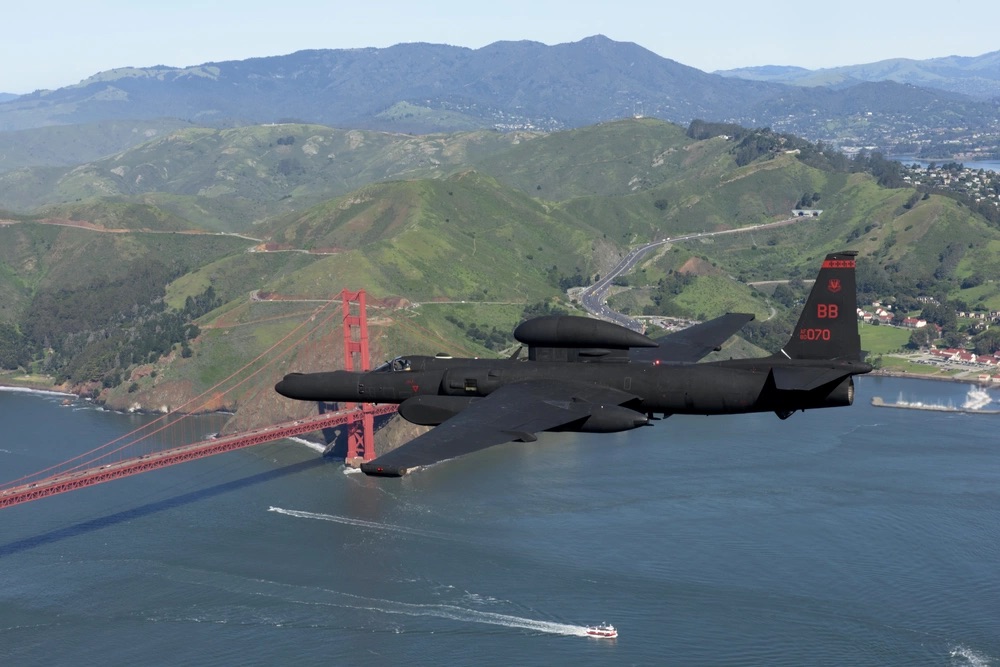
The Air Force currently operates a fleet of 23 aircraft, including three two-seat TU-2S trainers. The proposal follows several years of congressional resistance to Air Force plans to divest the fleet, reflecting concerns that important intelligence, surveillance and reconnaissance capabilities could be lost before replacement systems are fully available.
The latest legislation suggests those concerns remain.
Lawmakers have repeatedly questioned whether emerging technologies can yet provide the same operational flexibility as the Dragon Lady, particularly in missions requiring persistent surveillance, rapid retasking and large sensor payloads.
Why the Air Force wants to retire the U-2 fleet
The Air Force has been increasingly vocal about its desire to retire the fleet.
In its latest force structure plans, the service stated that the U-2 is no longer viable for future high-end conflicts and argued that sustaining the aircraft presents growing operational and financial challenges.
“The Air Force will retire the entire 23-ship U-2 fleet, as the platform is no longer viable for future high-end conflicts,” the Pentagon said in its Fiscal Year 2027 force structure report.
“Continued operation presents significant safety, logistical, and financial risks that outweigh the platform’s remaining utility in contested environments,” the report said.
The Pentagon explained that, “This decision allows for the strategic reallocation of fiscal resources to fund more critical, high-priority service requirements and accelerate modernisation efforts in other key areas.”
It said, “Continuing to operate the U-2 fleet would require a significant investment to address systemic issues, including diminishing manufacturing capacity, material shortages, and safety risks inherent in the ageing platform.”
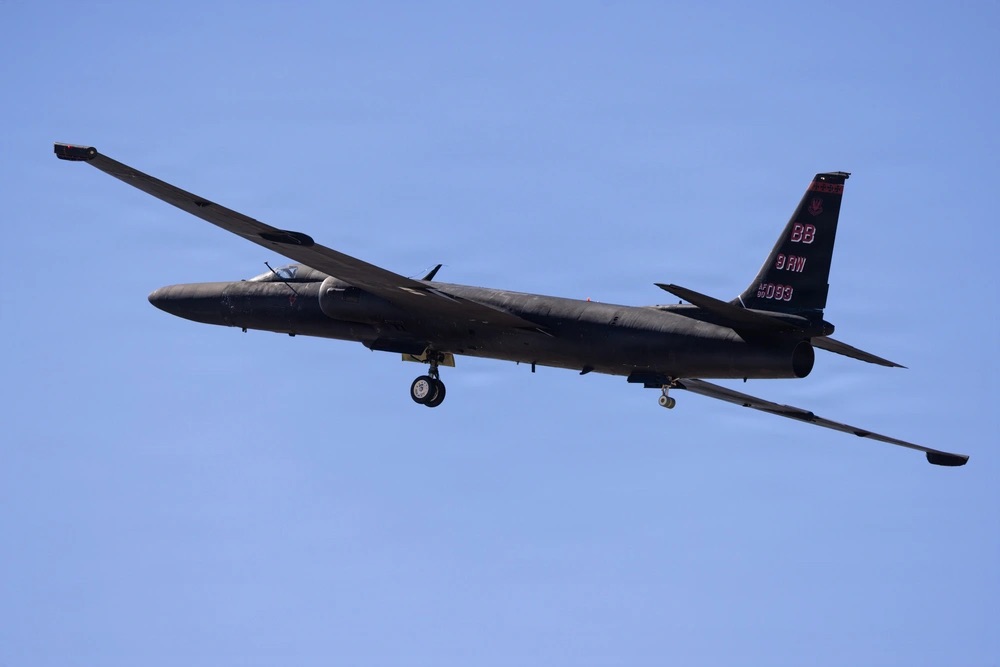
Although the U-2 remains highly capable, the fleet is ageing. Most aircraft currently in service were built during the final production run in the 1980s and have undergone repeated modernisation programmes to keep them relevant.
Maintaining the aircraft has become increasingly expensive, while supply chain challenges and sustainment issues have added pressure to retirement plans.
The Air Force also believes that a combination of space-based intelligence systems, advanced networking and next-generation airborne platforms will eventually assume many of the Dragon Lady’s responsibilities.
Dragon Lady: The remarkable aircraft that still operates above 70,000 feet
The U-2 remains one of the most distinctive aircraft ever built.
Designed by Lockheed’s legendary Skunk Works organisation under Clarence “Kelly” Johnson, the aircraft first flew in 1955 at the height of the Cold War. It was created to gather intelligence from altitudes beyond the reach of Soviet air defences.
The aircraft’s well-known “Dragon Lady” nickname is generally traced to a character from the comic strip Terry and the Pirates, a moniker adopted by early U-2 crews and one that has endured throughout the programme’s seven-decade history.
Its long, glider-like wings enable it to operate routinely above 70,000 feet, placing it among the highest-flying military aircraft in the world.
From those altitudes, the U-2 can carry an extensive range of intelligence-gathering equipment, including electro-optical sensors, infrared systems, synthetic aperture radar, signals intelligence payloads and measurement and signature intelligence equipment.
The aircraft can also relay information in near real time through satellite and data-link networks, allowing commanders to receive intelligence rapidly.
Over the decades, U-2s have supported missions across Europe, the Middle East, Asia and the Indo-Pacific.
The aircraft played a pivotal role during the Cuban Missile Crisis and later became a familiar presence in conflicts ranging from the Balkans to Afghanistan.
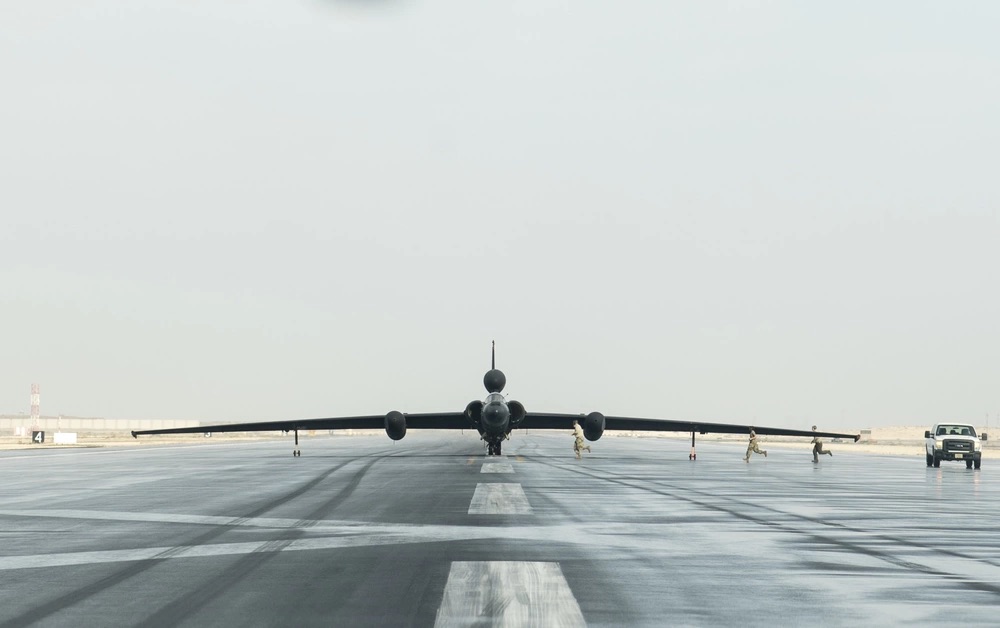
Flying the Dragon Lady remains a unique challenge. Pilots wear full pressure suits similar to those used by astronauts, while specially trained chase-car pilots assist during landing because of the aircraft’s unusual handling characteristics.
The unusual design choices that helped the Dragon Lady endure
The U-2’s longevity is matched by the unconventional engineering decisions behind it.
Weight reduction dominated the aircraft’s development. According to accounts from the programme, Lockheed engineers became so focused on saving weight that Kelly Johnson once joked he would trade his grandmother for a 10-pound reduction.
The remark became part of Skunk Works folklore, with engineers informally referring to pounds saved as “grandmothers”.
That philosophy shaped some of the aircraft’s most distinctive features. Instead of a conventional landing gear arrangement, the U-2 adopted a bicycle-style undercarriage running along the fuselage centreline. Small detachable wingtip support wheels, known as “pogos”, dropped away during take-off and were collected after departure. The design reduced weight and freed space for fuel.
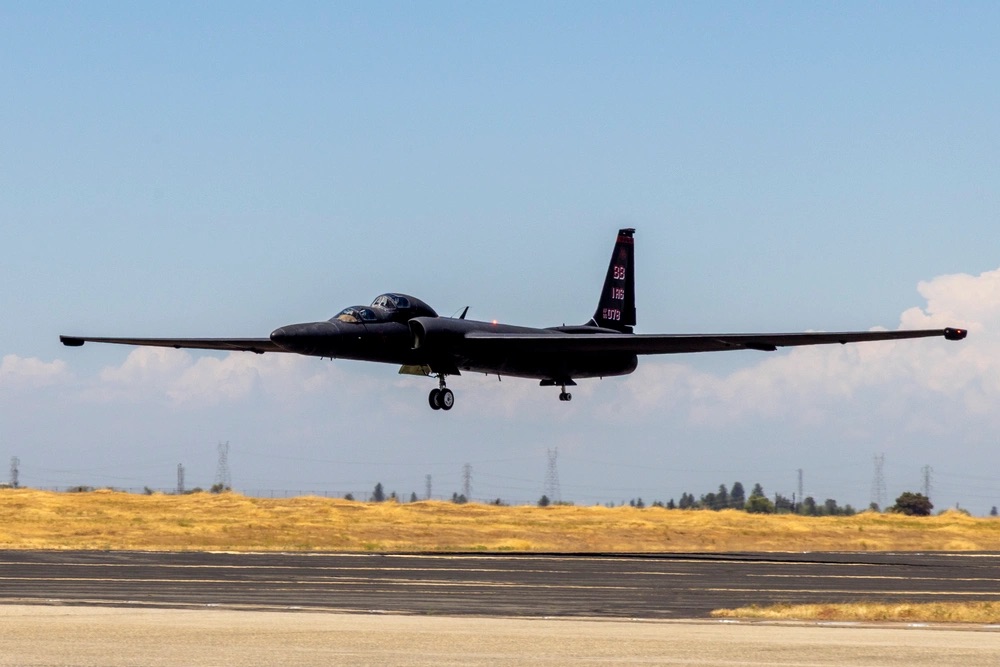
The resulting aircraft behaved more like a sailplane than a military jet. At operational altitude, a U-2 could glide for roughly 300 miles without engine power, a characteristic rarely associated with a reconnaissance aircraft.
Even fuel presented challenges. Engineers had to develop a specialised low-volatility fuel because conventional jet fuel could evaporate at extreme altitude.
Demand for the fuel became so great that production of a civilian insect repellent temporarily had to be reduced because both products relied on the same petroleum feedstocks.
Congress remains unconvinced that a U-2 replacement is ready
Supporters of the U-2 argue that the aircraft still offers advantages that are difficult to replicate.
Unlike satellites, it can be repositioned quickly and tasked against emerging requirements. It can also remain airborne for extended periods while carrying a diverse mix of sensors tailored to specific missions.
Over the years, the aircraft has evolved into more than a traditional reconnaissance platform. Modern U-2s have been used as airborne communications gateways, helping connect different aircraft and networks across the battlespace.
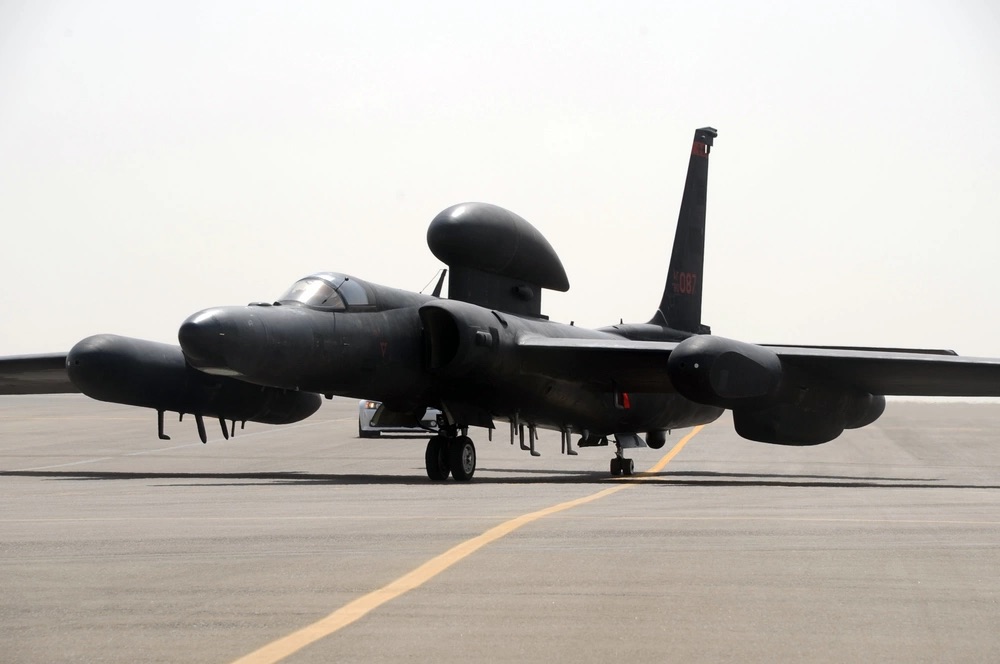
The fleet has also served as a testbed for emerging technologies, allowing new sensors and networking concepts to be evaluated before wider deployment.
For lawmakers, the central issue is not whether replacement systems are being developed. It is whether those systems are sufficiently mature to assume all of the U-2’s responsibilities without creating capability gaps.
The future of airborne intelligence gathering remains largely classified
The Air Force has provided only limited details about what will ultimately replace the Dragon Lady.
Officials have pointed to a future intelligence architecture built around space-based sensors, advanced data-sharing networks and highly survivable airborne platforms.
Among the systems frequently linked to that future is the widely reported but officially unacknowledged Northrop Grumman RQ-180, a high-altitude stealth aircraft believed to perform strategic intelligence-gathering missions.
However, much of the Air Force’s future reconnaissance enterprise remains classified, making it difficult for outside observers and some lawmakers to assess whether replacement capabilities are fully ready.
That uncertainty helps explain why Congress continues to intervene whenever the Air Force seeks to accelerate retirement plans.
What $81m in depot funding means for the U-2 fleet
The proposed $81 million allocation is more significant than a routine maintenance budget line.
Programmed depot maintenance involves extensive structural inspections, repairs and refurbishment work designed to extend an aircraft’s operational life. Airframes are effectively dismantled, inspected and rebuilt before returning to service.
By funding the restoration of four aircraft, lawmakers are signalling that they want the U-2 fleet to remain operationally relevant rather than simply preserved until retirement.
Whether the provision survives the full appropriations process remains to be seen.
For now, however, Congress and the Air Force remain divided over the future of the Dragon Lady. One side sees an ageing aircraft whose successors are already emerging. The other sees a proven capability that should not leave service until those replacements have demonstrated they can do the job.
Featured image: USAF