


EU removes Kyrgyz airlines from aviation blacklist after 20 years – and adds an Algerian carrier

4 min read
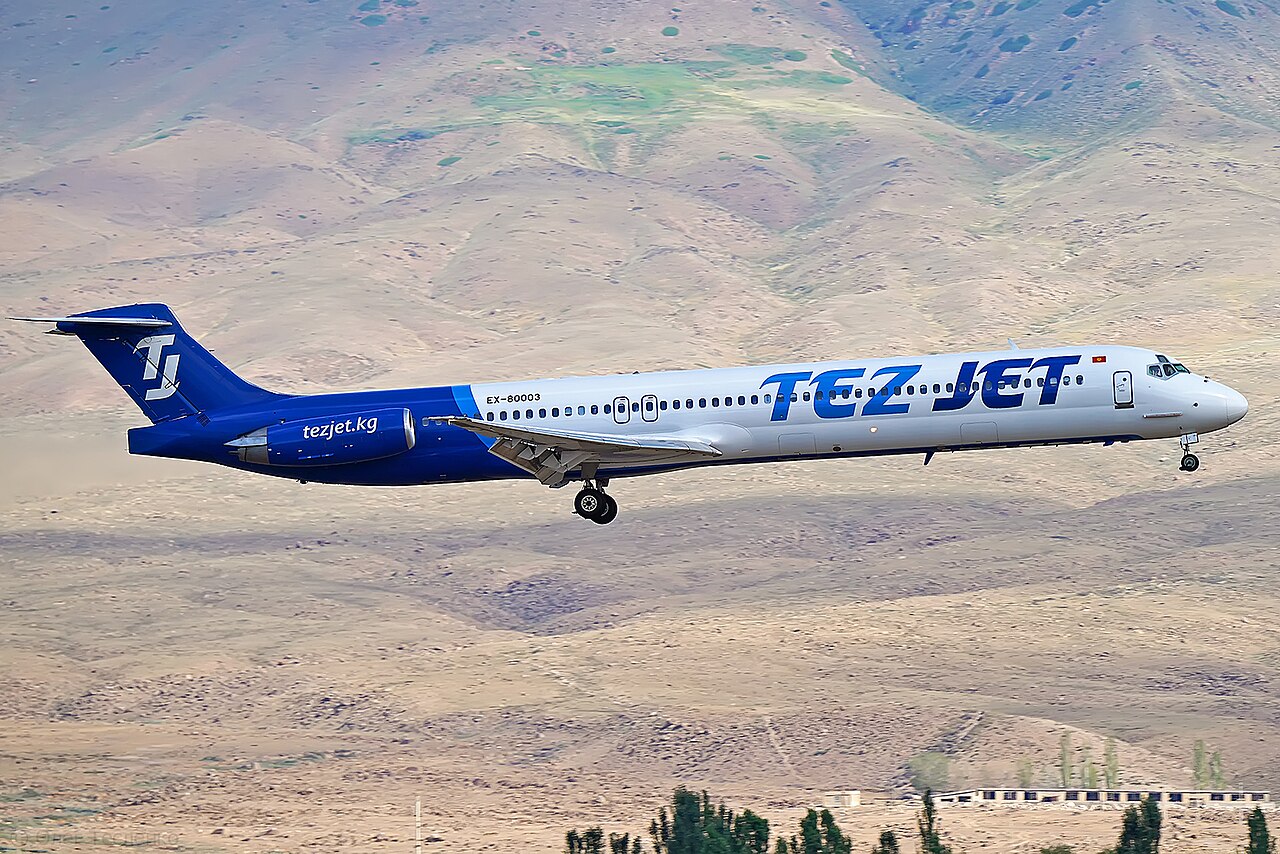
The European Commission has updated its aviation ‘blacklist’, removing all airlines certified in Kyrgyzstan from the EU Air Safety List while adding Algerian operator Air Express Algeria following concerns over safety compliance.
The list prohibits carriers deemed not able to meet international aviation safety standards from operating within European Union member states’ airspace.
The latest update, published on 9 June, is the 48th revision of the bloc’s airline safety regime since its introduction in 2006.
Kyrgyzstan removed from EU blacklist
The European Commission said it was removing all air carriers certified in Kyrgyzstan from the list, in recognition of the country’s “progress in strengthening its aviation safety oversight over the past 20 years”.
Kyrgyzstan was the only Central Asian country left on the list after the EU lifted all restrictions on Kazakh airlines in May 2024.
Kyrgyzstan had remained on the blacklist since the mid-2000s amid longstanding concerns surrounding regulatory oversight, operational standards and compliance with International Civil Aviation Organisation (ICAO) requirements.
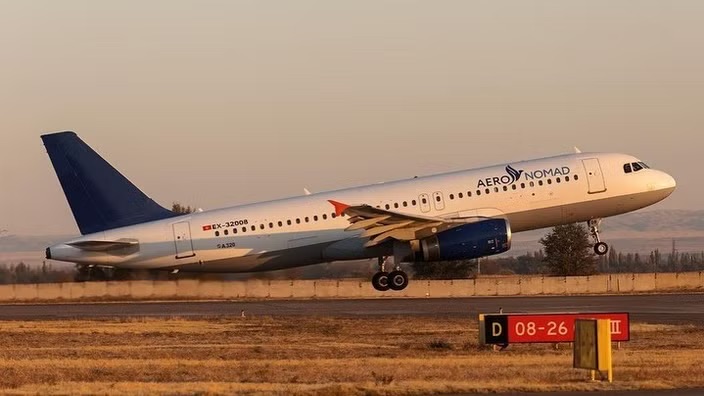
The removal of Kyrgyzstan’s airlines will make it possible for the country’s aviation sector to operate flights into the EU using its own aircraft, following several years of regulatory reform and engagement with European and international aviation safety authorities.
Countries on the blacklist can get around the ban by using ACMI operators.
Before being placed on the EU Air Safety List, airlines from Kyrgyzstan operated services to major European cities, including London, Birmingham, Frankfurt, Munich, Hanover, Hamburg, Stuttgart and Amsterdam.
Commenting on the removal, the Kyrgyz presidency released a statement saying: “The European Commission highly appreciated our progress [in aviation], including the results of technical consultations, an assessment visit in March 2026 and hearings in Brussels. It will continue technical interaction with Kyrgyzstan to support the results achieved.”
Kyrgyzstan has a small airline sector, with a handful of airlines including TezJet, Aero Nomad Airlines, Sky FRU and Asman Airlines.
Some of the larger carriers, such as Air Kyrgyzstan, Kyrgyzstan Airlines and Air Bishkek, have ceased operations in recent years. Access to the EU may make such airlines more viable in the future.
Air Express Algeria faces EU operating ban
There was less good news for Algeria, however. Homegrown carrier Air Express Algeria has been added to the blacklist and is now barred from operating services into the European Union.
According to the Commission, it found “serious safety concerns identified during assessments conducted by EU aviation safety experts, which revealed shortcomings in the airlines’ compliance with international safety standards”.
While the Commission did not disclose the specific findings, the decision indicates that inspectors found the carrier had deficiencies significant enough to warrant a full ban.
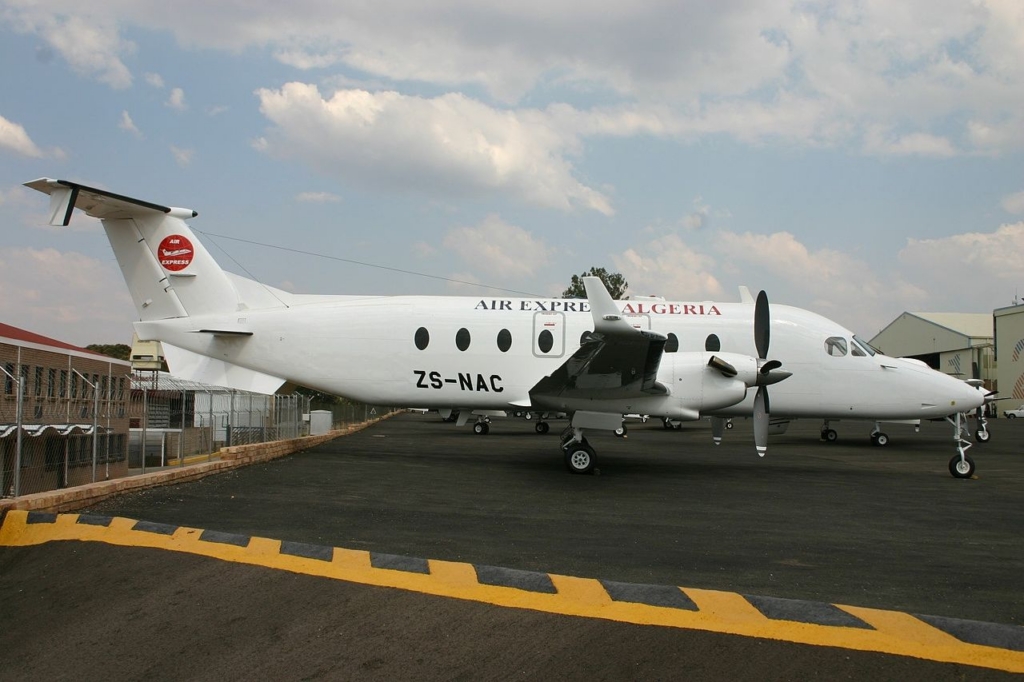
The Aviation Safety Network lists just a single incident involving the airline.
In 2025, a Let L-410UVP-E20 operated by Air Express Algeria was said to have been “flipped over during a storm and substantially damaged”. No injuries or fatalities were reported.
The EU Air Safety Committee, comprising aviation safety experts from EU member states and supported by EASA, met in Brussels in May to agree the latest revisions.
Passenger confidence in EU airline safety system remains high
The latest update coincides with the 20th anniversary of the EU Air Safety List, introduced following a series of high-profile aviation accidents and concerns over inconsistent standards in some regions of the world.
Alongside the revised blacklist, the Commission published new ‘Eurobarometer’ research suggesting strong public confidence in the system among European travellers.
The survey found that around 70% of respondents view the blacklist as an effective measure for protecting passengers from unsafe airlines, while three-quarters said they trusted the EU to make decisions based on safety considerations rather than political or commercial pressure.
Although only a relatively small proportion of passengers actively consult the list before travelling, broader awareness of its existence appears comparatively high. Half of respondents to the Commission’s poll said they were familiar with the list, while two-thirds reported receiving some form of air safety-related information when travelling.
The research also suggested that inclusion on the blacklist carries substantial reputational consequences for airlines. Only 8% of respondents said they would still book a flight with an airline appearing on the list.
More than 150 airlines remain banned from EU skies
Following the latest revision, 154 airlines remain prohibited from operating within the European Union.
Most are banned because of wider issues in terms of regulation within their home states rather than problems linked to individual airlines. The blacklist currently covers carriers from 16 countries, including Afghanistan, Libya, Nepal, Sudan and Tanzania.
In addition, 22 Russian-certified airlines remain barred from EU airspace, alongside several individual carriers from countries including Iraq, Iran, Venezuela and Zimbabwe.
Two airlines – Iran Air and North Korea’s Air Koryo – continue to face partial restrictions, allowing only certain aircraft types to operate into the EU.
Featured image: AKS.9955 / Wikimedia
Sign up for our newsletter and get our latest content in your inbox.


More from


September 17, 20265 min read

September 17, 20263 min read


September 18, 20263 min read

