


Airline industry warns of long delays from new European border system

4 min read
The association representing the global airline industry is warning that the European Union’s (EU) new border immigration system, the ‘Entry/Exit System’ (EES), risks leaving passengers facing delays of up to six hours at airports across the continent this summer.
Airlines themselves have warned customers of longer wait times at borders across Europe, particularly those at smaller airports where the infrastructure is less developed.
EES causing delays of ‘up to six hours’
Speaking to The Times, Rafael Schvartzman, vice president for Europe at the International Air Transport Association (IATA), warned of “challenging times” with waits of “three, four, five, six hours”, which he described as “unacceptable”.
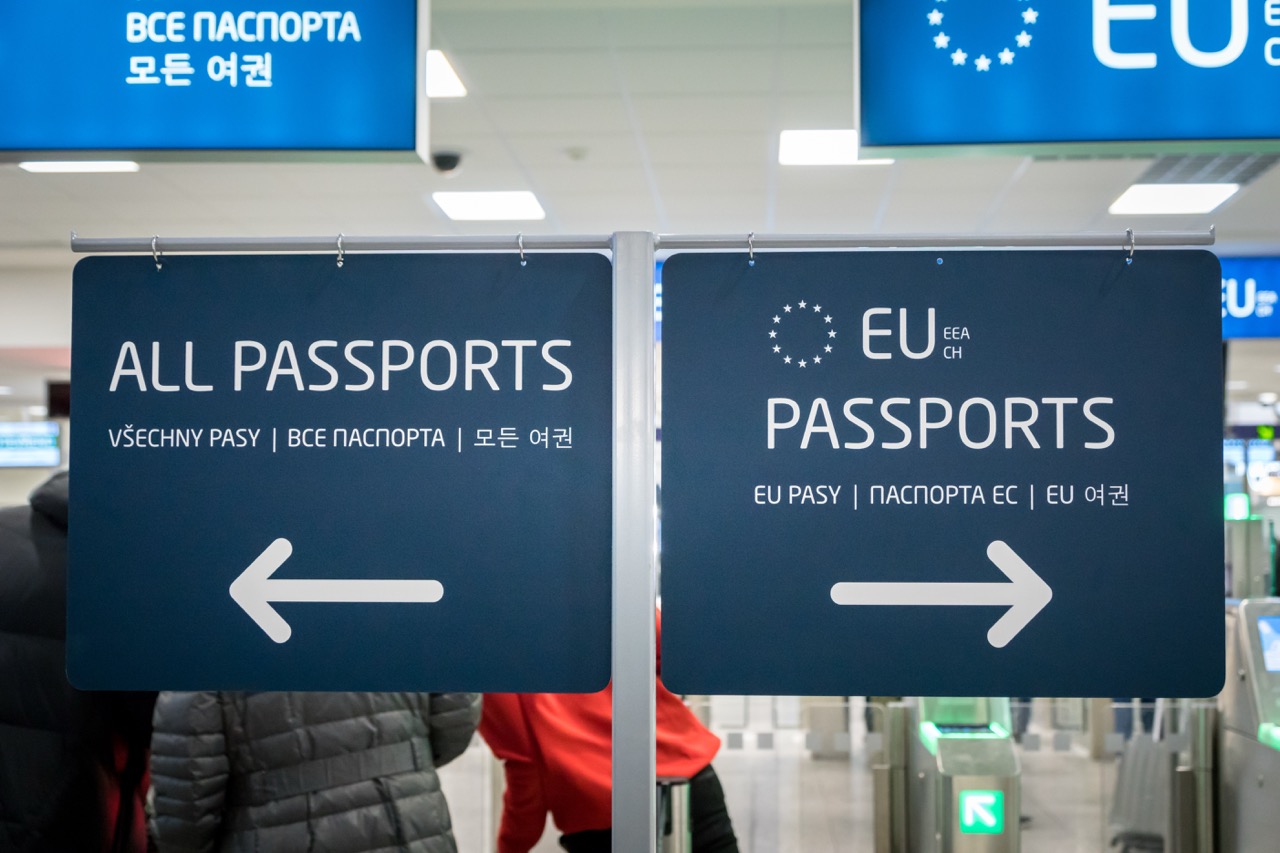
The EES system affects UK and all other non-EU passport holders when travelling to most European countries.
The new process is designed to modernise border checks by replacing passport stamps with a digital record of travellers entering and leaving the Schengen Area.
Officials have said the system should in theory speed up crossings through faster checks, self-service technology and the option for passengers to submit information in advance.
EES checks use fingerprint and facial recognition data to help authorities identify people who overstay visas, use false identities or abuse visa-free travel rules, the EU says.
Another two years before situation stabilises?
However the implementation has not been uniformly successful, amid reports of long delays already with the peak summer season yet to start.
Uku Särekanno, a director of the EU border agency Frontex, was quoted by The Guardian as saying that the situation would “stabilise in one or two years”.
Särekannotold said: “The most challenging part is the first enrolment, that is the moment where fingerprints and facial images will be taken.
“If a person is visiting the EU again, they don’t have to go through the same process, so they can have a more fast track of entry.”
How does the EES work?
Travellers entering the Schengen Area for the first time now need to provide personal information at the border, including a facial photograph and fingerprints.
Instead of receiving a passport stamp, their details will be stored in a digital record that can be used for future trips.
The EU says the process could be faster for passengers who submit some information in advance through self-service kiosks or mobile apps, where available.
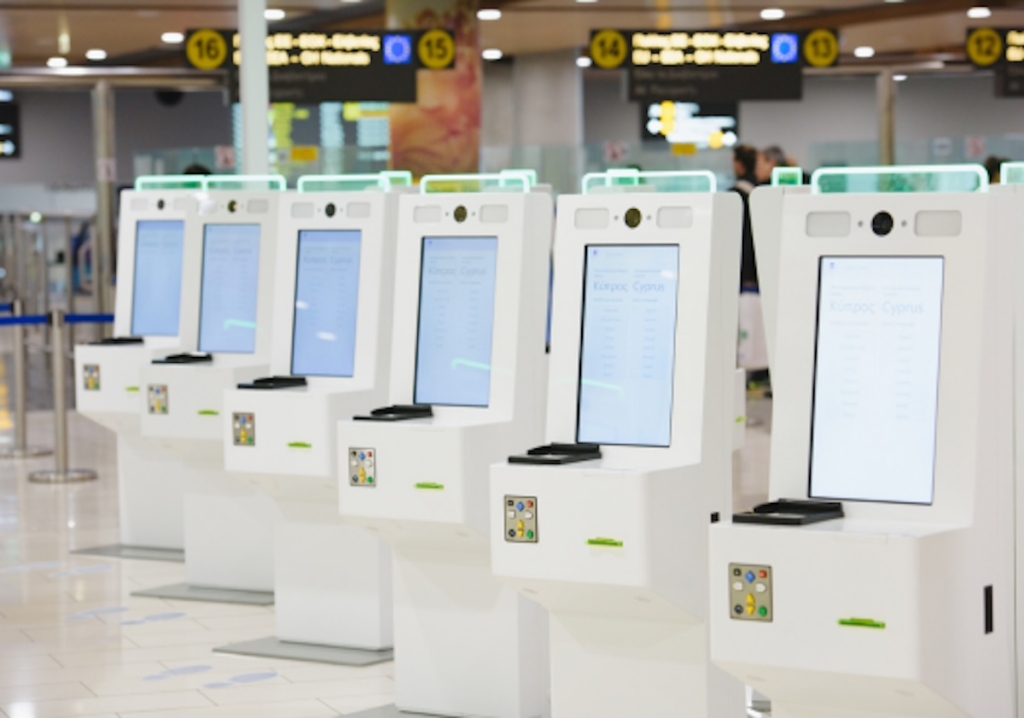
Even when using these, travellers will still have to see a border officer during the process.
For repeat travellers, border checks are expected to become quicker because facial images and fingerprints will already be stored in the system.
EES applies to travellers who need a short-stay visa as well as to those that are from visa-exempt countries outside the EU.
The EU says people with biometric passports may be able to use automated self-service gates without speaking to an officer, provided there are no issues with their travel record.
However, border officials will still have the authority to carry out additional checks or collect biometric data again if needed.
What else has the industry said about the EES roll-out?
Mark Tanzer, the chief executive of Abta, said the EES was creating an “unhelpful, and potentially damaging, backdrop for summer travel to EU destinations”, which was contributing to a “dampening [of] early-season booking levels”.
Yvonne Moynihan, managing director of Wizz Air UK, said passengers were experiencing “longer waiting times than anticipated” and advised people to arrive at the airport three hours in advance of their flight.

ACI EUROPE and Airlines for Europe (A4E) have gone further.
In a joint statement, the heads of the two groups said: “We reiterate our call on the European Commission and Member States to extend the possibility to fully or partially suspend EES – where operationally necessary – during the entirety of the 2026 summer season.
“This flexibility has proven vital in preventing catastrophic operational disruptions during the progressive rollout of the system.
“If the technical and operational issues with EES are not resolved, this flexibility should remain available during future peak travel periods, such as winter 2026/2027.”
Featured image: The Little Hut / stock.adobe.com
Sign up for our newsletter and get our latest content in your inbox.


More from

September 27, 20263 min read

September 26, 20263 min read

September 25, 20264 min read


September 25, 20264 min read

September 24, 20262 min read


