


Helios Horizon’s solid-state battery flight points to new chapter for electric aviation

6 min read
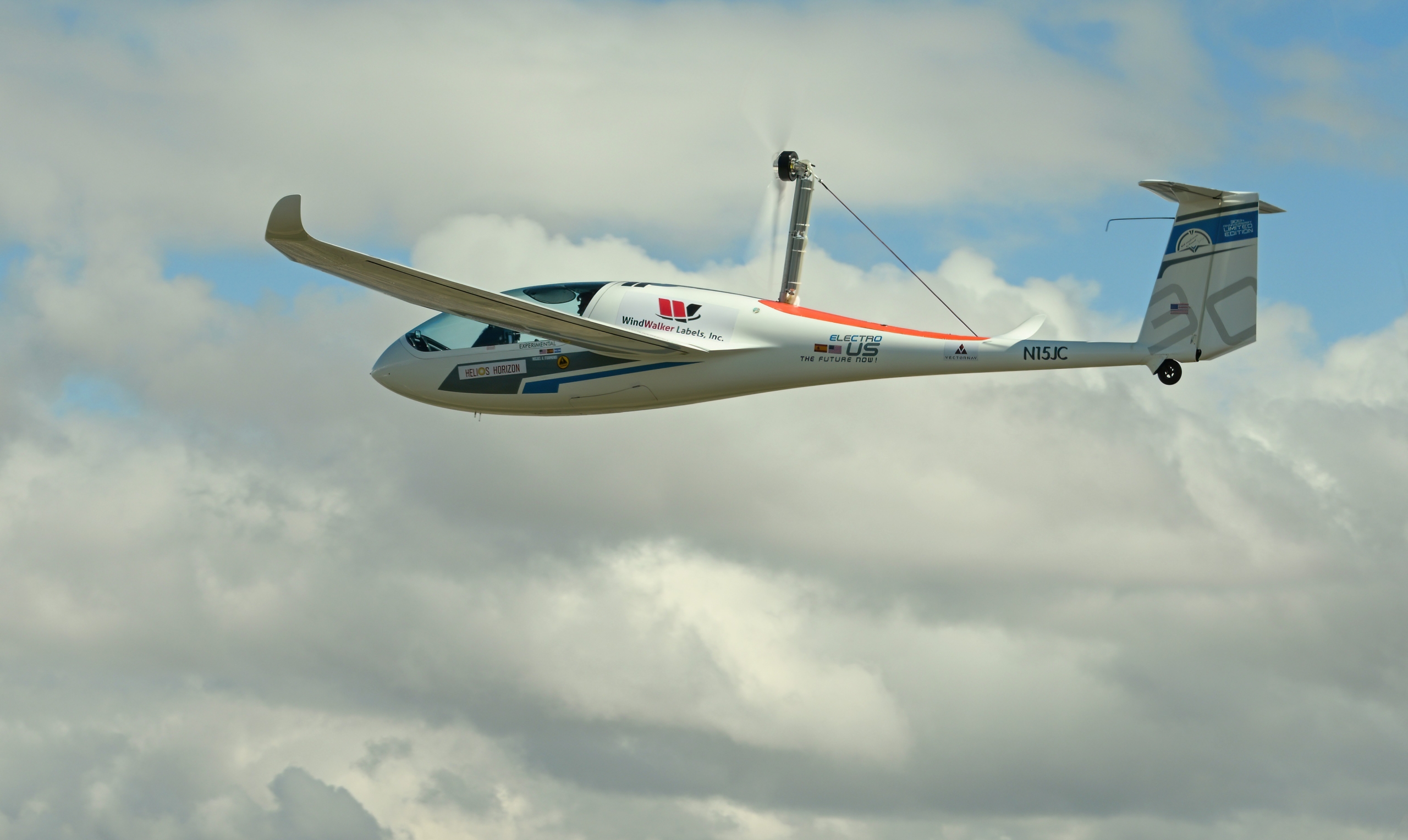
A small experimental aircraft in Florida has achieved a milestone that many in the aerospace industry have been waiting to see.
Helios Horizon has completed what it describes as the first human-piloted flight of an electric aircraft powered by solid-state batteries, a technology widely regarded as one of the most promising routes towards improving the performance and safety of electric aviation.
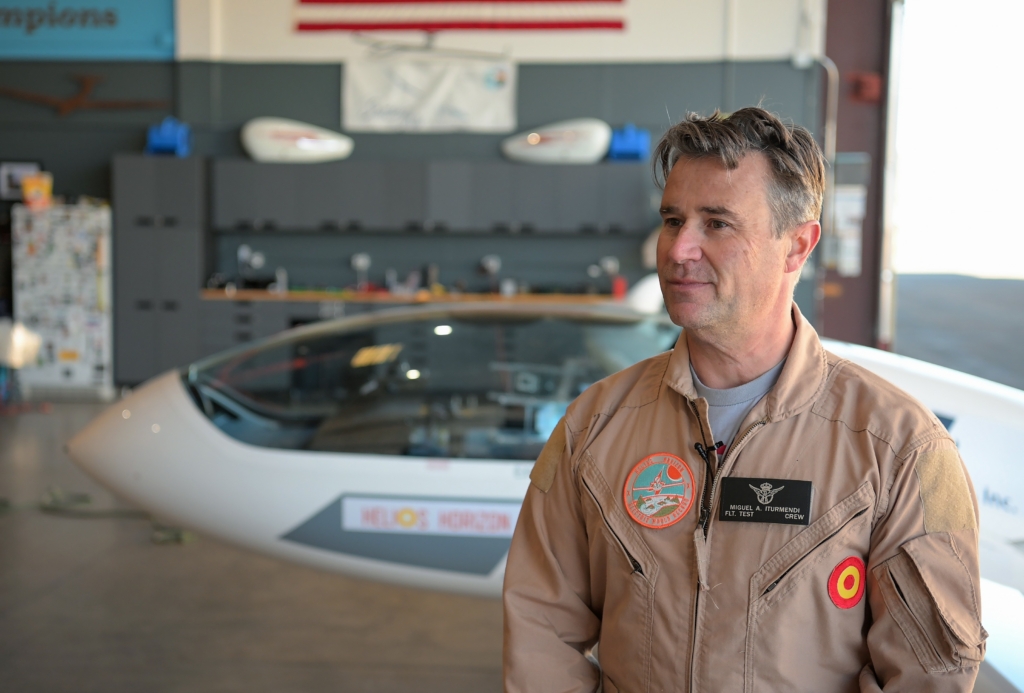
The flights took place at Zephyrhills Municipal Airport, where chief test pilot Miguel Iturmendi conducted a series of sorties in the modified aircraft after the installation of a new solid-state battery system.
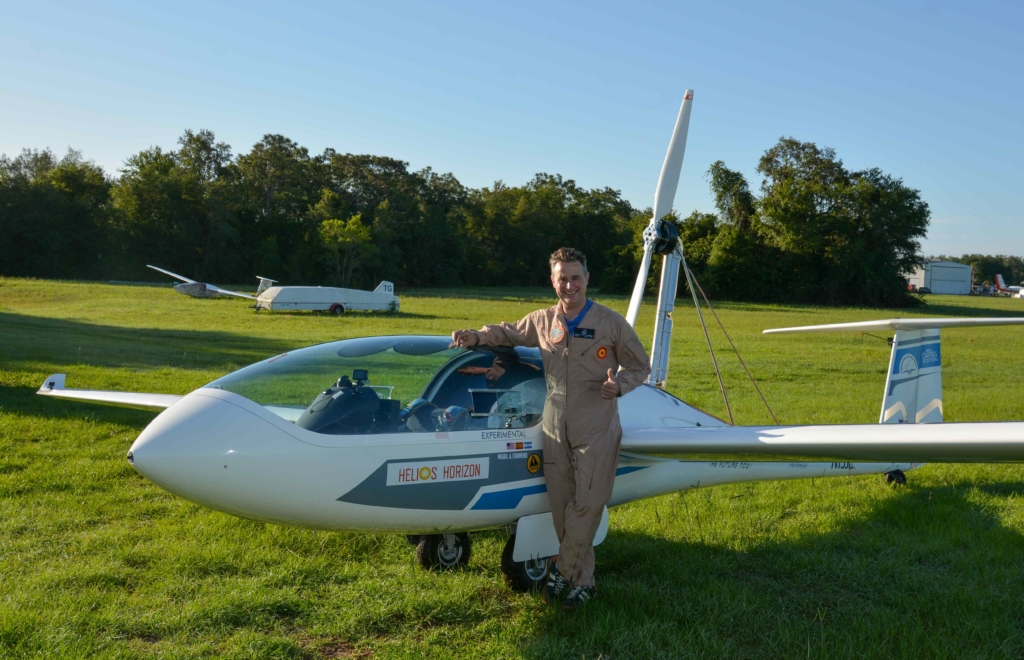
The initial flights were intended to validate the aircraft’s weight and balance characteristics and confirm the performance of the new energy storage system in flight.
While the aircraft itself is a one-off research platform, the technology it is testing is attracting growing attention from aircraft manufacturers, airlines and researchers searching for practical ways to reduce aviation’s reliance on conventional fuels.
“For the first time, we have a battery technology that yields the range and charging times necessary to make commercial electric aviation viable, while providing the safety the flying public will demand,” Iturmendi said.
A stratospheric electric aircraft built to push battery limits
Unlike many electric aircraft projects focused on regional transport or urban air mobility, Helios Horizon was conceived as a high-altitude technology demonstrator.
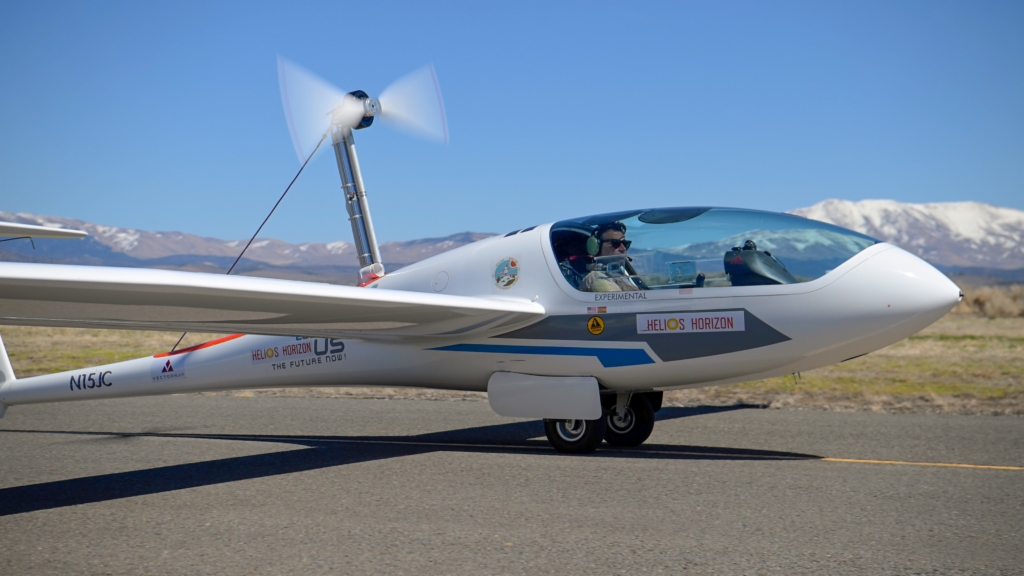
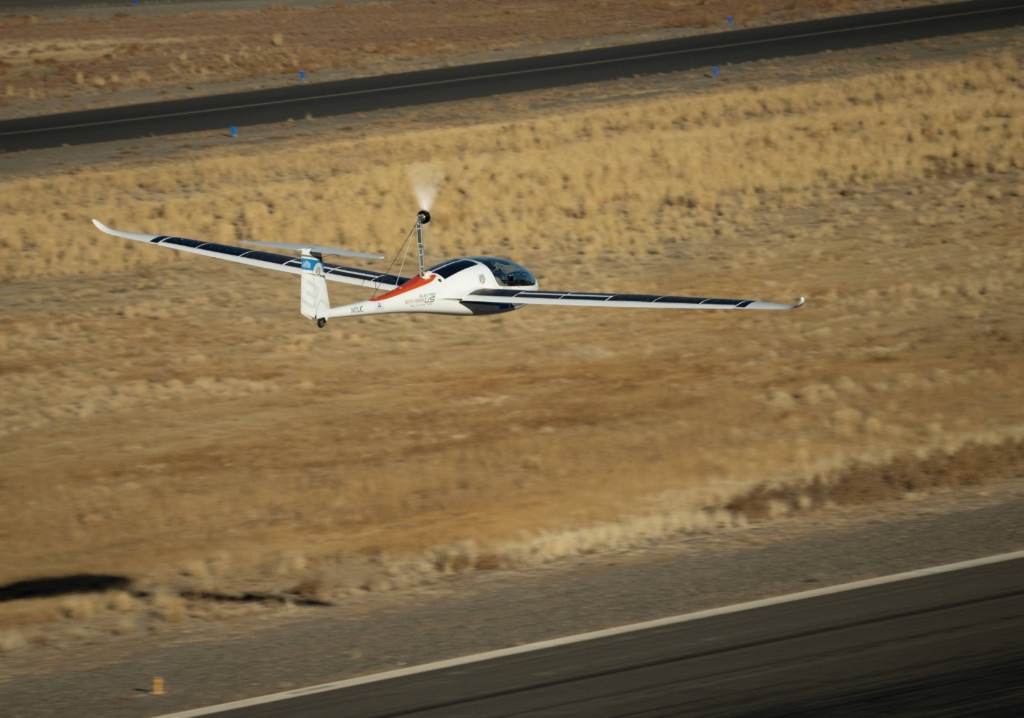
The aircraft is based on a Pipistrel Taurus motor glider, but it has undergone extensive modifications to transform it into a flying testbed for advanced electric propulsion systems.
The programme’s founder, Iturmendi, redesigned the aircraft around proprietary battery management, power delivery and propulsion systems. The airframe was also fitted with wing extensions and solar panels to maximise efficiency and endurance.
The aircraft has already demonstrated impressive high-altitude performance for an electric platform, reaching 24,000ft during previous test flights.
The team now intends to push beyond 40,000ft, taking the aircraft into the lower stratosphere and above the cruising altitude of many commercial airliners.
Operating at such altitudes presents unique challenges but also offers potential efficiency benefits. Thinner air reduces drag, allowing aircraft to travel further using the same amount of stored energy.
The project is intended to demonstrate that electric propulsion can eventually match, and in some cases exceed, the performance traditionally associated with combustion engines.
Why batteries remain the biggest challenge for electric flight
Electric motors are not the problem. Modern electric propulsion systems are highly efficient, reliable and mechanically simple compared with conventional aircraft engines.
The real challenge lies in storing enough energy onboard the aircraft.
For decades, battery technology has limited the range and payload capabilities of electric aircraft. Most programmes have relied on lithium-ion batteries similar to those used in electric vehicles.
While effective, they impose constraints on endurance, charging times and aircraft performance.
That is where solid-state batteries are expected to make a difference.
Helios Horizon’s previous lithium-ion battery system delivered approximately 260 watt-hours per kilogram. The new solid-state batteries provide around 410Wh/kg, representing a significant increase in energy density.
The company believes future generations of solid-state batteries could improve that figure by another 40 per cent within the next two years.
Higher energy density allows more energy to be stored without a corresponding increase in weight, a critical advantage for aviation.
The technology also offers another benefit that matters just as much for aircraft operators: safety.
Unlike conventional lithium-ion cells, solid-state batteries use solid materials rather than liquid electrolytes, making them more resistant to overheating and thermal runaway events.
Regenerative flying adds another layer of efficiency
One of the more unusual features of the Helios Horizon aircraft is its ability to recover energy during flight.
When the aircraft descends, the propeller can be allowed to windmill in the airflow, effectively acting as a small turbine. The resulting energy is fed back into the battery system.
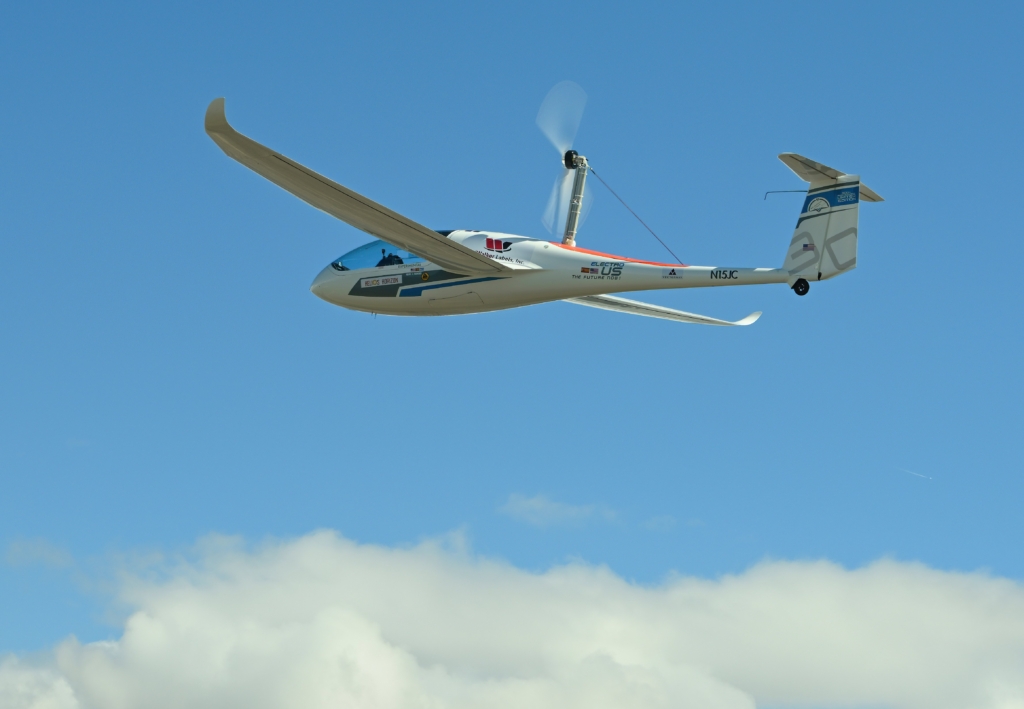
The concept mirrors regenerative braking in electric vehicles, where energy normally lost during deceleration is recovered and stored.
According to Iturmendi, this “regenerative flying” capability can significantly increase the aircraft’s overall range by recapturing energy during portions of the flight when propulsion is not required.
Combined with solar panels integrated into the aircraft, the system is intended to maximise endurance and demonstrate techniques that could influence future electric aircraft designs.
Electric aircraft developers are taking different routes to cleaner flight
The Helios Horizon milestone comes as aerospace companies continue to explore multiple approaches to reducing aviation emissions.
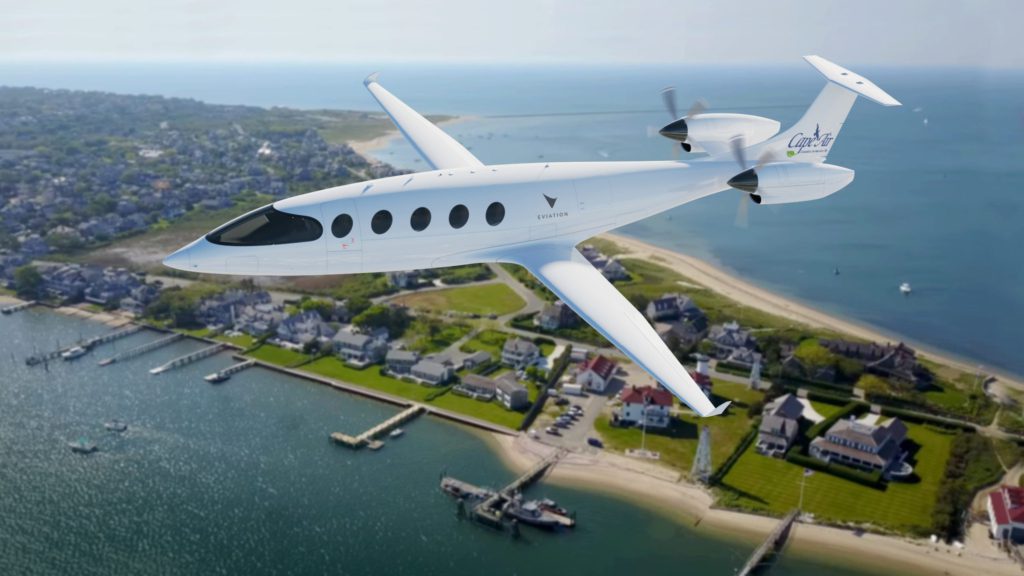
The difficulties facing electric aviation have already been exposed by Eviation’s Alice, once one of the sector’s best-known battery-electric regional aircraft projects. Alice completed its first flight in 2022, but Eviation paused work on the aircraft and laid off most of its staff in 2025 while seeking new funding.
Sweden’s Heart Aerospace is developing the ES-30 regional aircraft around a hybrid-electric architecture that combines battery power with reserve power generation, extending operational range while retaining some of the benefits of electrification.
Major aerospace manufacturers are taking a similar approach.
GE Aerospace recently completed ground testing of a NASA-backed megawatt-class hybrid-electric propulsion system that is expected to progress towards flight testing aboard a modified Saab 340B.
Meanwhile, NASA has spent years studying electric propulsion through programmes such as the X-57 Maxwell, helping researchers better understand how electric motors, batteries and power systems perform in an aviation environment.
Why solid-state batteries are attracting industry attention
Although aviation companies are pursuing different technological paths, many agree on one point: better batteries will be essential.
That is one reason solid-state batteries have become a major area of research.
Airbus has identified the technology as a potential enabler for future electric aircraft and has previously partnered with Renault Group to explore advanced battery concepts capable of delivering significantly higher energy density.
The appeal is straightforward. Higher energy density improves range. Faster charging increases aircraft utilisation.
Improved safety addresses one of the industry’s most important certification concerns.
The technology is still developing, but the potential benefits explain why manufacturers across both the aerospace and automotive sectors are investing heavily in it.
What the Helios Horizon flight means for electric aviation
Helios Horizon is unlikely to become a commercial aircraft. That was never the objective.
Its purpose is to test technologies that may eventually find their way into future generations of electric and hybrid-electric aircraft.
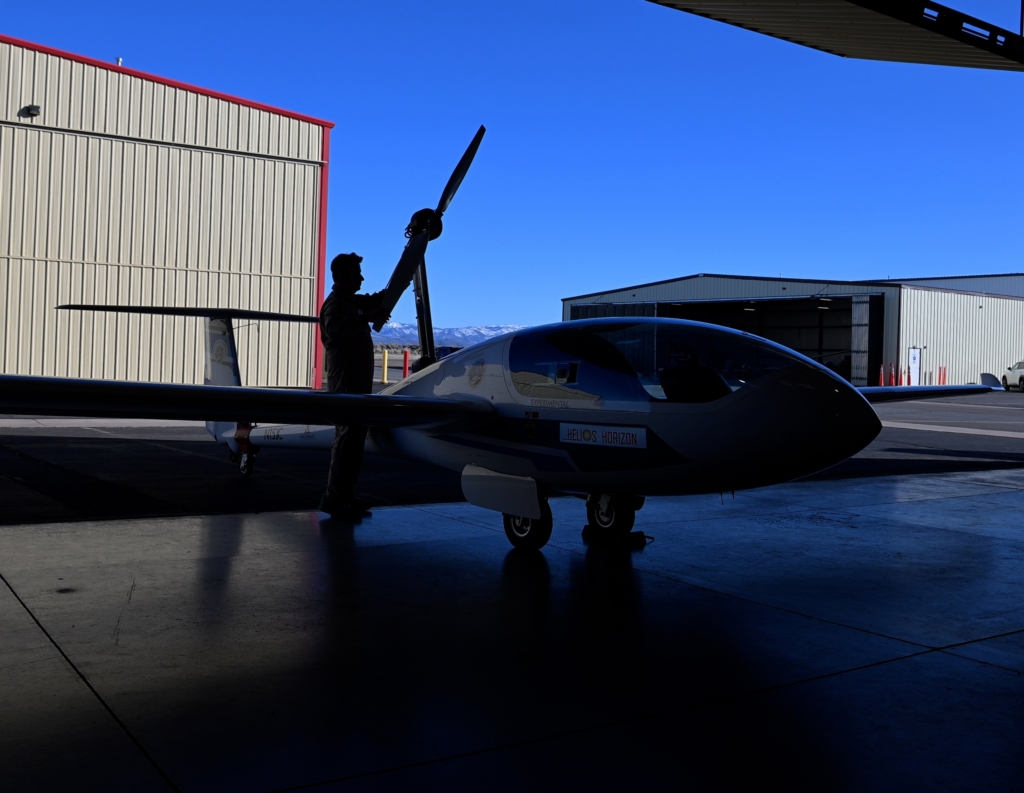
The significance of the latest flights, therefore, lies not in the aircraft itself, but in what it carried.
For years, solid-state batteries have been discussed as a future breakthrough capable of improving electric aviation. Now, that technology moved beyond laboratory benches and ground tests and carried a pilot into the air.
It is only an early step, but for an industry still searching for practical ways to electrify flight, it is one that will be watched closely.
Featured image:
Sign up for our newsletter and get our latest content in your inbox.


More from

October 2, 20263 min read


