Otto Aerospace moves windowless Phantom 3500 business jet closer to certification

3 min read

Otto Aerospace, the Texan aircraft designer and manufacturer working on a clean-sheet midsize business jet, has announced a step forward in its journey to certification as it looks to begin flight testing as early as next year.
The company said the G-1 issue paper for its new Phantom 3500 aircraft had been closed, meaning that the airworthiness regulations specific to the jet have been determined, and Otto Aerospace can now validate its design requirements.

The Phantom 3500 will be certified by the Federal Aviation Administration under 14 CFR Part 23, with Otto Aerospace having become an FAA applicant for type certification in September 2025.
Laminar flow technology shapes Phantom 3500 design
The industry is watching the Phantom 3500 programme particularly closely due to its unconventional design and new laminar flow aerodynamic technology, which Otto Aerospace hopes will redefine business jet design.
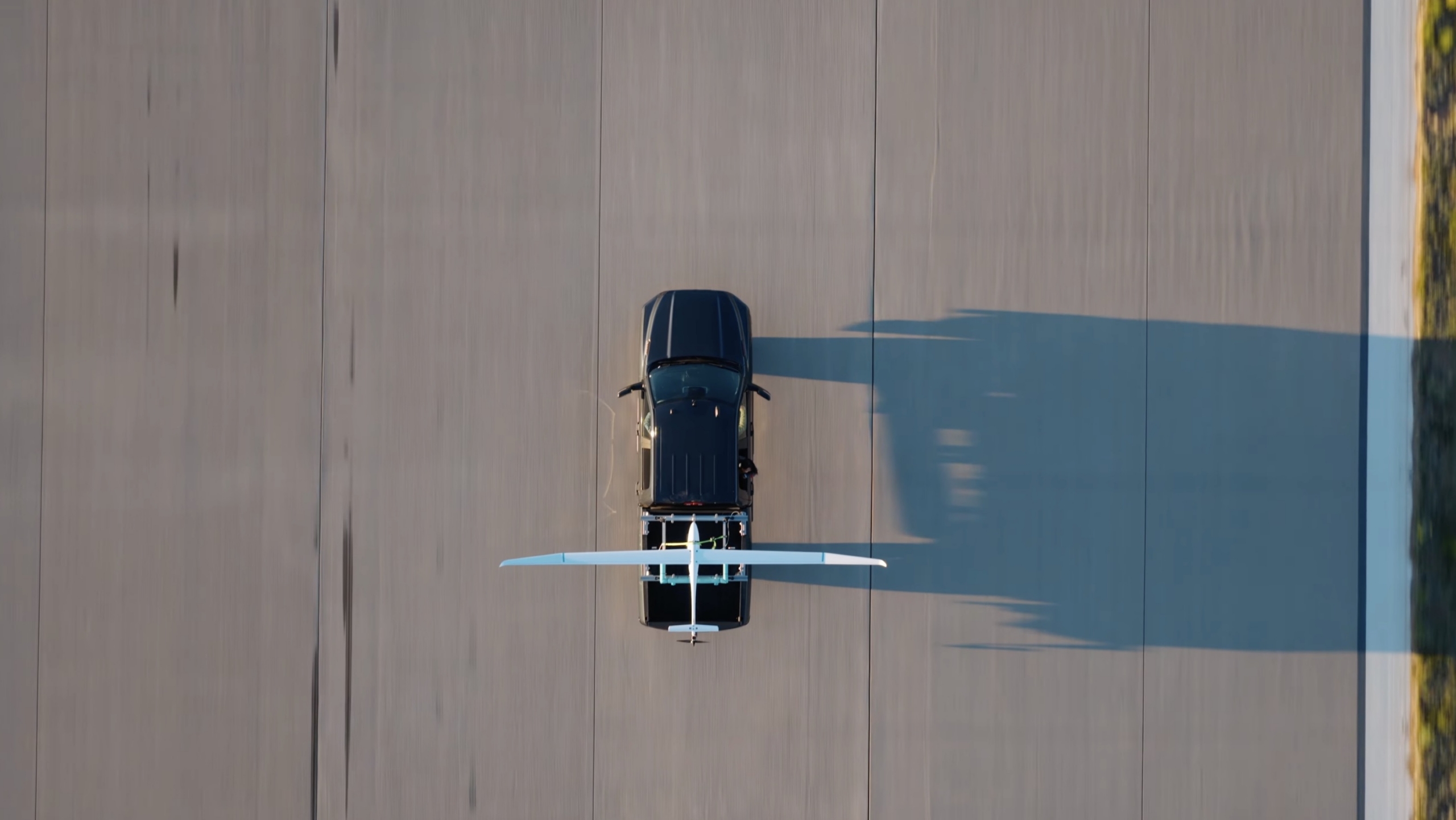
Last month, the company completed a flight-test campaign of an unmanned aircraft to test the design principles, which aim to reduce the energy required for flight by achieving smooth airflow over the aircraft’s surface in stable layers without breaking into turbulence.
The company is now preparing for the first flight of its Flight Test Vehicle 1 in 2027.
FAA G-1 milestone sets Phantom 3500 certification basis
The finalisation of the G-1 Issue Paper marks what Otto Aerospace has called a “major step” in the Phantom 3500 programme by establishing the regulatory framework for type certification.
Otto Aerospace is also engaged with the FAA East Certification Branch to close the G-2 Issue Paper, which defines the means of compliance for the certification programme.
“This is a huge moment for the entire Otto Team and a really exciting milestone for the Phantom 3500,” said Scott Drennan, president and Chief Executive Officer of Otto Aerospace.
“Now that the certification basis is in place, the programme moves into a higher gear on execution. We have alignment with the FAA on what we need to demonstrate, and that gives us real momentum as we move toward first flight and entry into service.”
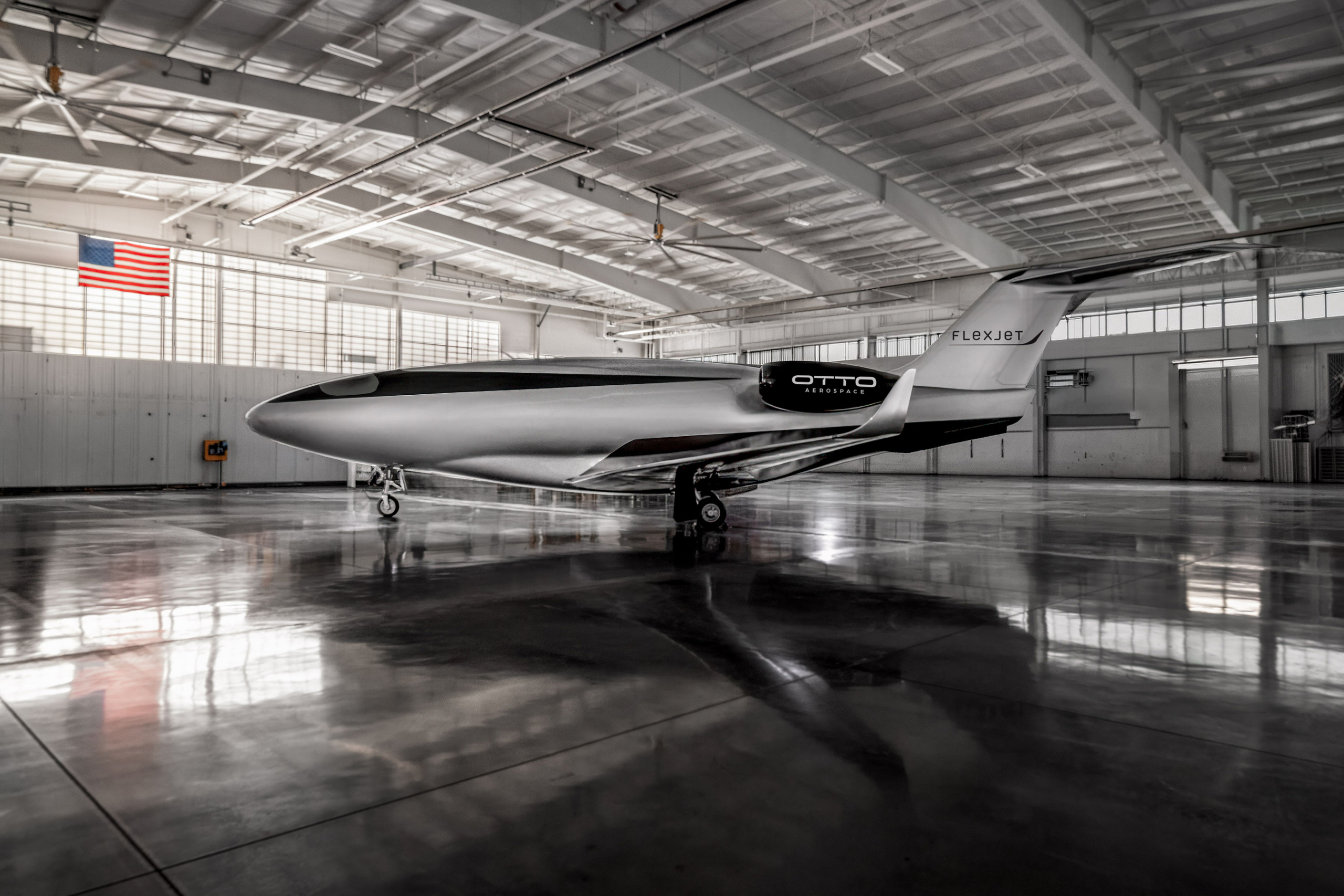
The windowless Phantom 3500 targets 61% lower fuel burn
With the Phantom 3500, Otto Aerospace is seeking to develop laminar-flow aerodynamics and carbon fibre composites that would deliver a 61% reduction in fuel burn compared with today’s super-midsize aircraft.
The Phantom’s windowless passenger cabin and smooth fuselage are based on the same aerodynamic philosophy demonstrated during the New Mexico tests.

Traditional aircraft windows interrupt airflow and complicate efforts to maintain laminar flow along the fuselage.
Otto’s design replaces passenger windows with digital display systems linked to external cameras, allowing the aircraft exterior to remain smoother and aerodynamically cleaner.
Otto Aerospace has begun advanced material testing for the Phantom 3500 and hopes to fly its first flight in 2027 with entry into service in 2030.
Flight testing will be conducted from the company’s new home at Cecil Airport in Jacksonville, Florida.
The programme has already attracted a firm order from Flexjet for 300 aircraft, said to be one of the largest commitments in business aviation history, valued at list prices at more than $5 billion.
Featured image: Otto Aerospace
Sign up for our newsletter and get our latest content in your inbox.


More from


October 17, 20264 min read