


Airline profits shrink by half due to Middle East conflict and fuel price surge

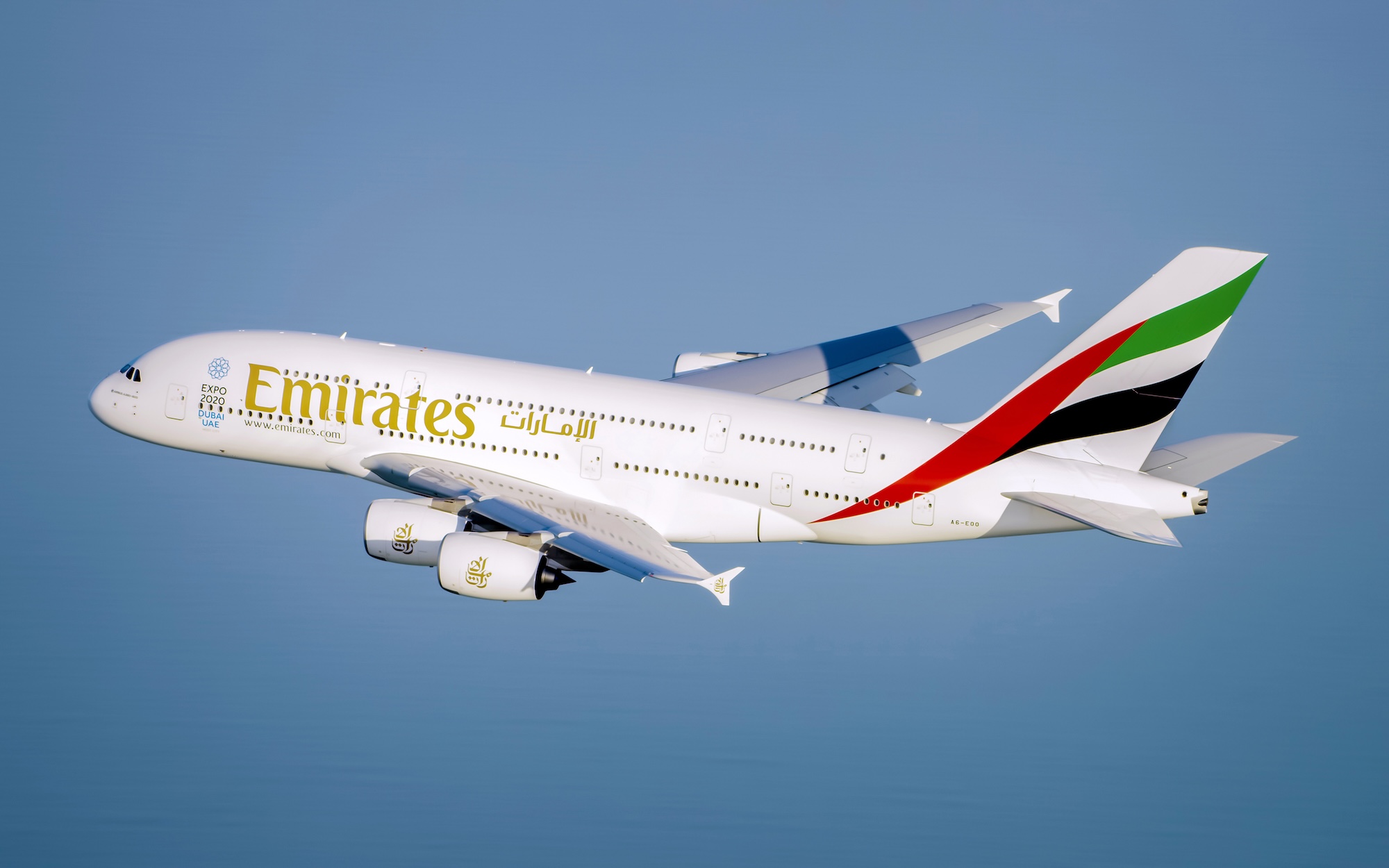
Airline industry profits will be cut roughly in half in 2026 amid disruptions from the Middle East conflict which is also driving sharp increases in fuel prices.
In its latest financial outlook, International Air Transport Association (IATA) now expects airlines worldwide to post a combined net profit of $23 billion in 2026, down from an estimated $45 billion in 2025 and well below the $41 billion forecast previously issued for this year. The airline association projects that margins will shrink from 4.2% to 2.0%.
Despite the deterioration in profitability, IATA forecasts industry revenues will rise 9.4% to a record $1.165 trillion, with passenger numbers reaching 5.1 billion and load factors climbing to a new high of 84%.
Fuel prices and Middle East disruptions hit airlines
“War-related disruptions in the Middle East and rising fuel costs have shifted the outlook for airlines to the worse,” said IATA Director General Willie Walsh. “All airline bottom lines are suffering from the rapid 70% rise in jet fuel prices. Some of the additional cost is being recuperated by adjusting prices and improving efficiency, but it will not be sufficient to maintain profitability at the previous year’s level.”
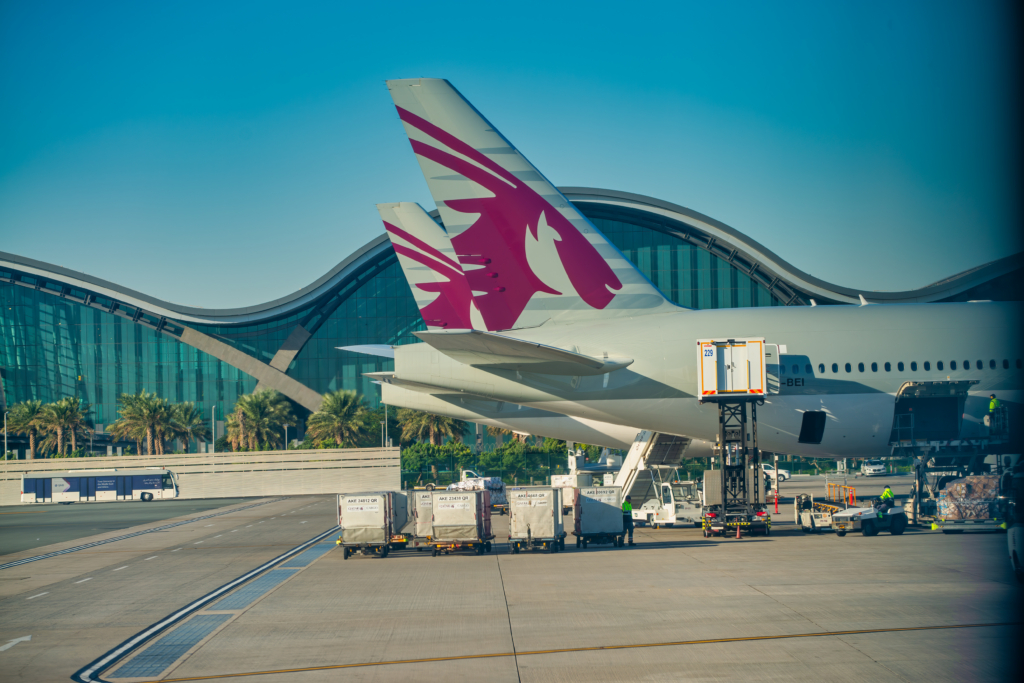
While network carriers are recouping some of the added costs “by adjusting prices and improving efficiency,” Walsh notes, “it will not be sufficient to maintain profitability at the previous year’s level.” Walsh said smaller carriers with weak balance sheets “are certainly struggling.”
In most of the world’s regions, except for the Middle East, airlines are expected to remain profitable, though less so.
“The Gulf carriers face operational uncertainty following a near-complete shutdown of airspace at the outbreak of the war. These carriers are doing an amazing job maintaining connectivity, but major financial impacts are unavoidable,” said Walsh.
Airline industry has long been vulnerable to economic shocks
IATA notes that the airline industry is intrinsically vulnerable to economic shocks.
“Even in the best of times, the airline industry as a whole suffers from low margins and returns below the cost of capital. The oil price shock has tested airline financial resilience as net margins have been squeezed to 2.0% globally,” Walsh said.
“Airlines are bearing the brunt of the fuel price shock. While air fares are rising, airlines are still absorbing part of the hike in their bottom lines. Net profit per passenger is expected to fall to $4.50, half of what it was last year. Under the circumstances, that shows resilience. But it won’t even buy you a hot dog at most of the FIFA World Cup venues, and it does not leave much of a buffer should other costs or taxes start rising.”
Fuel bill rises by almost $100 billion
IATA expects airline fuel costs to jump from $252 billion in 2025 to $350 billion this year. The association projects that jet fuel prices will average $152 per barrel, up from $90 last year, while the premium of jet fuel over Brent crude oil has reached a historically high level.
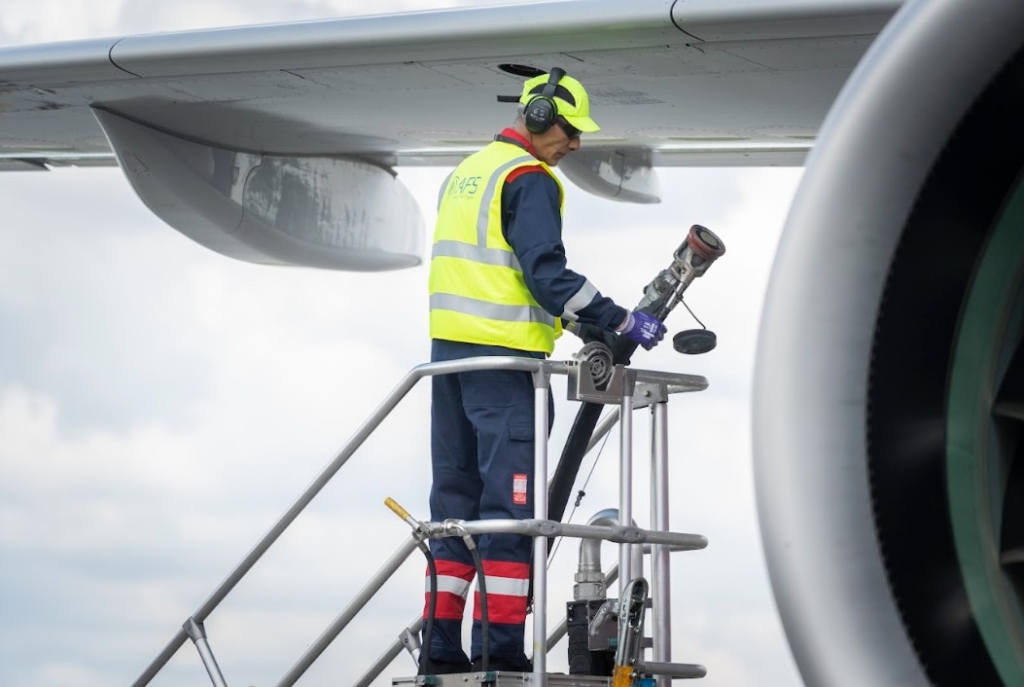
Airlines have hedged about one-third of their expected fuel consumption, helping soften the impact of volatile prices, although many carriers remain exposed to rising refining margins.
The higher fuel costs are expected to lift aviation fuel’s share of total operating expenses from 25.4% to 31.4%, even though total fuel consumption will remain essentially unchanged at 104 billion gallons.
Middle East carriers expected to post losses
The region hardest hit by the conflict is the Middle East itself. IATA expects Middle Eastern airlines to swing from a $7.2 billion profit in 2025 to a $4.3 billion loss in 2026. The association forecasts that passenger demand in the region will fall 11.4%, while capacity declines by 4.4%.
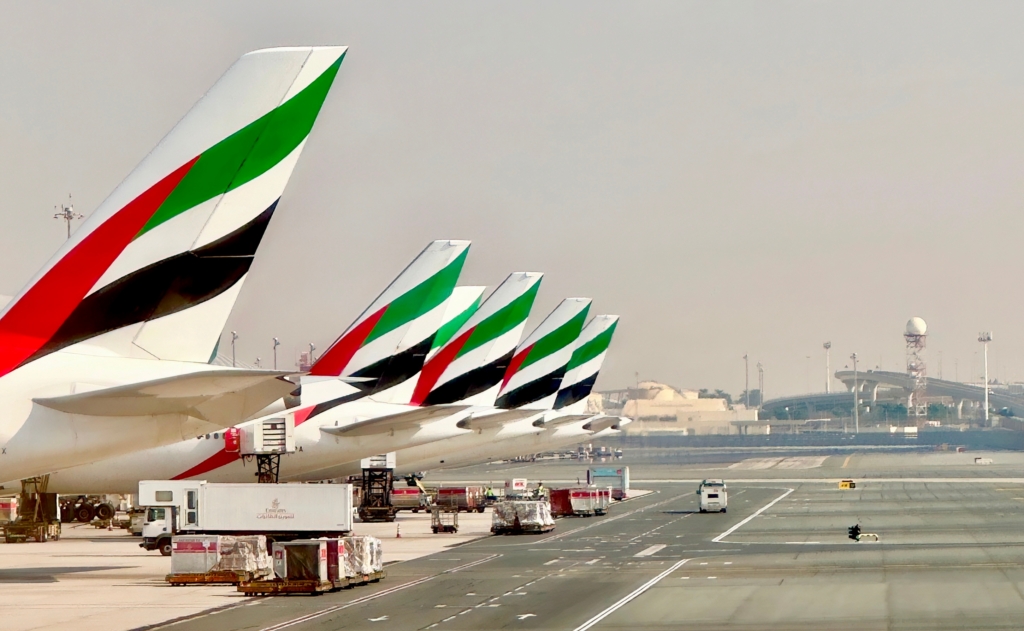
According to IATA, capacity reductions, flight cancellations, operational disruptions and the loss of transfer traffic are pushing up costs and reducing profitability for Gulf carriers.
Despite this, the association said the region retains significant long-term advantages, including established infrastructure, strategic geography and relatively low financial leverage.
Europe and Asia face mounting cost pressures
IATA expects European airlines to remain profitable, earning $9.6 billion in 2026, down from $13 billion last year. High fuel costs, sustainable aviation fuel mandates, airport charges and labour disruptions will weigh on the region’s competitiveness.
The association forecasts that Asia-Pacific carriers will generate $6.6 billion in profit, compared with $9.8 billion in 2025. Airlines in the region face longer routings, higher fuel burn and pressure from weakening currencies, although some are benefiting from traffic diverted away from Middle Eastern hubs.
North American carriers will earn $9.4 billion, down from $12.4 billion last year.
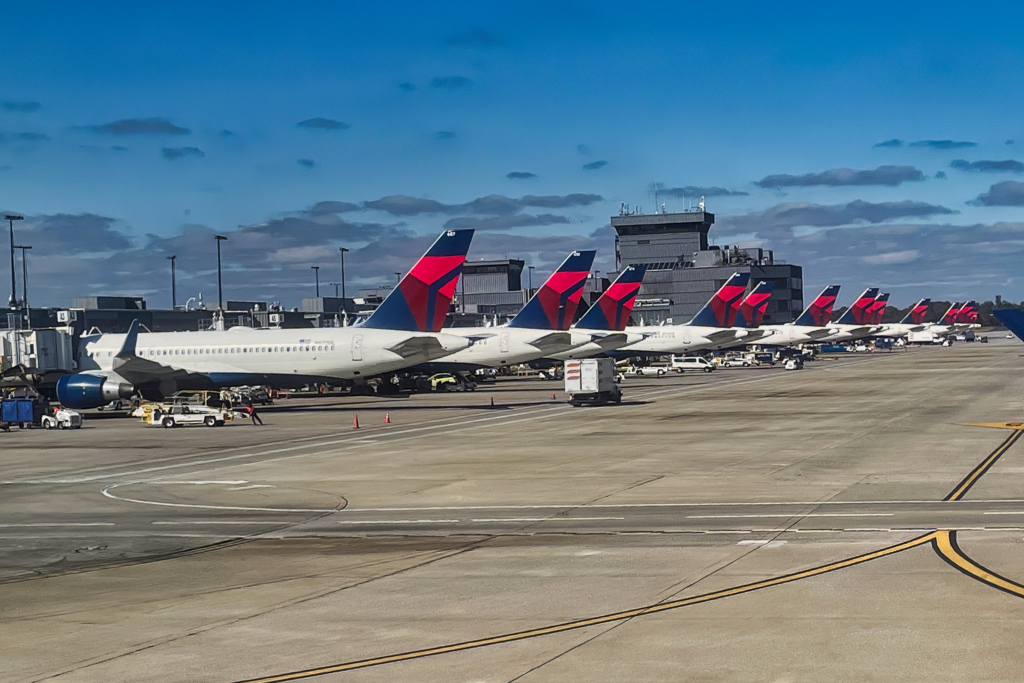
“North American airlines have delivered strong profitability in recent years and are relatively isolated from the operational shocks in the Middle East. Financial leverage, however, is comparatively high, increasing sensitivity to cost shocks, even as operating performance remains solid. Additionally, labor costs are elevated following recent wage increases,” IATA reports.
Latin American profits will fall from $1.9 billion to $1.2 billion. African airlines will remain marginally profitable with net earnings of just $100 million.
Although the association expects airlines to earn a profit in every region except the Middle East, IATA warned that industry returns remain below the cost of capital, leaving carriers vulnerable to further shocks.
Aircraft shortages add to industry challenges
In its update, IATA also noted that airlines continue to face aircraft delivery delays and supply chain bottlenecks.
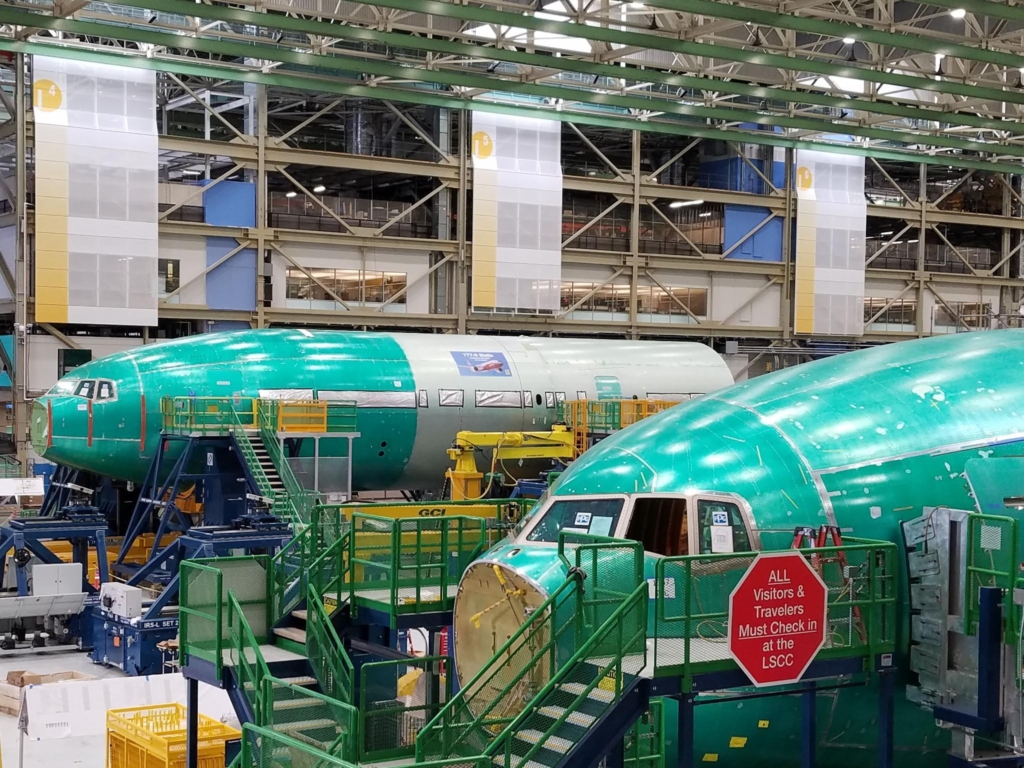
IATA said the industry backlog reached 18,100 aircraft in May 2026, representing more than half of the active global fleet. Airlines have responded by extending the lives of existing aircraft, increasing utilisation and operating with fuller cabins.
The shortage has also halted improvements in fuel efficiency for the first time in history during 2024 and 2025, limiting the industry’s progress in reducing carbon emissions.
Travelers remain confident
Despite higher fares and ongoing geopolitical tensions, IATA said demand for air travel remains resilient. IATA also reported that its most recent survey of travellers, conducted in April, shows that traveller confidence remains high despite the ongoing conflict.

- 41% of those surveyed said they planned to travel more in the coming 12 months than in the previous 12 months
- 52% said they planned to travel at the same level
In terms of the travel disruption caused by the conflict, IATA finds that travellers mainly want to be informed: 86% say they check government travel advisories when booking, 84% say they research more before travel, 81% say they are concerned about disruptions due to geopolitical conflict, and 71% say they book closer to the date of travel to avoid surprises.
Featured Image: Emirates


