


Five injured as Eurowings A320 encounters Emirates A380 wake turbulence

3 min read
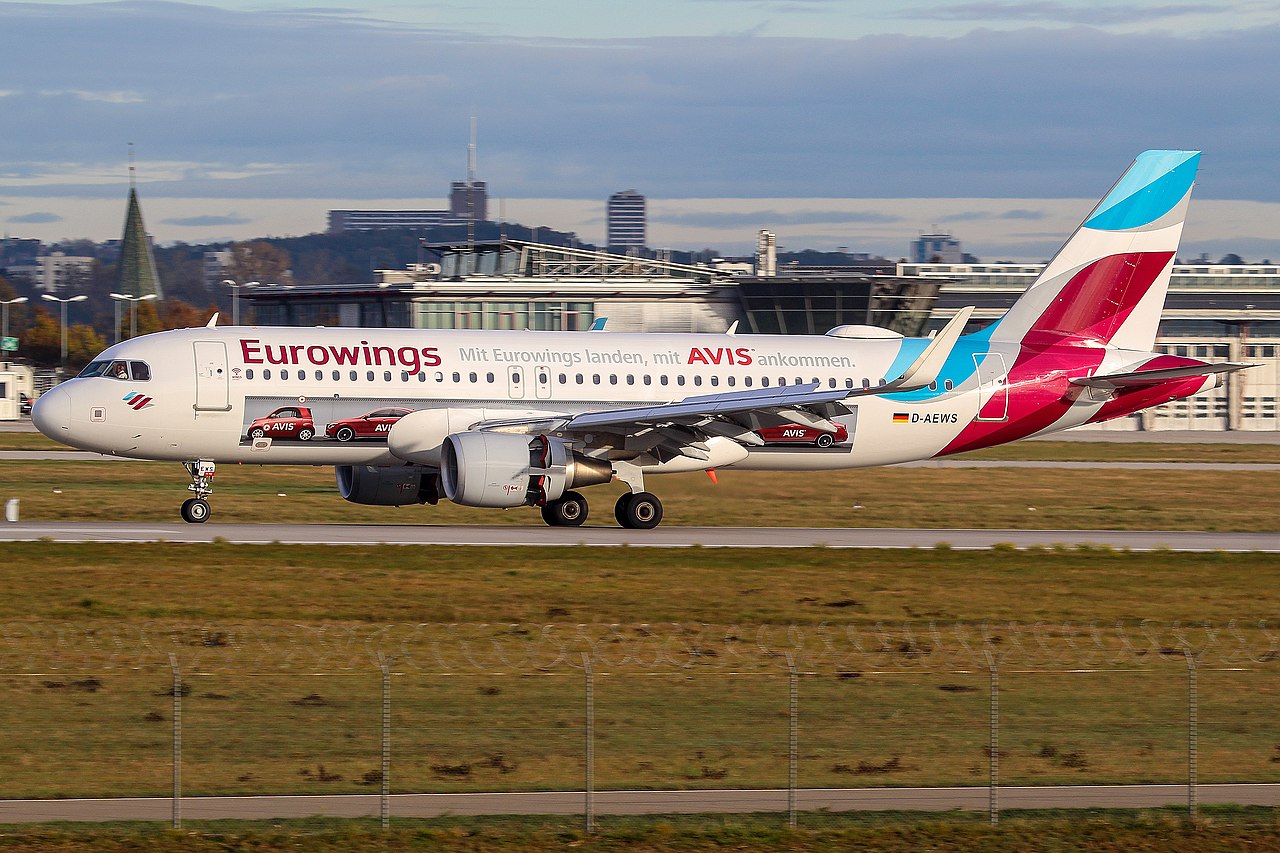
Four passengers and a cabin crew member on board a Eurowings flight from Rhodes, Greece, to Cologne, Germany, were injured on Saturday after the Airbus A320 operating the Eurowings flight encountered wake turbulence from an Emirates Airbus A380 en route.
The flight landed safely in Cologne, where medical teams were on standby to take the injured to the hospital. The incident highlights the dangers of A380 wake turbulence, even when other aircraft maintain established safe distances.
Narrowbody and superjumbo cross paths over Sarajevo
As the AvHerald has reported, the May 30 wake turbulence incident involved a Eurowings Airbus A320-200 (registration D-AEWS) operating flight EW-635 from Rhodes to Cologne, and an Emirates Airbus A380-800 (registration A6-EUF) operating flight EK-1 from Dubai to London Heathrow.
The A320 was flying at FL360 about 20nm east of Sarajevo when air traffic control cleared the aircraft to climb to FL380. The Airbus A380 was en route at FL380 about 13nm east-northeast of Sarajevo and about 7.6nm ahead of the A320. ICAO recommends a minimum separation of 7nm between a heavy A380 superjumbo and a narrowbody (medium-weight) passenger aircraft.
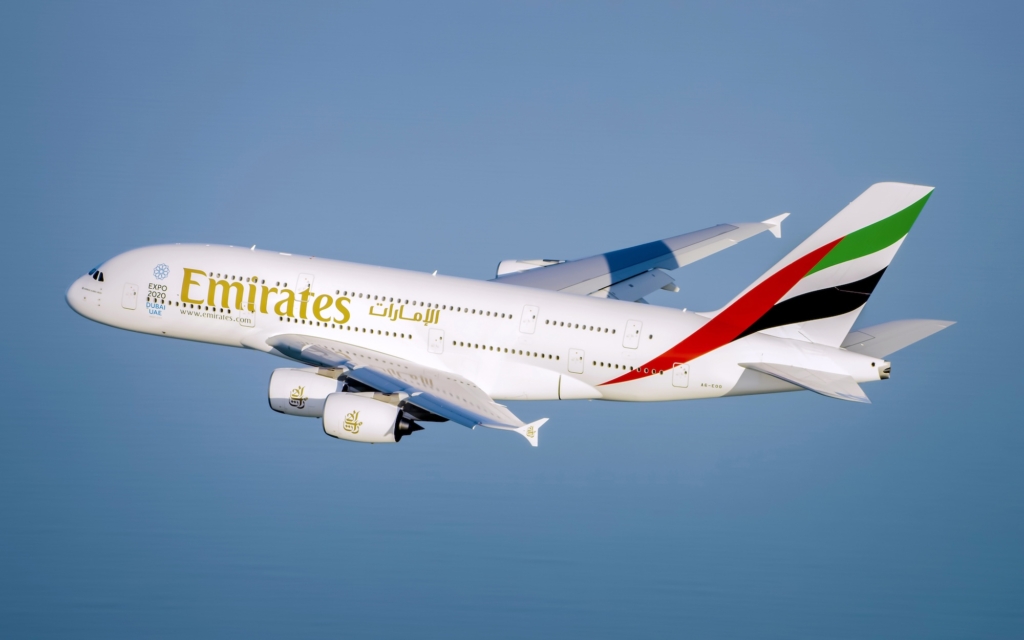
As the A320 began the climb, around FL376, it encountered severe wake turbulence from the A380. Inside the cabin, four passengers suffered minor injuries, and a flight attendant who was walking through the aircraft was thrown up against the ceiling. The narrowbody aircraft returned to FL360, descending quickly at up to 3000fpm.
Both aircraft arrived at their destinations as planned. The CVR and FDR on the Eurowings A320 were secured, and the aircraft remained on the ground at Cologne for four and a half hours before returning to service.
A380 wake turbulence risks are well-documented
All aircraft produce wake turbulence, vortices in the atmosphere that spread through the airspace along their flight path. The severity of the turbulence depends on the relative size of the aircraft, the speed at which it is travelling, and environmental factors which may slow down the wake’s decay.
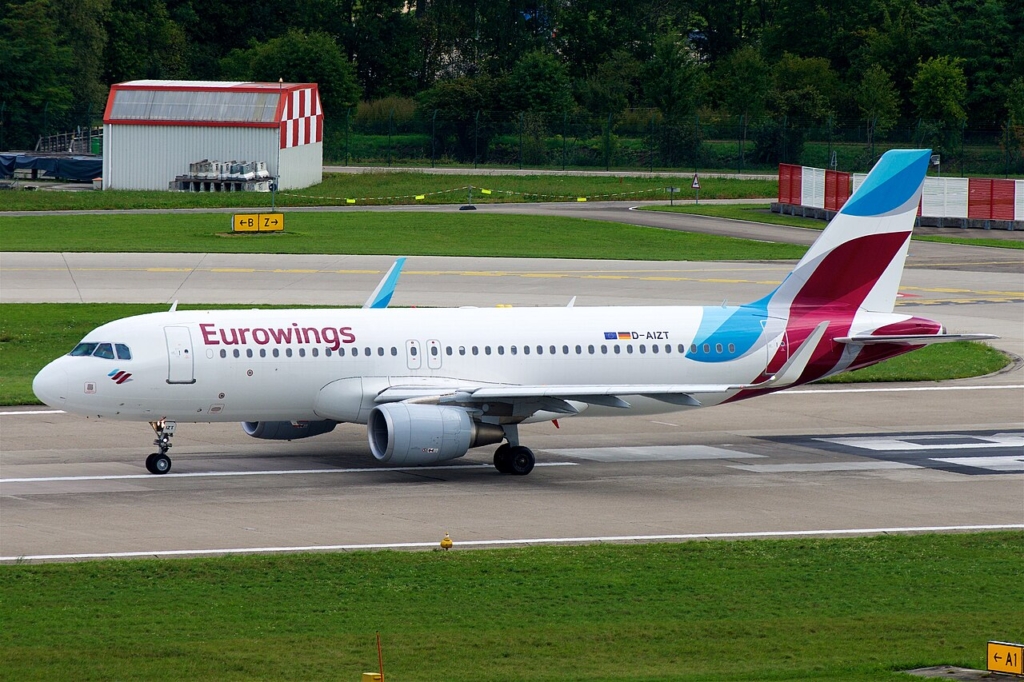
Because of its size, the A380 produces a larger and stronger wake than other aircraft, and it takes time for that wake to dissipate. For this reason, ICAO recommends a minimum seven nautical mile separation between the superjumbo and narrowbody aircraft.
However, as EASA notes in its Service Bulletin on wake turbulence published in 2017, “Separation minima aim at preventing such encounters from inducing risk, but it must be noted that these provisions will not completely prevent wake encounters from occurring.”
In January 2017, wake turbulence from an Emirates A380 caused a Bombardier Challenger private jet to go into an uncontrolled descent. The aircraft lost 9,000 feet of altitude before the crew regained control. Four of the six passengers onboard suffered injuries, as did a flight attendant.

The Aviation Herald has also documented six prior A380 wake turbulence encounters, from 2009 to 2012, including one involving an Antonov A124 and a Boeing 747 jumbo jet, which took place in 2011.
Wake turbulence is difficult to predict and to manage. Regulators recommend that both pilots and air traffic controllers be aware of the risk posed by aircraft operating in proximity to each other. The rate of wake dissipation varies based on a combination of factors that are difficult to predict.
For this Eurowings flight, being just beyond the minimum separation requirement was not enough to avoid turbulence.
Featured Image: Juke Schweizer | Wikimedia Commons
Sign up for our newsletter and get our latest content in your inbox.


More from

October 4, 20264 min read

October 3, 20267 min read


