


Operation Midnight Hammer: USAF F-16s ran critically low on fuel after Iran B-2 strike

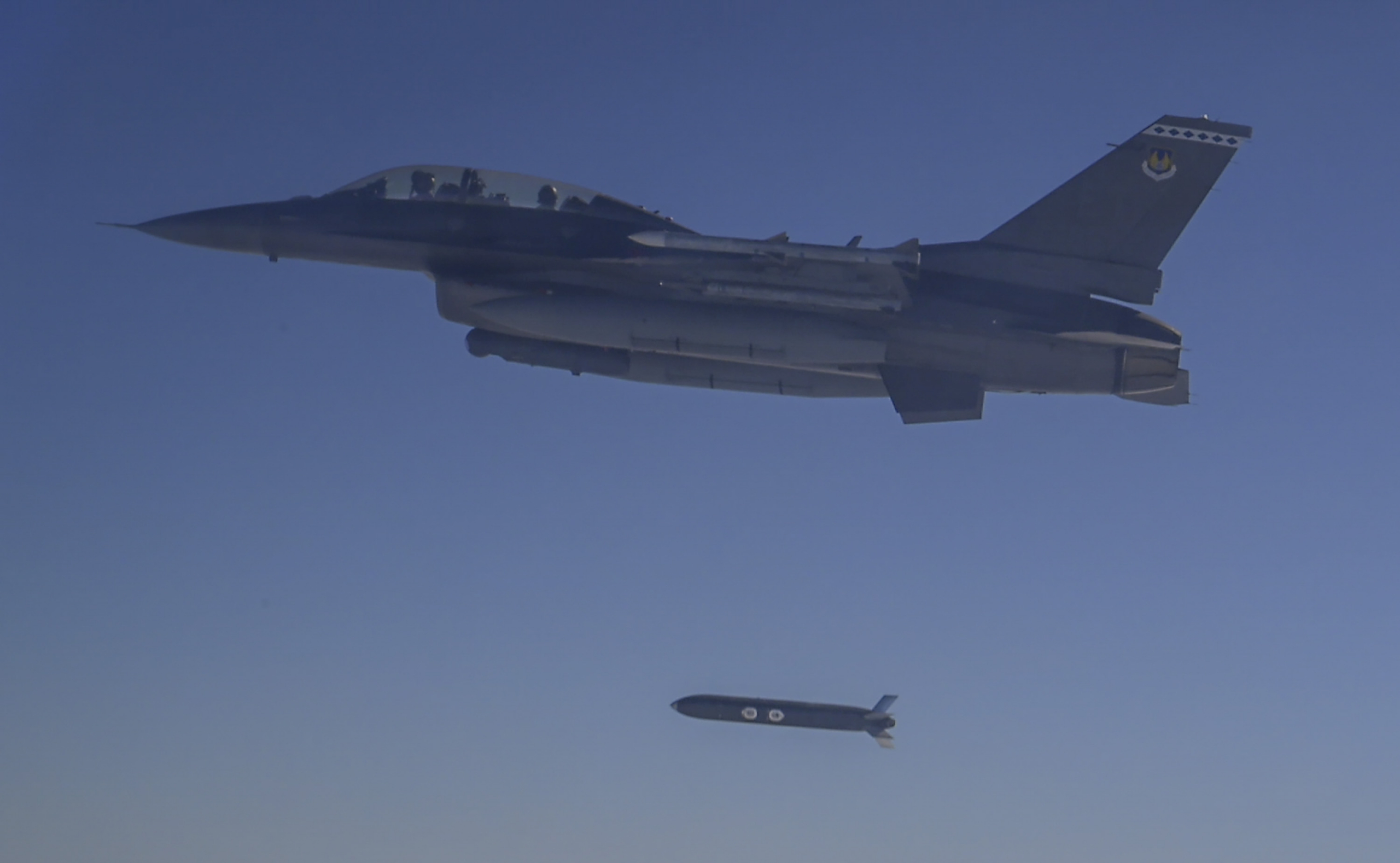
In June 2025, the US Air Force (briefly) joined the Israeli Operation Rising Lion against Iran by launching Operation Midnight Hammer. The operation saw US B-2 bombers escorted by F-16s, which ran so low on fuel that some had to divert to “unusual places.”
Six F-16 pilots awarded Distinguished Flying Cross for 2025 Iran mission
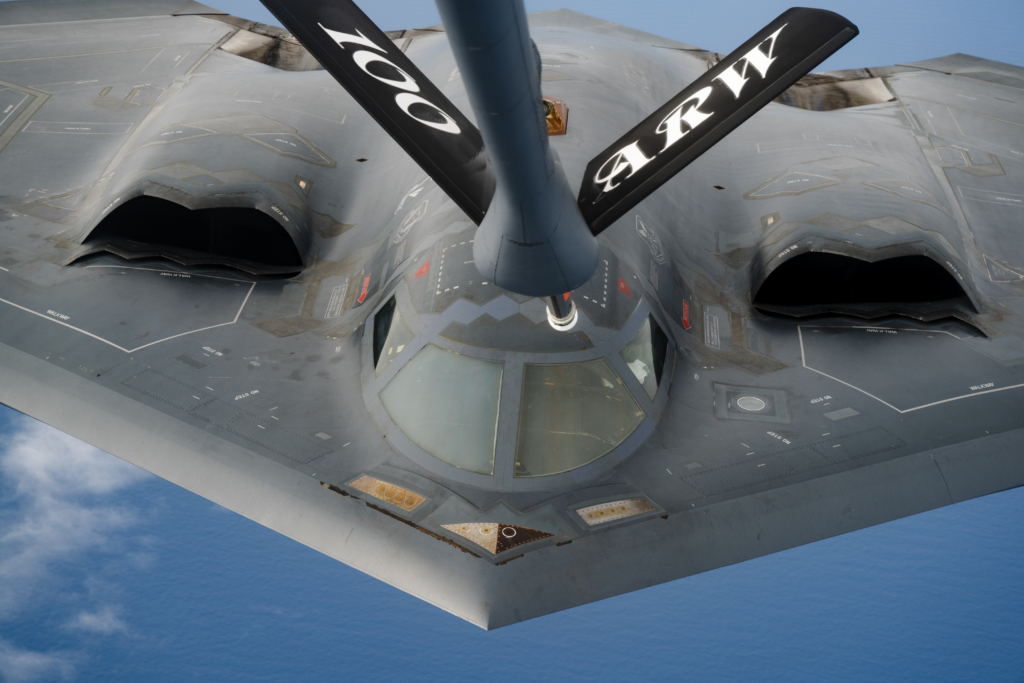
According to a new report by Business Insider, USAF F-16 fighter jets “cleared the way for the B-2 bombers that struck Iran’s nuclear facilities.” The B-2s dropped the massive 30,000 lb GBU-57 MOB bombs on key Iranian nuclear facilities.
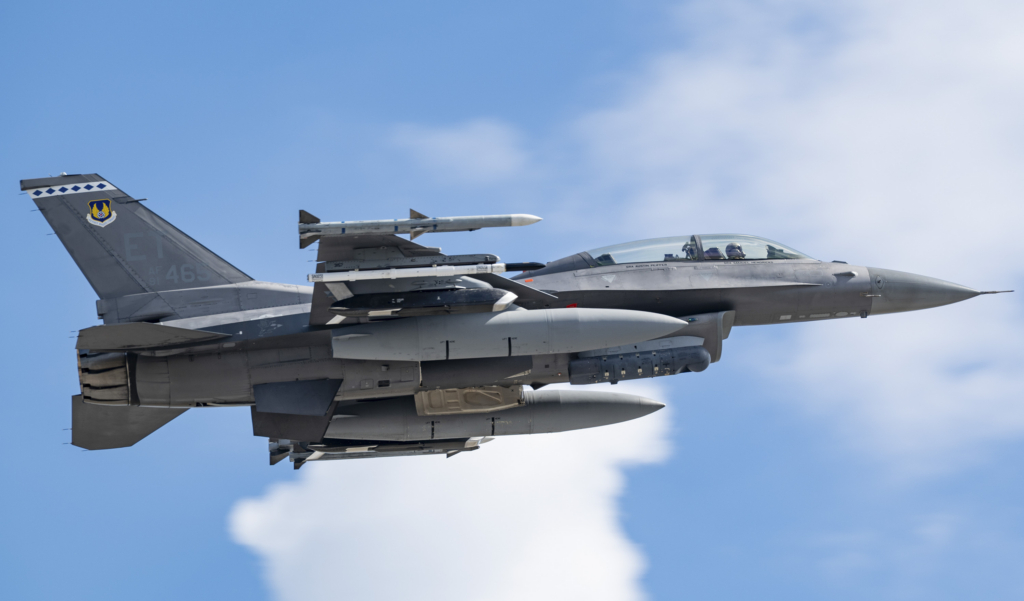
It says the Fighting Falcons flew hundreds of miles into Iranian territory and knocked out hostile air defences. It adds that they “flew out with very little fuel left in the tank.”
Award citations reported by Business Insider reveal that they flew almost 300 miles (260 nautical miles) into defended Iranian airspace. Fighter jet ranges are complicated, but the USAF lists the F-16 as having a combat radius of 400 nautical miles (compared to 570-690 for its F-22s, F-35s, and F-15Es),
In May 2026, the USAF awarded six F-16 pilots from the 55th Fighter Squadron the Distinguished Flying Cross in recognition of heroism or extraordinary achievement in flight.
Award citations say the F-16s “employed multiple AGM-88 [High-speed Anti-Radiation Missiles or HARM] suppressive weapons against enemy threats protecting the bombers and their Airmen during their most vulnerable time over target.”
The citations note the F-16s are not low-observable and yet flew “deep into a sophisticated Iranian integrated air and missile defence network.” They flew beyond the reach of friendly personnel recovery assets, meaning it would have been difficult to extract them if they had been shot down.
Get the latest aerospace defence news here on AGN.
The F-16’s tanker woes and diversion to “unusual places”
The non-stealthy F-16 is a small/medium multirole fighter jet that has been continuously upgraded. It is valued for being relatively low-cost to operate while also being remarkably versatile, although it is exceptionally range-limited compared with other jets.
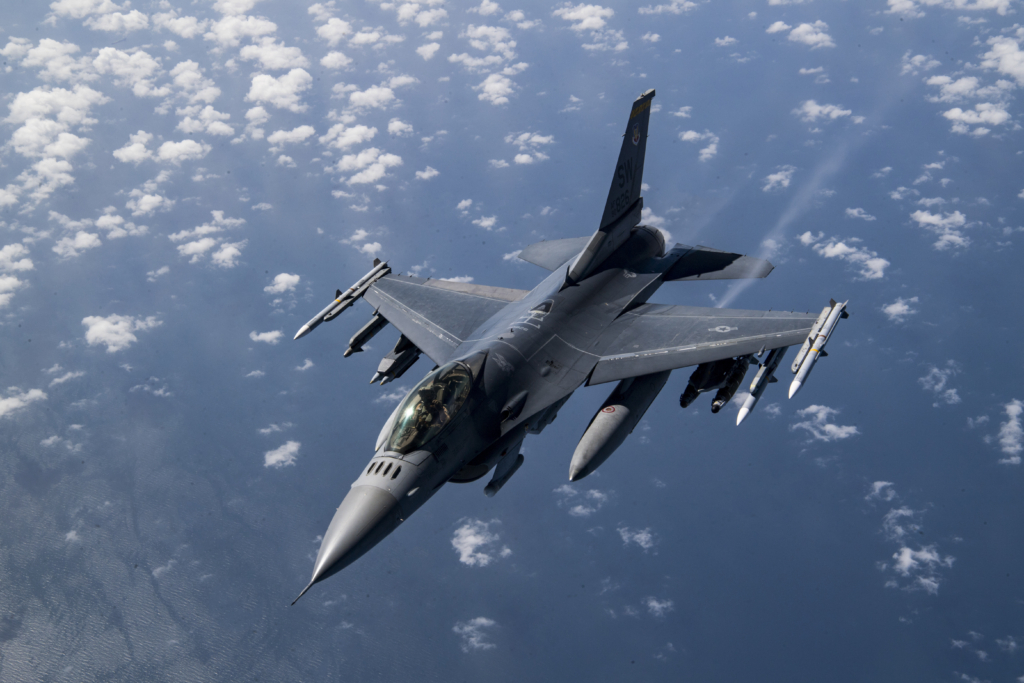
Some of the aircraft took off from austere airfields and immediately ran into undefined problems with the aerial tankers. It seems some tankers became unexpectedly unavailable.
The timeline delays from refuelling caused two of the F-16 pilots to execute “air refuelling at speeds above anything previously performed in the F-16” to “ensure acceptable combat air power force packaging into Iran.”
The F-16s managed to complete their escort mission “critically low on fuel.”
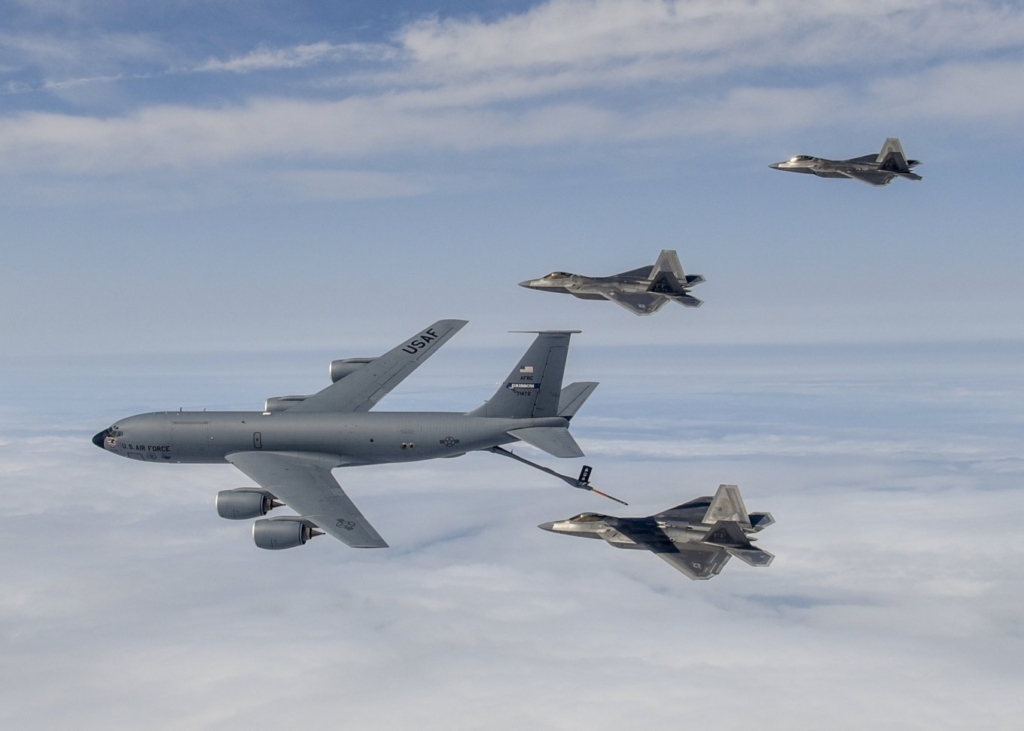
Business Insider also cited John Venable, a senior fellow at the Mitchell Institute for Aerospace Studies, as saying tanker cancellations during the operation forced major in-flight replanning.
Venable spoke of aviators claiming that on their return, some jets rendezvoused with their tankers “on fumes.” Other pilots said they couldn’t reach the tankers and were forced to divert to some “unusual locations.”
The remarkable Israeli tanker story
Even though the USAF possesses around 75% of the world’s aerial tankers (depending on the criteria), it is considered to have a “tanker gap” and struggles to have enough tankers to support its global operations.
NEW: Israel built a clandestine military outpost in Iraq's western desert just before its air campaign against Iran — with U.S. knowledge — to house special forces and search-and-rescue teams supporting strikes 1,000 miles away.
— Clash Report (@clashreport) May 9, 2026
In early March, an Iraqi shepherd reported… pic.twitter.com/aiA29NZcgc
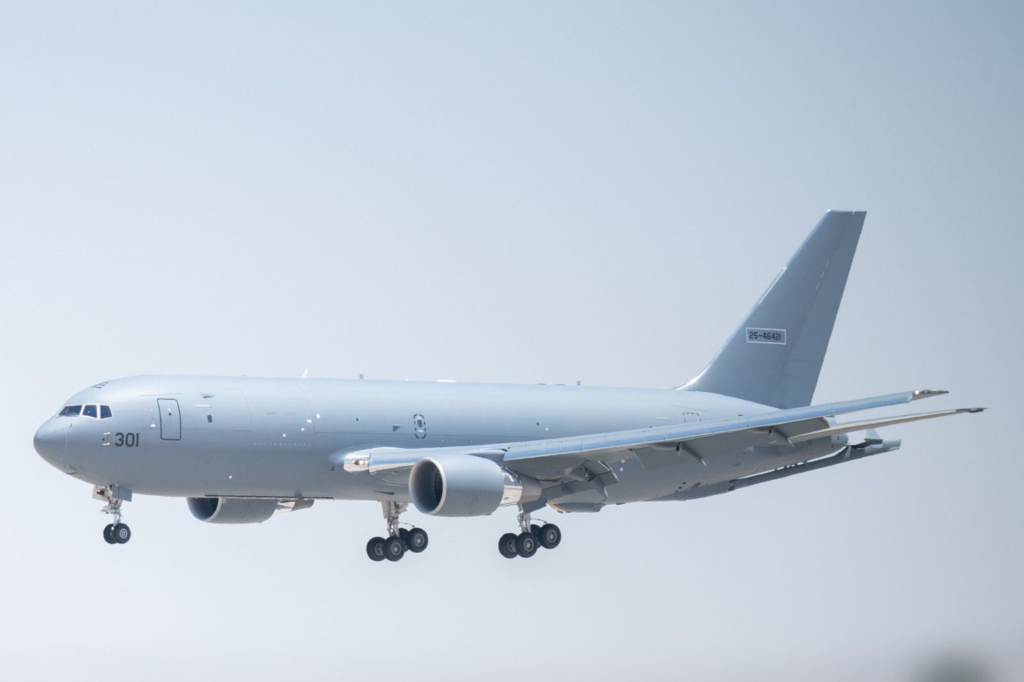
This is made worse by the KC-135 fleet ageing and the newer KC-46’s teething troubles.
But while the US has dozens or hundreds of tankers at its disposal, analysts were dumbfounded by how Israel was able to support its 12-day-long intense air campaign over Iran with its comparatively meagre fleet of six Boeing 707 “Re’ems” (related to KC-135s).
In May 2026, part of the answer came to light as it was reported by the New York Times that Israel secretly built two forward austere operating bases in Iraq’s sparse desert. Construction started in late 2024.
These were reportedly used again in 2026 as part of Israel’s Operational Roaring Lion. This time round, the Israeli Air Force was greatly aided by the US Air Force basing around a dozen of its tankers in Israel.
In May 2026, AGN reported Israel received the first of its next-generation KC-46 “Gideon” tankers to replace its ageing Boeing 707 fleet.
Featured Image: US Air Force


