


How Airbus and Boeing’s next-gen narrowbodies are stretching seasonal flying

4 min read
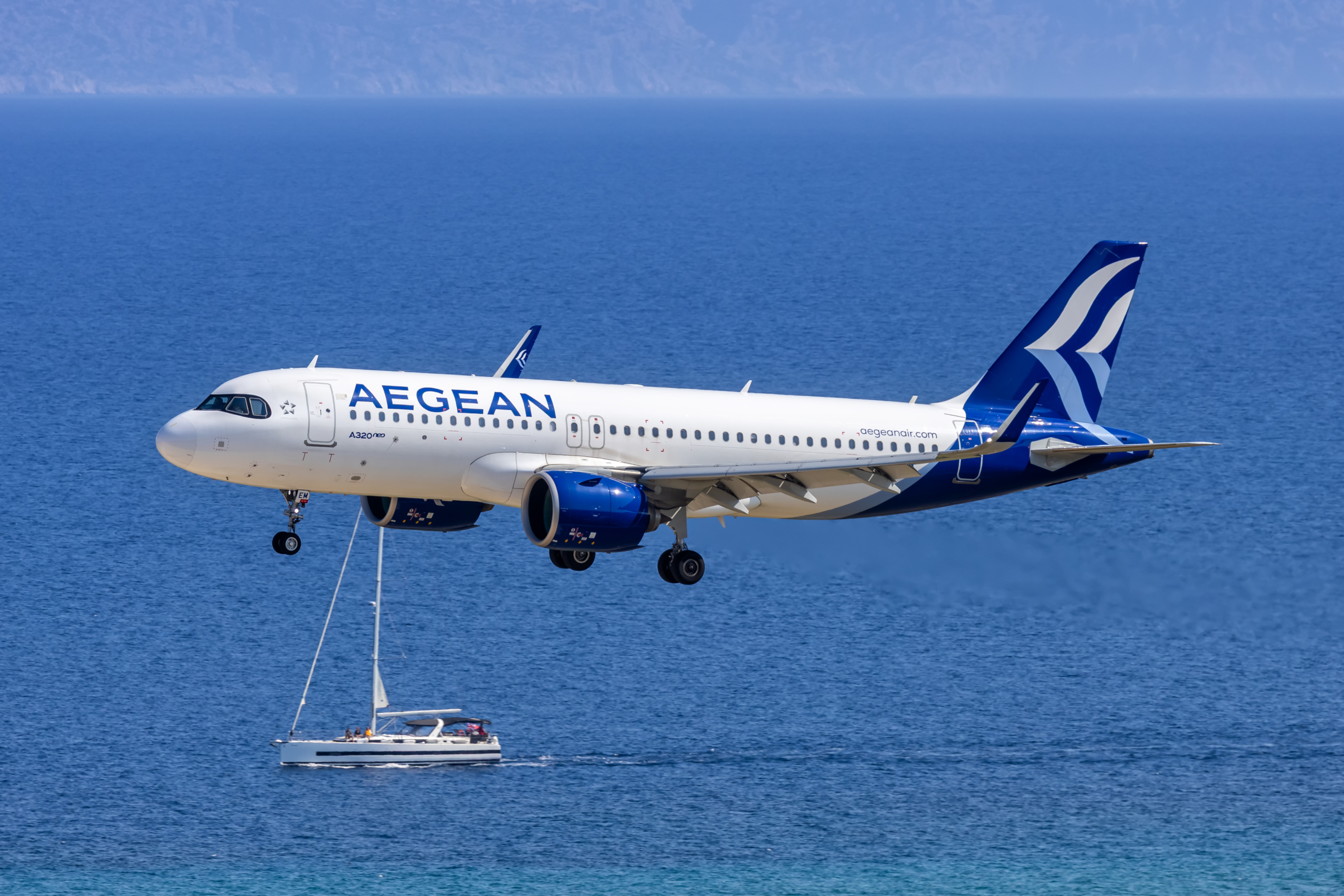
Next-generation narrowbody aircraft are reshaping the economics of seasonal flying, allowing airlines to operate routes that were once limited to peak summer for longer periods – or even year-round – according to executives at the Routes Europe conference.
Speaking during a panel discussion at the event in Rimini, Ioannis Rasoglou, Aegean Airlines‘ network planning and airline partnerships director, said the improved efficiency and range of new-generation aircraft – specifically the Airbus A320neo family, which Aegean Airlines operates, and its competitor Boeing’s 737 MAX – have enabled airlines such as his to sustain thinner markets beyond the traditional peak seasons.
“It gives you the opportunity to fly thinner routes,” Rasoglou said, “which you could not operate in the winter season or over a more prolonged period. Some seasonal routes are able to be served throughout the year.”
AEGEAN tackles seasonality with the efficiency of its A320neos
The changes are particularly significant for carriers operating in highly seasonal leisure markets such as Greece, where airlines have historically relied heavily on summer traffic.
Rasoglou said the arrival of new aircraft technology has allowed Aegean Airlines – which has a fleet of 20 Airbus A321neos and 21 Airbus A320neos – to sustain its flying schedules during weaker demand periods.
“One of the key challenges we have, being based in Greece, is seasonality, and how we deal with it,” he said. “[The new aircraft] have allowed us to address this in a significantly more efficient manner.”
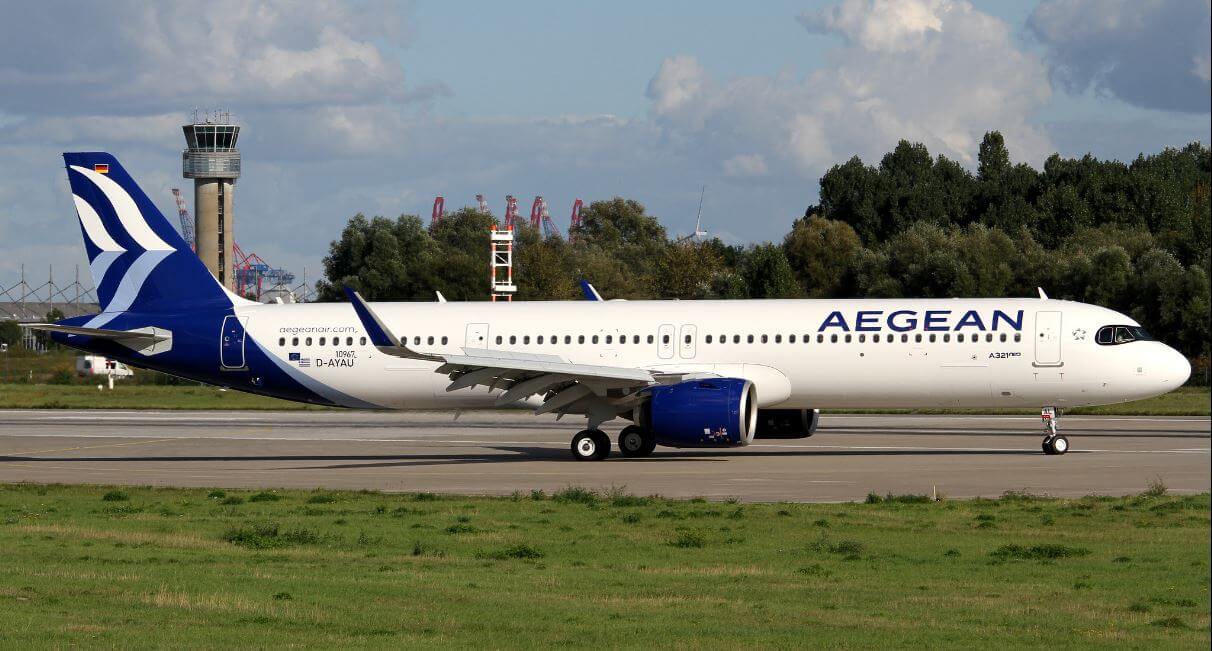
Both Airbus and Boeing say their A320neo and 737 MAX family aircraft deliver around 20% lower fuel consumption and CO₂ emissions compared with previous-generation single-aisle aircraft.
According to Rasoglou, Aegean Airlines’ off-peak growth has outpaced its summer expansion in recent years. “If you compare February ’25 to February ’19, or November ’25 to November ’19, we have grown three times more than what we have in July ’25 to July ’19,” he said. “So it has changed a lot in addressing a key element of utilisation and the balance of utilisation in seasonality for us.”
Rasoglou added that the benefits extend beyond point-to-point connectivity. More efficient narrowbodies also strengthen hub operations, such as those out of Athens International Airport, by enabling higher frequencies throughout the year, supporting transfer traffic which relies on steady flows and connectivity rather than peaks and troughs.
At the same time, the Greek flag carrier has cancelled an order for two Airbus A321XLRs that were meant to accelerate its expansion into India, demonstrating that the expansion potential these more fuel-efficient aircraft offer does not necessarily translate into linear growth.
Icelandair extends transatlantic flying into winter
It is a similar story for Icelandair, which operates both Neo and MAX aircraft. The carrier is seeking to achieve similar results to Aegean Airlines, but in the North Atlantic.
Also speaking at Routes Europe, Icelandair’s Snorri Tomasson said the economics of longer-range narrowbodies such as the Airbus A321neo are giving carriers greater flexibility to maintain service on thinner long-haul routes outside peak demand periods.
Icelandair has six Airbus A321neos in the fleet and more on the way, in addition to 17 Boeing 737 MAX 8s and four Boeing 737 MAX 9s. Its fleet of Boeing 757 and 767 aircraft are being phased out.
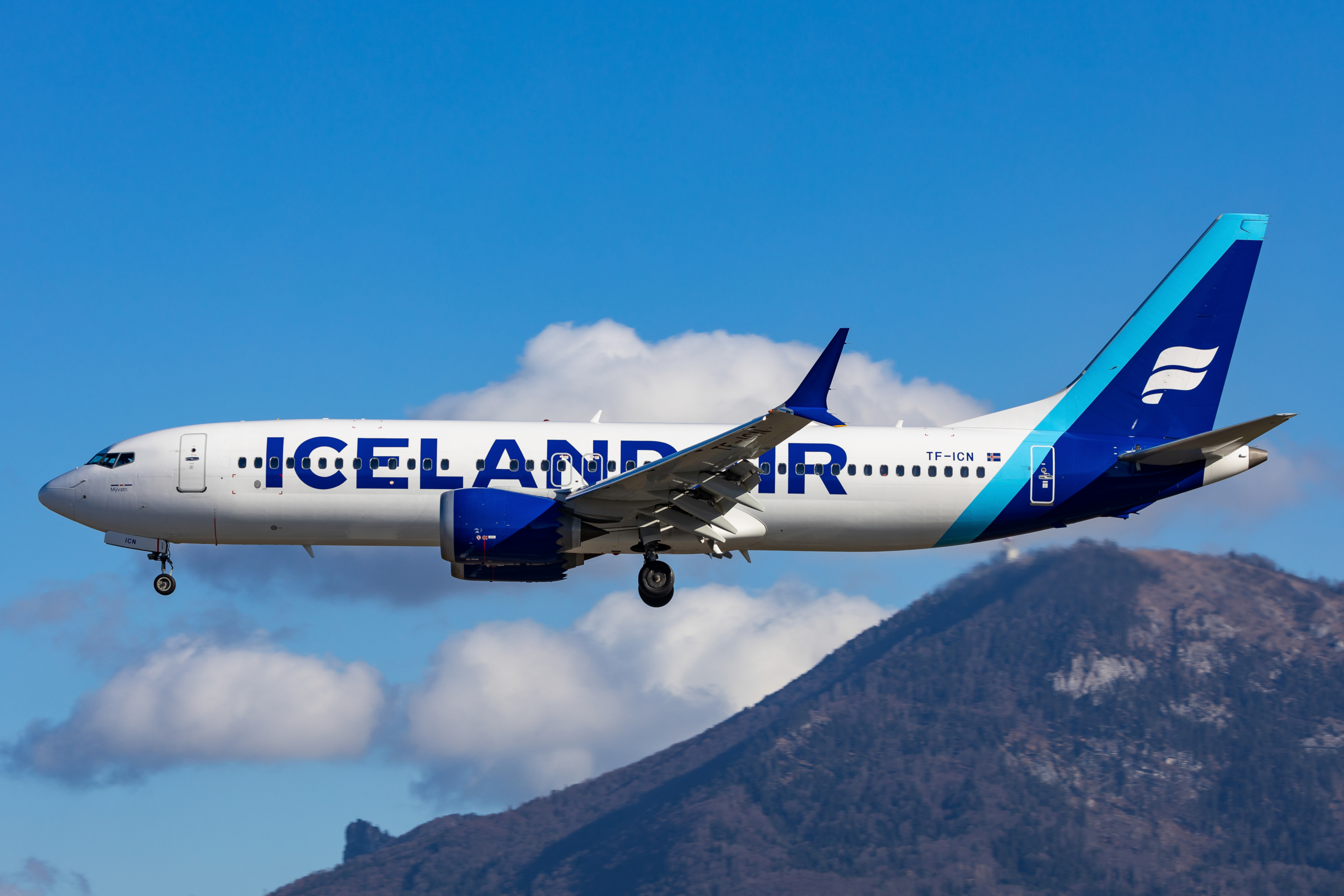
“Our markets are very summer seasonal, both our local point-to-point markets but also the transatlantic,” Tomasson, director network planning and scheduling at Icelandair, said.
“However, the calculation needs to take into consideration the winter as well, and in winter time we have seen more opportunities to be a little bit more experimental in growing our seasons, growing our frequency, and extending markets.”
Tomasson pointed to Portland as an example of a route that has shifted beyond its traditional seasonal pattern as a result of improved aircraft efficiency.
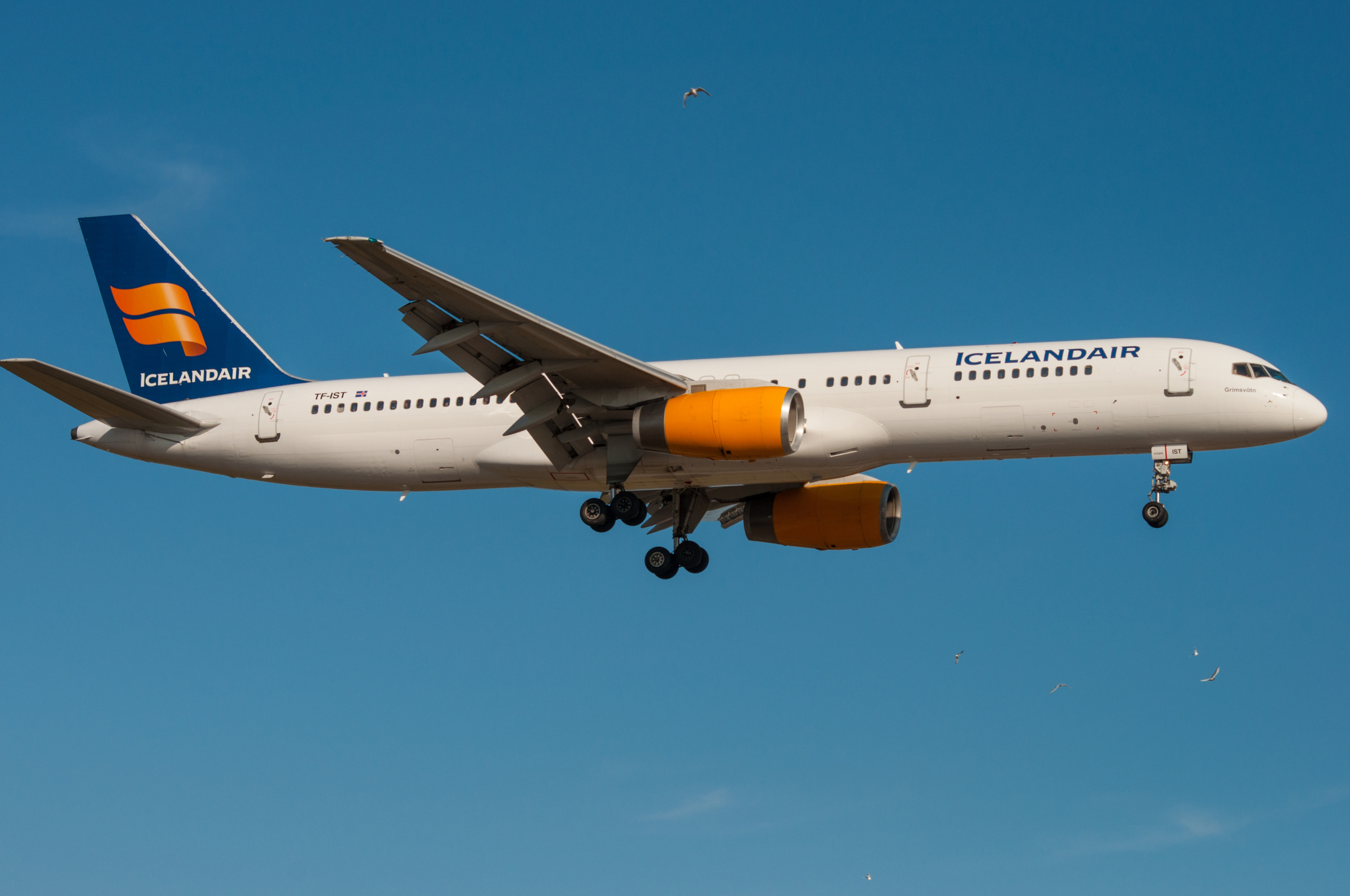
“Portland, which has been a summer seasonal gateway for many years in our network – with the LR, that is a very direct route that we now are able to serve in the wintertime, because the unit economics of the LR are just that much better,” he said.
SAS: flexibility is reshaping our network
For the head of the network planning at SAS Scandinavian Airlines, the key advantage of next-generation narrowbodies such as the A320neo, of which it has 82 in the fleet (alongside three Airbus A321neos), is the operational flexibility they bring.
Speaking during the same Routes Europe discussion, Gonzalo Pernas said the arrival of long-range narrowbody aircraft is changing how airlines think about both point-to-point and hub-feeding operations, particularly in thinner markets that previously could not support larger widebody aircraft or higher-frequency services.
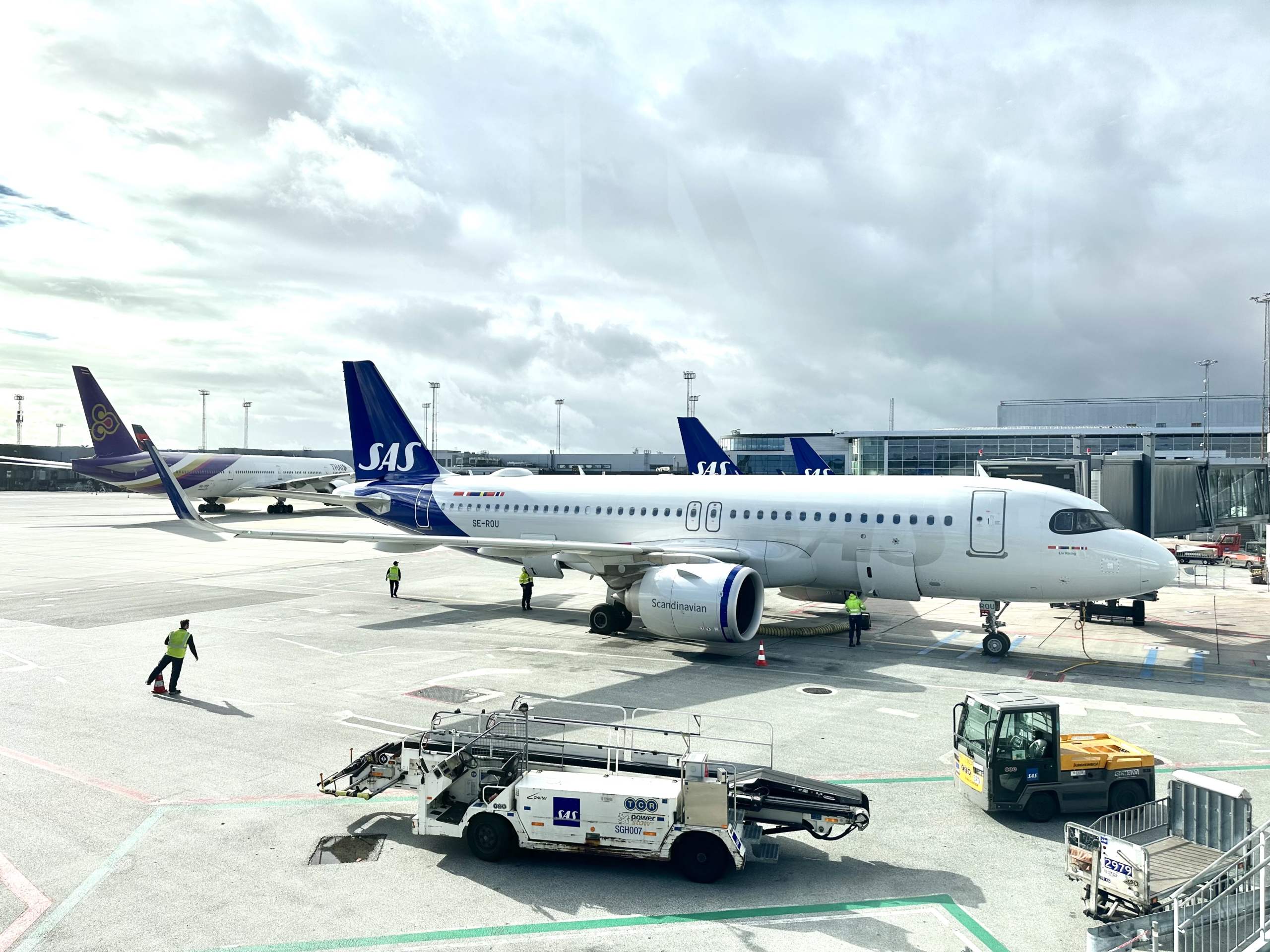
“For me the word is flexibility,” Pernas said. “It can help open new thin routes… point-to-point thinner routes, or thinner routes to feed the hub.
“The moment you have a long-haul narrowbody, you can think of a daily product. That can enable you to aspire to different yields, different connectivity levels, and that’s when suddenly you get a different network structure, because of the new technology.”
Featured image: Markus Mainka / stock.adobe.com
Sign up for our newsletter and get our latest content in your inbox.




More from


September 21, 20263 min read


