


The only way is Essex: London Southend Airport grows most in the UK with 161% passenger surge

5 min read
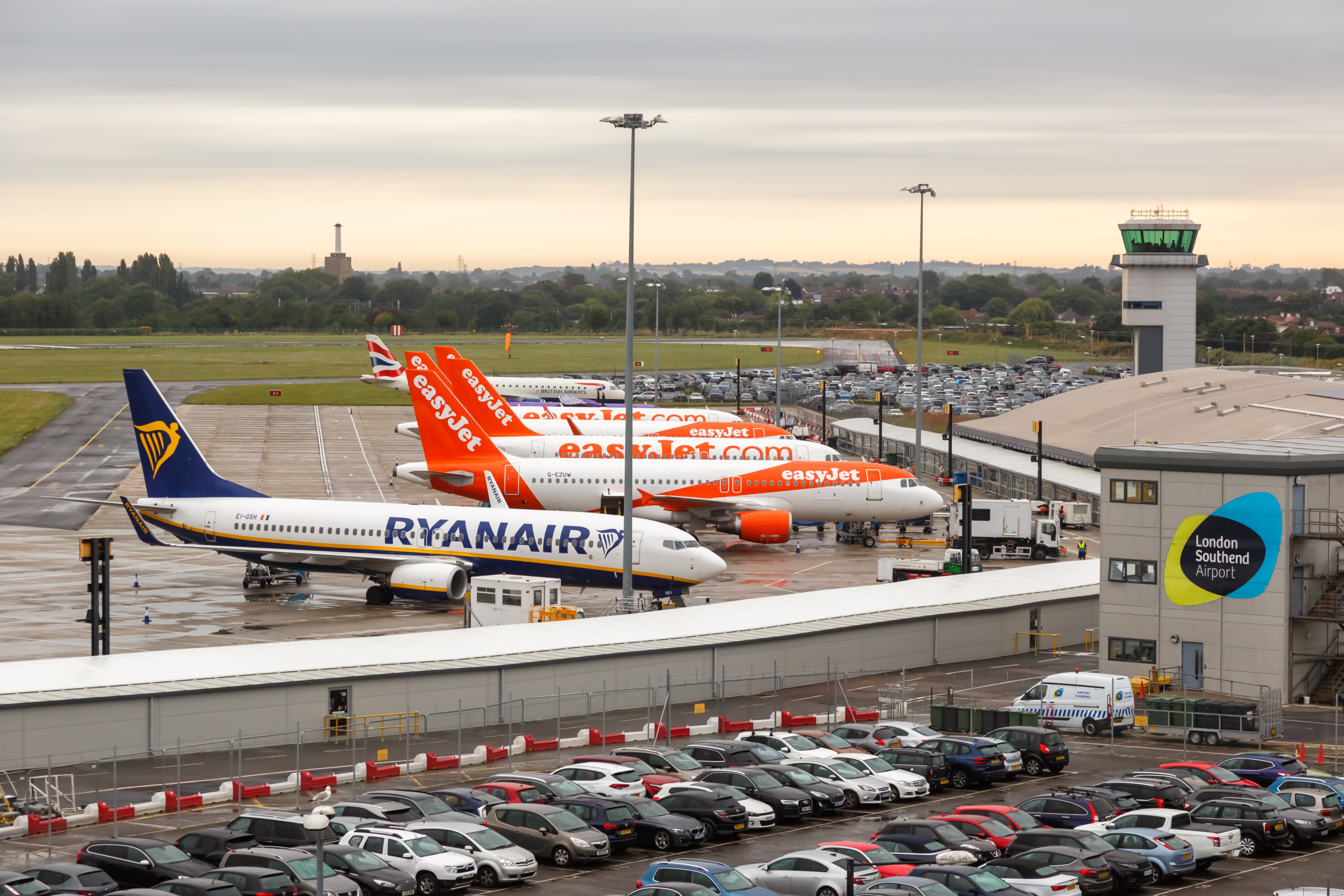
Across the UK, airports welcomed nearly 300 million passengers in the year ending January 2026, with London Southend emerging as the standout growth story. Edinburgh and Manchester also outperformed growth at the UK’s primary hub London Heathrow.
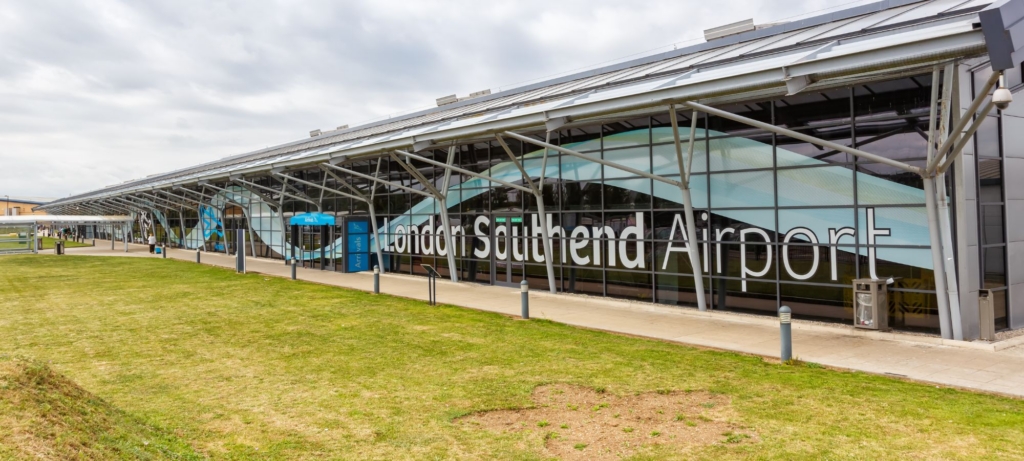
According to Civil Aviation Authority (CAA) data, Southend carried 751,000 passengers in the year ending January 2026, up from 287,000 the previous year. The increase represents nearly a threefold increase driven by the airport’s deepening relationship with easyJet.
London Southend’s growth is fuelled by easyJet
Describing the low-cost carrier as the airport’s “anchor client”, Nigel Mayes, London Southend’s director of business development, told Aerospace Global News that Southend has a great relationship with the airline.
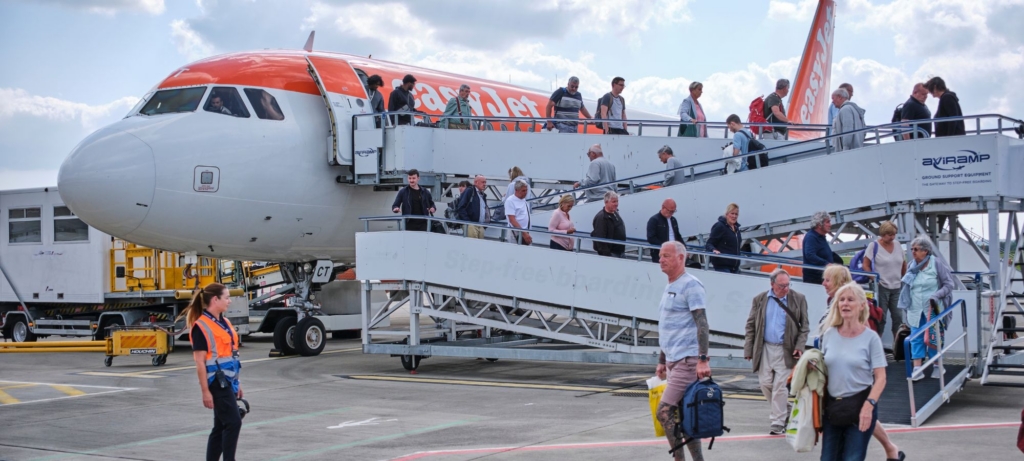
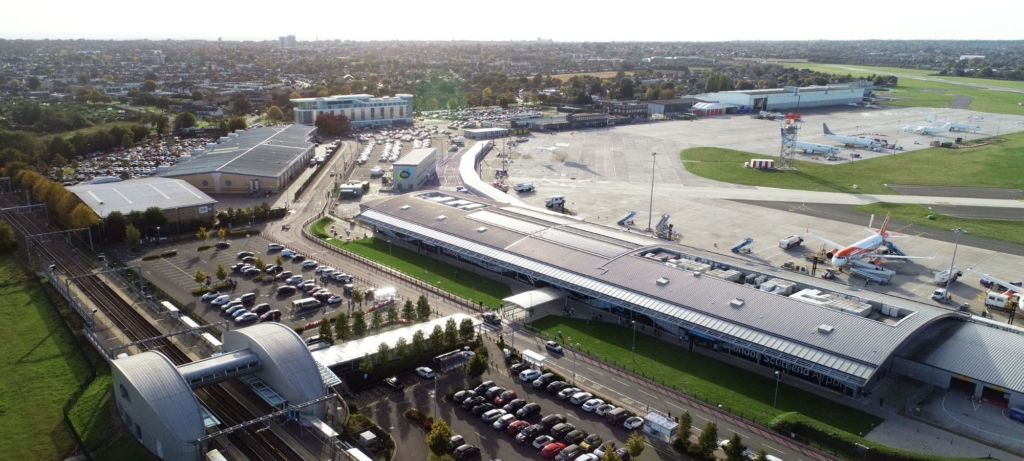
EasyJet officially opened its three-aircraft base at the Essex airport last summer, helping expand Southend’s network from seven destinations to 28 in under two years.
New routes this summer include Ibiza, Jersey and Munich. The latter has been timed to capture Oktoberfest traffic to the Bavarian capital. Belfast and Budapest have also recently been announced, with the airline and airport deliberately shifting their weight toward city-break markets during the winter months amid intensified competition across the wider London system.
Mayes is bullish about what comes next. “For this year, the full easyJet year traffic will be over 800,000 and pushing towards one million,” he said. “We expect to continue as the fastest growing airport for the early part of 2026 at least.”
How Southend is converting London’s capacity crunch into opportunity
The growth story at London Southend is not just about easyJet.
Citing the structural constraints across the London airport network system (which includes Heathrow, Gatwick, Stansted and Luton), Mayes said the lack of capacity at Gatwick and Stansted alongside slot scarcity at Heathrow “has created an opening for Southend to position itself as the capital’s only airport with available early morning slot capacity.”
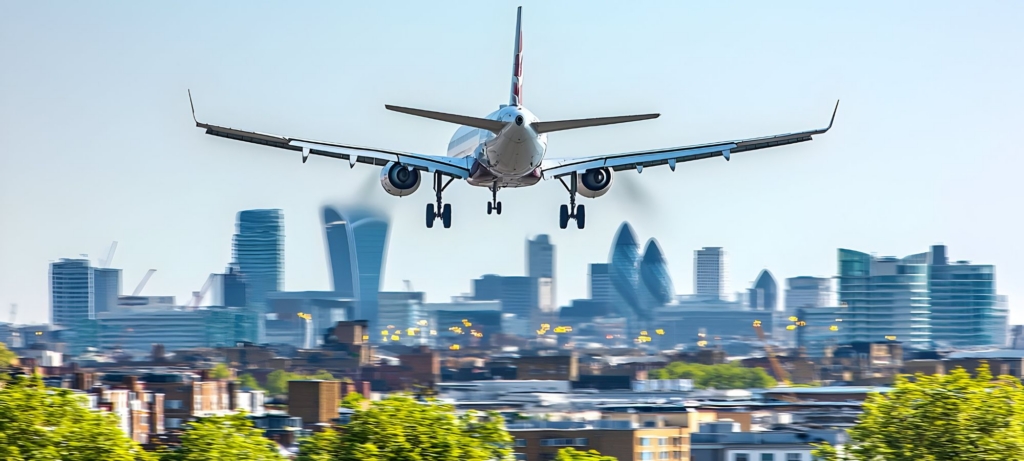
Describing London as the “world’s largest aviation market with 180 million passengers,” he continued, “we are currently the only airport that can effectively offer accessibility for anyone looking to base an aircraft in the London system with slots available from first thing in the morning to enable up to three rotations per day.”
Business aviation is also expanding at London Southend
Business aviation is also gaining altitude at the London airport. Traffic in this segment is up 13% year-on-year (YoY). Mayes explained the airport has extended operating hours to 2.30 am to accommodate private jets. “This fills a gap left by Farnborough and Biggin Hill, which close at night and a heavily restricted Luton,” he said.
Mayes added that Southend is looking to extend those hours further to serve round-the-clock business aviation operations, targeting music tours, football charters and transatlantic jets seeking a London slot after dark.
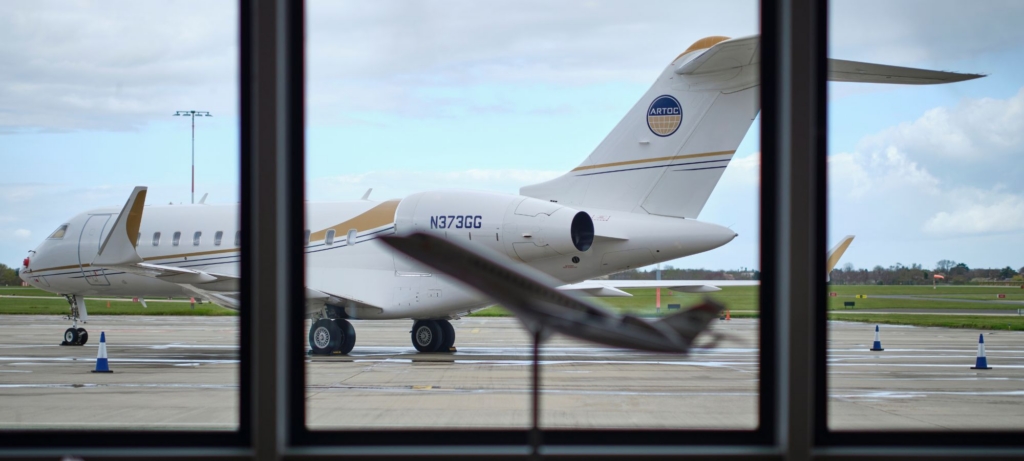
New announcements on based aircraft for 2027 are expected in the coming months, alongside what Mayes described as “major projects” on the business aviation side, including MRO facilities and expanded hangarage.
Given the current geopolitical risks impacting airports elsewhere, Southend appears relatively well insulated. The airport doesn’t serve the Middle East and has had minimal exposure to the recent regional crisis.
“We only had 12 individual flights cancelled, which was far less than some other airports,” Mayes said. He also noted that easyJet has not further trimmed capacity at Southend for the remainder of the summer.
This, he said, contrasted with other carriers, such as Lufthansa, which had network-wide reductions elsewhere, in part due to the war in Iran and a spike in jet fuel costs.
The UK’s wider airport picture
Beyond Southend, the UK’s airport network (comprised of 47 commercial airports) posted aggregate growth of 2.16% YoY, with passenger numbers rising by 6.3 million to just under 300 million.
The sector’s recovery from post-pandemic turbulence appears largely complete. However, caution was sounded for some of the country’s smaller regional airports, according to an analysis of the CAA’s data by DataPR. co.
Heathrow retained its position as the UK’s dominant hub, welcoming 84.6 million passengers (+0.5%), representing 28% of all UK passenger journeys.
Meanwhile, Edinburgh outpaced the UK’s primary hub in absolute growth terms, adding over 1.2 million passengers to reach 17 million, a 7.6% YoY rise.
Another northern hub, Manchester Airport, also showed impressive growth of 4.1% YoY to 32.2 million. Together, Heathrow, Gatwick and Manchester account for 53% of all UK passenger traffic.
How regional hubs are outpacing growth at Heathrow
Rafiullah Waseem, data analyst at DataPR. co, said: “The data shows a quiet revolution in regional aviation. When regional hubs outpace Heathrow fifteen-fold, it signals that passengers are increasingly voting with their feet for local accessibility and competitive pricing.”
He explained that, while growing airports are actively investing in new route partnerships (notably easyJet at Southend), declining volumes at airports like Gatwick and East Midlands suggest a risk of route contraction and potential fare increases in those regions.
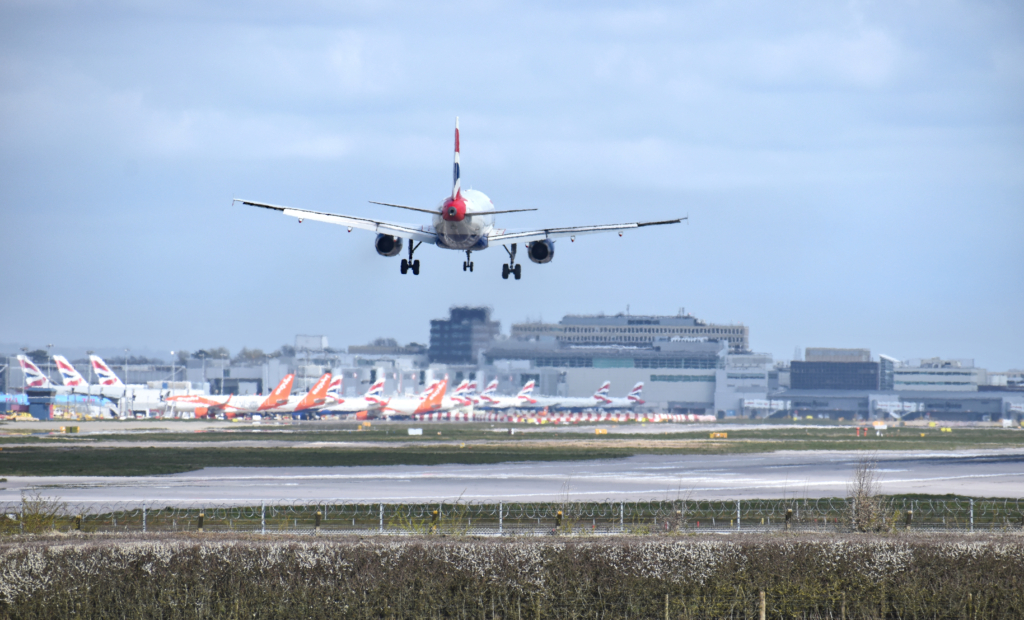
Gatwick was the most notable underperformer among major airports. It lost approximately 747,000 passengers, slipping 1.7% to 42.7 million passengers. Thirteen airports in total recorded a fall in passenger numbers, including Belfast International, Belfast City, Aberdeen, East Midlands, Cornwall Airport Newquay, Dundee and Sumburgh.
The surge in regional hubs like Edinburgh, Manchester and Southend creates more airline competition and higher load factors, according to Waseem. “For travellers, this typically results in lower fares and a reduced need to default to London-based flights.”
Remote airports risk withdrawal of lifeline services
For the smaller regional airports among that group, the trajectory carries real consequences. Dundee, Cornwall Airport Newquay and Sumburgh serve communities with limited transport alternatives and sustained passenger decline risks triggering the withdrawal of the very services these communities depend on.
Some of the UK’s most remote airports, such as Wick John O’Groats, which saw a 36.8% decline in passenger traffic, signal a widening connectivity gap for isolated communities.

What’s more, with just five airports – Heathrow, Gatwick, Manchester, Stansted and Luton controlling 69% of all UK traffic, “the data suggests that any disruption at a major hub remains a high-risk factor for the national aviation network,” concluded Waseem.
For now, though, the standout success story of UK aviation in 2025/26 belongs to a modest airport in Essex that has tripled its passenger volumes to serve the UK’s capital and the southeast while delivering the very best of Essex hospitality.
Featured image: Photo: Markus Mainka / stock.adobe.com
Sign up for our newsletter and get our latest content in your inbox.


More from


September 12, 20264 min read


