


AirAsia orders 150 A220s and would buy another 150 if Airbus makes the A220-500

4 min read
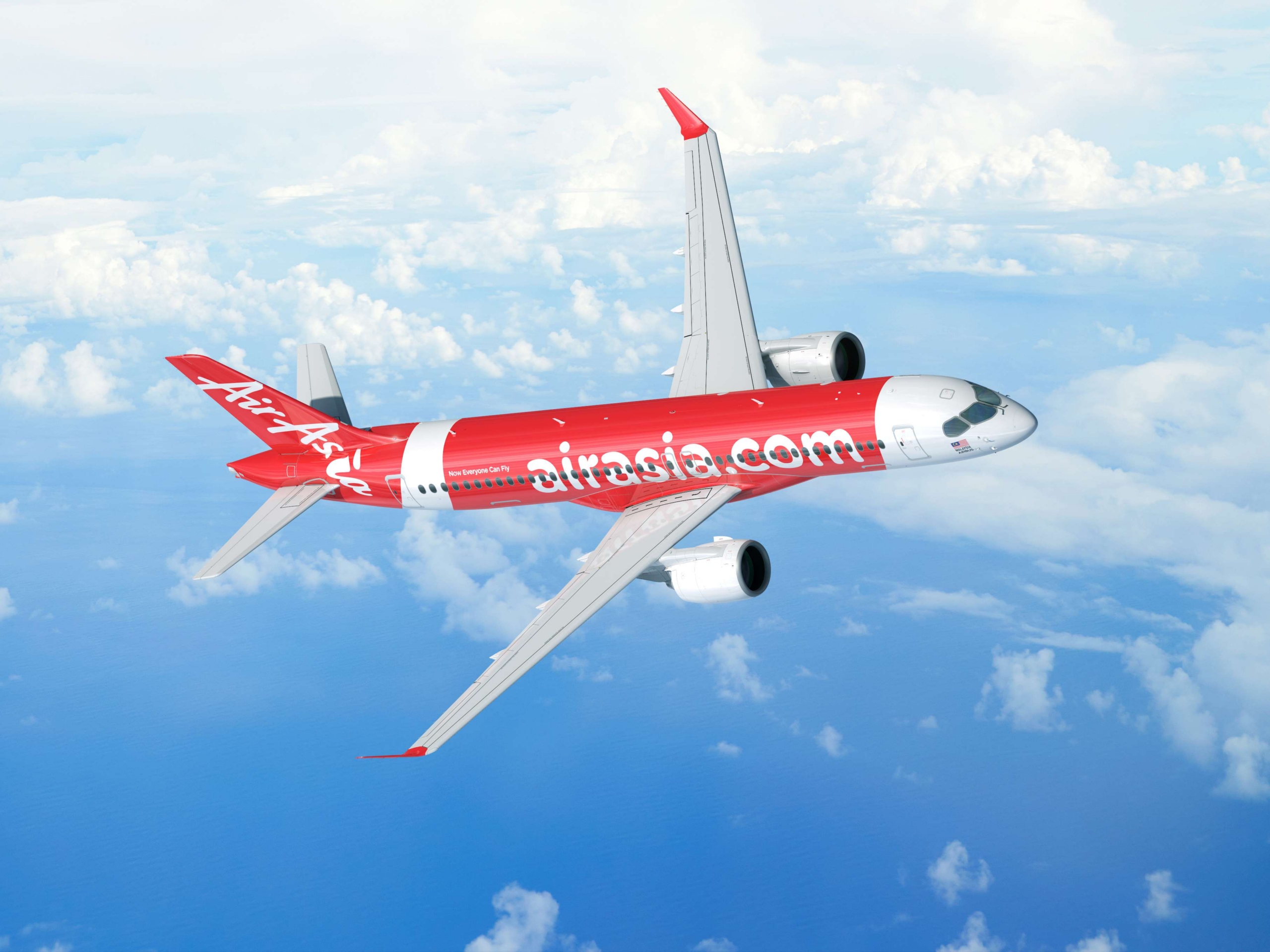
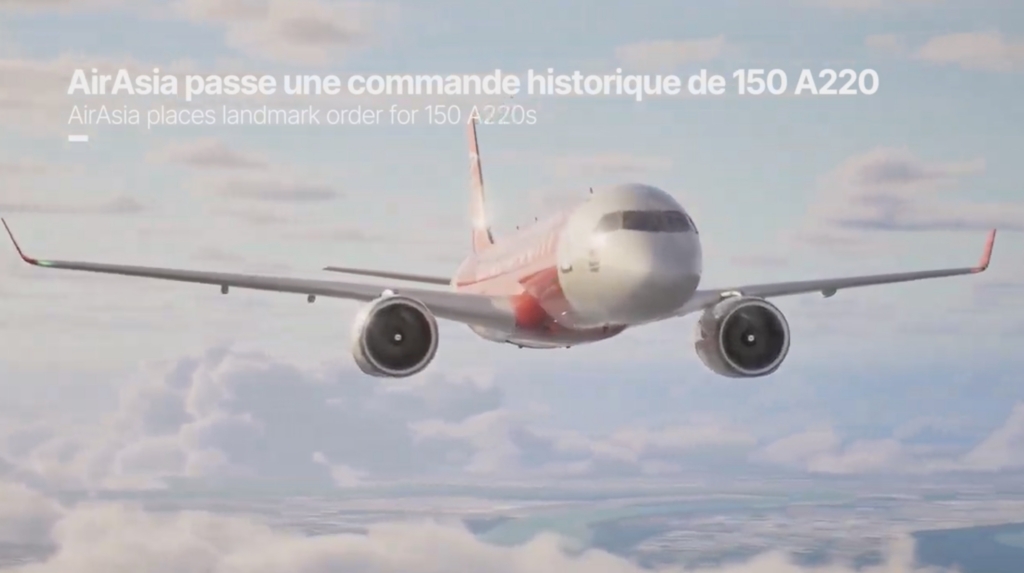
AirAsia has today confirmed its long-awaited order for the Airbus A220, ordering 150 aircraft for a major fleet renewal.
Announced at the Airbus site in Mirabel, Canada, the order is the largest for the A220 to date, eclipsing the 100 aircraft ordered each by Delta Air Lines and JetBlue.
Crucially, it marks the first mega-order from a major low-cost carrier and the first large-scale commitment to the type in Asia. While Korean Air operates a small A220 fleet, adoption in the region has so far been limited.
AirAsia’s massive Airbus A220 order
AirAsia has not only become the largest customer of the Airbus A220, but also the launch customer of a new configuration of the jet. Without elaborating too much on the concept, Airbus indicated it will be a new high-density configuration.
Advisor to AirAsia and CEO of Capital A, Tony Fernandes, said the new aircraft would be configured with 160 seats. The A220 is typically configured with between 110 and 150 seats. By adding an extra overwing exit, Airbus has pushed the seating capacity to the full 160 passengers.
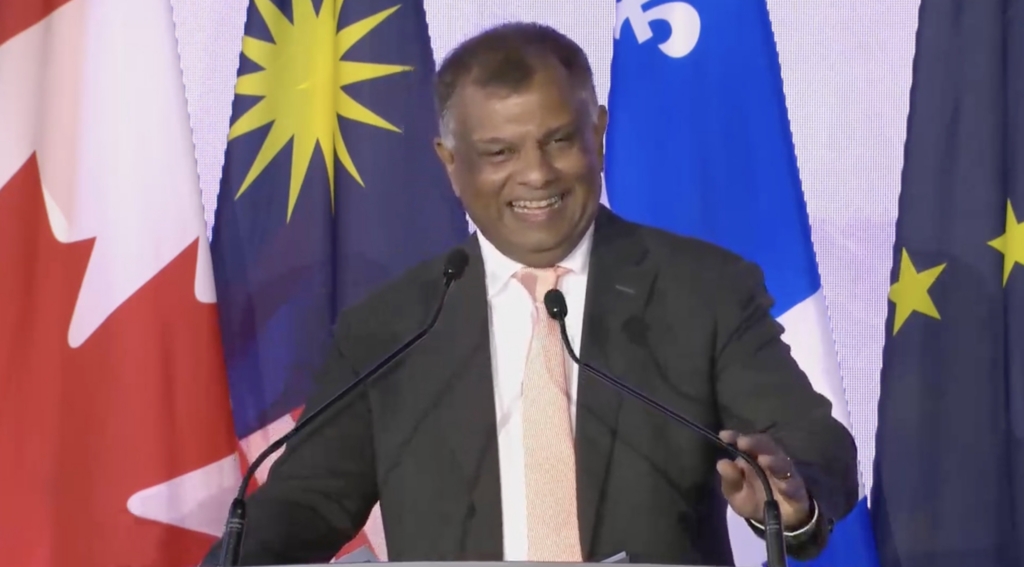
Speaking at the event, Fernandes joked about the Airbus A220 stretch, which some had hoped would be launched at the event today.
“We really hope that you will build the best version, which is the A220-500, which is 185 seats,” he said. “That’s the aircraft we really want. So Lars, you know, get a move on.”
“Today, if they build that aircraft, AirAsia will buy another 150,” he joked.
Fernandes said that the deal was worth around $19 billion, but stressed that its value could rise to $38 billion if Airbus goes ahead and builds what he calls the ‘Lars version’.
Airbus has always maintained that the A220-500 would make sense and is completely on the table. However, the planemaker has said that it is waiting for the programme to ‘reach its cruising altitude.’
Despite its success, the programme is still running at a loss.
Why AirAsia wants the Airbus A220
AirAsia has built its success on the back of the Airbus A320 family. These narrowbody aircraft typically seat around 180 plus passengers, significantly more for the A321neo.
That creates a challenge as the airline expands its network. The A320 family can be too large to operate economically on thinner routes, limiting AirAsia’s ability to serve smaller markets or build frequency in developing ones.
The A220’s strong short-field performance means it can operate from constrained regional airports, as well as those with performance limitations such as heat and elevation. That gives AirAsia an option to open new routes with a smaller, more flexible aircraft.
Crucially, it gives AirAsia an economical means to serve smaller cities that wouldn’t fill an A320. In Southeast Asia, this is crucial, as demand can be fragmented. Yet, many cities remain underserved, giving the airline additional options for new routes and services.
“Tony, you changed the world of flying when you entered the A320 in the Asian market,” said Airbus commercial aircraft CEO Lars Wagner during the announcement. “And now you’re going to do it again with the A220. This Airbus, this small plane, this game-changing aircraft, will allow you to connect cities that haven’t been connected so far yet.”

Embraer’s E2 also ticks a lot of those boxes, but has a slightly smaller cabin. Typically arranged in a 2-2 layout, the E2 seats around 120 passengers, or up to 146 in a dense configuration.
Fernandez admitted that “it was very tough choosing” between the two aircraft, but didn’t elaborate on what pushed AirAsia over the line.
When will we see the Airbus A220 in AirAsia colours?
The partners have been relatively quiet on when we can expect to see the first aircraft delivered, with Wagner simply implying they would be handed over ‘as soon as possible’. It’s also not been made entirely clear whether the whole order is firm, or whether some are options.
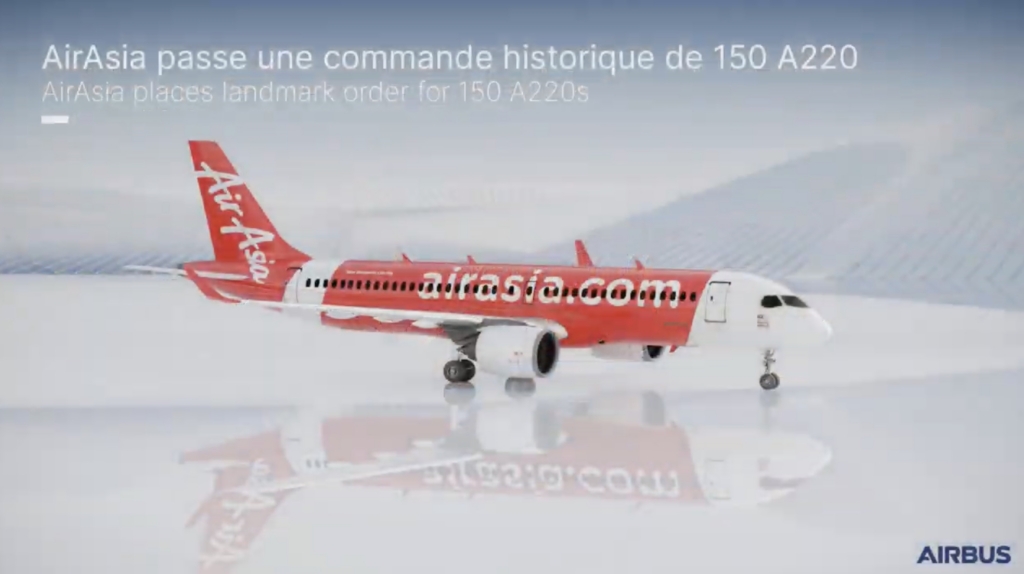
Nevertheless, it’s a huge vote of confidence for the A220 programme, pushing Airbus to over 1,000 aircraft ordered. It also sees AirAsia ordering Pratt & Whitney engines, something that Fernandes will be hoping goes smoothly. AirAsia’s fleet is powered by CFM and LEAP engines on the whole, so has escaped the disruption of the powder metal recall.
“This order is a vote of confidence to all of you, of all your hard work, diligence, passion and heart,” said Fernandes in Mirabel. “You’re not just assembling fuselages, but you’re building the future of global travel for the common man. Because of you. Canada is the heartbeat of the aerospace world, merci beaucoup, everyone at Airbus Canada.”
Sign up for our newsletter and get our latest content in your inbox.


More from


September 12, 20264 min read


