Diehl Aviation’s ECO Grey Water Reuse System paves the way for more sustainable aircraft lavatories
Diehl Aviation has collaborated with SWISS to complete an in-service evaluation of its Grey Water Reuse System (GWRS), marking a major step in sustainable cabin…

April 16, 2026
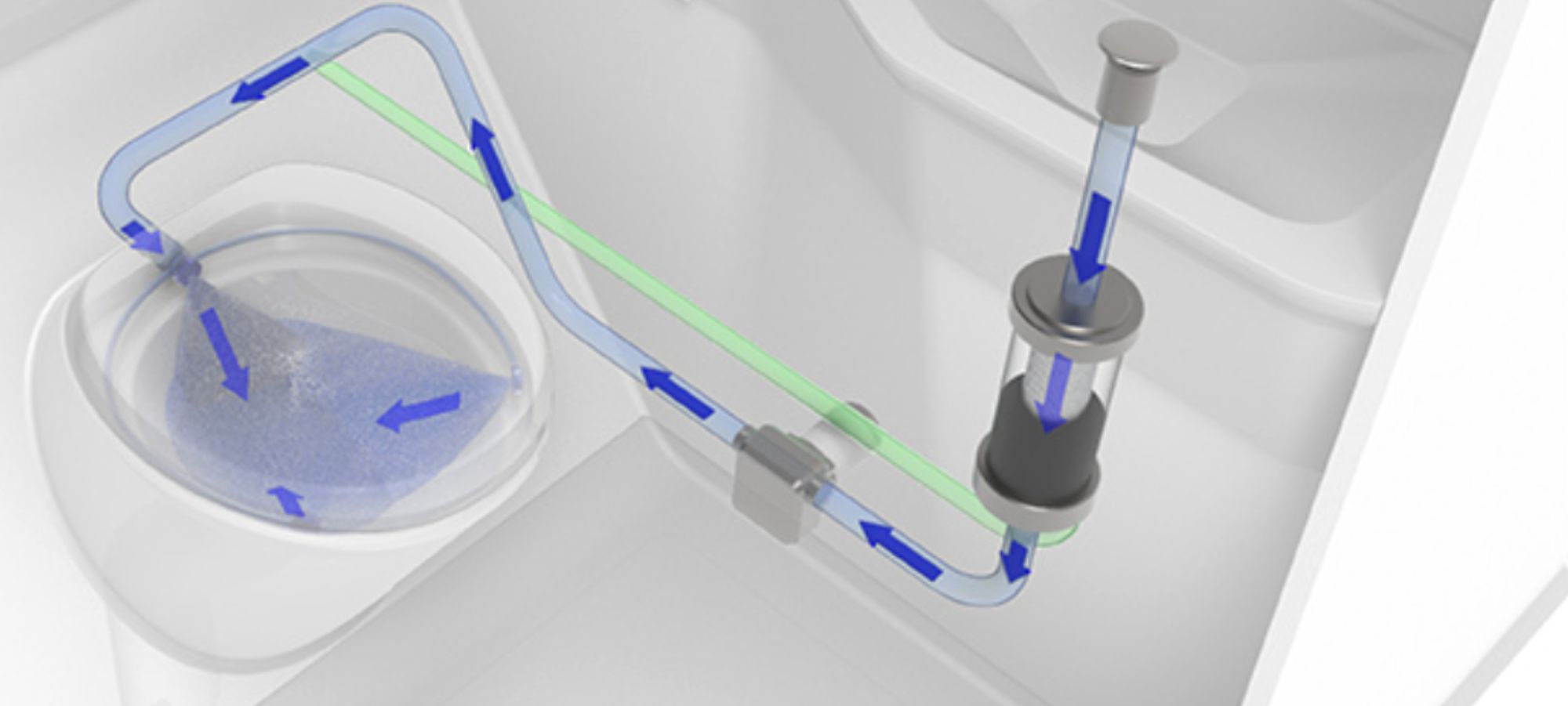
Diehl Aviation has collaborated with SWISS to complete an in-service evaluation of its Grey Water Reuse System (GWRS), marking a major step in sustainable cabin technology and reducing CO2 emissions by up to 90 tonnes.
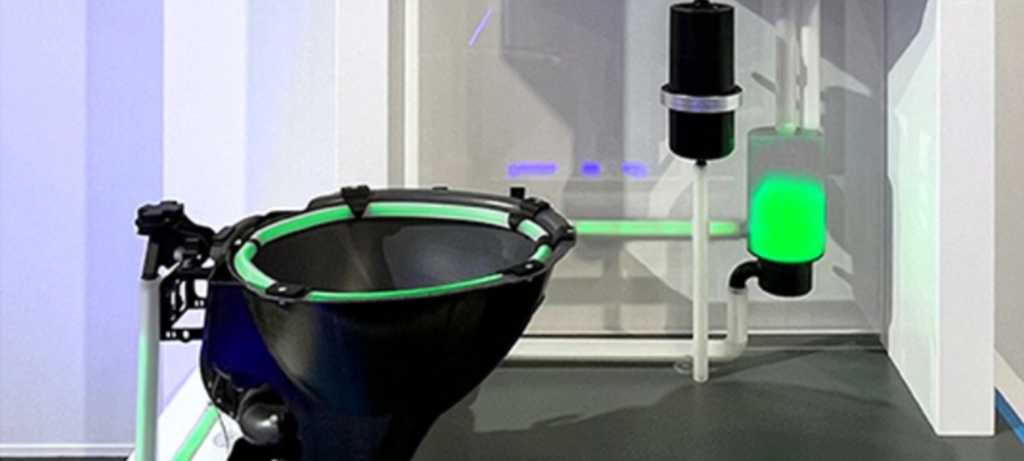
The ECO system was trialled for approximately 3 months on board Boeing 777 aircraft operated by Swiss International Air Lines (SWISS). Conducted under full operational conditions, the trial demonstrated the reliability and consistency of Diehl Aviation’s system. It is designed to capture grey water from aircraft hand-wash basins, treat it, and reuse it for toilet flushing.
Jörg Schuler, CEO of Diehl Aviation, explained the “stable performance of ECO GWRS in daily airline operations confirms the strength of [the system’s] technology and [Diehl Aviation’s] engineering approach”.
He added that by reducing reliance on potable water stored on board, the system addresses both environmental and operational efficiency challenges faced by modern carriers on routes with the highest water demand.
Diehl Aviation’s ECO GWRS enables CO2 reductions of up to 90 tonnes
According to Diehl Aviation, the system enables a potable water saving of up to 25%, which equates to up to 250 litres of fresh water per flight during long-range operations. This reduction translates into approximately 220 kg of weight per aircraft, with a direct impact on fuel burn.
Over a year, this can result in weight savings of around 220kg per aircraft, which can translate into fuel savings of around 28 tonnes per aircraft, per year and CO2 reductions of up to 90 tonnes under typical operating conditions.
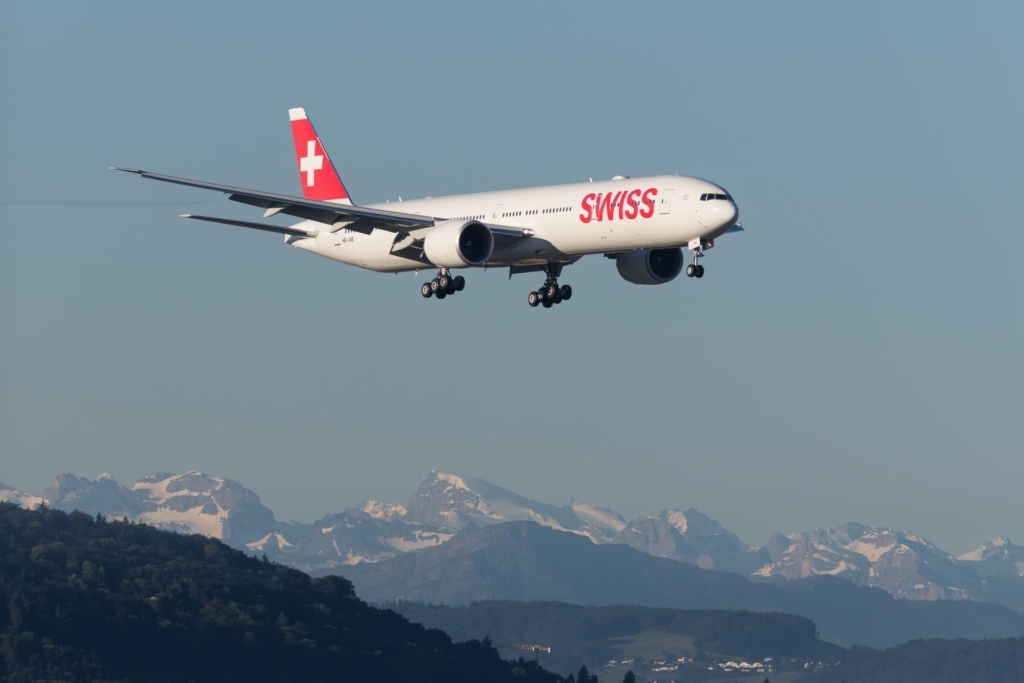
The evaluation, conducted in close cooperation with Boeing and SWISS, placed the system in a real-world airline service environment rather than a controlled test environment. This allowed engineers and operators to assess performance under the complexities of daily flight operations, including varying passenger loads, flight durations and maintenance cycles.
Power of collaborative innovation
Citing the “excellent collaboration” among Boeing, SWISS, and Diehl Aviation, Schuler added that the partnership among all three parties played a critical role in validating the system and delivering measurable benefits.
“This is a prime example of how cooperation accelerates the path from development to market-ready solutions,” he said.
The programme also reflects a broader shift within the industry, towards collaborative innovation. By working closely with airline manufacturers and airline operators, Diehl Aviation can move more efficiently from concept to certified deployable solutions.
Testing new and emerging technologies in live service not only shortens development timelines but also ensures they align with operational realities.

For airlines, the combination of reduced water uplift, lower aircraft weight, and decreased fuel consumption offers a compelling business case – particularly as the industry continues to prioritise sustainability and cost-efficiency.
Already recognised in the 2020/21 Crystal Cabin Awards, the ECO GWRS can be retrofitted on existing aircraft lavatories. This enables airlines to adopt the technology across existing fleets without waiting for new aircraft deliveries. Diehl Aviation is also working with Airbus to integrate the system on its A350 aircraft.
Diehl Aviation wins accessibility award at the Crystal Cabin Awards 2026
Alongside its water reuse innovation, Diehl Aviation has also been recognised for advancing accessibility in cabin design. At this year’s Aircraft Interiors Expo in Hamburg, the company received another Crystal Cabin Award in the Accessibility category for its Adaptive User Routing System (AURS).
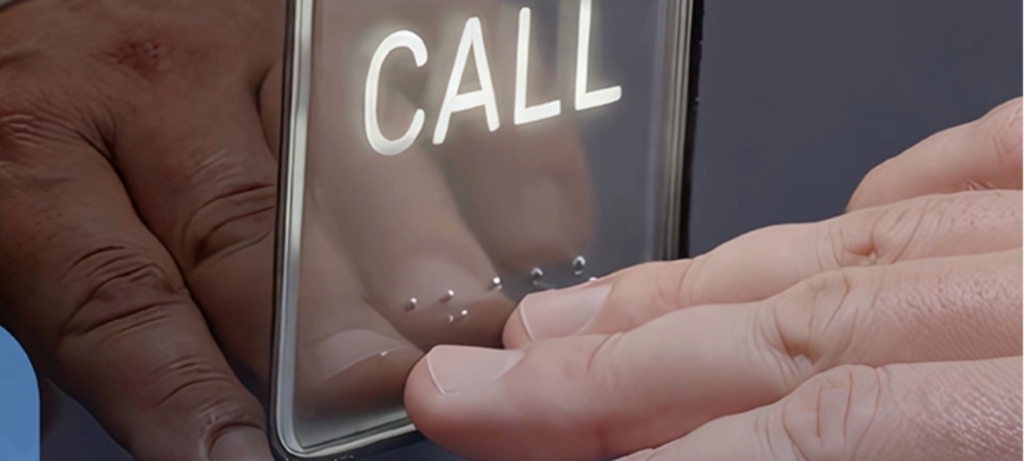
Designed to set a new benchmark for inclusive lavatory design, AURS transforms the space into one that passengers with visual or hearing impairments can navigate with confidence.
Developed in collaboration with travellers with sensory impairments, the concept combines an accessibility-driven lavatory design with an intelligent digital system that adapts to individual passenger needs. High-contrast finishes, tactile guidance features,
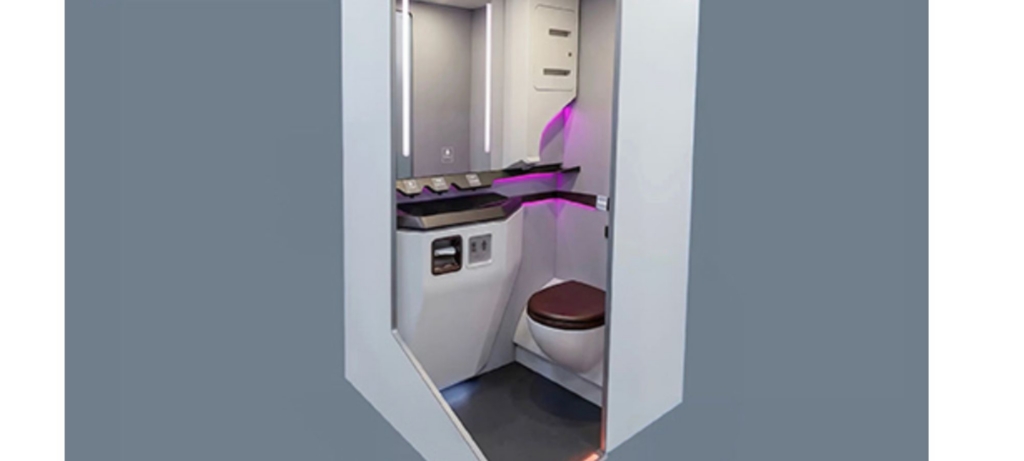
Braille signage and uniquely shaped controls enable intuitive navigation, while safety announcements are displayed visually on an integrated mirror screen. Adaptive lighting and optional audio cues offer further assistance for those with limited vision.
SWISS becomes the first European airline to introduce Diehl Aviation’s MLS
It’s been a busy period for Diehl Aviation. The supplier has also collaborated with SWISS to install its Mechanical Lift System (MLS) on an Airbus A350 aircraft, with a wider retrofit programme across the airline’s fleet now underway.
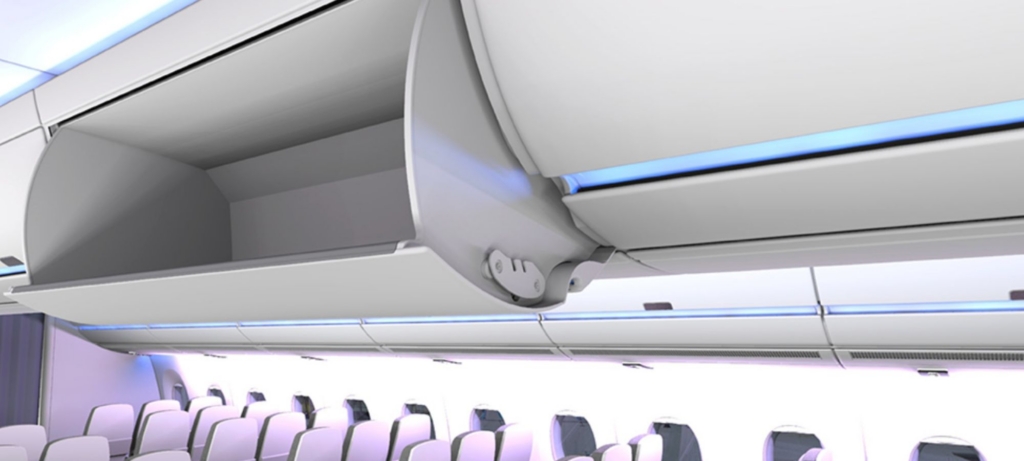
The MLS reduces the force required to close overhead bins by up to 30%. The system, which operates without electrical components, “reduces physical workload, fits seamlessly into existing cabins and maintains operational reliability,” according to Schuler.
Featured image: Diehl Aviation