US moves ahead with sale of F110 engines for Turkey’s Kaan fighter despite Congress concerns

4 min read

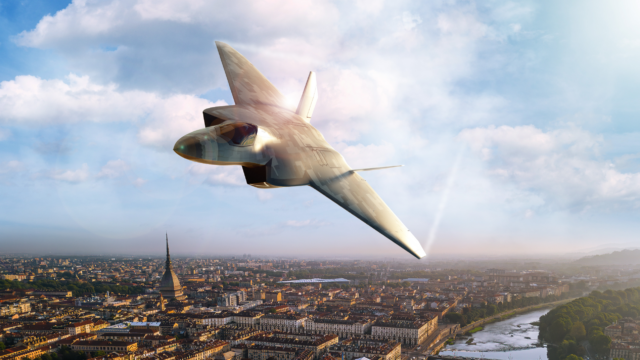
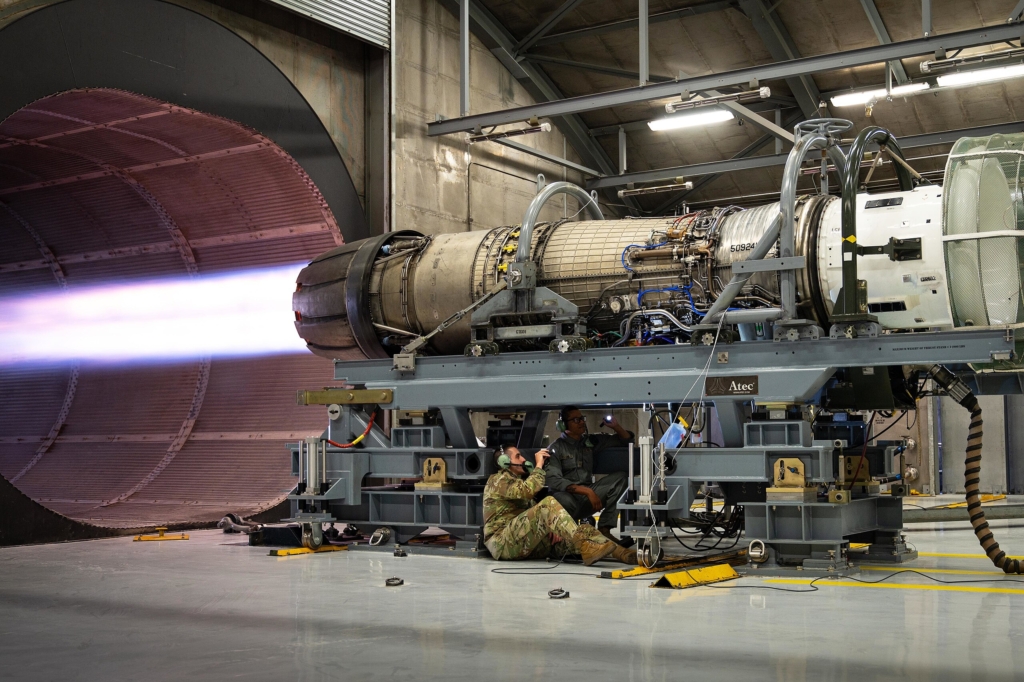
The Trump administration has formally notified Congress of its intent to sell more than $700 million worth of GE Aerospace F110 engines to Turkey, in a move that could help keep the country’s Kaan fighter programme on track.
The proposed engine package would supply dozens of US-built turbofans for Turkey’s indigenous combat aircraft, despite opposition from some lawmakers over Ankara’s continued possession of the Russian-made S-400 air defence system.
The sale is also being watched as a test of whether Washington is prepared to soften its defence relationship with Turkey ahead of the NATO summit in Ankara on 7-8 July. However, it falls short of Ankara’s bigger objective: a return to the F-35 programme.
US moves ahead with Kaan engine sale despite Congress concerns
Reuters reported that the Trump administration is planning to sell dozens of F110 engines to Turkey, with the package worth $700 million. It is pushing the measure through despite objections from some members of Congress.
The proposed engine sale is being framed as a significant diplomatic gesture to Ankara ahead of July’s NATO summit. However, it is a limited concession rather than the bigger prize Turkey wants: readmission to the F-35 programme.
Reuters reported that while the F110 sale is likely to be welcomed in Turkey, analysts believe it falls well short of Ankara’s broader goal of rejoining the Joint Strike Fighter programme.
The Trump administration is expected to press ahead with the engine package despite opposition from some members of Congress. Under the US arms export review process, lawmakers can scrutinise major weapons sales and raise objections, but those objections do not automatically block a deal unless Congress passes legislation to stop it.
The F110 sale appears to be the most straightforward concession available to Washington, particularly compared with the much more politically complicated question of Turkey’s possible return to the F-35 programme. Turkey has previously complained about the US holding up engine deliveries for political reasons, although some US sources have said delays were industrial.
Turkey’s Kaan fighter jet and push for domestic engines
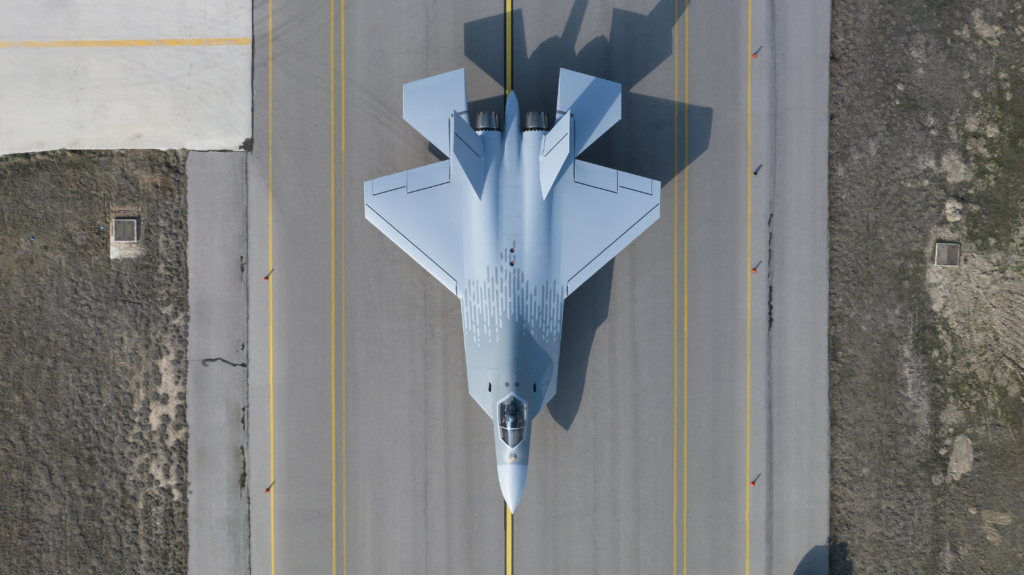
The engines are central to Turkey’s efforts to produce its Kaan frontline fighter jet, as it is unable to produce them itself. AGN has previously reported that Turkey is working to develop its own domestic TEI-TF35000 engine and eventually make the Kaan fighter free from US export restrictions.

However, under the optimistic timeline, these engines will not be ready before an initial integration in 2032 and maturity in 2036. Turkey is yet to test-run the engine intended for the Kaan.
Turkey has ambitious plans to bring the Kaan fighter jet into service in 2028. Initial variants (Block 10) will be dependent on US-supplied engines as well as a range of US avionics and other advanced systems.
It will also take years for the Kaan to mature as an integrated weapons platform. Turkey is currently purchasing 20 Eurofighter Typhoons from the UK as a bridge.
Get the latest aerospace defence news here on AGN.
Removal of Turkey from F-35 programme
Turkey and the US have had rocky relations, especially over the last decade. Despite Washington’s warnings, Turkey chose to purchase the Russian S-400 air defence system.
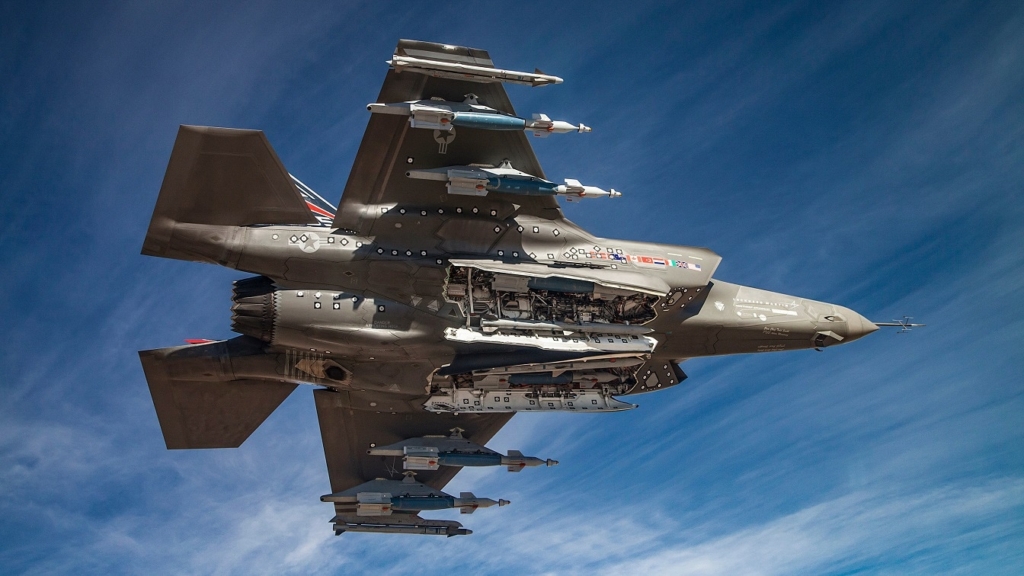
The US responded by kicking Turkey out of the F-35 programme, impounding the four F-35As poised to be delivered, and keeping Turkey’s deposit on the jets (around $1.4 billion in total).
The US has denied around half a dozen countries’ requests to purchase the F-35, although Turkey remains a special case.
Turkey has been working to be readmitted to the programme ever since, but the S-400s remain a sticking point. Fighter jet sales to Turkey have also taken on a wider geopolitical negotiation.
The politics of fighter sales to Turkey have already been tied to wider NATO bargaining. In 2024, the US approved a $23 billion F-16 sale to Turkey after Ankara ratified Sweden’s NATO accession, ending one of the main obstacles to the deal.
Readmission to the F-35 programme is complicated as Turkey is banned from operating them under the CAATSA Act (2017) due to its operating the S-400s.
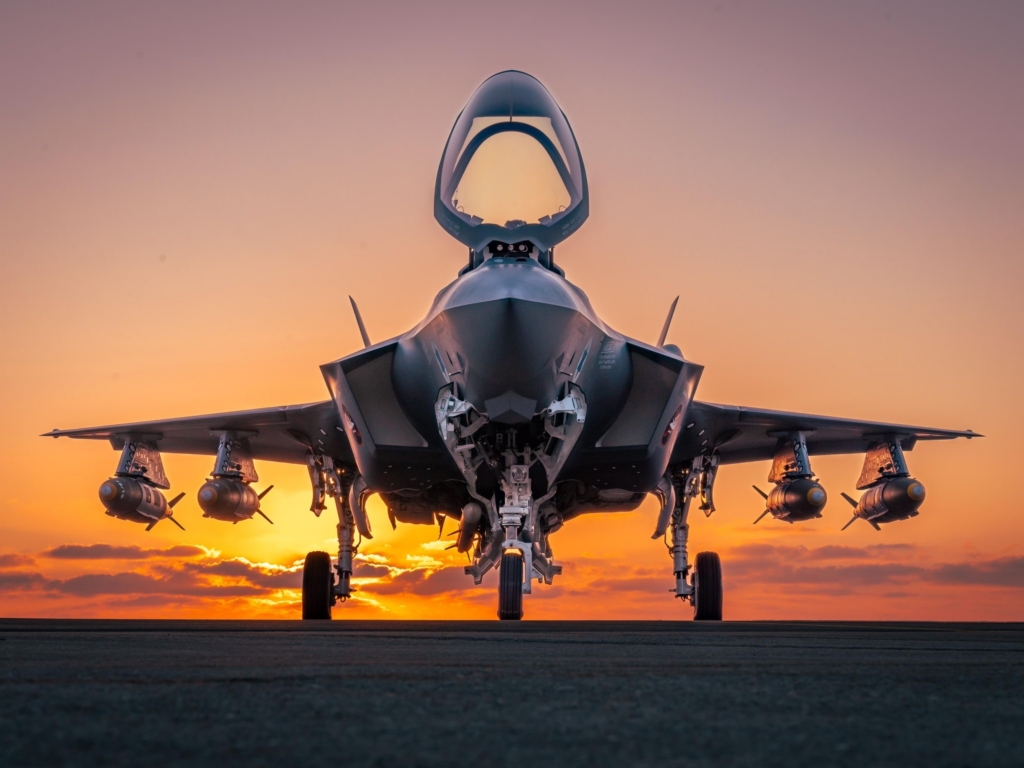
Even so, Reuters reported, “Speaking alongside Trump, Vance said a review was underway to see if Turkey has complied with the U.S. laws so it can receive the F-35 fighter jets.”
Featured Image: TAI
Sign up for our newsletter and get our latest content in your inbox.


More from


October 17, 20265 min read


October 17, 20264 min read