Tejas fighter incident traced to software glitch as IAF readies return to operations

6 min read
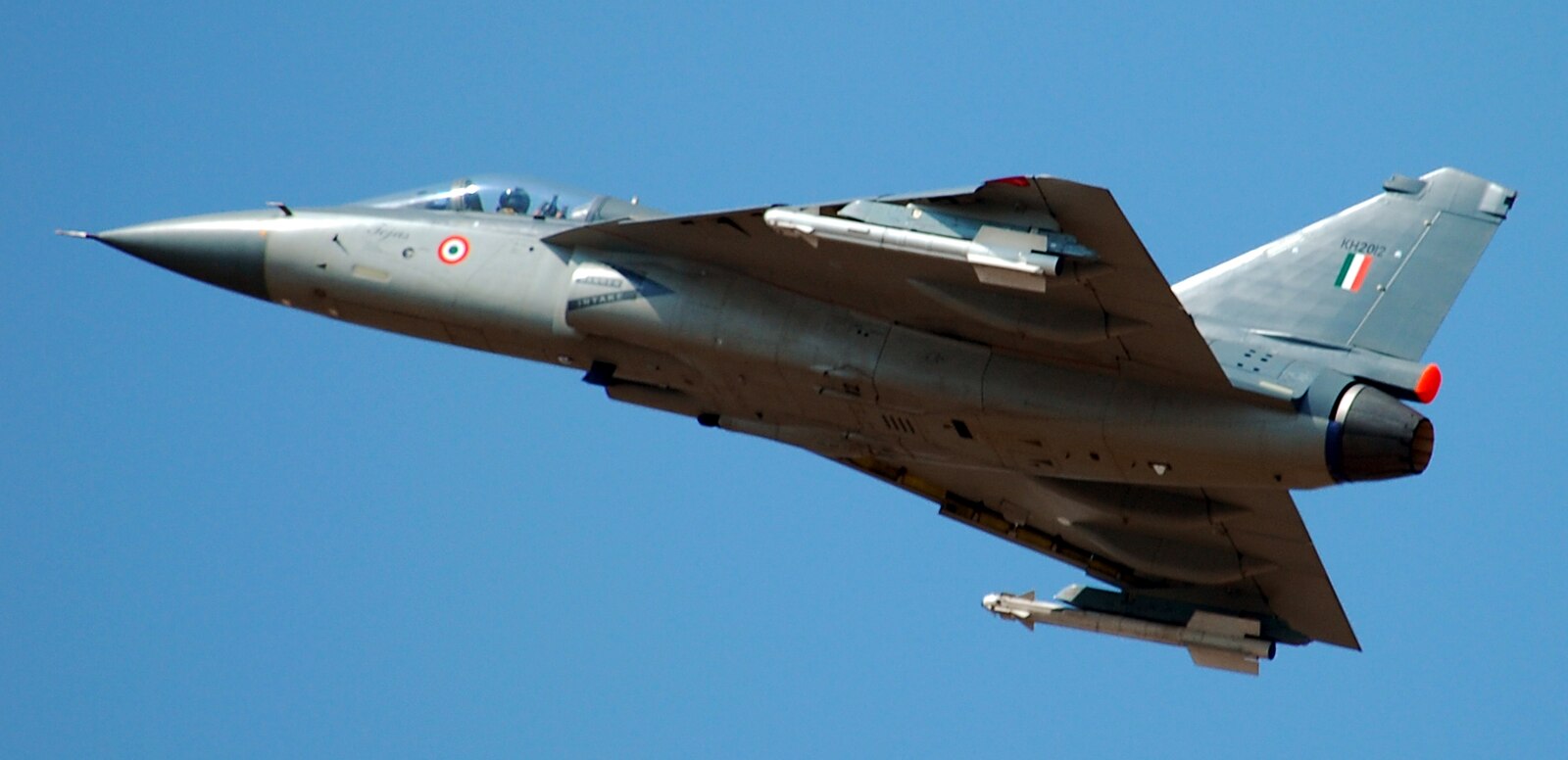
The Indian Air Force has traced the 7 February Tejas runway incident to a software glitch in the aircraft’s onboard computer, bringing clarity to weeks of speculation over the safety of India’s indigenous fighter fleet.
The story was first reported by The Tribune, citing sources familiar with the investigation. The sources said that the issue was not linked to any structural or mechanical failure but to a fault within the jet’s digital systems during the take-off phase.
A revised software package has since been developed jointly with Hindustan Aeronautics Limited (HAL) and is now undergoing final validation, with flying operations expected to resume in the coming days.
When contacted by AGN, HAL declined to comment. However, another source confirmed that grounded aircraft are likely to return to service shortly once software testing is completed.
Tejas runway incident highlights risks in digital-age fighter operations
The incident occurred on the evening of 7 February 2026 at a forward airbase along India’s western front. The single-seat Light Combat Aircraft veered off the runway during take-off and came to rest in a mud ditch. The pilot survived, though injured.
At the time, early reports pointed to a possible technical malfunction, with some speculation around braking systems or undercarriage issues. The IAF responded by initiating a detailed investigation and ordering checks across the fleet.

That response followed standard aviation protocol. As noted in one of the internal assessments, fleet-wide inspections typically focus on “metallurgy of the undercarriage, braking systems and avionics software” to rule out systemic risk.
The outcome, however, has shifted the narrative away from hardware and towards software, a reflection of how modern combat aircraft operate.
IAF investigation traces Tejas incident to onboard software fault
The investigation established that the root cause lay in the aircraft’s onboard computer software, specifically within its digital control architecture.
Multiple subsystems were examined during the probe, including landing gear structures, braking mechanisms, avionics and flight control systems. Each passed inspection, reinforcing the conclusion that the anomaly originated in software rather than physical components.
This distinction matters.

As earlier reporting noted, the incident itself was not categorised as a crash but a ground technical event, even though the aircraft sustained notable structural stress.
In modern fighters like the Tejas, the boundary between hardware and software is increasingly blurred. Control laws, braking responses, and even stability margins are governed by software-driven systems.
That reality explains why what might appear as a “minor” glitch can still have operational consequences.
Tejas software glitch highlights role of digital systems in modern fighters
The Tejas is built around a digital fly-by-wire system, where pilot inputs are interpreted and executed through software-controlled flight computers rather than direct mechanical linkages.
This architecture offers enormous advantages such as precision, stability and flexibility, but it also introduces new vulnerabilities.
As a blog published by the Indian Institute for Aeronautical Engineering and Information Technology (IIAEIT) puts it, “modern fighter aircraft like Tejas rely heavily on digital flight control systems and onboard electronics, making engineering accuracy and rigorous testing absolutely critical.”

The same piece underscores that even minor irregularities in such systems can escalate quickly because aircraft operate “under extreme aerodynamic, mechanical and electronic stress”.
In practical terms, that means a software anomaly during a critical phase, like take-off, can affect how the aircraft interprets pilot commands or manages braking and acceleration.
That is precisely the scenario investigators believe unfolded on 7 February.
IAF prepares to resume Tejas flights after software fix and testing
Following the findings, the IAF and HAL moved to develop a software correction tailored to the issue identified during the investigation.
The updated software is currently undergoing flight validation. Only after these trials confirm stability and reliability will the fix be rolled out across the entire fleet.
Sources indicate that this process is now in its final stages, with flying operations expected to resume shortly.

Such updates are not unusual. In fact, they are a routine part of lifecycle management for modern fighter jets, where software evolves continuously alongside operational experience.
The IIAEIT blog frames it as part of a broader learning cycle: “Each technical investigation strengthens design improvements, engineering standards and safety protocols.”
Tejas programme faces scrutiny after multiple incidents
The February incident was not the first involving the Tejas.
A crash near Jaisalmer in March 2024 saw the pilot eject safely, while a more serious accident during the Dubai Airshow in November 2025 resulted in the loss of a pilot.
Taken together, these events have placed the programme under closer scrutiny, even as officials continue to highlight its overall safety record.
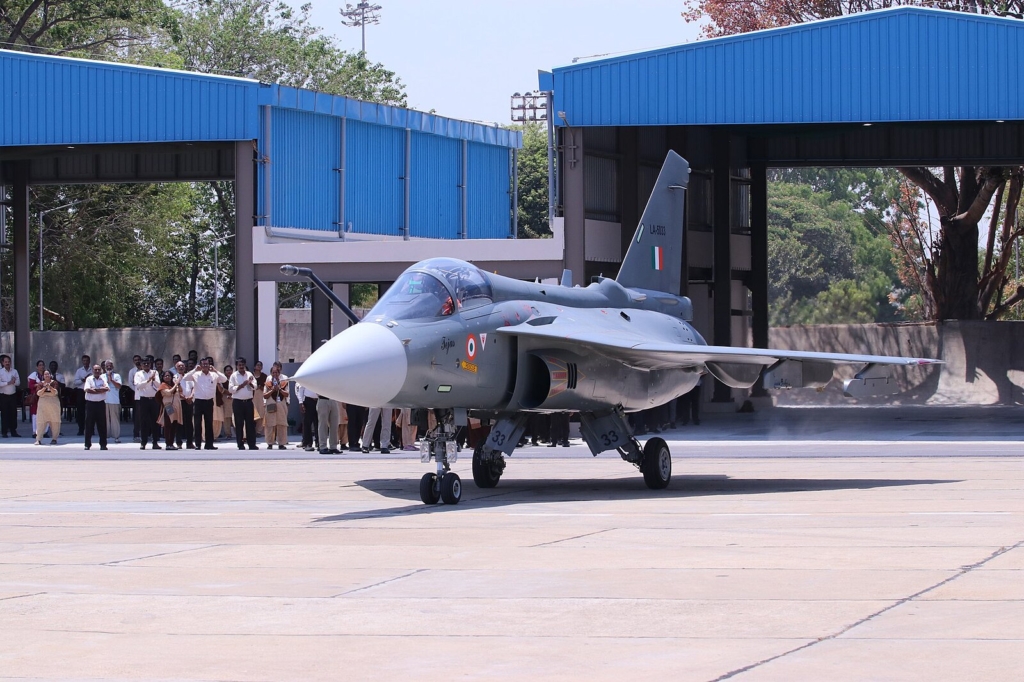
HAL has previously maintained that the Tejas “maintains one of the world’s best safety records among contemporary fighter aircraft”, even while acknowledging the need for detailed analysis following incidents.
From an operational perspective, the stakes are high.
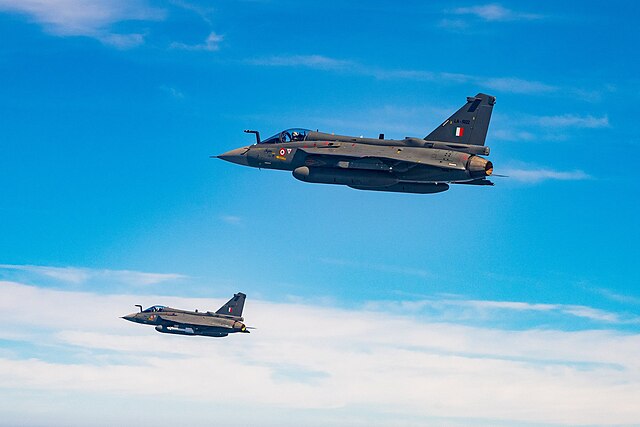
The IAF currently operates around three dozen Tejas aircraft, with more on order. The platform has replaced the MiG-21 fighters and now forms a key pillar of India’s future combat fleet.
Tejas delays add pressure on India’s indigenous fighter programme
The timing of the incident is significant.
The upgraded Tejas Mk1A, a more advanced variant with improved radar, electronic warfare systems and maintainability, is already running behind schedule, partly due to engine supply delays.
With 180 Mk1A aircraft on order, the programme is central to addressing the Air Force’s declining squadron strength.
Any disruption, even temporary, therefore carries operational implications.
At the same time, the incident highlights the growing complexity of indigenous programmes. Unlike earlier generations of aircraft, modern platforms are software-intensive, requiring continuous refinement even after induction.
Tejas incident highlights broader lessons for aviation safety and software
Beyond the immediate technical fix, the episode offers broader lessons for India’s aerospace ecosystem.
As the IIAEIT blog observes, incidents like these are “powerful learning opportunities for the aerospace community” , reinforcing the need for “robust design, quality testing procedures, simulation-based training and skilled technical manpower.”
It also highlights a structural reality: aviation safety is no longer just about engineering hardware but about integrating software, systems testing and human factors into a unified framework.
In that sense, the Tejas incident is less an anomaly and more a reminder of the demands placed on modern combat aviation.
A measured return to Tejas operations as IAF balances caution with urgency
For now, the focus remains on completing software validation and returning the fleet to operational status.
The IAF’s decision to ground aircraft for checks, even temporarily, reflects a cautious approach in line with global aviation practice.
At the same time, the need to restore availability quickly remains pressing, given operational commitments.
The coming days will therefore be critical. If testing proceeds as expected, the Tejas fleet is likely to resume flying shortly, this time with a software architecture refined by experience.
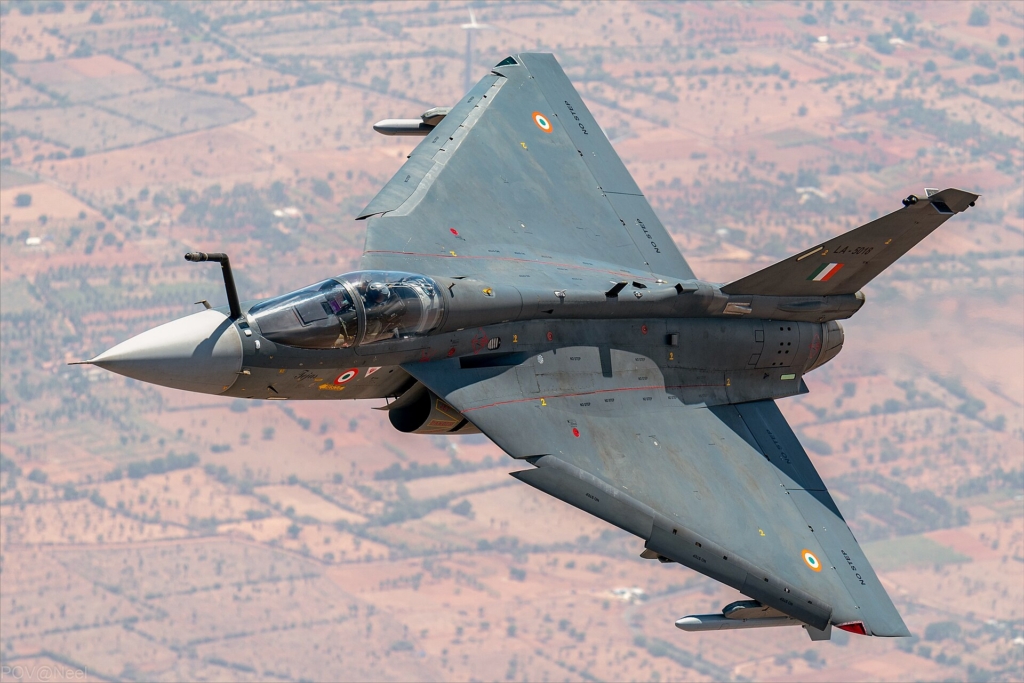
Featured image: Rahuldevnath / Wikimedia
Sign up for our newsletter and get our latest content in your inbox.


More from


October 17, 20264 min read