US Army’s HADES advances as SNC buys 1st non-prototype Bombardier Global 6500

5 min read
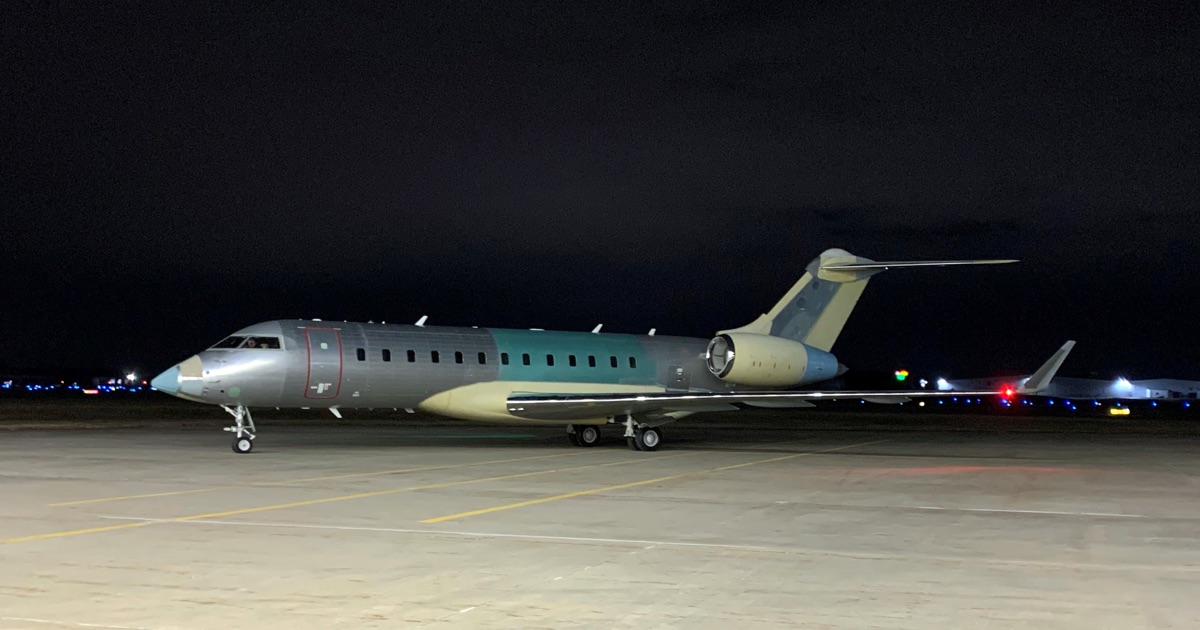
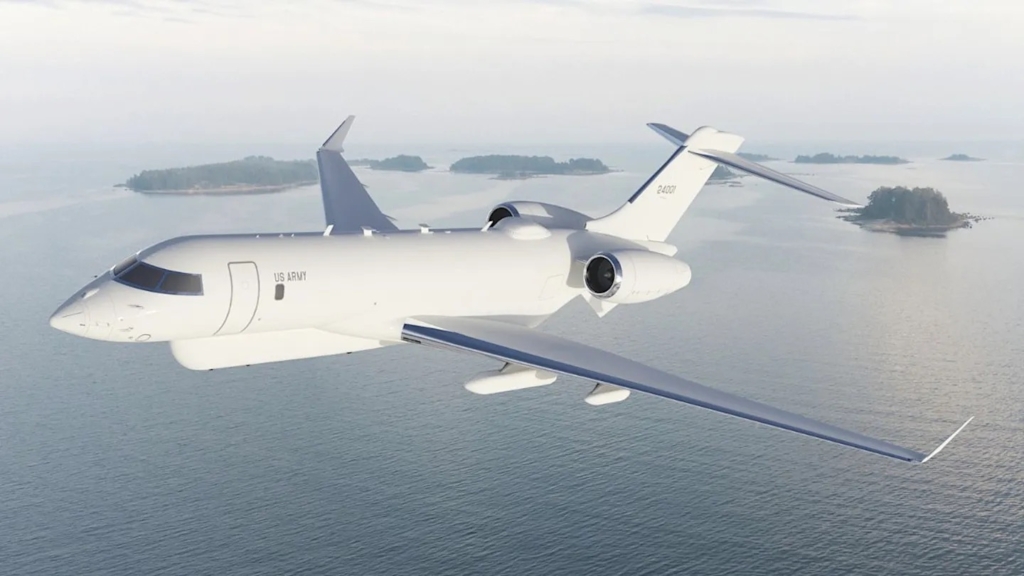
Aerospace and national security firm Sierra Nevada Corporation (SNC) has purchased a Bombardier Global 6500 aircraft at its own expense to serve as the first non-prototype platform for the US Army’s High Accuracy Detection and Exploitation System (HADES).
The move signals that the programme is advancing ahead of schedule, despite ongoing questions over the final size of the fleet.
The aircraft, acquired in December, will become the fourth Global 6500 associated with the HADES effort and the first intended to move beyond the prototype phase into the Army’s operational airborne intelligence, surveillance and reconnaissance (ISR) fleet.
The decision comes as the Army continues to refine its future ISR requirements under the broader Army Transformation Initiative.
SNC said the early procurement is intended to reduce integration risk, accelerate certification milestones and insulate the programme from potential supply-chain disruption. The company did not specify how far ahead of schedule the acquisition places the programme.
US Army’s HADES programme is moving beyond prototypes
HADES is the Army’s next-generation high-altitude, long-range ISR platform, designed to replace elements of its ageing fixed-wing intelligence fleet.
The system is built around the Bombardier Global 6500, a long-range business jet selected for its endurance, altitude and payload capacity.
To date, three Global 6500 aircraft have been allocated to HADES as prototypes. These aircraft are being used to mature sensor integration, mission systems and data-processing architectures under a modular open-systems approach. The first of the prototypes is scheduled to enter Army operational service this year.
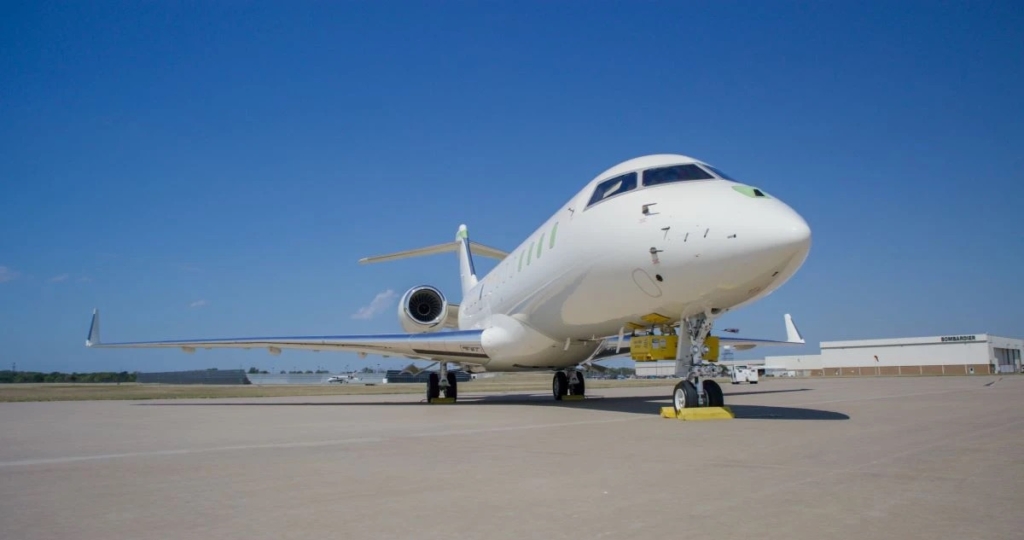
The newly acquired aircraft will be the first non-prototype jet in the programme, allowing systems integration and flight testing to proceed in parallel with prototype activities.
SNC officials say this approach “pulls the development schedule left” by enabling work that would normally follow a production decision to begin earlier.
US Army backs SNC’s early investment in HADES
Army officials have publicly welcomed the move, framing it as an example of industry responding to Pentagon calls for faster delivery of modern capabilities.
“The Secretary of the Army has challenged the industrial base to take risks, invest private capital and innovate on behalf of the nation,” said Andrew Evans, director of strategy and transformation within the Army G-2.
“SNC has unequivocally answered that call. Their willingness to lean forward on the HADES programme sets a new standard for how industry can partner with the Army to deliver next-generation capabilities at the pace of need.”
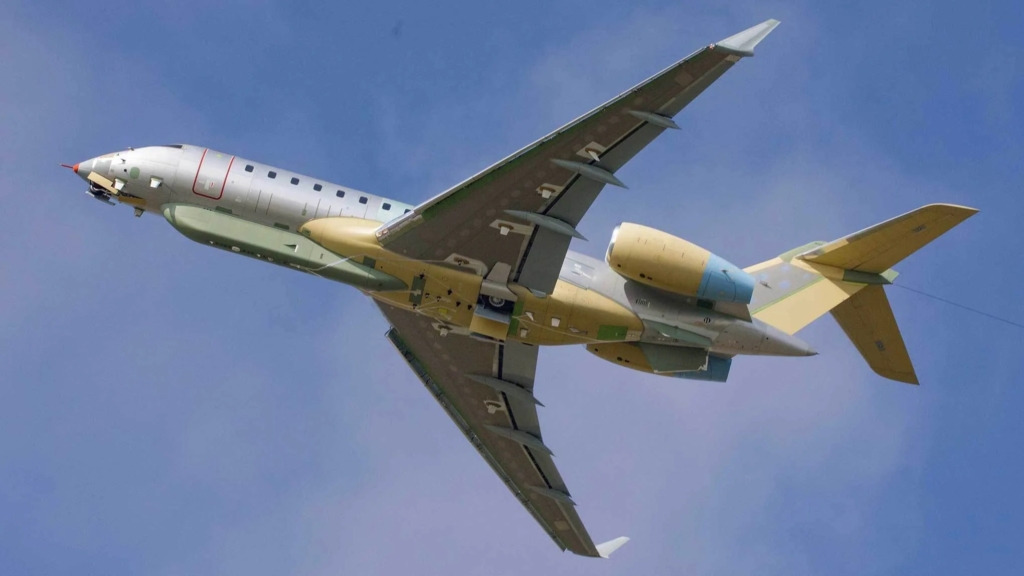
HADES draws directly on lessons from the Army Theatre-Level High Altitude Expeditionary Next Airborne ISR (ATHENA) aircraft, which were operated as contractor-owned, contractor-operated platforms.
Data generated from ATHENA missions informed sensor selection, aircraft performance requirements and data exploitation workflows for HADES.
Why the Bombardier Global 6500 was chosen for HADES
The choice of the Global 6500 reflects a deliberate shift away from legacy turboprop ISR aircraft. Business jet platforms offer greater speed, altitude and endurance, allowing sensors to operate from standoff ranges while covering wider areas.
The Global 6500 can remain airborne for up to 18 hours, operates at high altitude and features long maintenance intervals, making it well-suited to persistent ISR missions. Bombardier says the aircraft family has a dispatch reliability of more than 99%, a key consideration for operational planners.
Bombardier Defense delivered the first Global 6500 aircraft for HADES to the US Army in November 2024, marking the programme’s transition from concept to physical platform.
How SNC is integrating sensors and mission systems for HADES
As lead systems integrator, SNC is responsible for integrating radar, signals intelligence and electronic intelligence payloads, as well as the onboard processing architecture that allows data to be exploited and disseminated in near real time.
The HADES mission system incorporates advanced processing, artificial intelligence and machine-learning tools to manage large volumes of sensor data.
The aim is to shorten the time between collection and decision-making, supporting multi-domain operations across land, air, sea, cyber and space.
“HADES is more than an aircraft; it is a programme built on urgency, discipline and mission focus,” said Josh Walsh, vice president of programmes at SNC. “By investing early and executing ahead of schedule, we are reducing risk and accelerating delivery of an operationally relevant ISR capability.”
The aircraft will be modified at SNC’s facility in Hagerstown, Maryland, which draws its workforce from across Maryland, Pennsylvania and West Virginia.
US Army reviews final HADES fleet size
Despite progress on integration and delivery, the ultimate size of the HADES fleet remains uncertain. The Army has previously indicated it could reduce the planned buy from 12 aircraft to as few as six as part of shifting modernisation priorities.
Army aviation officials have said any decision on fleet size would depend on operational assessments and budget guidance. The service has not confirmed whether revised numbers remain under consideration.

SNC was awarded a 12-year indefinite-delivery, indefinite-quantity contract worth up to nearly $1 billion to act as lead integrator for HADES.
Under that arrangement, the company has already self-invested close to half a billion dollars across ISR programmes, including aircraft procurement, digital modelling environments and supply-chain tooling.
What HADES reveals about faster US Army acquisition
HADES is being developed under the Pentagon’s middle-tier acquisition framework, intended to field capabilities within two to five years rather than traditional decade-long timelines.
The programme’s reliance on commercial platforms, rapid prototyping and early industry investment is being closely watched across the defence sector.
Whether the Army ultimately fields six, 12 or more aircraft, SNC’s early purchase of a non-prototype Global 6500 ensures HADES integration work continues at pace and positions the programme to move quickly once final production decisions are made.
Featured image: Sierra Nevada Corporation