Russia imposes indefinite ban on drones and light aircraft over Moscow

4 min read
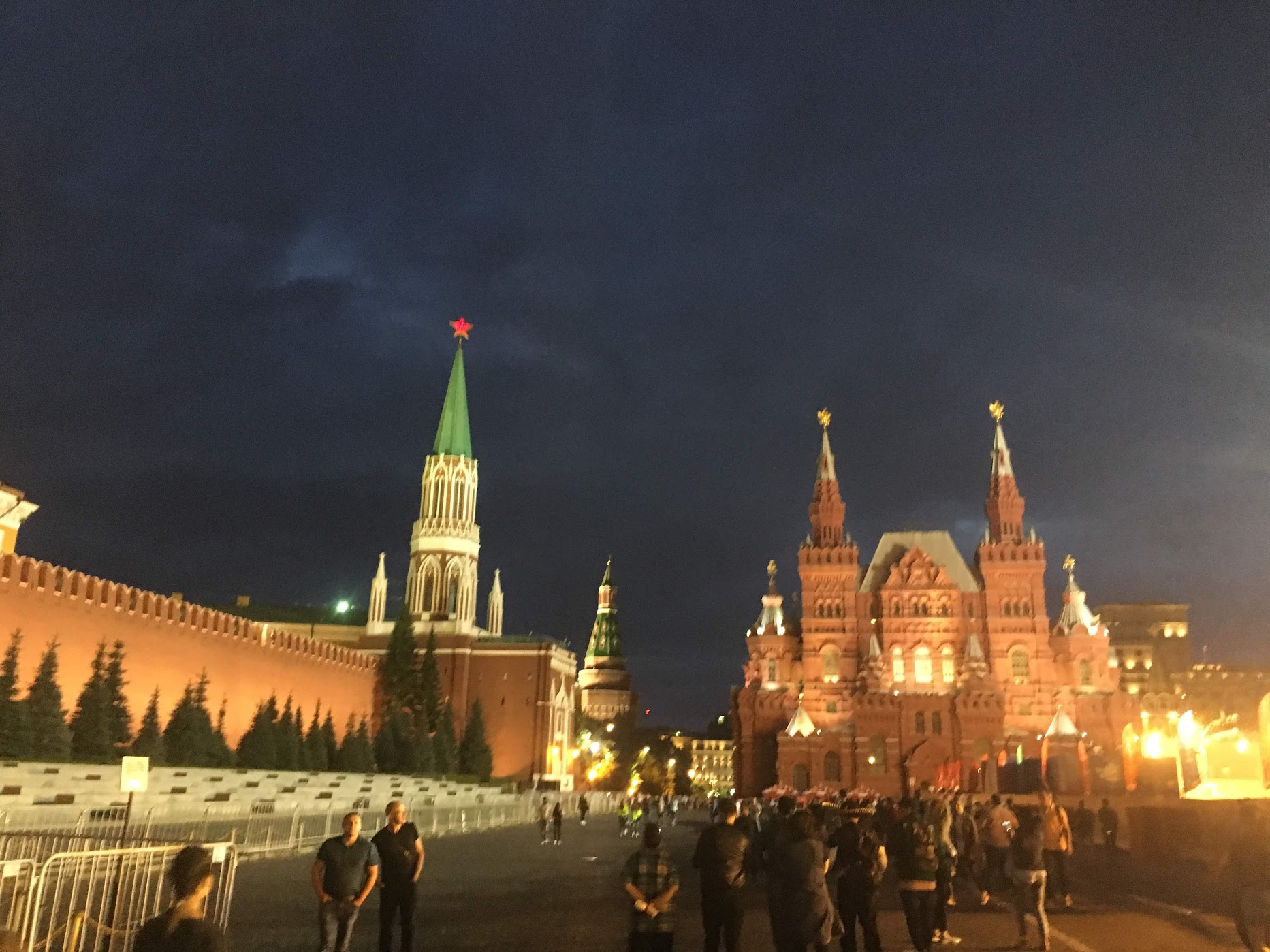
As Ukrainian drone attacks over Russian cities become more common, the Russian miltiary has stepped in to ask Russia’s Rosaviatsiya to impose a drone ban over Moscow and other regions.
Moscow introduces indefinite drone ban
Yesterday, the Russian state-run news agency, Tass, announced effective on the 20th of June, there will be a temporary ban on flights of light aircraft, ultralight aircraft, and civilian drones over Moscow.
Ukrainian attack drones are raiding Russia’s Moscow region this morning.
— OSINTtechnical (@Osinttechnical) June 18, 2026
Russian commercial air travel in the area has been halted. pic.twitter.com/cV7jTdwYBx
The ban is being introduced by the Russian Federal Air Transport Agency (Rosaviatsiya) and will cover Moscow, most of the surrounding Moscow region, and partially over the Ryazan, Tula, Kaluga, Tver, Yaroslavl, and Vladimir regions.
The Transport Agency announced the ban in its Telegram channel, adding that the ban is at the request of the Russian Ministry of Defence. It will be in place until further notice.
Russian media report that flights of light aircraft and civilian drones will be restricted over Moscow and several Russian regions. Starting June 20, Rosaviatsia is introducing restrictions on flights of light and ultralight aircraft, as well as civilian drones at altitudes up to… pic.twitter.com/EgE3wkHinD
— WarTranslated (@wartranslated) June 17, 2026
The ban will cover the aircraft and drones from the ground up to an altitude of 5,200 metres (17,000 ft). State and experimental aviation aircraft are excluded from the restrictions, and it will not affect scheduled flights.
Get the latest aerospace defence news here on AGN.
Sign of war coming home to Moscow
Some Russian regions have had restrictions since 2022; the beginning of the full-scale invasion of Ukraine. However, these are often temporary, local, or enforced by NOTAMs rather than the permanent, broad ban being introduced in Moscow.
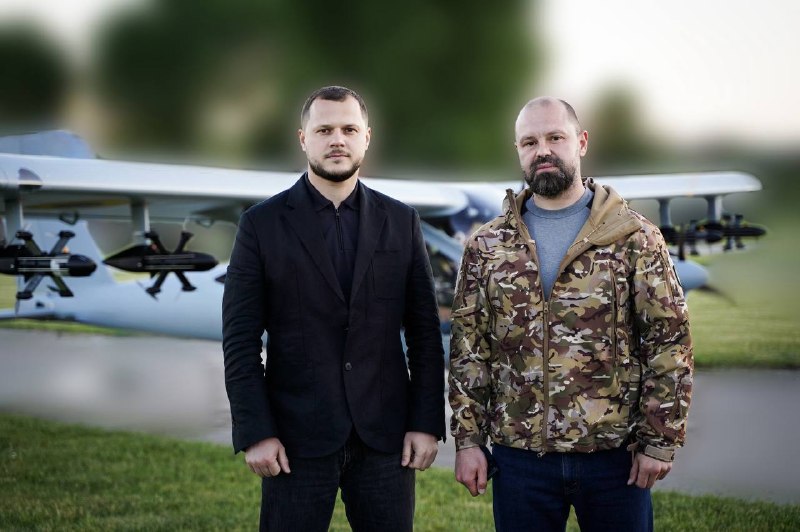
Meanwhile, Russian airspace near Ukraine has been closed since the beginning of the war. AGN has previously reported on increasing internet restrictions in Russia, ostensibly due to Ukrainian drone attacks.
The introduction of civilian drone restrictions in Moscow may seem belated, but it can be seen as a tacit acknowledgment of the security situation deteriorating deep within Russia as Ukraine successfully brings the war home to Russians.
Ukrainian deep drone strikes have become increasingly common, large-scale, and effective. May 2026 saw the largest yet Ukrainian raid on Moscow, while June saw the farthest yet Ukrainian strike on Omsk.
In June, Ukraine conducted high-profile attacks on St Petersburg, including destroying the Russian Steregushchiy class corvette Boikiy in dry dock.
Really great job, Russian air defense! This guided-missile corvette Boykiy in Kronstadt near St Petersburg is totally not on fire. Source: https://t.co/uCDPB60vIL https://t.co/IrpoIEVQSZ pic.twitter.com/dVxgn8Vabc
— Yaroslav Trofimov (@yarotrof) June 4, 2026
In Ukraine, the country has been under martial law since the beginning of the invasion. Civilian drone use generally requires special permits from military administrations, and the airspace has been closed to commercial traffic.
Flying civilian drones over Ukrainian cities is essentially impossible.
Increasing fuel shortages and flight restrictions in Russia
Ukrainian drone attacks have disrupted Russian flights in many cities, including Moscow, for years, with the trend generally getting worse. In some regions, delaying flights due to Ukrainian attacks has become a fact of life.
That said, Ukraine has not worked to attack Russian commercial aircraft or shut down its commercial flights.
Seperately, Russia is reported to be regularly using commercial aircraft to transport soldiers and get around sanctions and red tape in transporting weapons to third countries.
In what appears to be a new development, Russia is facing aviation fuel pressures due to Ukrainian strikes on refineries. This has led to refueling limits or NOTAMs at some airports.
This includes restrictions on “extra” fuel for foreign carriers at some places (e.g., Makhachkala) and has been reported by Russian outlets like RuAviation.
RuAviation attributed the shortage to a global shortage from the closure of Hormuz rather than Ukrainian attacks. Yesterday, Reuters reported that Ukrainian attacks on Russia’s refining are prompting it to import gasoline by sea from Asian countries; it’s unclear if this includes aviation fuel.
A Russian Ka-52 helicopter chases a Ukrainian drone that is likely headed towards Moscow.
— Anton Gerashchenko (@Gerashchenko_en) June 17, 2026
Moscow mayor says drone attack on Russia's capital is in progress. pic.twitter.com/wea9cyD7N7
The Russian Transport Agency has also stated that airports have enough fuel for scheduled flights, but “tankering” (extra fueling) by some carriers is prohibited.
Reports by some pro-Ukrainian accounts of massed Russian flight cancellations due to fuel shortages (e.g., in Sochi) appear exaggerated or premature at this point.
Featured Image: Aaron Spray