


America’s aircraft Boneyard could end up powering the data centre boom

5 min read
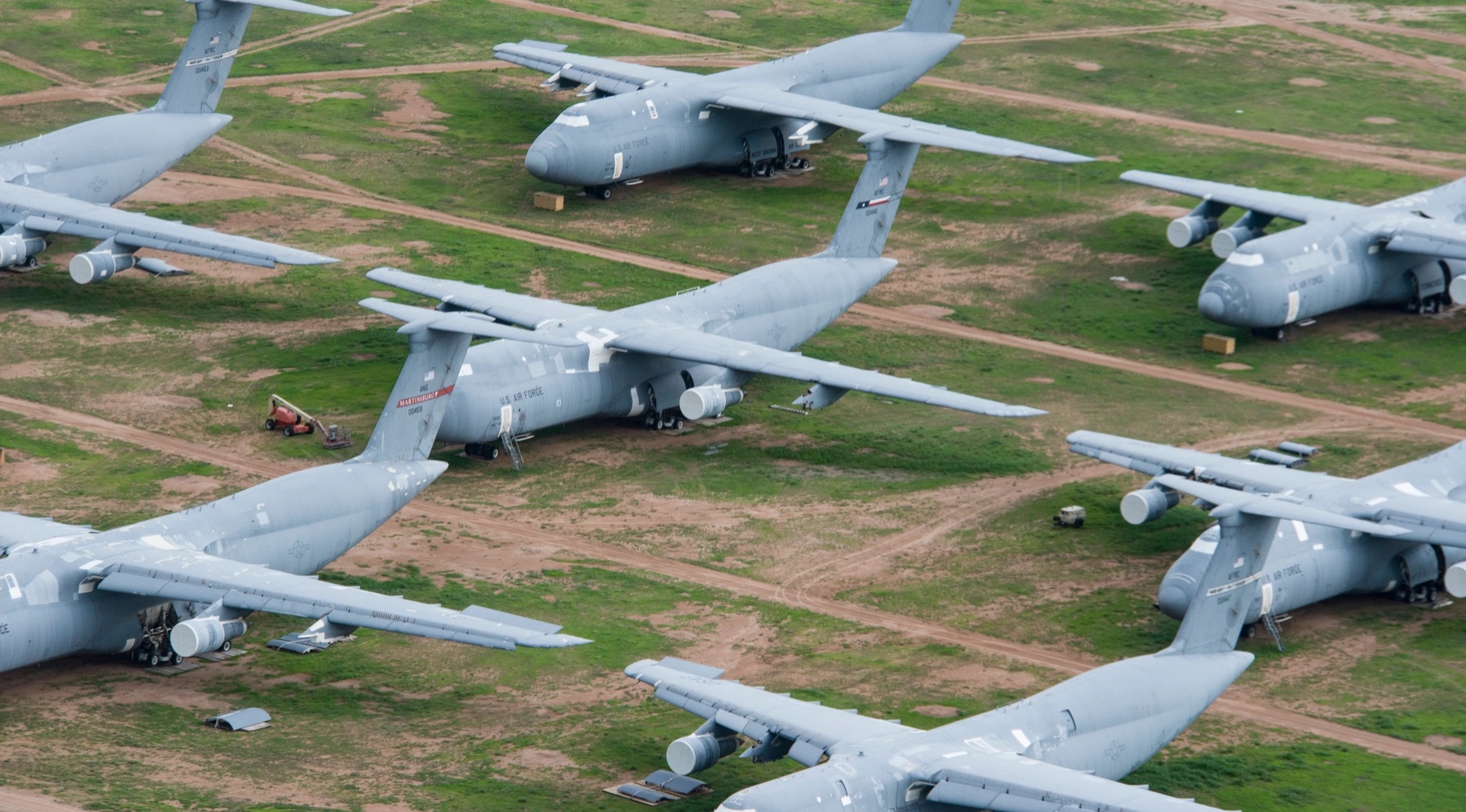
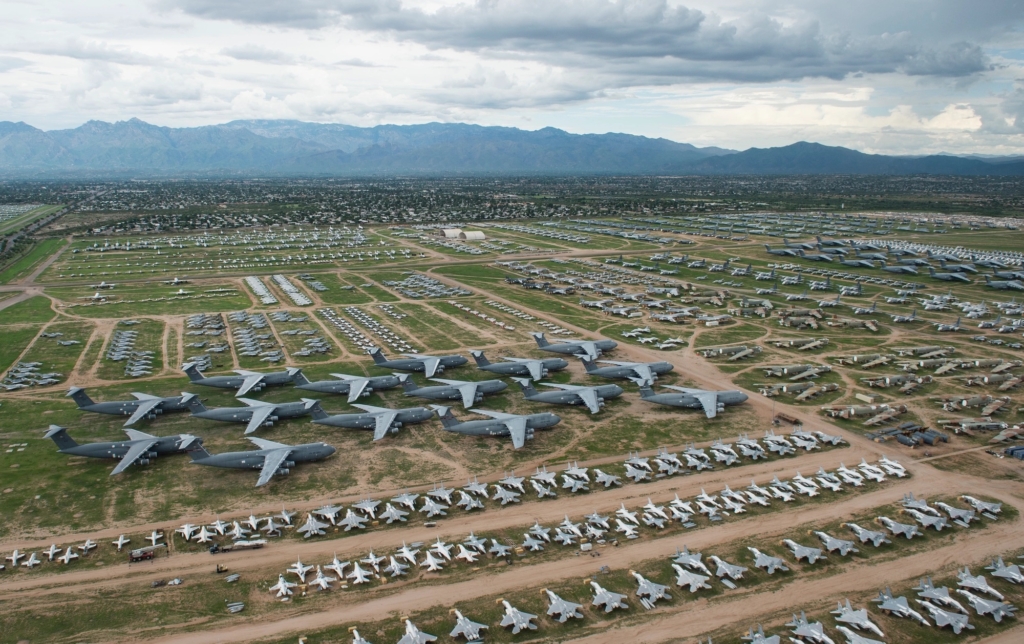
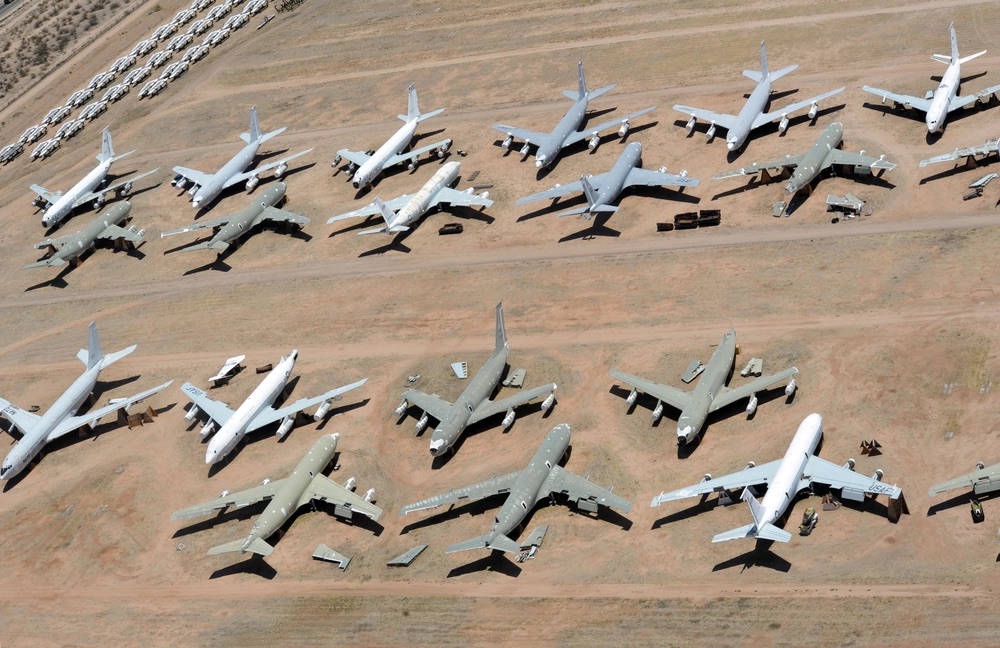
In the Arizona desert, thousands of retired military aircraft sit nose to tail under an unforgiving sun, their missions long over and their futures seemingly settled.
Known officially as the Aerospace Maintenance and Regeneration Group at Davis-Monthan Air Force Base, and more colloquially as the “Boneyard”, the facility has for decades symbolised the end of the line for American airpower.
Now, a new analysis by the US Energy Information Administration suggests those silent airframes may still have an unexpected role to play, not in the air, but on the ground, helping to feed the country’s growing appetite for electricity.
According to the EIA’s latest Today in Energy briefing, the engines that once powered retired US military aircraft could, in theory, provide as much as 40,000 megawatts (MW) of electricity generation capacity, roughly 10% more than Arizona’s current total generating capacity.
It is a striking figure, even as the agency stresses that it represents theoretical potential rather than a ready-made solution.
Rising US electricity demand meets an unlikely energy reserve
The timing of the EIA’s assessment is no accident. Across the United States, electricity demand is rising faster than grid infrastructure can keep pace.
Data centres, particularly those supporting artificial intelligence and cloud computing, are expanding at a rate utilities struggle to match. In some regions, developers face waits of several years simply to secure grid connections.
As traditional solutions falter, energy developers are looking for power sources that can be deployed quickly.
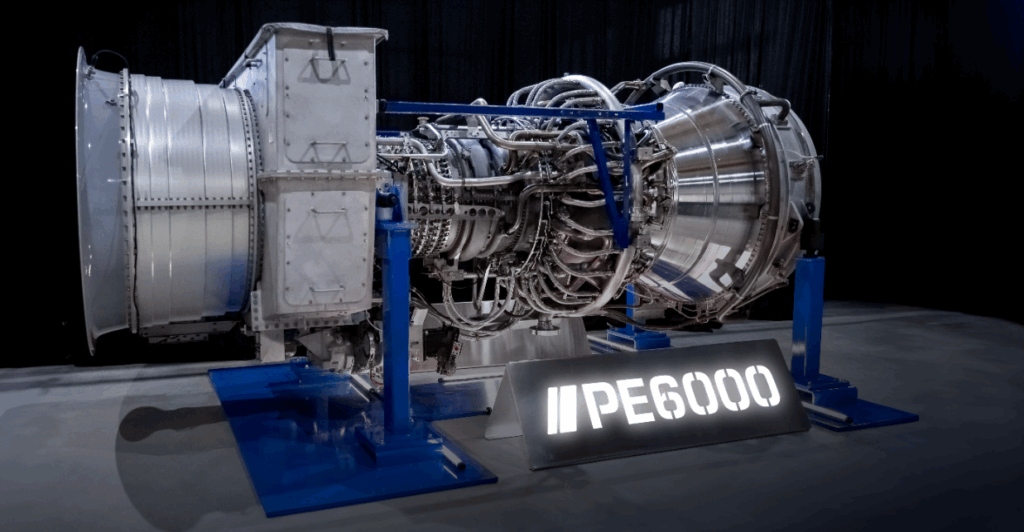
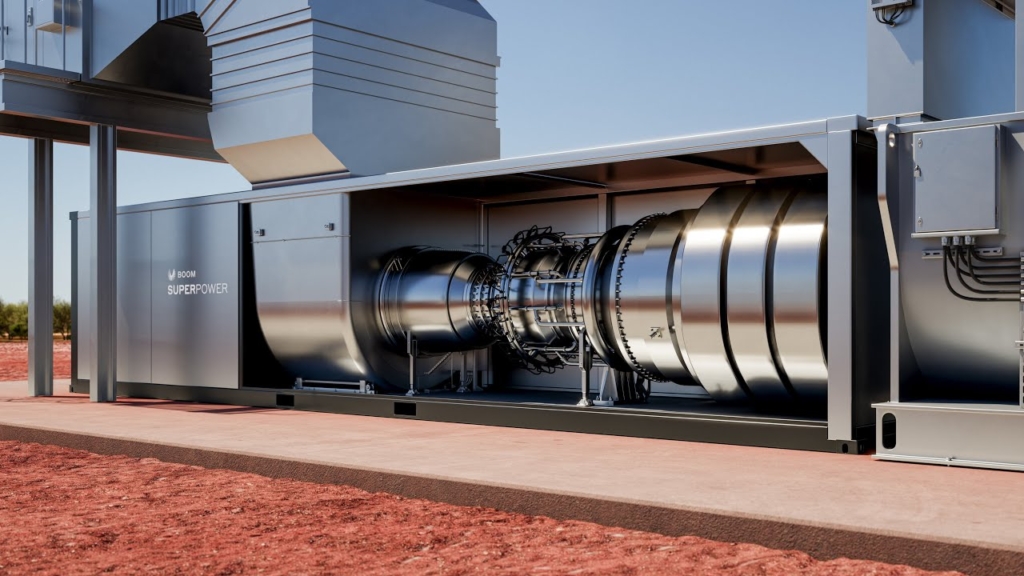
In Texas and elsewhere, some have already turned to modified jet engines repurposed as stationary generators, each capable of producing around 48 MW of electricity, enough to power a small town or a large data centre.
The EIA’s question, then, is a logical one, if commercial operators are already using adapted aircraft engines for power generation, could the vast inventory of retired military engines stored in the Boneyard represent a hidden energy reserve?
What retired US military aircraft are stored in the Boneyard?
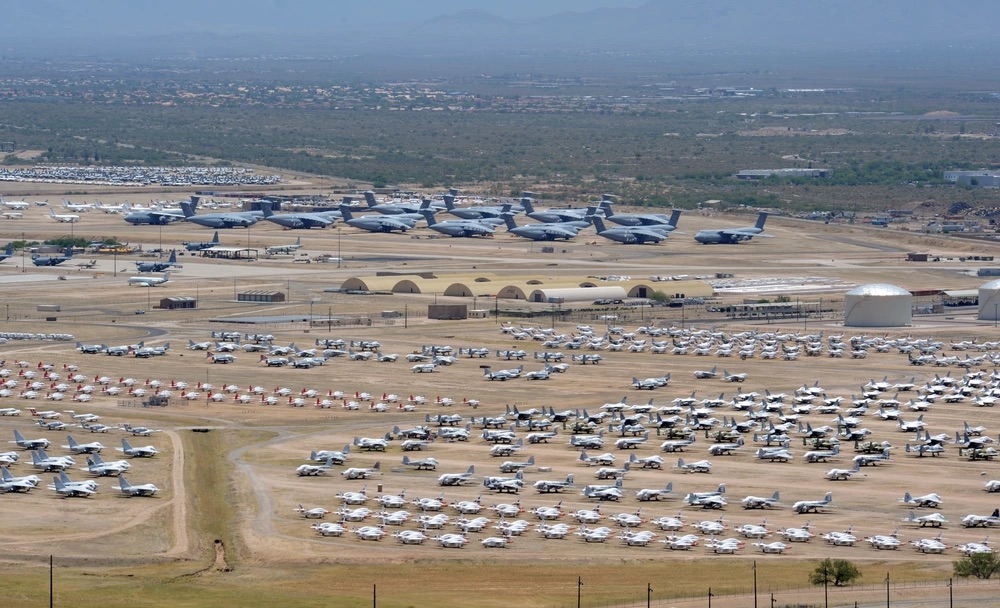
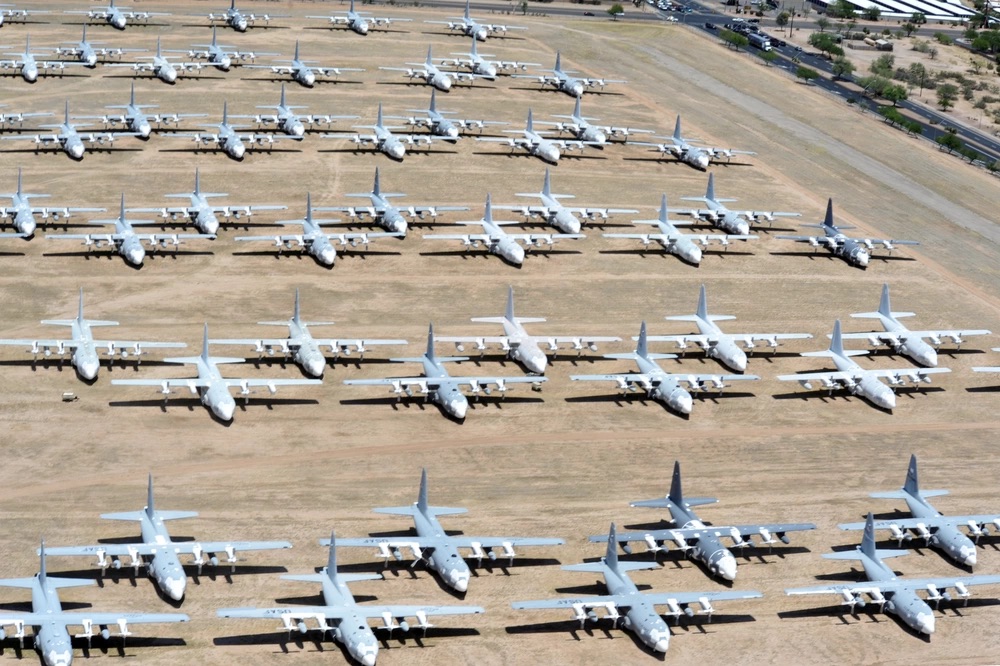
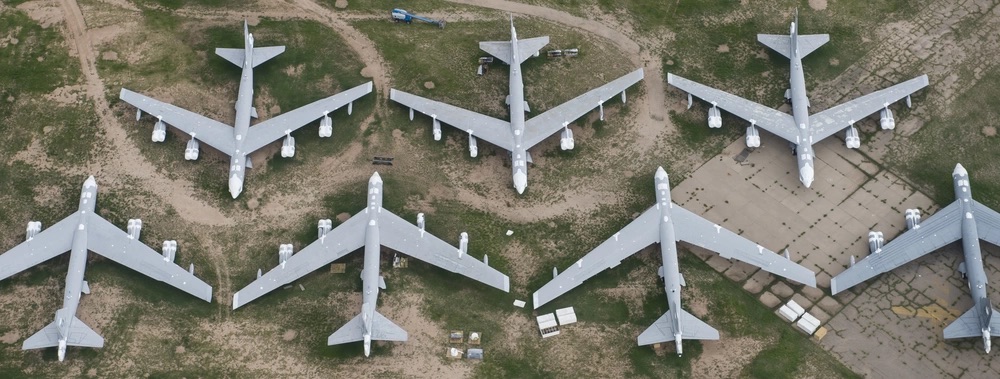
As of March 2025, around 4,000 retired military aircraft are held at Davis-Monthan, spanning multiple generations and mission types. These aircraft were powered by four main categories of turbine-based engines, turbojets, turbofans, turboshafts and turboprops.
Not all are suitable candidates for power generation. The EIA excludes older turbojets from its calculations, citing poor efficiency by modern standards. It also leaves out afterburning turbofans, whose design differs significantly from engines typically used in stationary power systems.
Even with those exclusions, the numbers remain substantial.
Turbofan engines offer the largest power generation potential
The largest share of potential capacity comes from turbofan engines, which the EIA estimates could collectively provide around 32,000 MW of electricity. These engines underpin a well-established category of power equipment known as aeroderivative gas turbines, systems that use aircraft engine cores adapted for stationary use.
The agency draws a comparison between the GE Aerospace CF6 turbofan, once common on widebody aircraft, and the GE Vernova LM6000, a commercial aeroderivative turbine derived from the same engine family.
Refurbished CF6-series engines are already available on the aftermarket, suggesting that conversion from aviation to power generation is technically plausible.
However, the EIA cautions that factory-built power turbines are typically more optimised for electricity generation than retrofitted engines, and that removal, refurbishment and conversion would add cost and complexity.
Turboshaft and turboprop engines: Smaller but more numerous
Helicopter turboshaft engines form another part of the picture. The EIA estimates that roughly 1,100 turboshaft engines in the Boneyard could together deliver about 1,600 MW of capacity.
For example, retired MH-60 Seahawk helicopters were each equipped with two General Electric T700 engines, rated at around 1.2 MW apiece.
Here, too, practicality intrudes. With average capacities of under 1.5 MW per engine, the agency notes it may be cheaper and more efficient to deploy modern reciprocating engines, the diesel generators already common in backup power applications, than to extract and convert ageing helicopter engines.
Turboprop engines, such as those used on the C-130 Hercules, offer a middle ground. After converting their horsepower output into electrical terms, the EIA estimates turboprops in the Boneyard could account for up to 7,300 MW of cumulative capacity.
Why repurposing retired aircraft engines for power is not straightforward
Throughout the analysis, the EIA is careful not to oversell the idea. Most of the aircraft in question were retired more than a decade ago on average. Their engines may have been stored, cannibalised for parts, or earmarked for potential future military needs.
Logistics also matter. Removing engines from storage, transporting them, refurbishing them to commercial standards and integrating them into power plants would require time, capital and regulatory approvals. The analysis deliberately avoids assuming that any engines have already been repurposed.
In short, the Boneyard’s energy potential is real on paper, but uncertain in practice.
Data centres are already using aircraft engines for power
While the military angle may be novel, the broader concept is already gaining traction in the commercial world.
In an October 2025 report, IEEE Spectrum described how data centre developers are increasingly turning to refurbished aircraft engines as a stopgap power source amid shortages of new gas turbines and long grid delays.
“There just aren’t enough gas turbines to go around, and the problem is probably going to get worse,” Paul Browning, former head of GE Power & Water, told IEEE Spectrum, pointing to lead times of three to five years, and in some regions much longer, for new turbines.
Companies such as ProEnergy have built entire business models around this gap, refurbishing CF6 engine cores into aeroderivative generators capable of fast start-up, relatively low emissions and deployment timelines measured in months rather than years. Some of these systems are already being used as “bridging power” for data centres until permanent grid connections become available.
Retired military aircraft engines and their potential role on the power grid
What makes the EIA’s analysis compelling is not the promise of an instant energy windfall, but the way it reframes a familiar landscape.
The Boneyard has long been seen as a symbol of surplus, aircraft kept just in case, stripped for parts, or simply left to age out of relevance.
Viewed through an energy lens, it becomes something else, a catalogue of industrial assets whose value may depend less on flight hours and more on megawatts.
The agency does not argue that retired military engines should replace new power plants, renewables or grid investment. Instead, it positions them as part of a broader conversation about flexibility, resilience and speed, qualities increasingly prized in an energy system under strain.
Featured image: DVIDS


