Ukraine to receive 9 of Poland’s remaining MiG-29s as pilot shortages slow transition to Western jets

4 min read
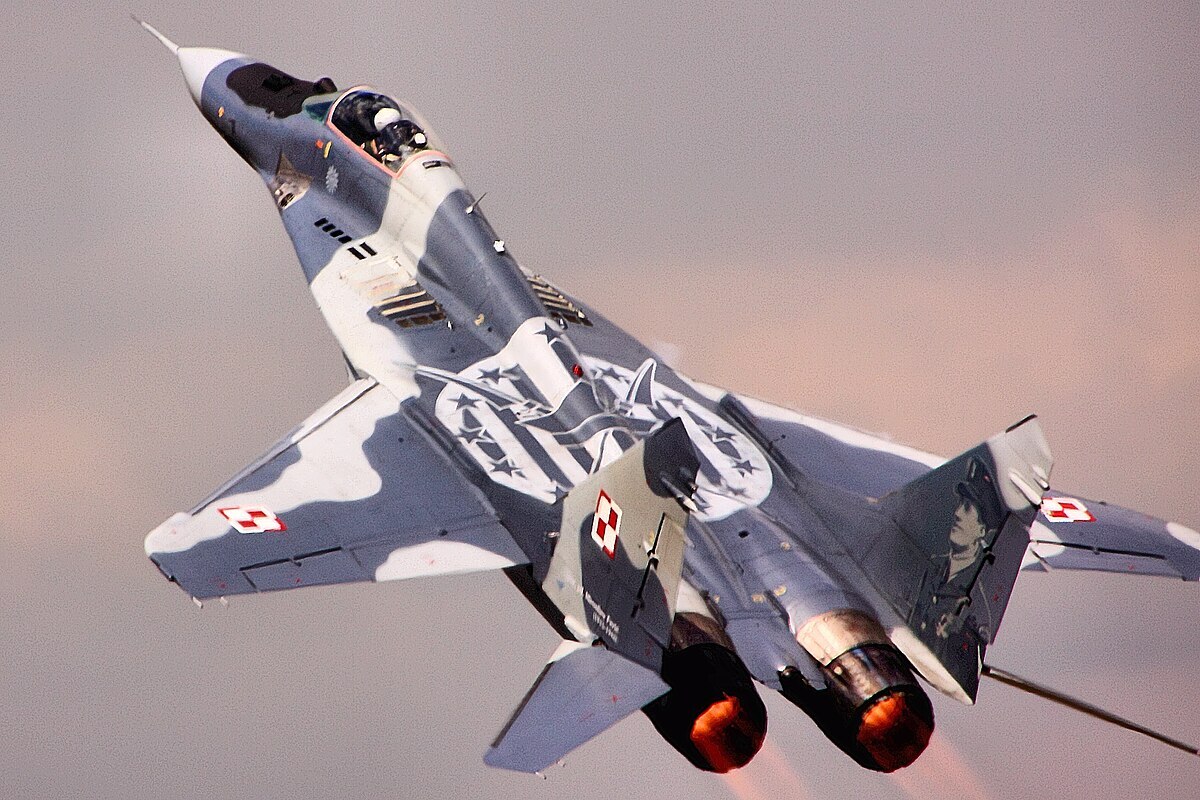
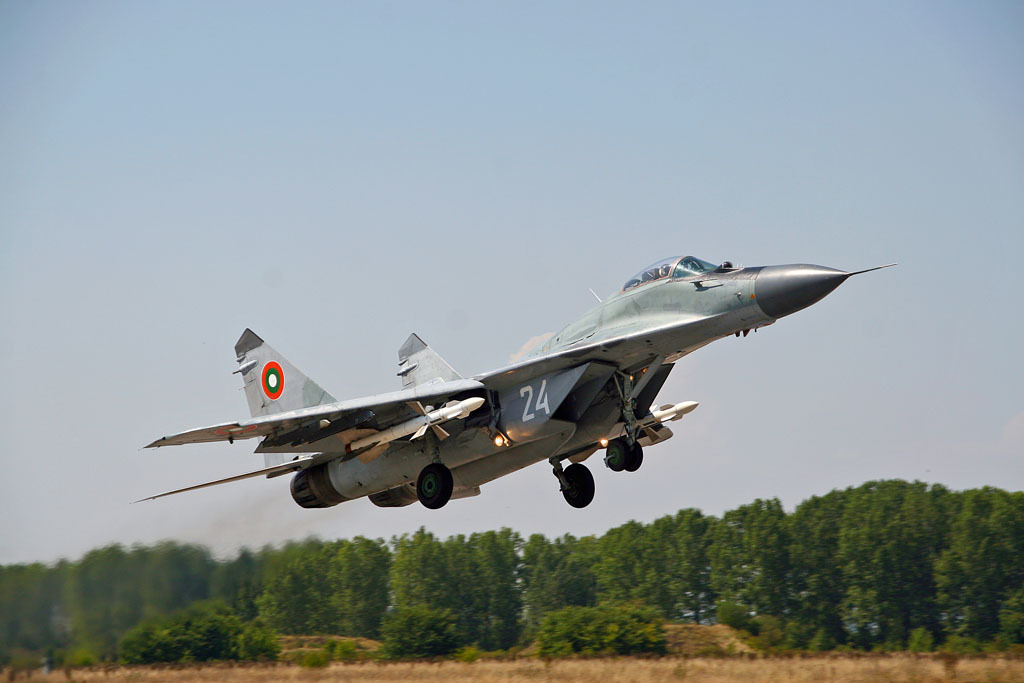
Poland is moving closer to ending its long association with Soviet-era combat aircraft, with most of its remaining MiG-29 fighters set to be transferred to Ukraine.
Up to nine aircraft are expected to change hands as Poland accelerates its transition to a modern Western air force, while Ukraine continues to rely on platforms its pilots can fly immediately amid shortages of personnel trained on newer jets.
Poland to transfer up to nine more MiG-29s to Ukraine
In December, AGN reported that Poland and Ukraine were in negotiations to retransfer the remaining Polish MiG-29 Fulcrums to Ukraine in exchange for Ukrainian drone technology.
At the time, Poland’s Defence Ministry said it was working on a proposal to transfer six to eight of its remaining 14 MiG-29s.
Yesterday, Polish Deputy Defence Minister Pawel Zalewski said on the Polish TVP World network that the Polish government had approved the transfer of these jets.
Zalewski then said, “We are awaiting a response from the Ukrainian Ministry of Defence; these are purely technical talks.” He added that Ukraine has already generally accepted the proposal.
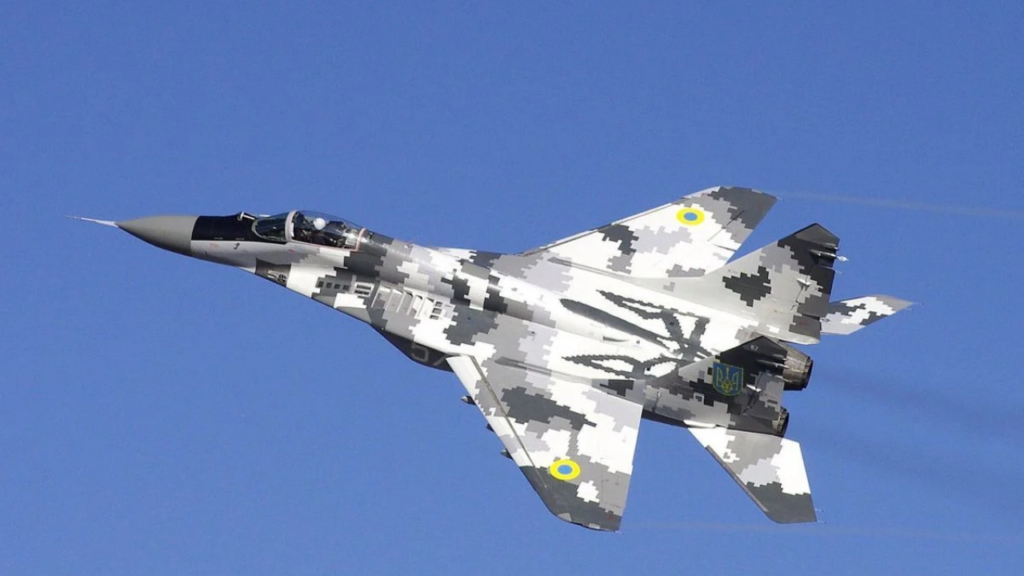
Ultra low pass of the Ukrainian MiG-29 Fulcrum.
— Defense of Ukraine (@DefenceU) May 5, 2025
📹: @KpsZSU pic.twitter.com/EdF2kz9bfB
Zalewski did not report the number of jets to be transferred, but later reports suggested it is up to nine. That would suggest Poland will still have at least five MiG-29s in service. It’s unclear how much longer Poland will hold onto these jets.
Poland is taking delivery of South Korean KA-50 light attack fighters to replace its MiG-29s while also upgrading its F-16 fleet. The cornerstone of Poland’s future air power will be its F-35As, the first of which are soon to arrive in the country.
Poland’s ageing MiG-29 fighter jets
Many of the Polish MiG-29s are Soviet-era aircraft that were acquired from former East German stocks after reunification. The aircraft are approaching the end of their useful lives and are of limited value.
The Polish Ministry of Defence quoted Zalewski as saying, “Some of the MiGs will be leaving service very soon. Their service life is coming to an end, so either they will go to the scrap heap, colloquially speaking, or they will continue to serve the security of the Polish state, only in a somewhat different formula.”
With Ukraine now receiving more advanced (but still old) F-16s and Mirage 2000s, the most pressing issue for Ukraine is not the number of airframes available, but the availability of trained pilots to fly them.
❗️On December 4, 2025, at the Kacha military airfield in occupied Crimea, operators of the Defence Intelligence of Ukraine’s special unit “Prymary” successfully struck and destroyed a russian MiG-29 multirole fighter. pic.twitter.com/k2Cgsm9k0f
— Defence Intelligence of Ukraine (@DI_Ukraine) December 4, 2025
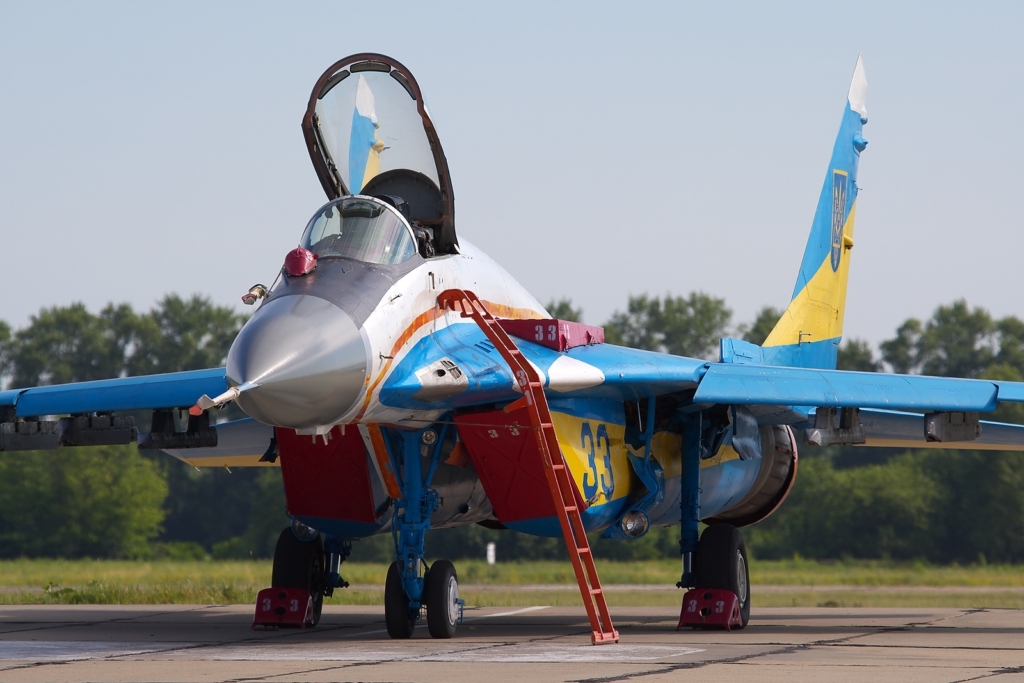
As a post-Soviet country, Ukraine has deep expertise in maintaining and flying the MiG-29. It may be an old aircraft, but it’s one Ukraine can easily put into service.
Get the latest aerospace defence news here on AGN.
Ukraine’s workhorse fleet of MiG-29 fighters
At the start of the full-scale invasion, Ukraine is estimated to have had around 43 MiG-29s in service and around 70 airframes in inventory, many of which were not flightworthy.
Over the course of the conflict, Ukraine is independently confirmed by the open-source Oryx blog to have lost at least 34 MiG-29s.
To date, Poland and Slovakia have supplied Ukraine with 24 MiG-29 airframes, some of which are intended for parts. The transfer of up to nine more aircraft would increase the total to 33.
Interestingly, open-source analysts have found one Azeri MiG-29 that was in Ukraine at the start of the war for overhaul that apparently survived the early Russian attack on the facility and is now in Ukrainian service. It is unclear if this is a one-off example or not.
ruSSians report that Ukraine requisitioned several MiG-29 9-13 fighter jets of the Azerbaijani Air Force, which were undergoing repairs in 🇺🇦as of 2022.
— 𝔗𝔥𝔢 𝕯𝔢𝔞𝔡 𝕯𝔦𝔰𝔱𝔯𝔦𝔠𝔱△ 🇬🇪🇺🇦🇺🇲🇬🇷 (@TheDeadDistrict) September 4, 2025
They claim that 🇺🇦did this unilaterally))) But we understand that the 🇦🇿gave their consent
#2📷: AzAF MiG-29, for comparison. pic.twitter.com/lNzA5xSiTQ
FlightGlobal’s 2029 World Air Forces review estimates the Russian Air Force has around 236 MiG-29s (including updated MiG-35s) in service. However, these are ageing aircraft and are rarely used by Russia on the frontline.
Featured Image: Wikimedia Commons
Sign up for our newsletter and get our latest content in your inbox.


More from


October 17, 20264 min read